A local expert from Citizen’s Advice provides timely tips on consumer issues…
Q: I am moving to a home which is on a heat network. I don’t seem to have any choice in this matter and I am worried that it will be really expensive … Can you help?
A : Heat networks provide heating or cooling to multiple places from a central source and are used to heat blocks of flats, public buildings, and even whole towns. Heat networks currently provide heating for up to one million people in the UK. The owner of the heat network is responsible for everyone on that network: people can’t switch because they can’t change their heating system. As heat networks are not yet regulated, there are no rules dictating how people are billed, and no consumer protections for those who fall into debt. For those on heat networks run by housing providers, heating bills can be bundled together with housing costs. When this happens, you owe your landlord for your heating. If you fall behind, this could open you up to risk of eviction. From January 2026, there will be rules in place to protect people on heat networks, and also to hold suppliers to account. Suppliers will have to provide clearer bills, handle complaints and treat customers in debt fairly. Until then, your heat network might be able to help if something goes wrong. However, whether you pay your heat network bills separately or as part of your housing costs, it’s really important to deal with this type of debt as soon as you can. Speak to your supplier or bill provider. They’ll be able to tell you if your bill is correct, and might agree on a more affordable way for you to pay. If that doesn’t work, speak to Citizens Advice – we’re part of a national team of specialist heat network advisors. You can call us on 0808 223 1133. You can also approach the Energy Ombudsman but they may not be able to help if your complaint is about something that happened before April 1 2025. If you are moving to a home on a heat network you should always: Ask whoever you’re buying or renting from for details about the energy supply, including: how much heating and hot water costs a year any maintenance charges and service fees you’ll have to pay contact details of the heat network supplier, and who you should speak to if something goes wrong. Check whether the heat network is part of a consumer scheme like the Heat Trust Remember to ask for everything in writing and keep it as evidence.
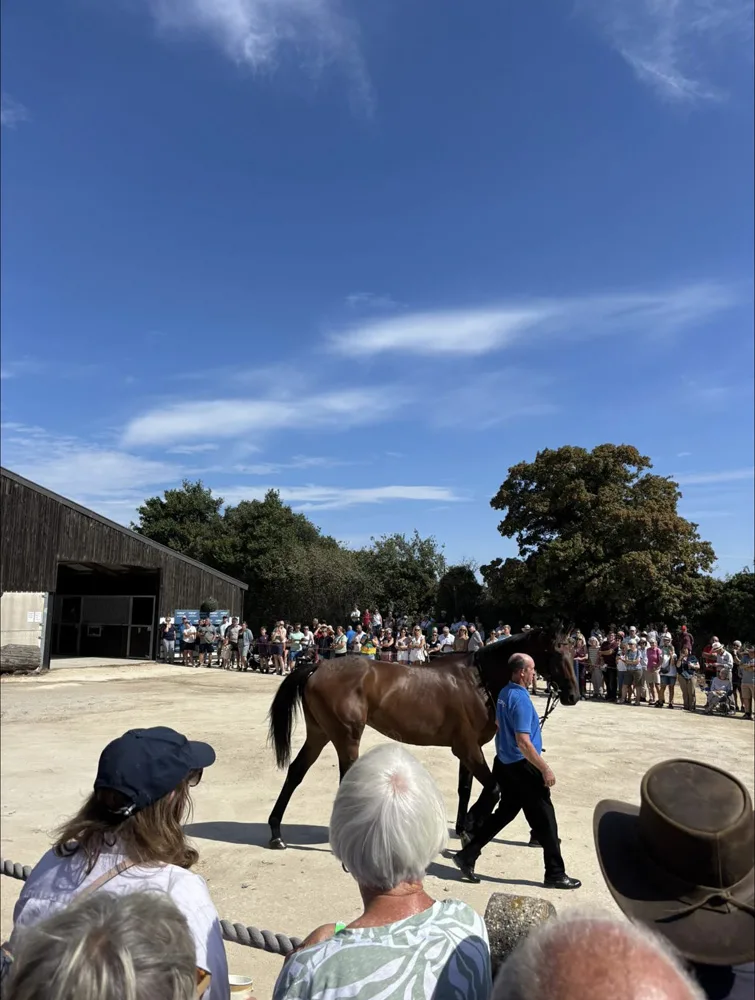
We’re back into the swing of the season now, and it all kicked off in style with our Open Day. The sun shone, around 500 people turned up, and we’ve raised an extra £4,000 for Breakthrough T1D the diabetes charity with the GoFundMe – it was a brilliant day. Everyone seemed to enjoy themselves, and we had great feedback. The GoFundMe is still open, if anyone wants to add to the pot!
All proceeds from the Open Day will go to Breakthrough T1D, a Type 1 diabetes charity – Joe and Rachel Tizzard’s son, Thomas, was diagnosed last year just two days before his second birthday
We’re not quite up and racing just yet – we’re still about a month away from having many runners. That said, it’s been good to see a bit of rain. We’ll need much more yet to get the winter tracks safe and soft enough, but you can finally start to feel the season coming. The horses are stepping up their work now: there’s a real difference in the yard compared to a month ago. We’re approaching our Owners’ Day on 14th September, when they’ll parade and do some jumping work, and that’s always a big milestone for the yard. It marks the start of the serious build-up.
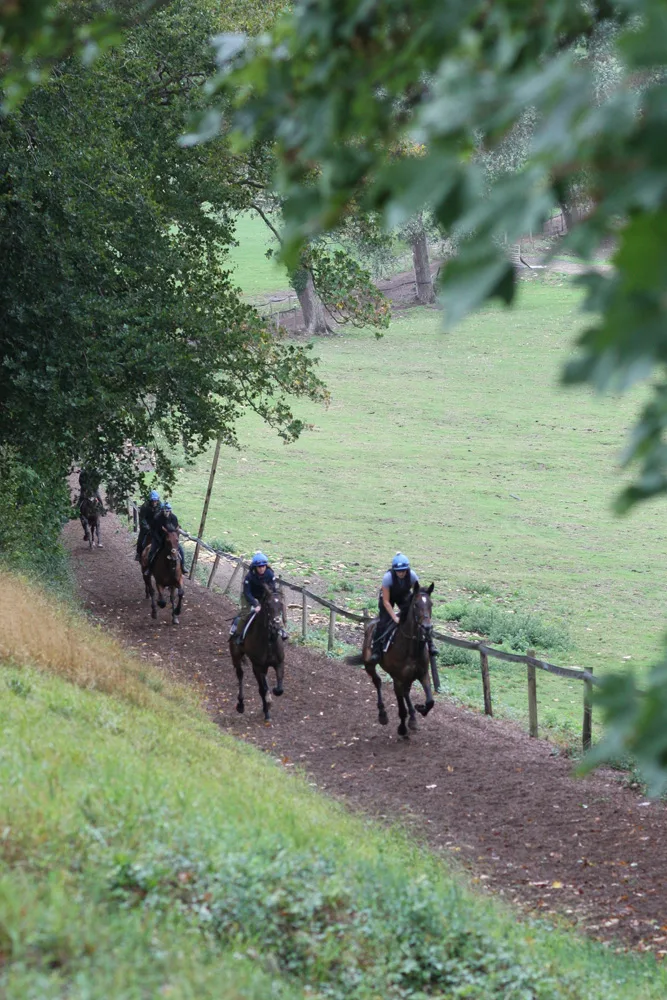
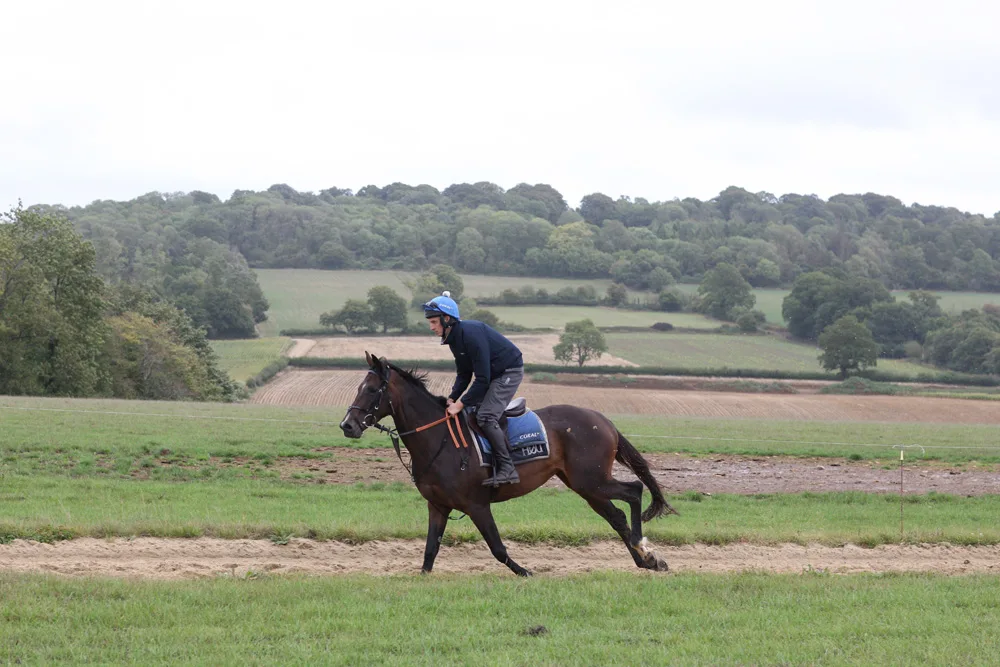
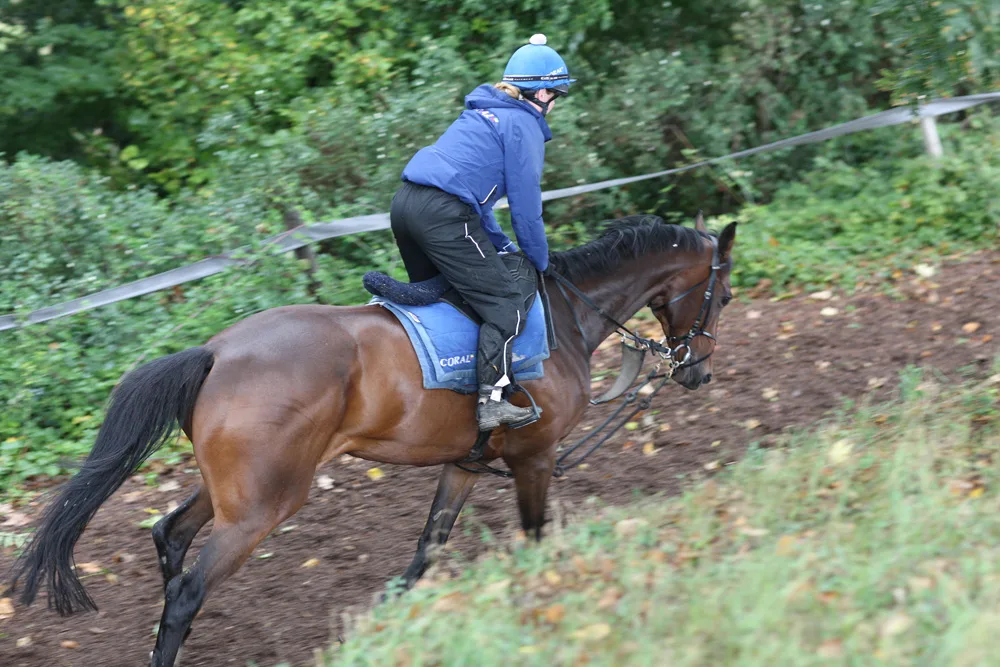
On the gallops in Dorset Tizzards Racing
We’ve got lots of promising types coming through this year – we have 26 unraced horses, or those recently off the point-to-point scene. Most of our new ones are from the Irish point-to-points. Unlike a lot of the English P2P’s, the Irish ones are very commercially run, and they produce some real quality four- and five-year-olds. It’s a model we’ve had good success with previously. Last year we had nine individual novice hurdle winners and five bumper winners – that’s where the future stars start from.
Damp September gallops at Tizzards in Dorset
We ended last season 10th in the Trainers’ Championship, with just over £1 million in prize money – it was a good year, but we had no Grade 1s. So that’s the target we’ve set: another million-plus season, and we’d love to land a Grade 1 too. From the very first runs, you’re always thinking ahead – “could this one be the Cheltenham horse?” We have plenty to look forward to.
More than 500 people attended the Open Day at Tizzards’ Racing Yard
Tracie Beardsley raises a pint glass to one of Dorset’s youngest cider makers – moving an ancient craft into a thriving 21st-century business
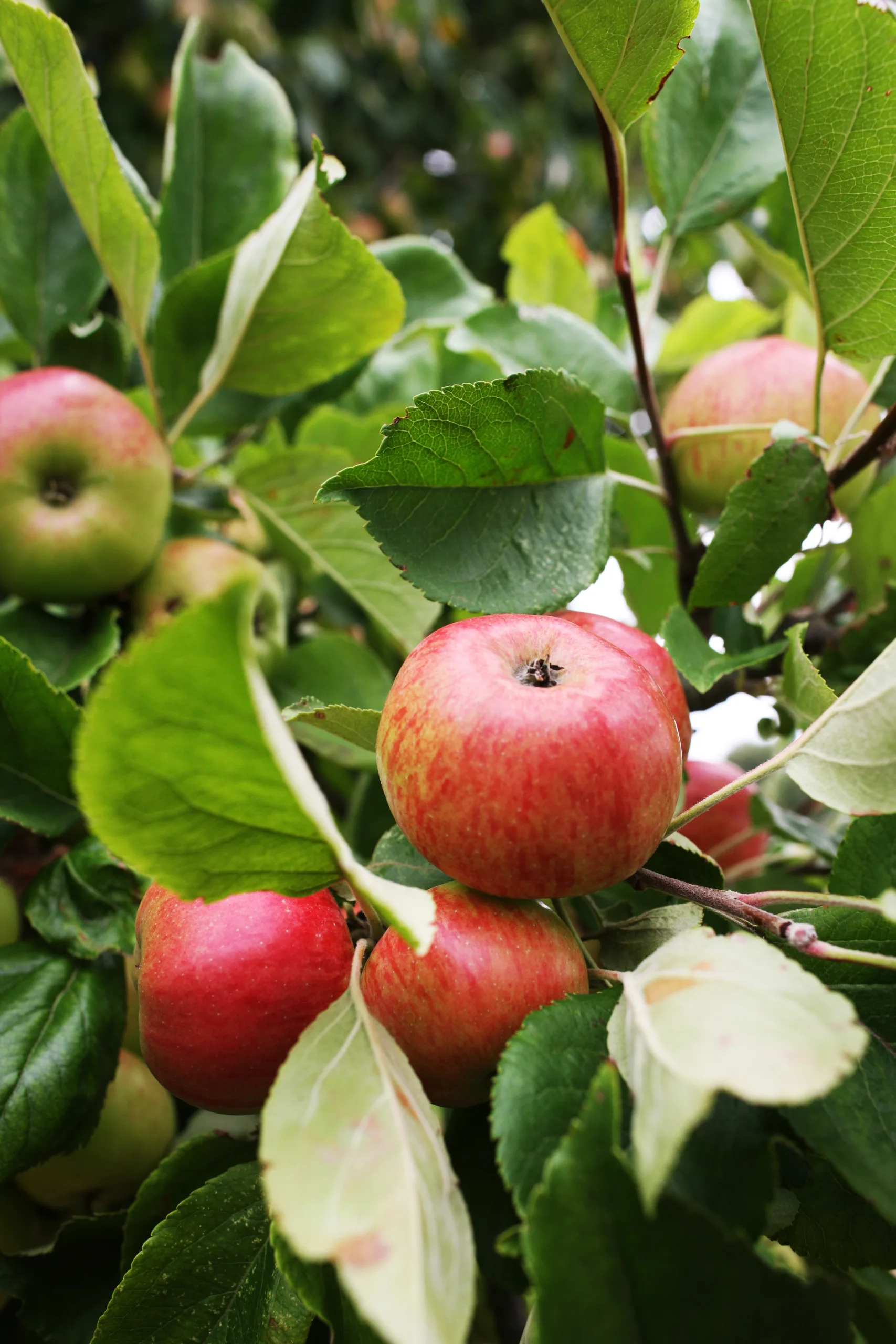
Bill Meaden grows some of Dorset’s rarest vintage apple varieties in his orchards. All images: Courtenay Hitchcock The BV
While his schoolmates were scrumping apples for fun, a 15-year-old Bill Meaden was carefully hand-picking them and taking the first steps to running his own craft cider business. Along side his father Simon – a third-generation Dorset farmer – Bill recalls trips with his father, Simon – a third-generation Dorset farmer – to the Square and Compass at Worth Matreavers, where the duo made their early batches of ‘liquid gold’. ‘Apples on the ground are such a waste, so we’d harvest from unused orchards on the Rushmore Estate and dabble in cider making,’ says Simon. Bill got the cider-calling so strongly that when travelling the world as a college-leaver, he ached for the taste of home: ‘A lot of countries don’t make cider’, he says. ‘I realised how special our long cider heritage is, especially here in Dorset.’
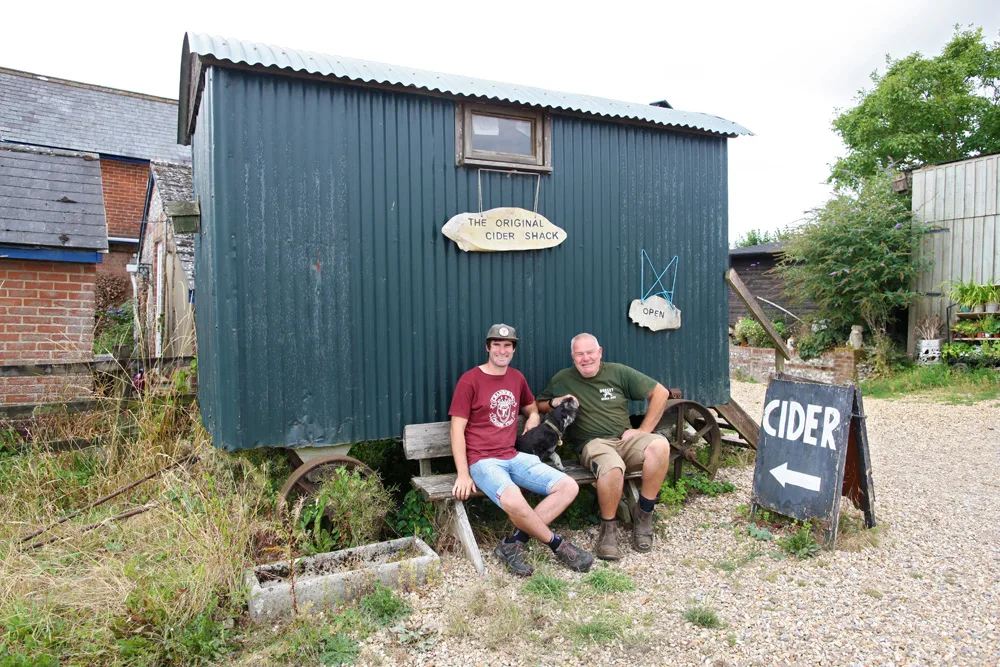
Bill Meaden (left) with dad Simon outside the original Cider Shack – now a pop-up cider bar All images: Courtenay Hitchcock The BV
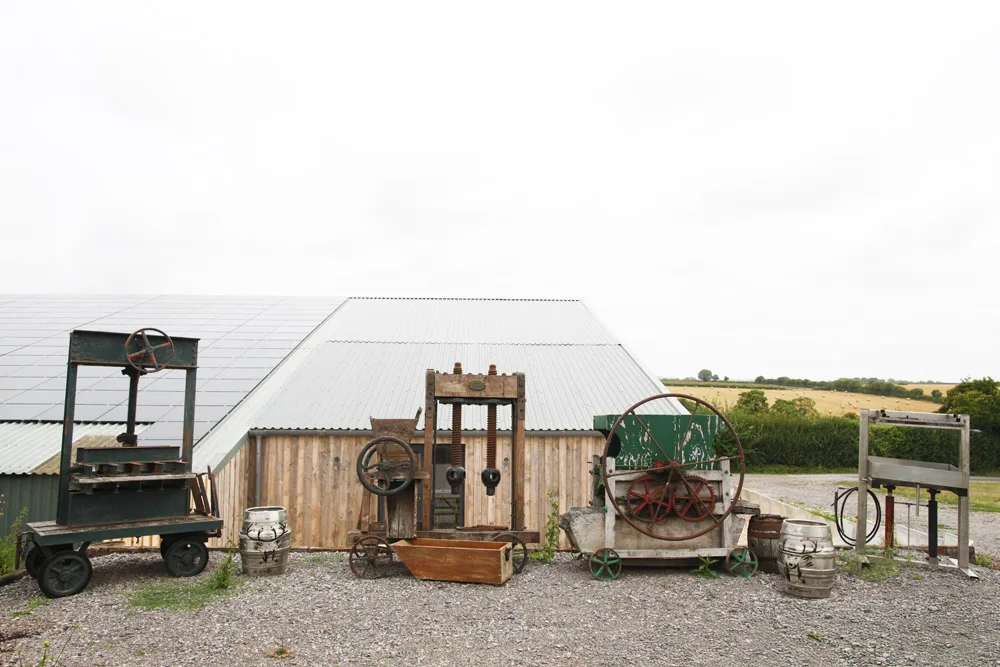
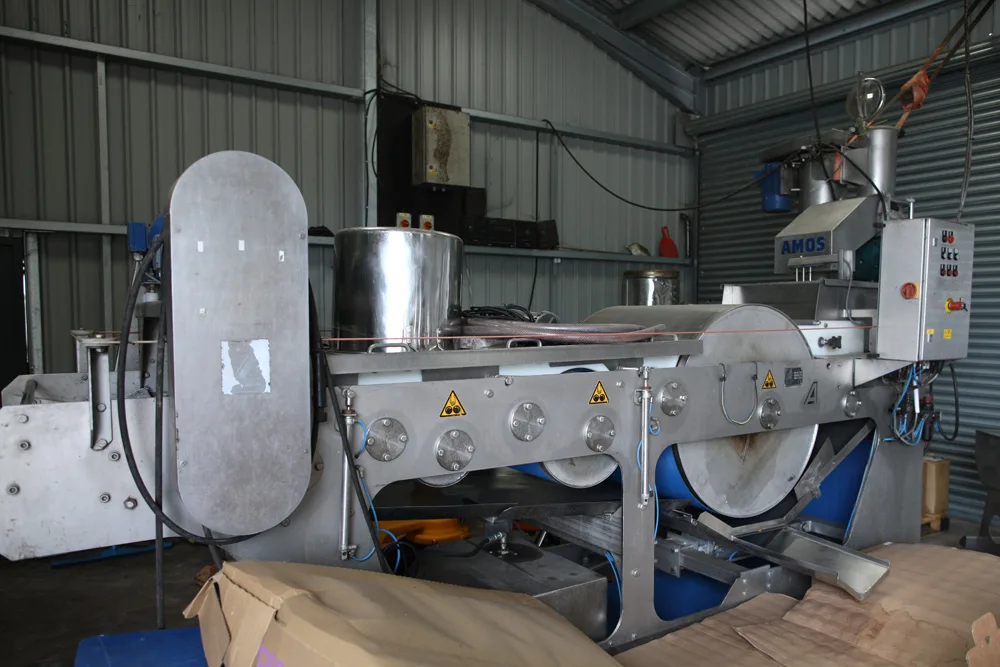
Cider-making in Dorset is recorded as far back as the 13th century: the Blackmore Vale was home to prolific cider producers in the 1700s. Buoyed with enthusiastic, entrepreneurial spirit, he returned home at the age of 19 and juggled working as a metal fabricator with a part-time job as a brewer at Sixpenny Brewery, while making his own cider at weekends. ‘I was a young man enjoying an artisan pursuit that is dominated by older people … but they were all so generous in sharing their knowledge with me, for which I’m forever grateful,’ he says. Bill’s first cider press was thanks to his metalworking skills – a handmade hydraulic press, powered by the farm tractor. Today, it stands redundant outside the modern cider processing barn, framed by the new orchards Bill himself has planted – it’s a visual timeline of how his labour of love has ripened in 14 years. Inside, a huge, second-hand industrial press processes up to 100 tonnes of fruit in three months. Apples are riddled, washed, milled and pressed into award-winning still cider, apple juice, and the sparkling new hit – Dorsecco. ‘We couldn’t resist jumping on the prosecco bandwagon,” he says. ‘No two ciders are ever the same,’ says Bill. ‘Even with the same apple trees – the yeast, soil and weather all play a role. The old whisky barrels we use to store the vintage cider influence the taste, too. ‘Every batch is unique. That’s the magic.’
Bill’s first homemade cider press now sits unused outside the modern pressing barn – a visual timeline of the growth of the business All images: Courtenay Hitchcock The BVThe huge, second-hand industrial press processes up to 100 tonnes of fruit in three months. All images: Courtenay Hitchcock The BV
Family business Cranborne Chase Cider is run by the whole Meaden clan. It’s all-hands-to-the-orchards for harvesting, then back to the farm for processing, fermenting, barrelling and packaging. Around the big farmhouse table, the family tastes the latest batches of cider.Bill’s mum Denise helps design the packaging labels and runs the farm’s shepherd’s hut guest accommodation. The cider shop itself is a converted hut. The basic rule there is ‘anyone home answers the bell!’
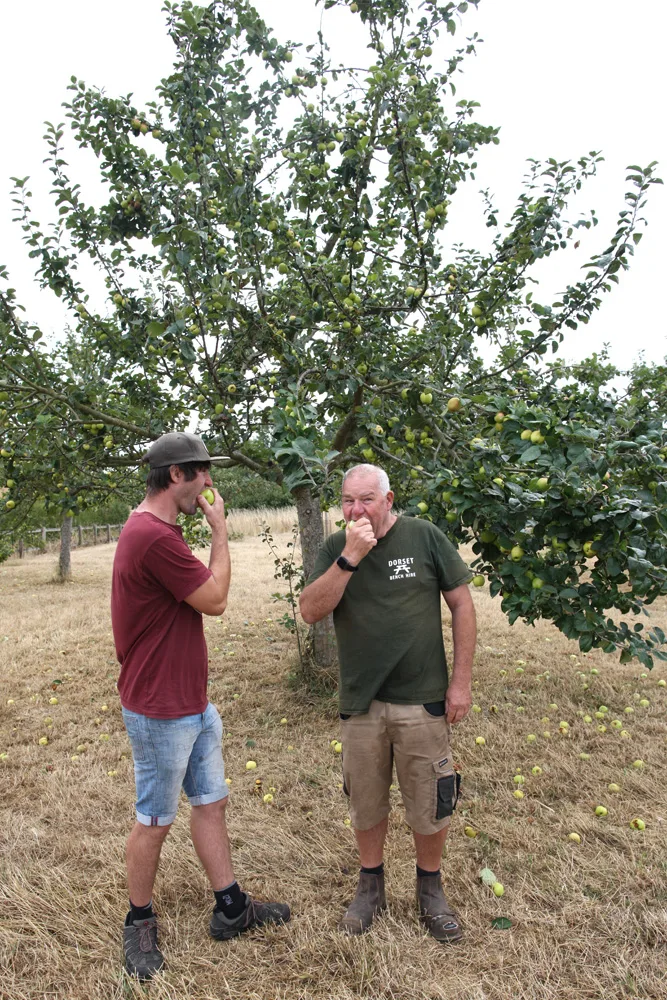
Contrary to popular belief, some cider apples make very tasty eaters! All images: Courtenay Hitchcock The BV
Simon farms arable crops and also runs a bench hire business – if you’ve been to one of our local country shows, you’ve probably sat on one of them. Bill’s wife Orla, a solicitor, handles the paperwork and at weekends helps run the pop-up Cider Shack – another converted shepherd’s hut which is a popular presence at local country shows.
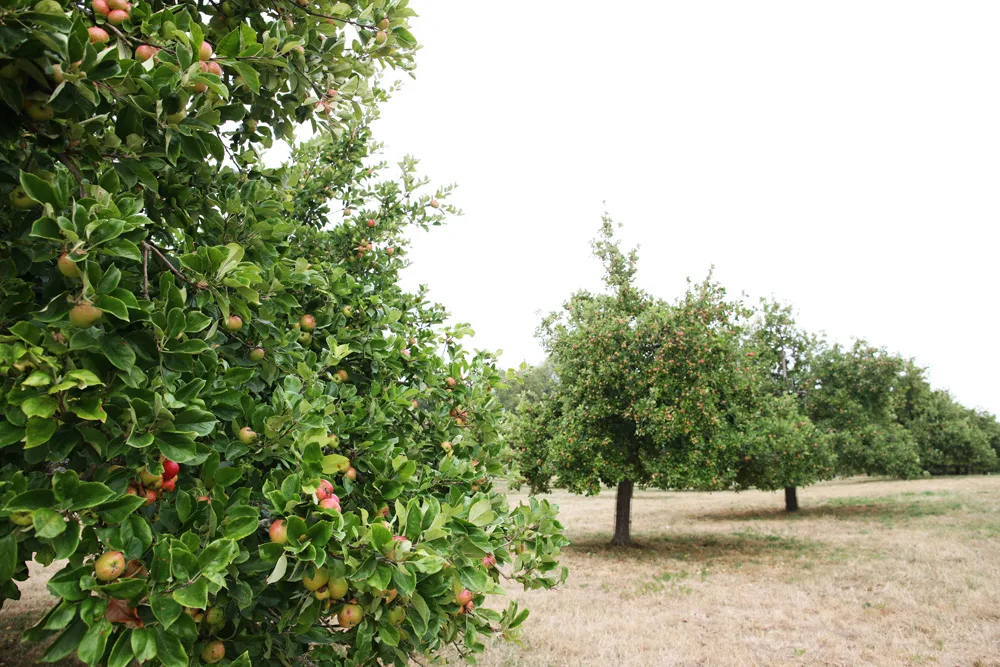
In the orchards that Bill has planted. All images: Courtenay Hitchcock The BV
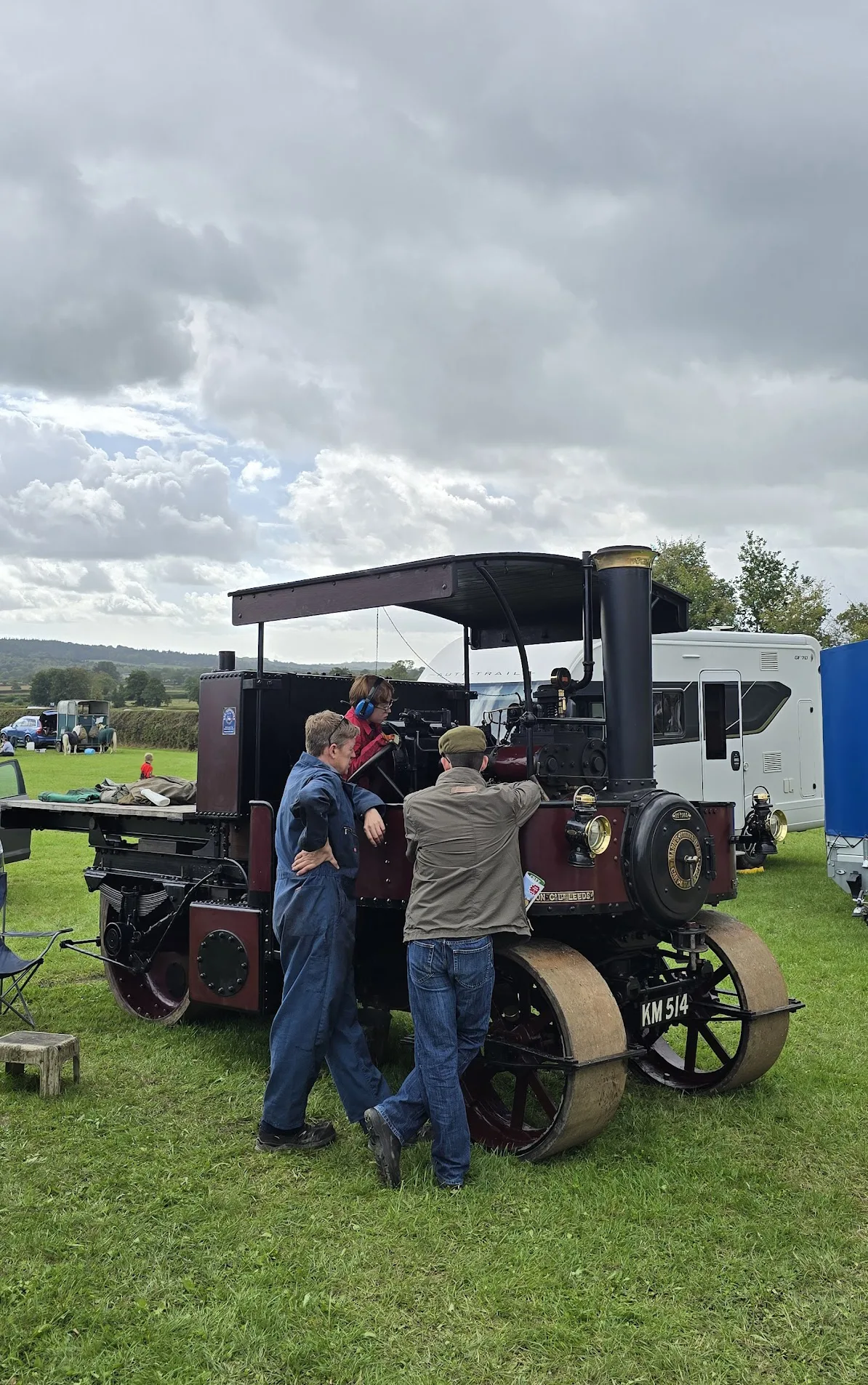
And if the family hasn’t got enough to do managing around 2,000 apple trees across 20 orchards, they also run Last of the Summer Cider – a music and cider festival. It takes place on their farm during September and visitors can expect DJs, live music, steam engines, cider-pressing demos, ferret racing, blacksmithing, crafts and pottery.
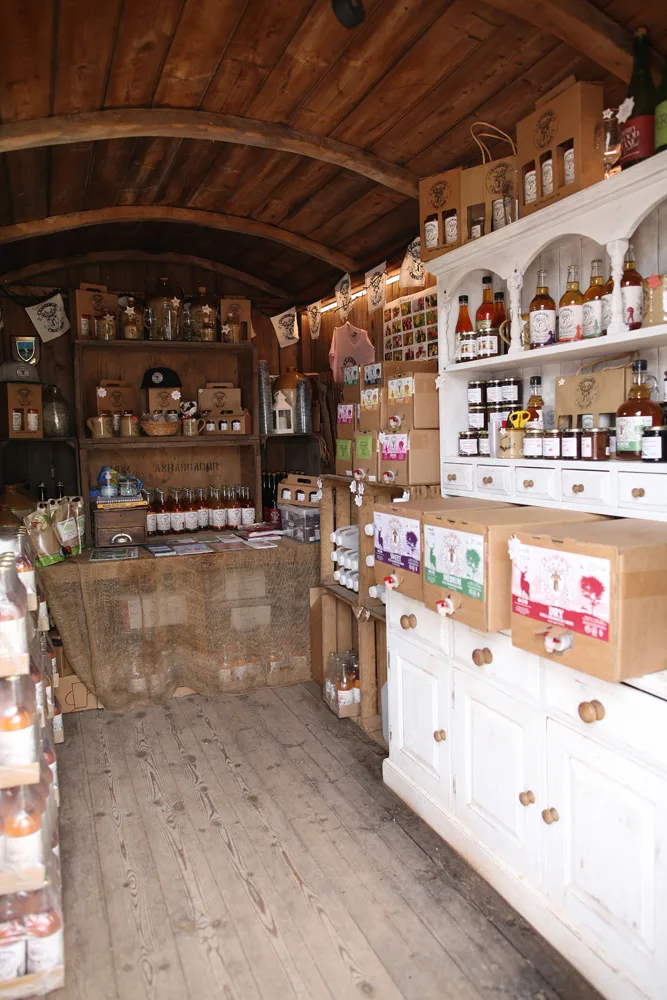
Cranborne Chase Cider Shop: the family rule is ‘anyone home answers the bell!’ All images: Courtenay Hitchcock The BV
Simon says: ‘We nearly lost everything as pig farmers – it was a wake-up call to spread risks by diversifying. The cider business has allowed Bill to pursue his passion and has also presented other opportunities for the farm.’ Growth, resilience, diversification … but Bill determinedly stays hands-on. ‘I love working with the trees, harvesting, pruning and making cider. The orchard is a magical place for me and has been ever since I was a kid – woodpeckers in winter, skylarks in spring, the bees and the beautiful blossom … I never want to lose that connection with nature.’
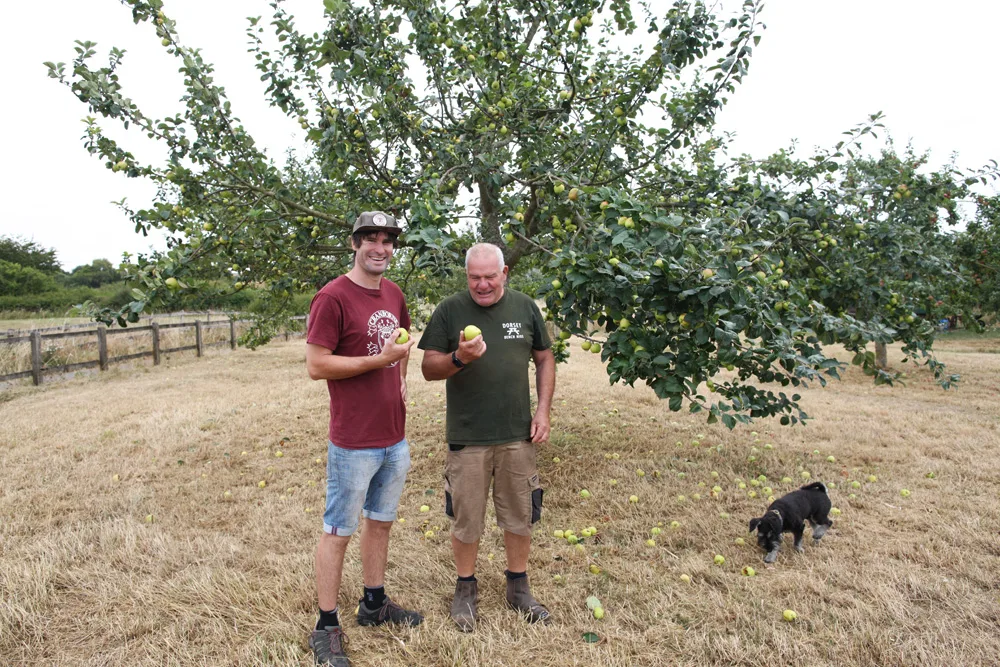
Bill and Simon Meaden Cranborne Cider. All images: Courtenay Hitchcock The BV
Quickfire questions for Bill: Books by your bedside? I’ve got a classic Mini – after cider, the classic Mini is my passion – so there’s a lot of Mini magazines. And lots of orchard management and apple varieties guides … Also books by Liz Copas and Nick Poole – they set up the Dorset Apple Tree Analysis Project (DATA) to create a true Dorset cider from Dorset cider apple varieties. They searched out the remnants of traditional orchards across Dorset to save our old varieties. My inspiration! I grow some of those rare varieties in my own orchards.
Who would you like to drink cider with? Some of the characters we’ve named our cider after: General Pitt Rivers – to understand more about the Rushmore Estate orchards he planted. And Isaac Gulliver, Dorset’s most famous smuggler. I’m sure he’d love to know a cider has been named after him.
Local teen Alfie A I has become the youngest player ever to represent Dorset’s Men’s First team, making his county debut just days after his 16th birthday. The record had previously stood with Scott Currie, who has since gone on to play for Hampshire and in The Hundred.
Alfie has been part of Dorset Cricket’s Emerging Players Programme since the age of 13, receiving specialist coaching designed to prepare promising young players for County Cricket. His performances there earned him his debut call-up this summer. Next January, Alfie will take the next step in his development when he heads to Australia for a four-month student exchange at Toowoomba Grammar School in Queensland, giving him the chance to hone his game in the country’s competitive cricketing culture. Alfie joined Bryanston on a sports scholarship in 2022, where he combines his cricket with rugby and strength and conditioning training. The school’s partnership with Dorset Cricket Ltd has created a training hub that continues to nurture county-level talent.
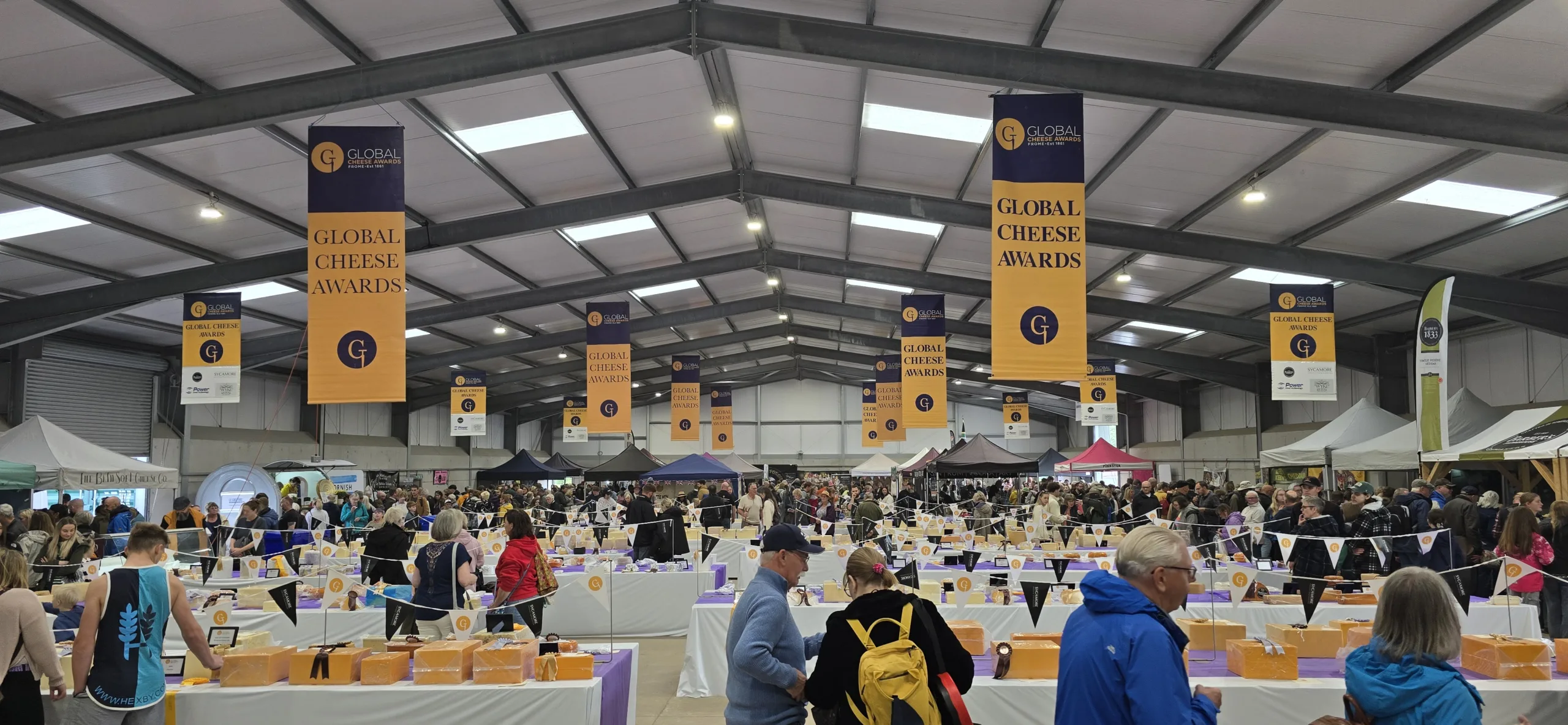
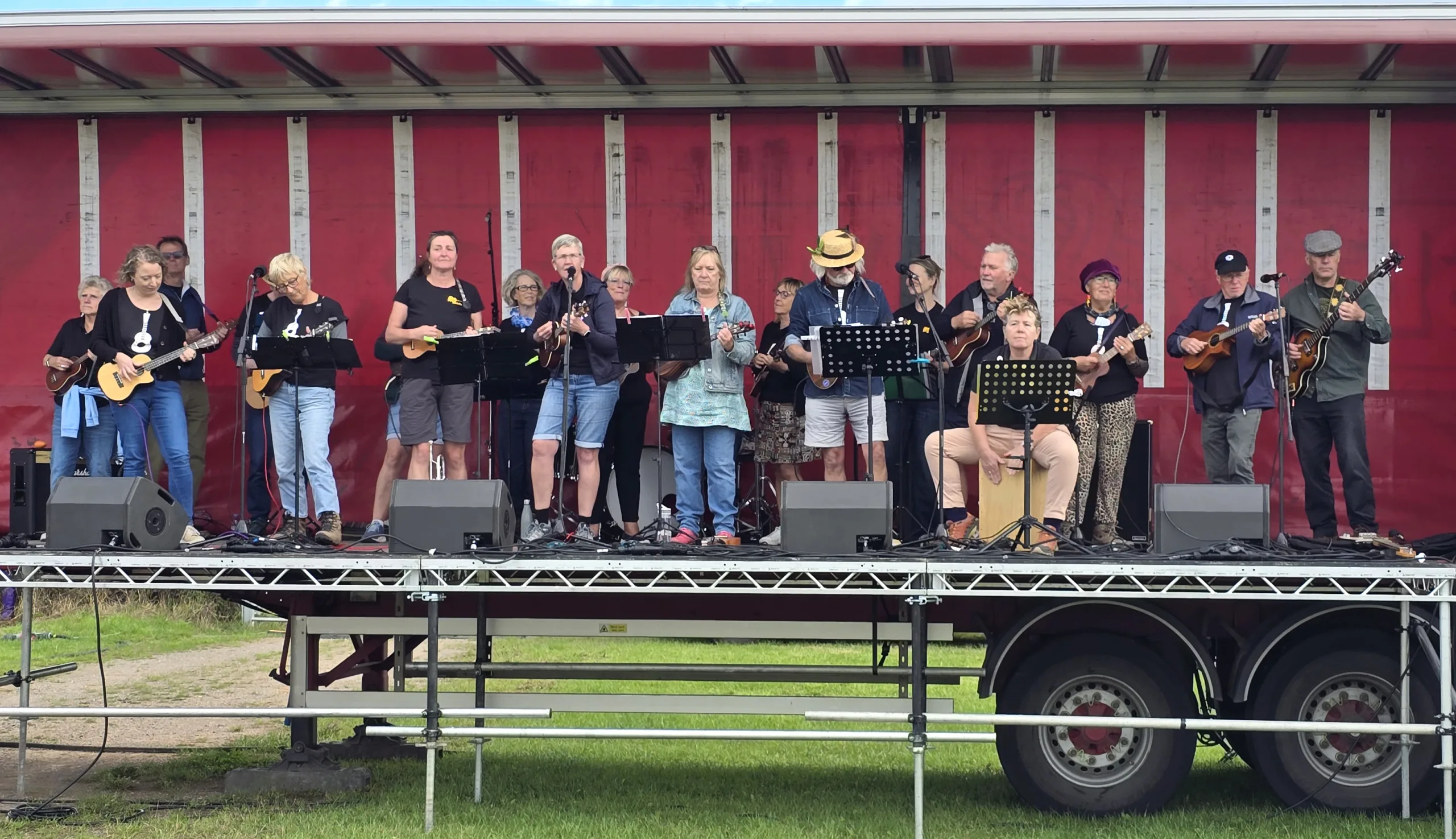
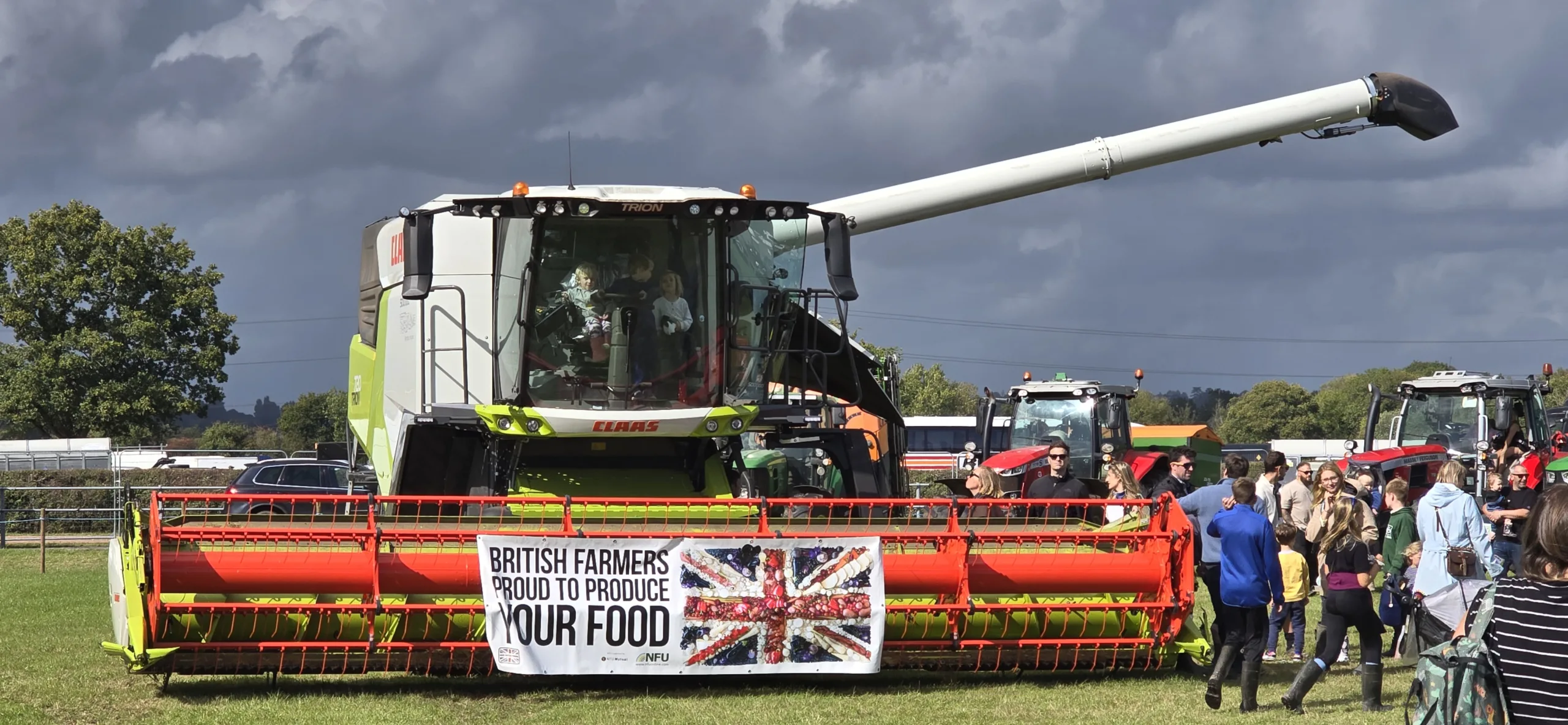
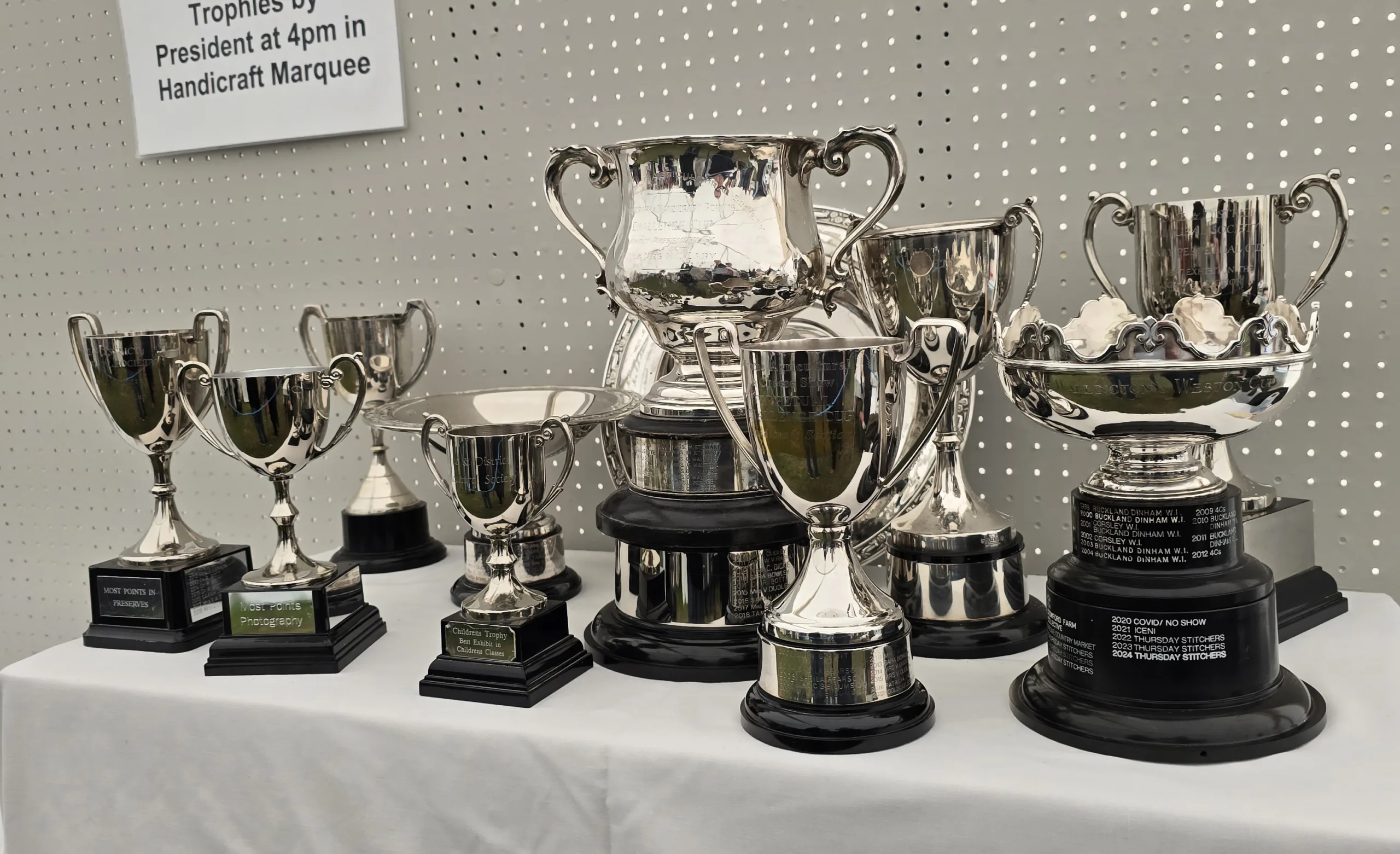
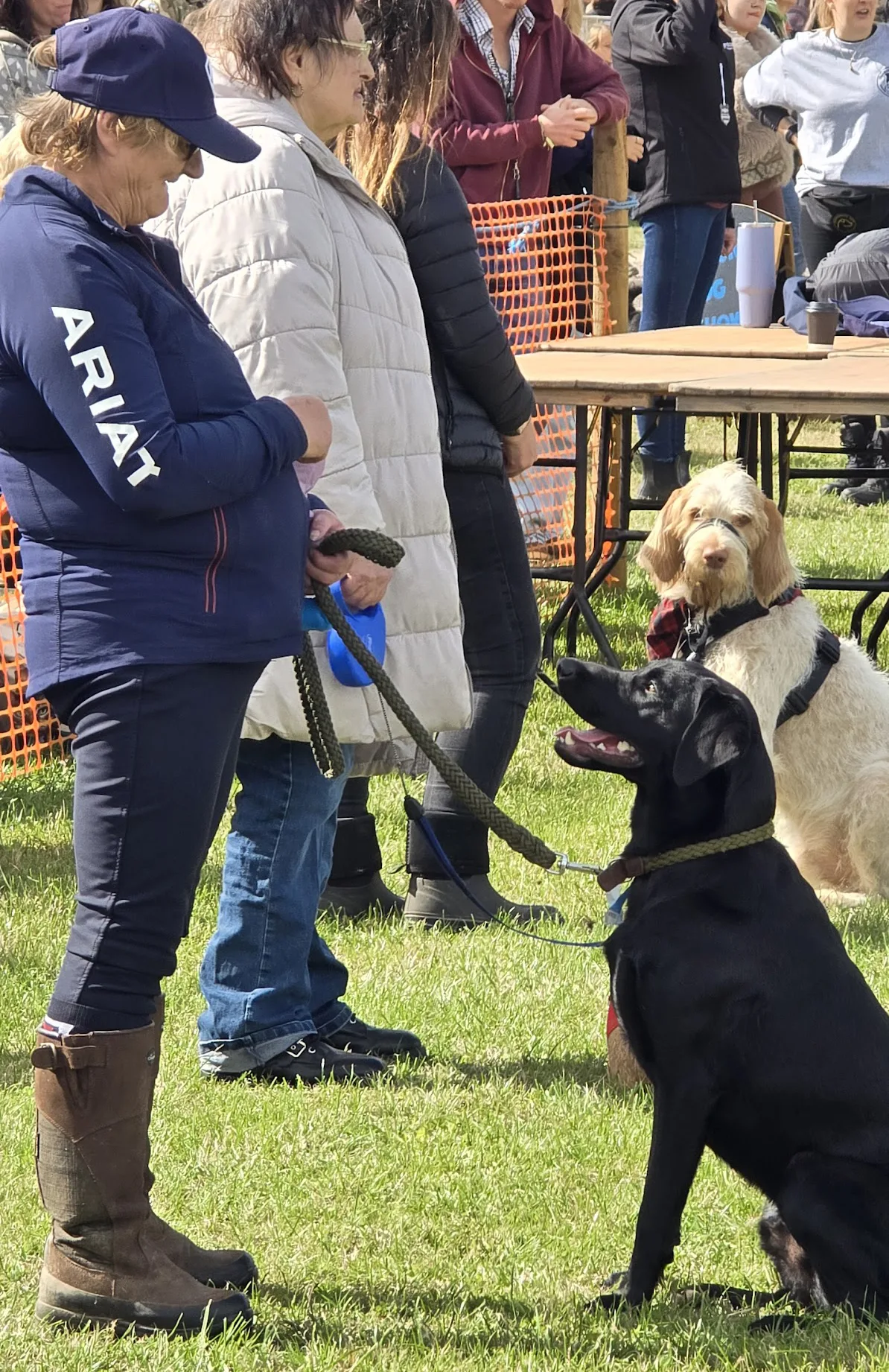
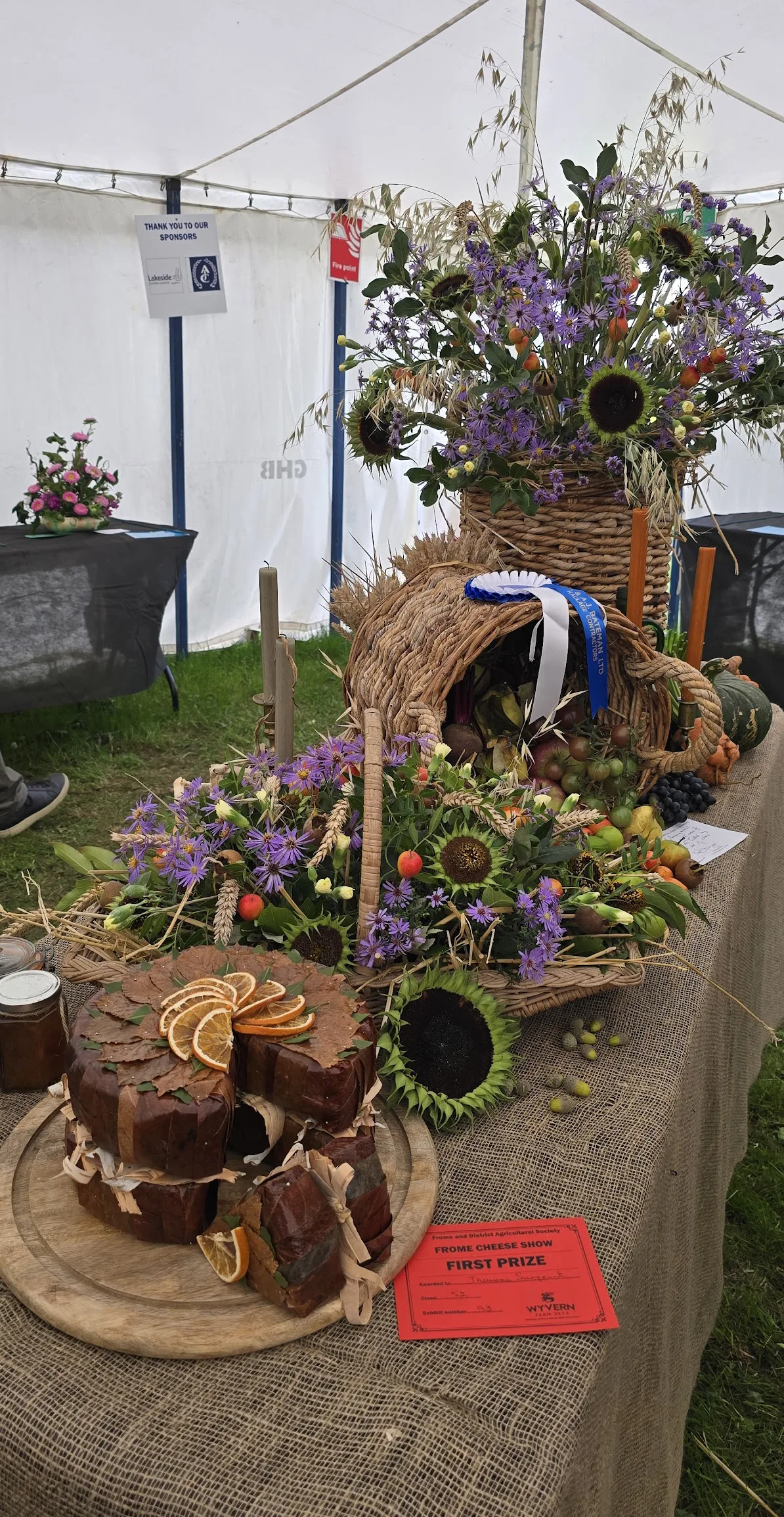
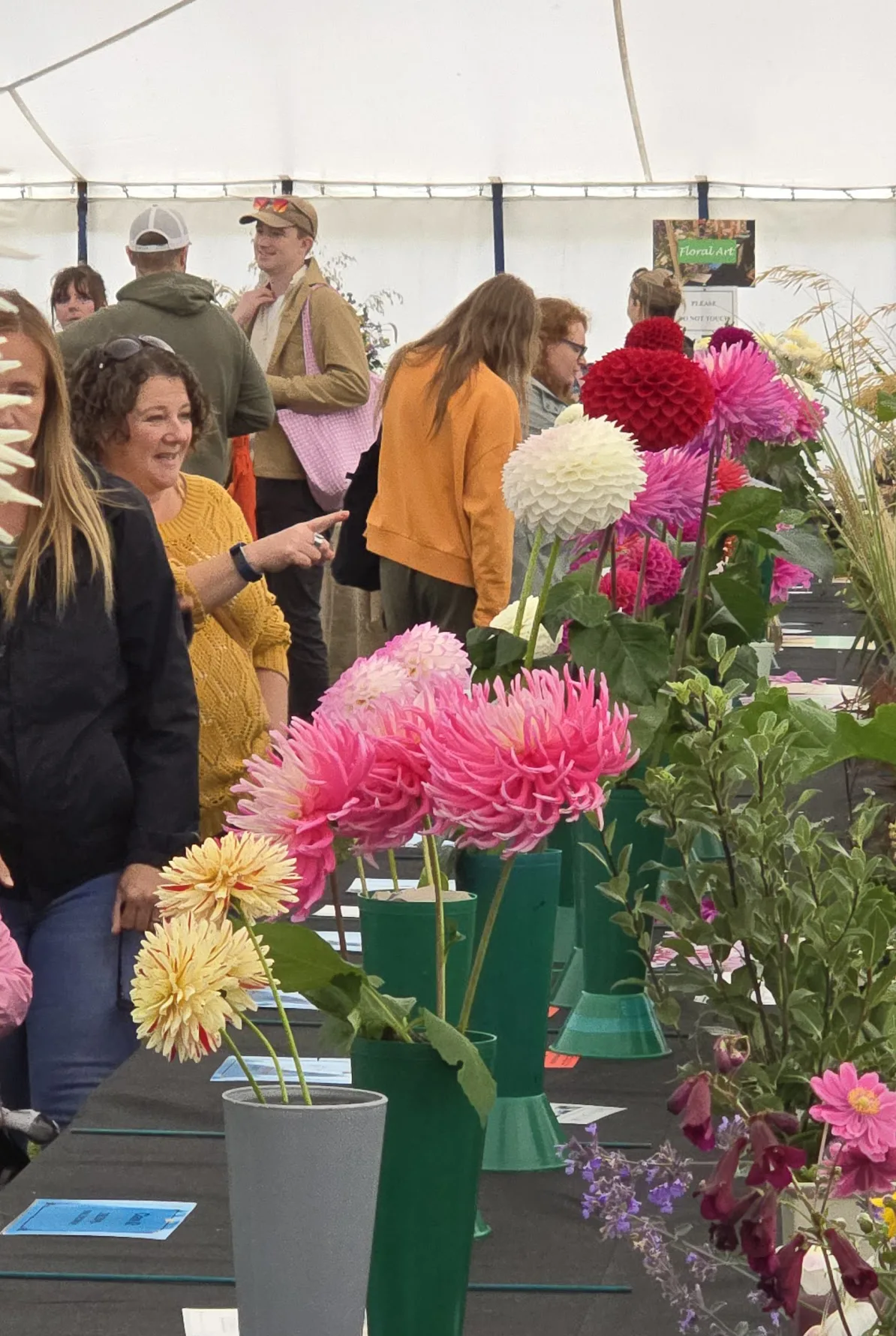
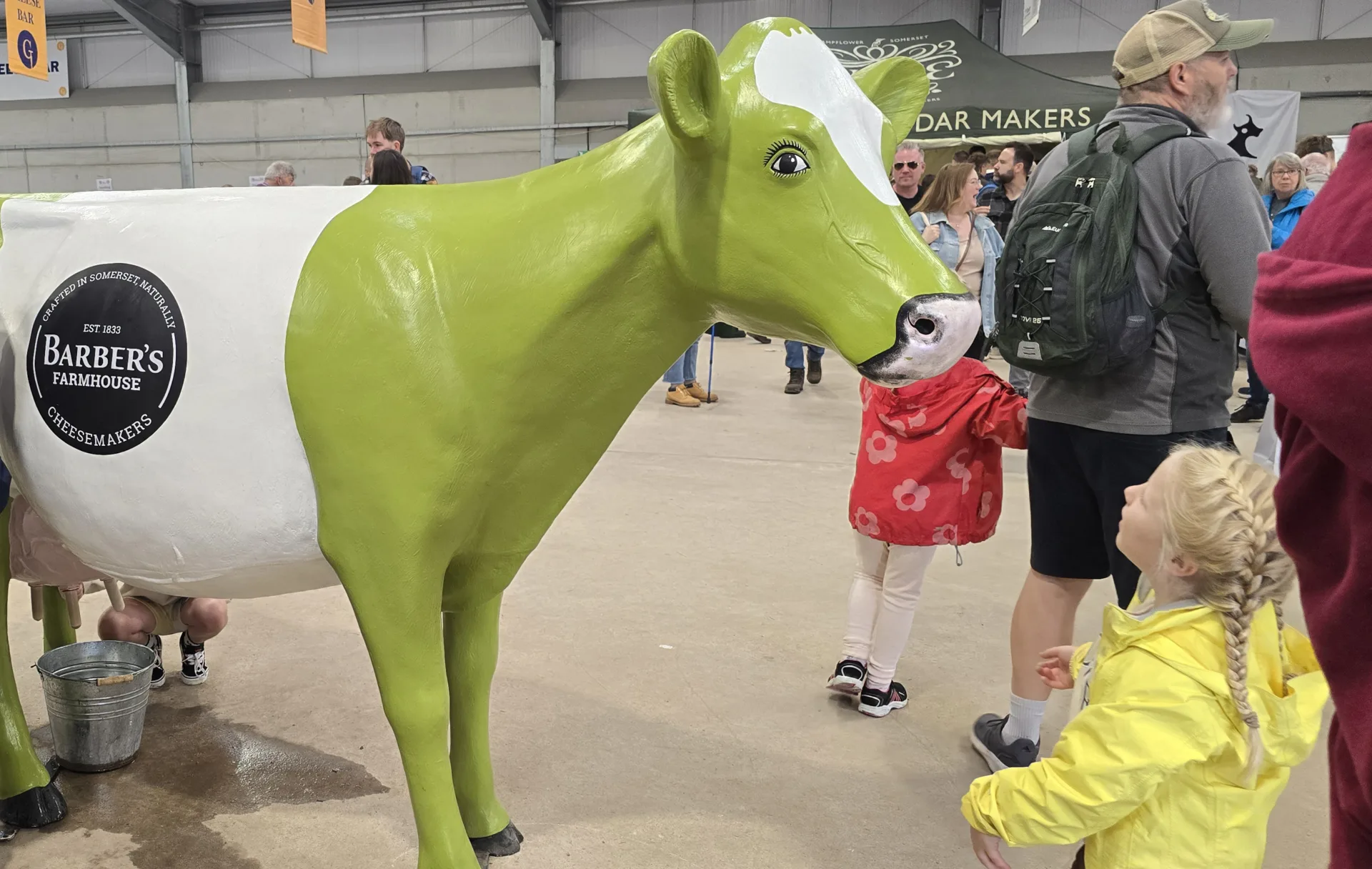
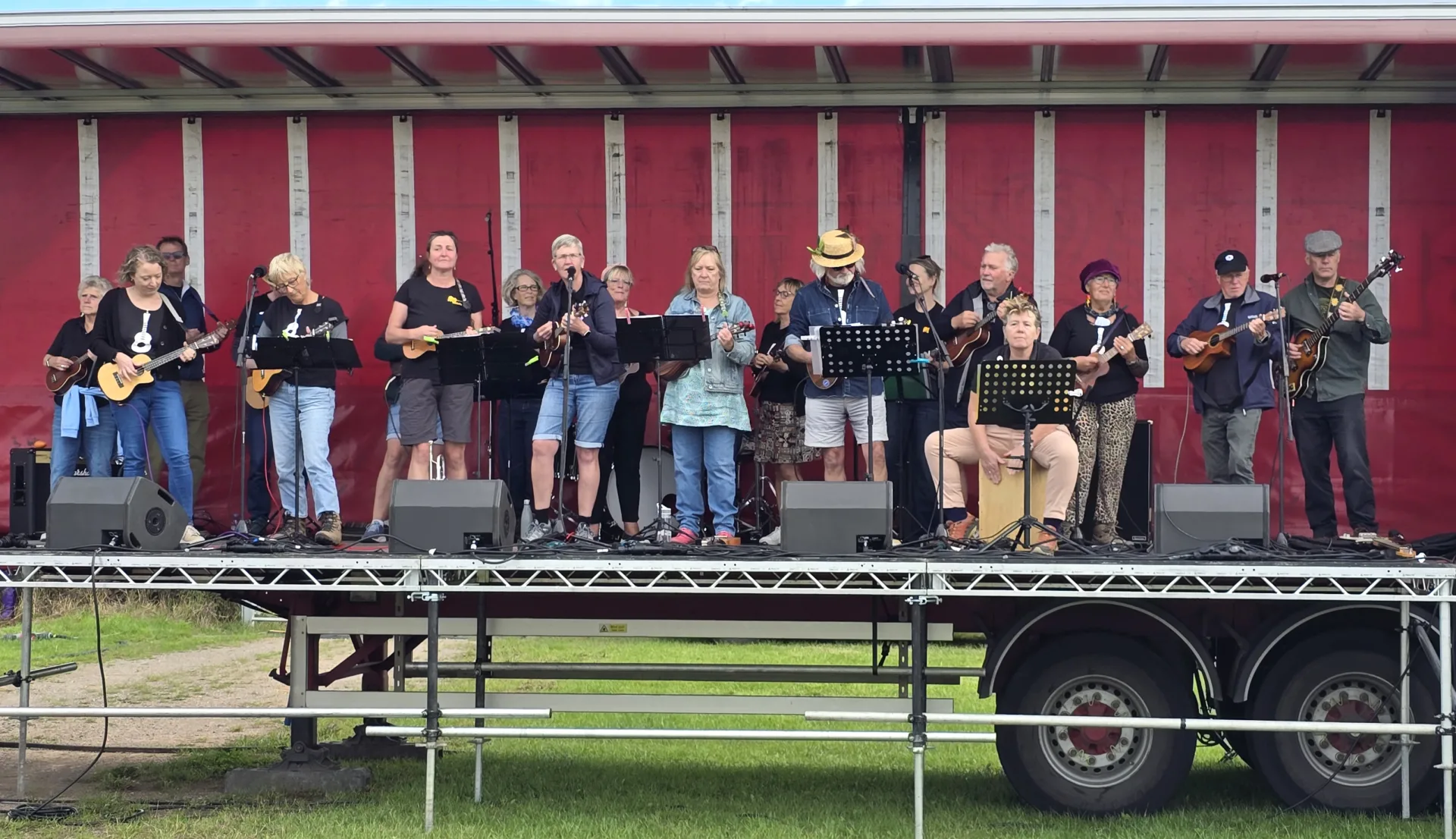
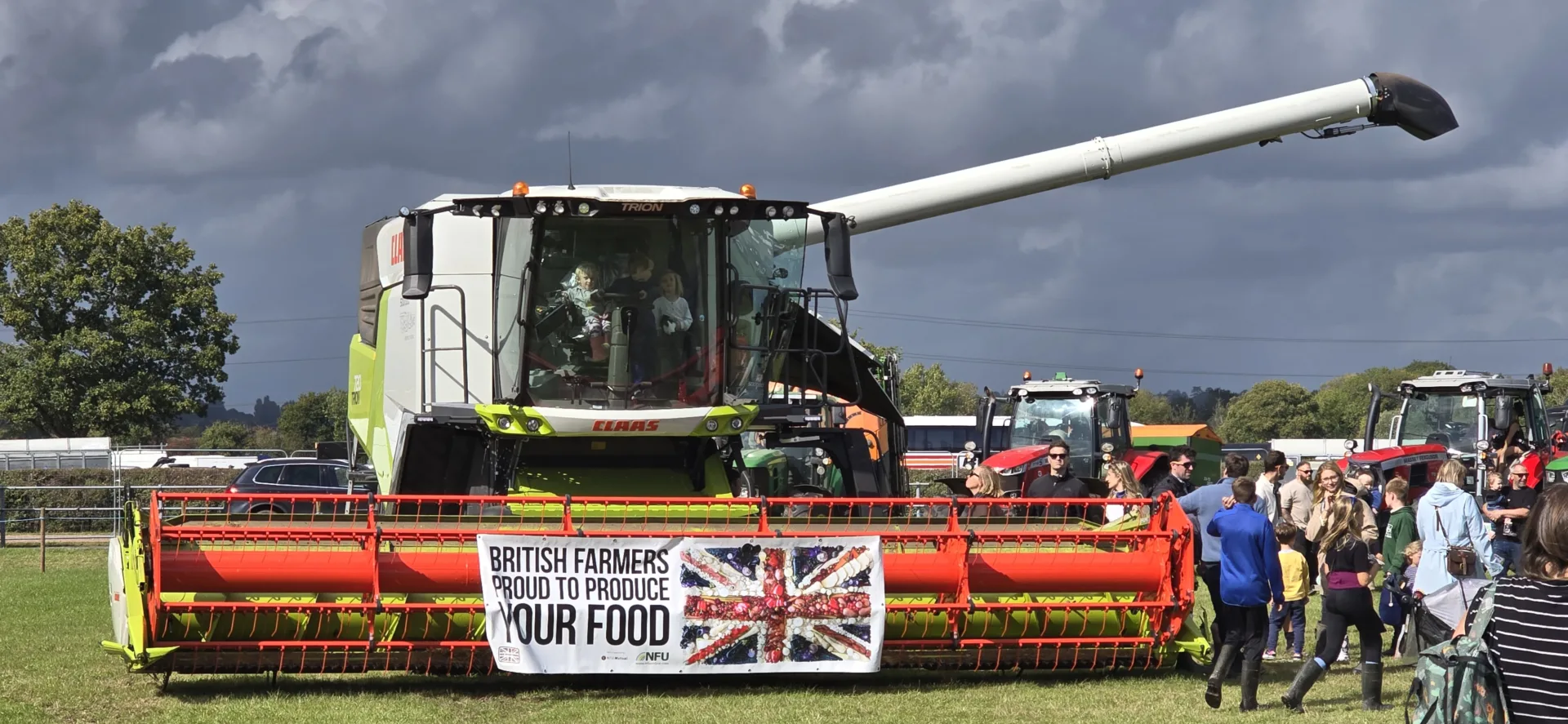
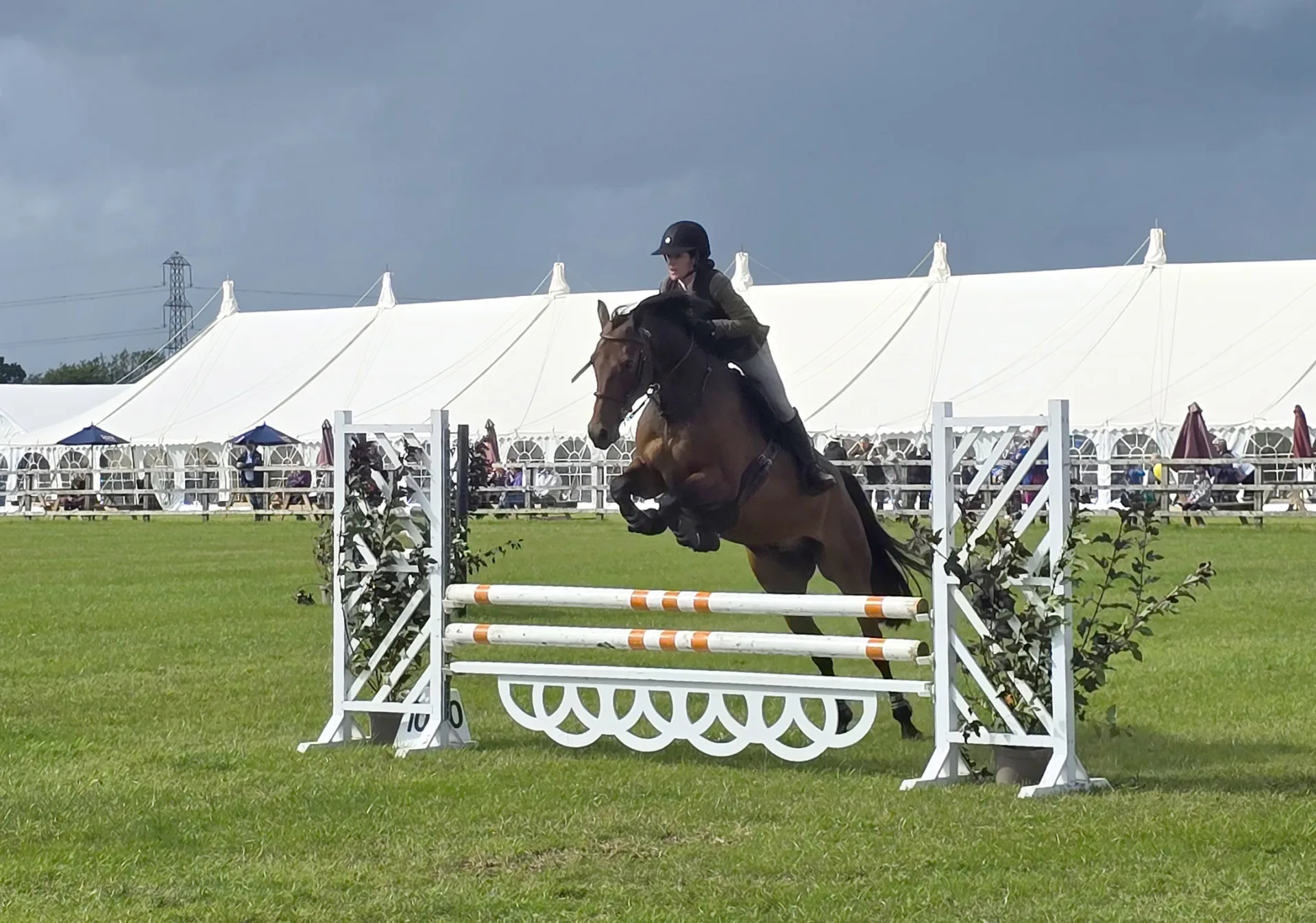
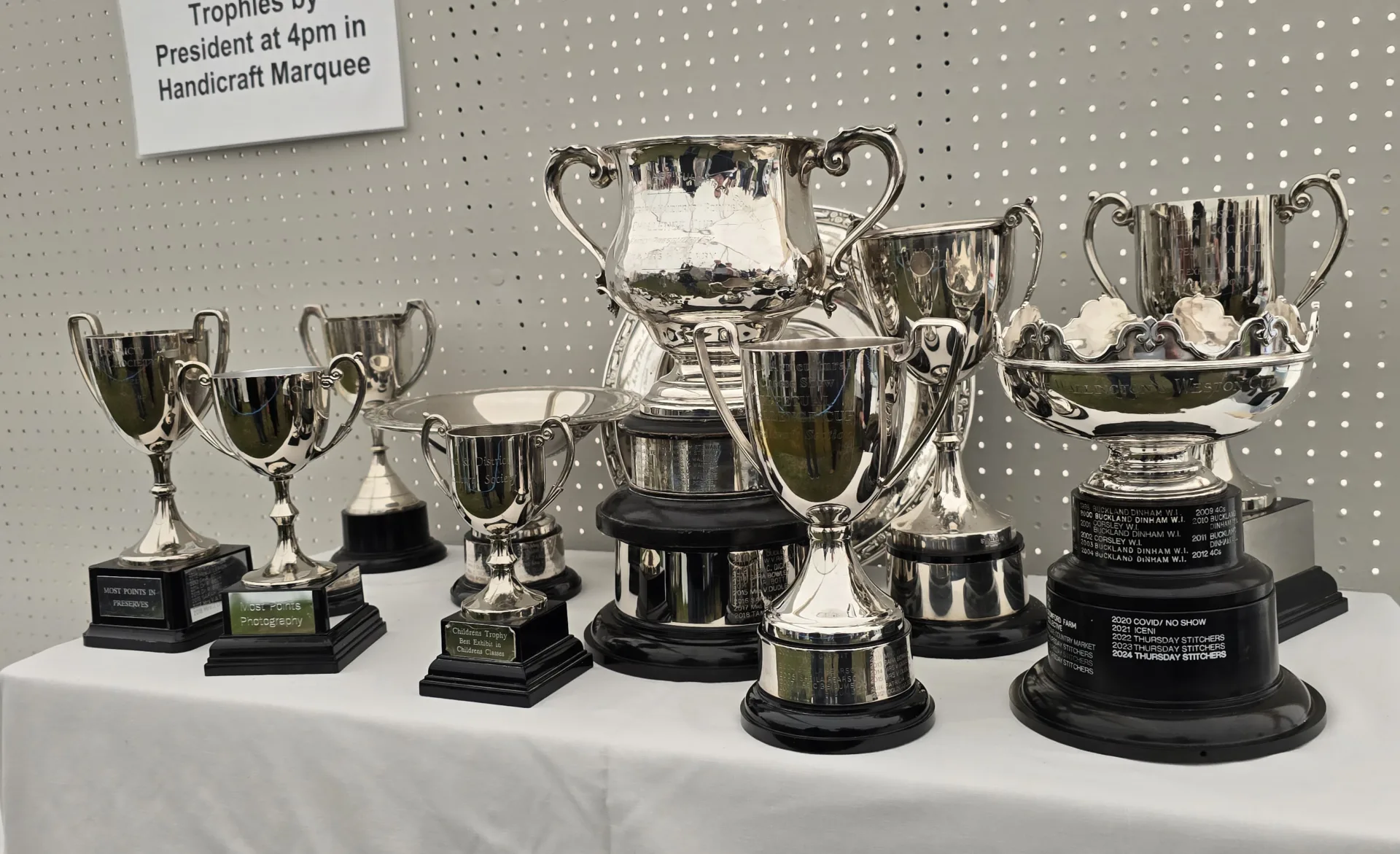
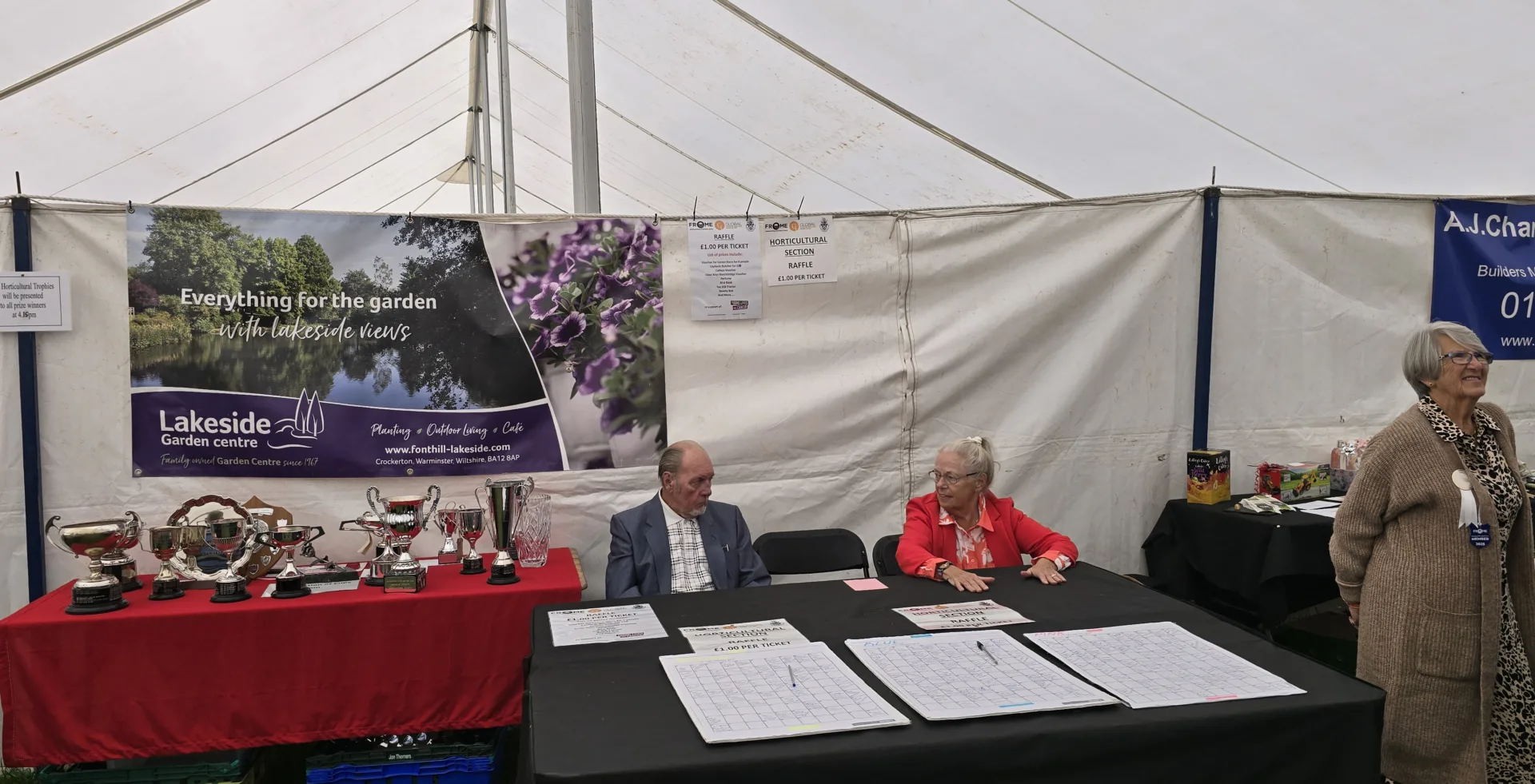
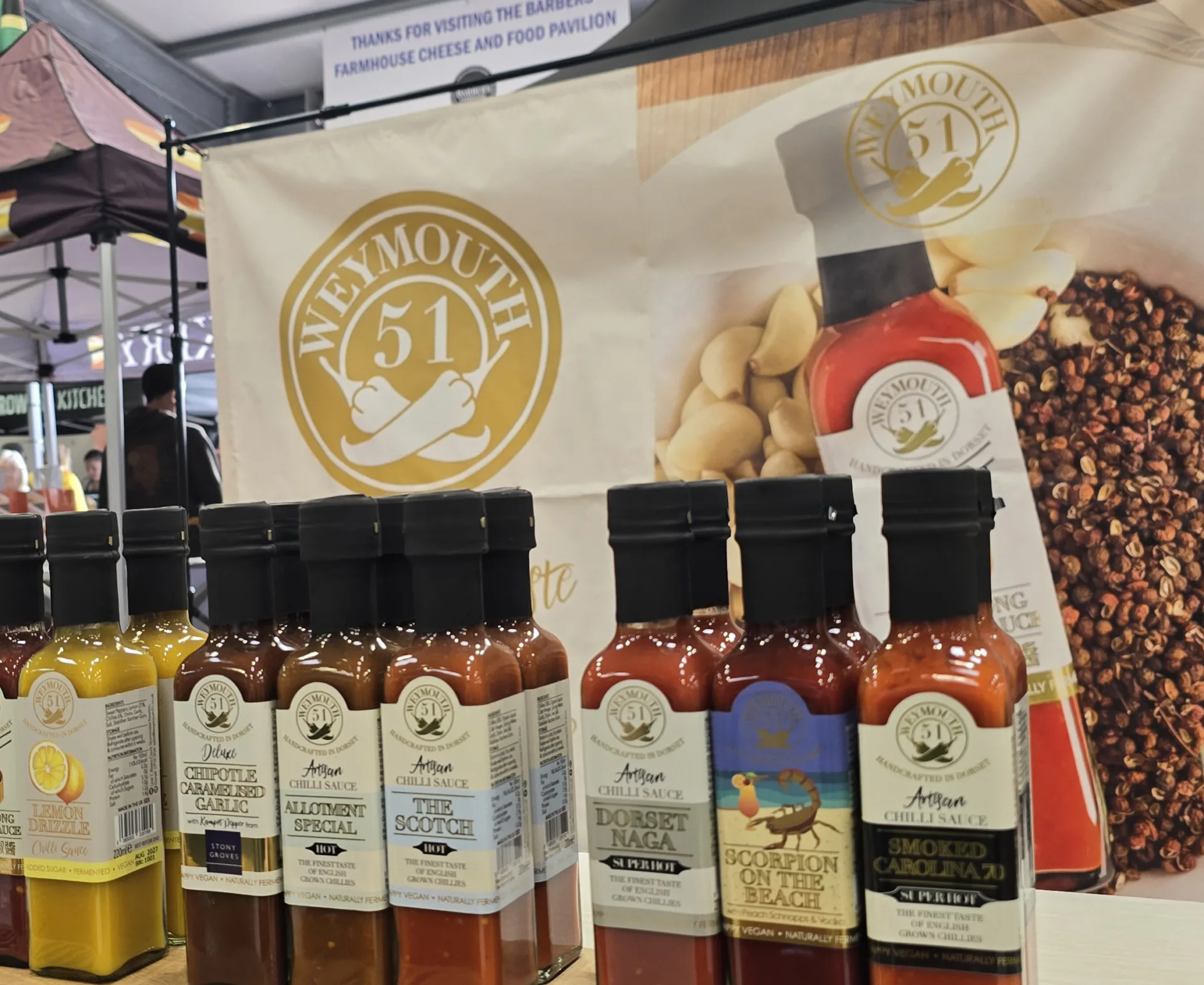
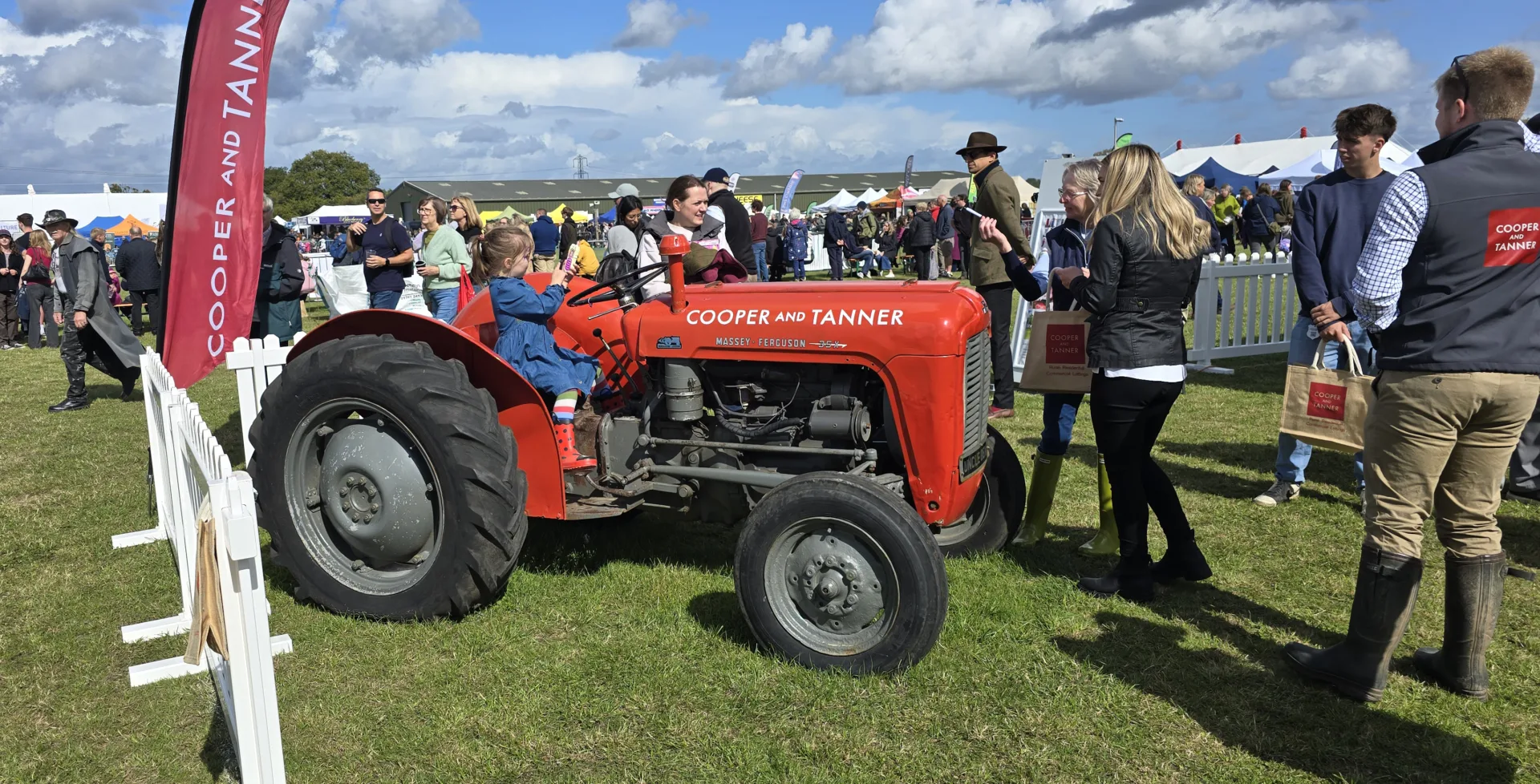
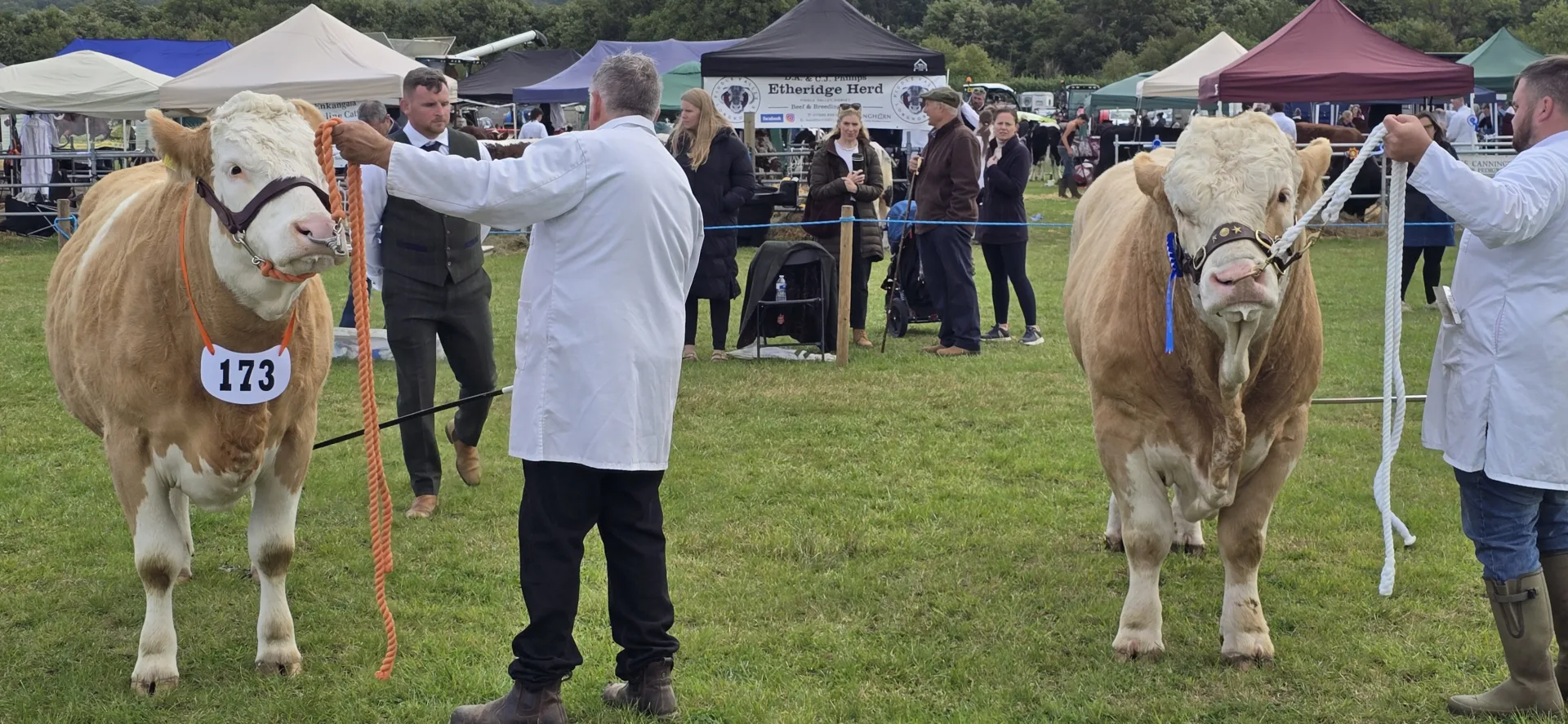
Frome Agricultural & Cheese Show dodged most of the rain this weekend – and when it didn’t, the marquees more than earned their keep. Between the blue skies, sudden showers and bursts of applause, it was a day that captured everything a country show should be.
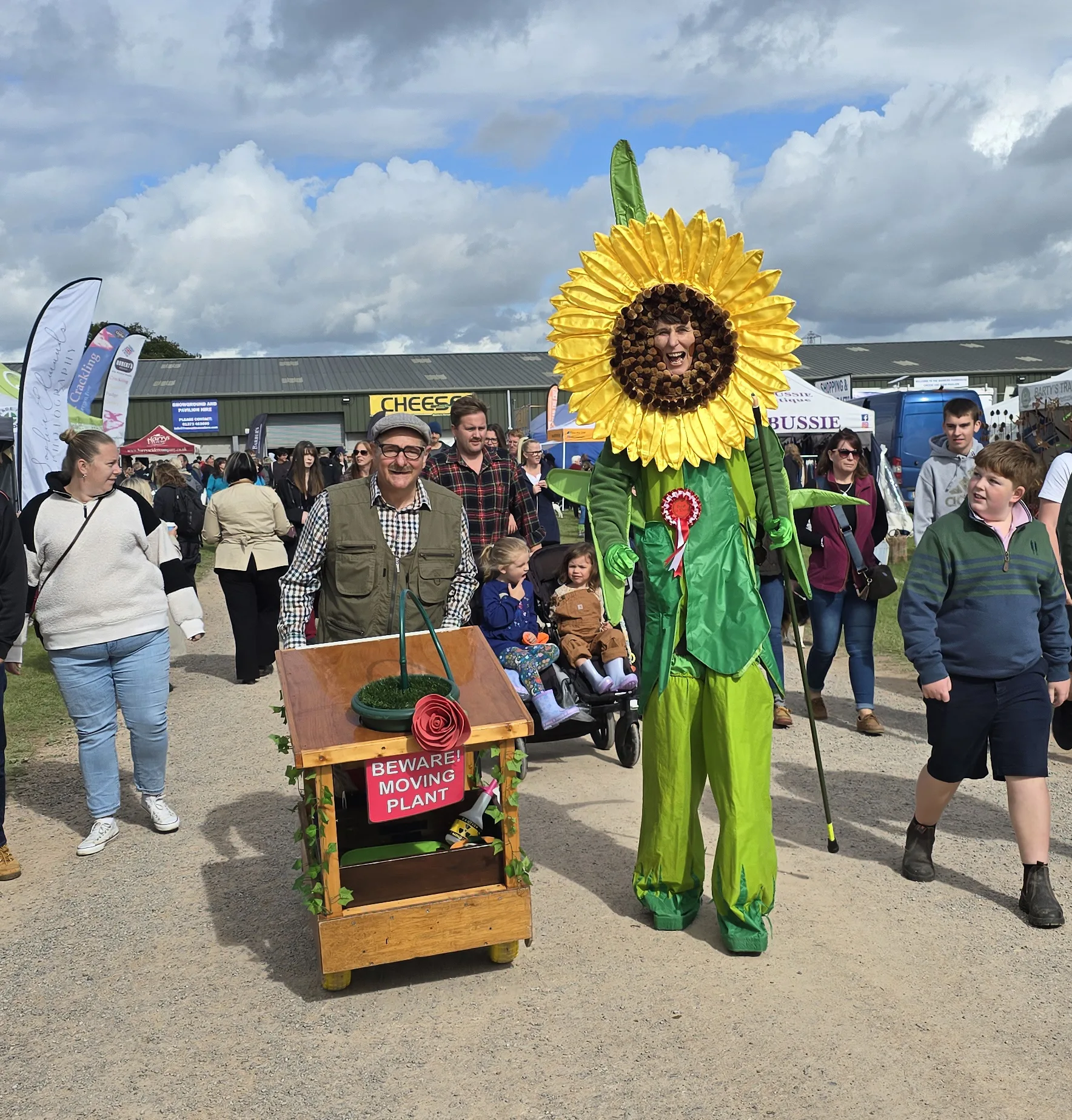
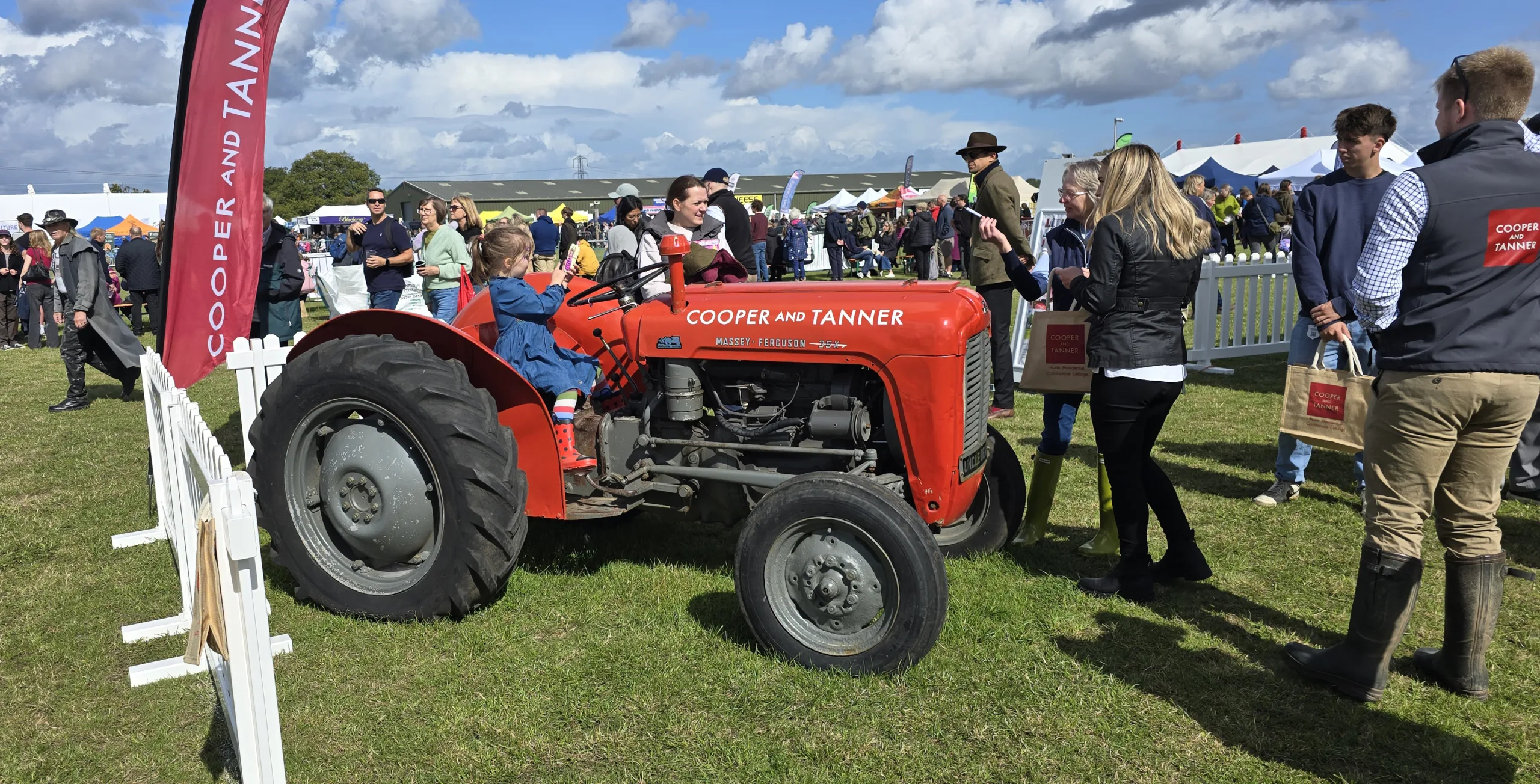
Frome is a special kind of show, and there’s a reason it has such a loyal following. It closes the season with just the right mix of tradition, entertainment and chaos – it’s small enough to carry that unmistakable warmth and friendliness of community, yet large enough to deliver a full, satisfying ‘big event’ day out for every visitor.
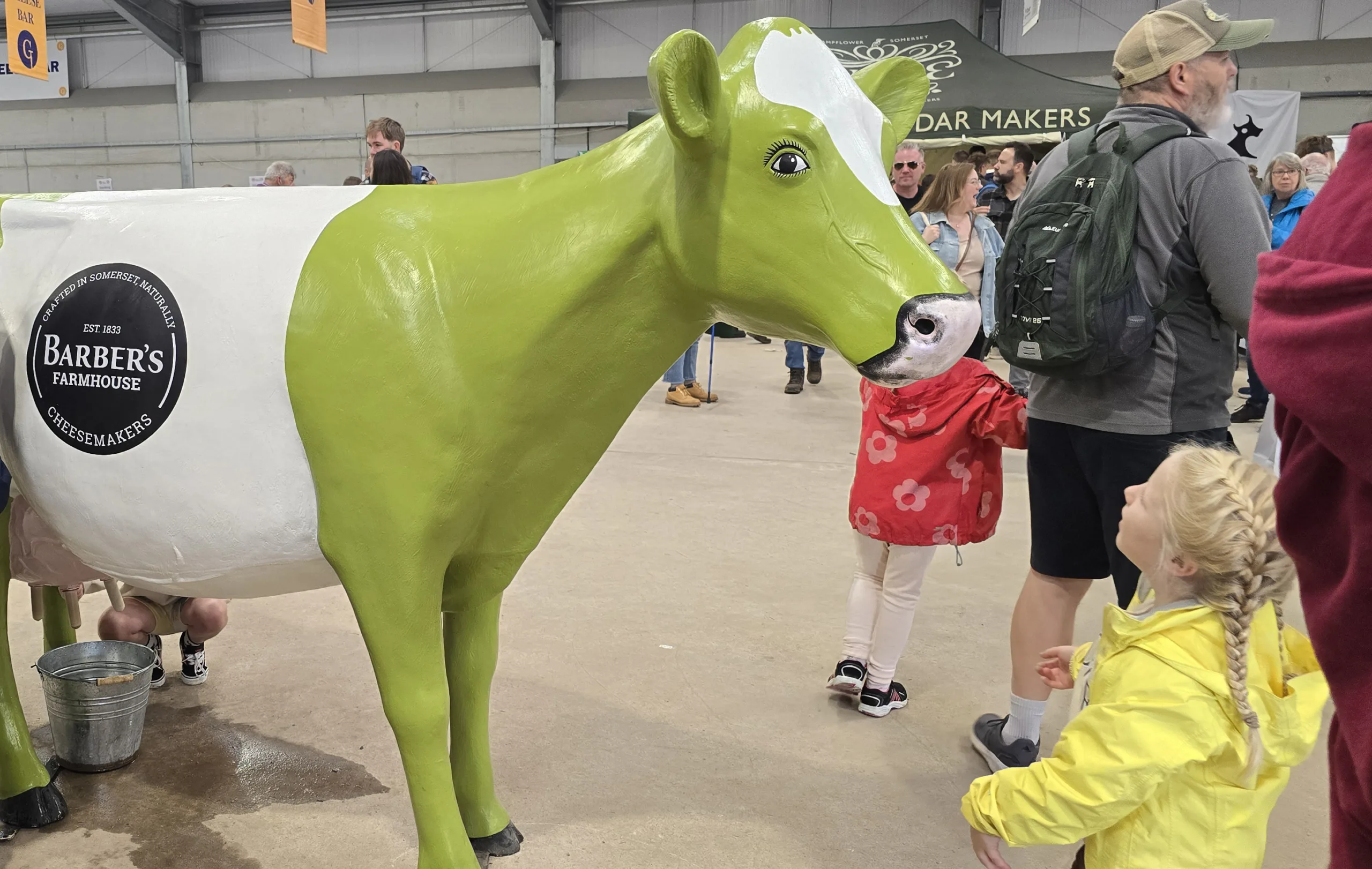
For families, the huge free play area was a real triumph. If I were still wrangling four small children, this would have been the day’s biggest win. From face painting to live entertainment, axe throwing to mini Land Rover driving, there was so much for children to do – all included within the ticket price.
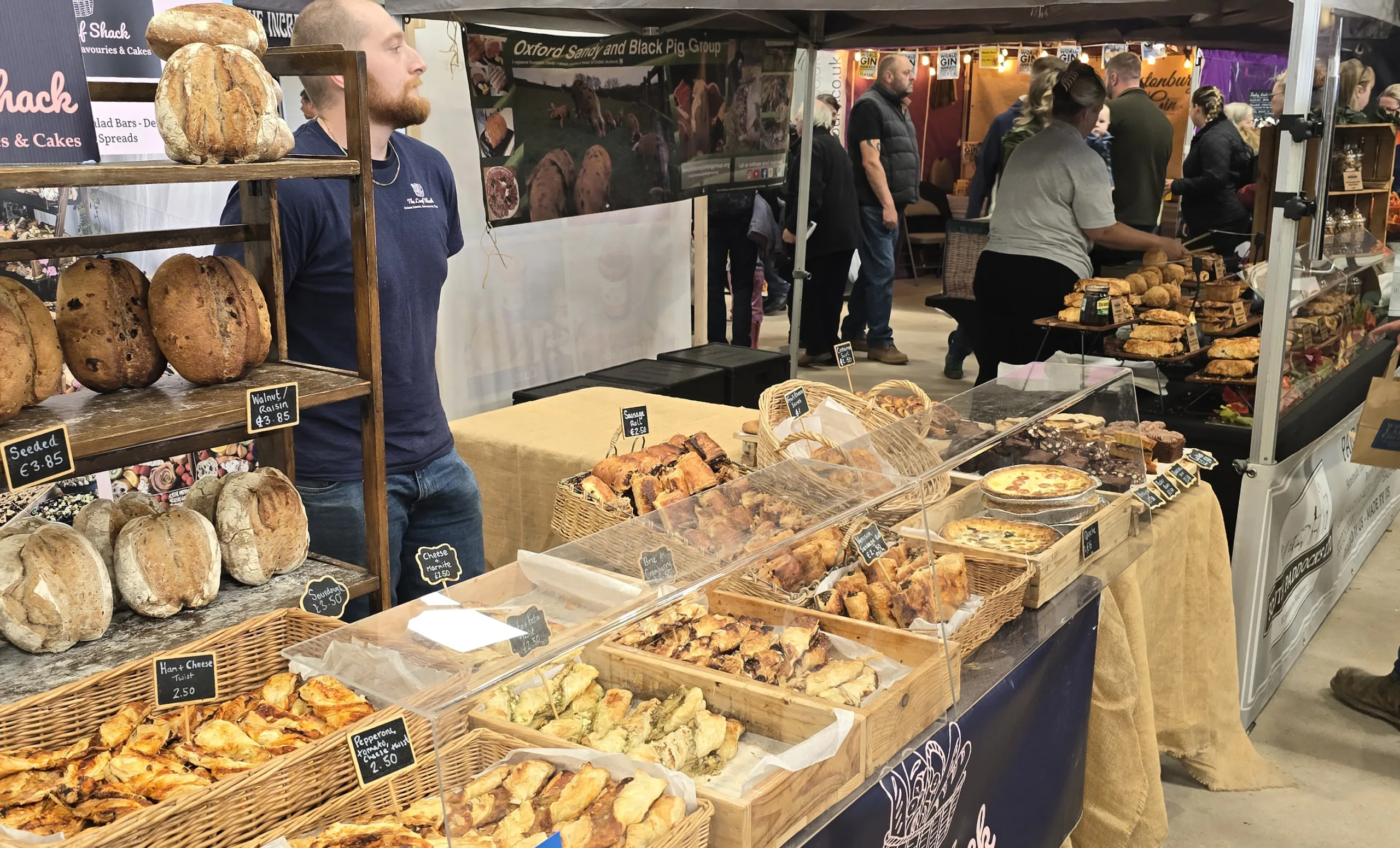
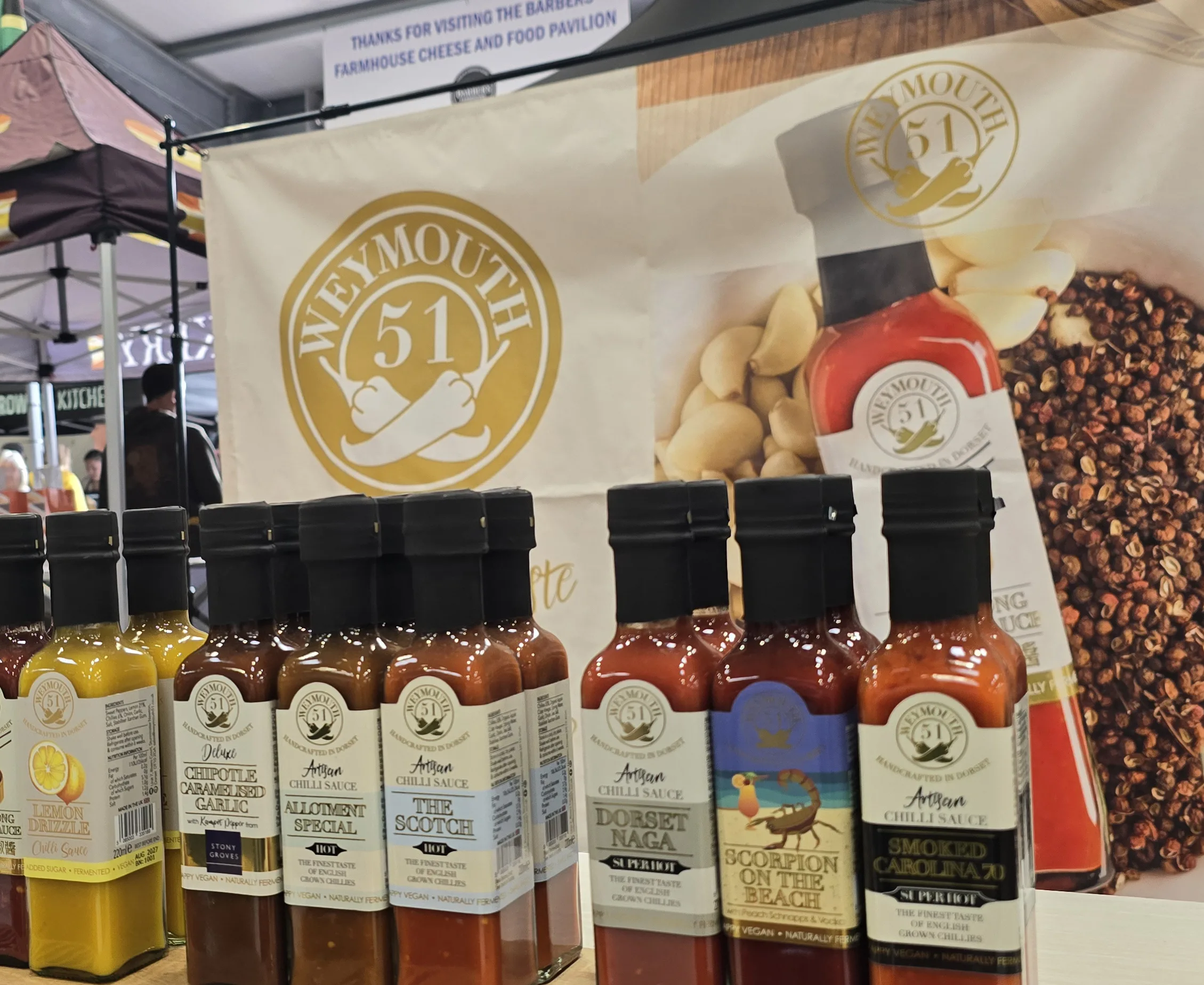
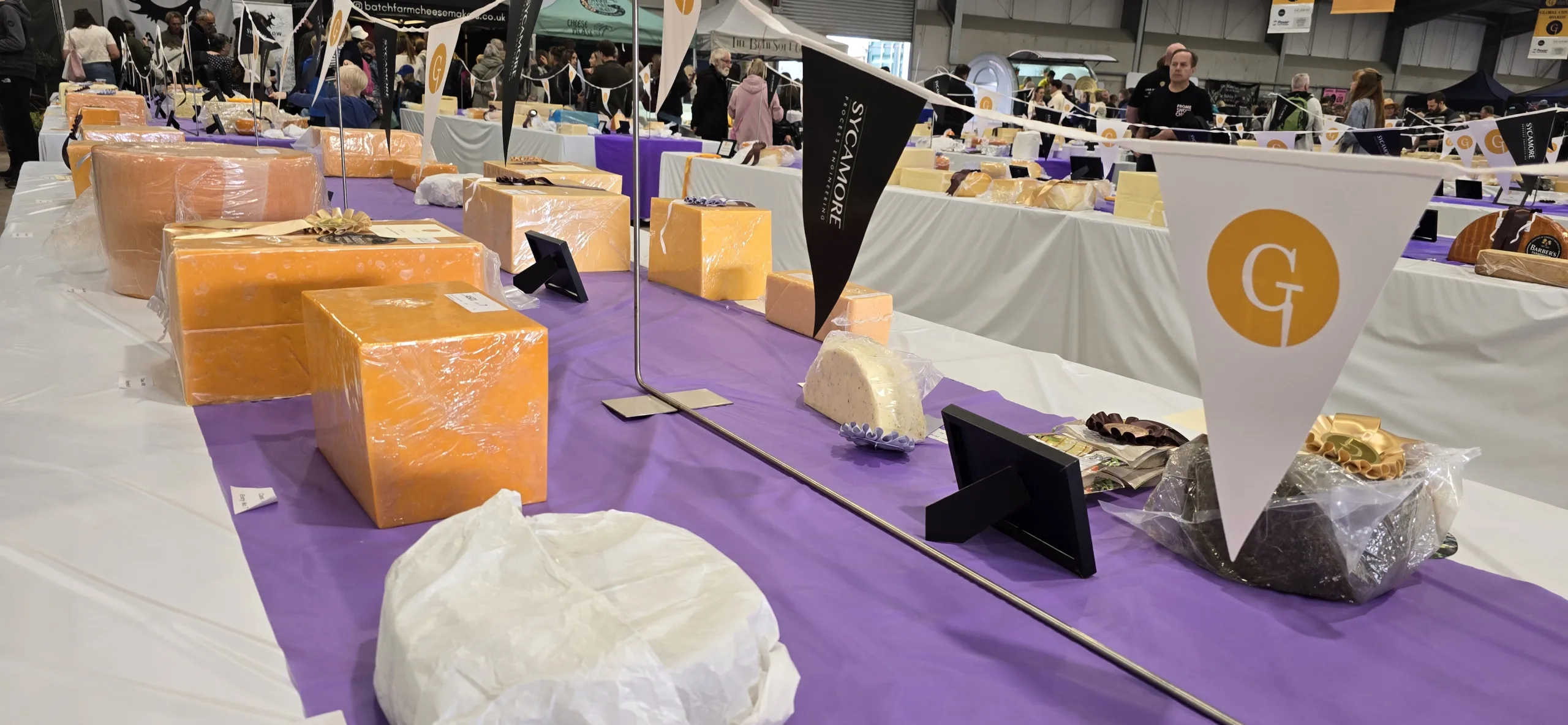
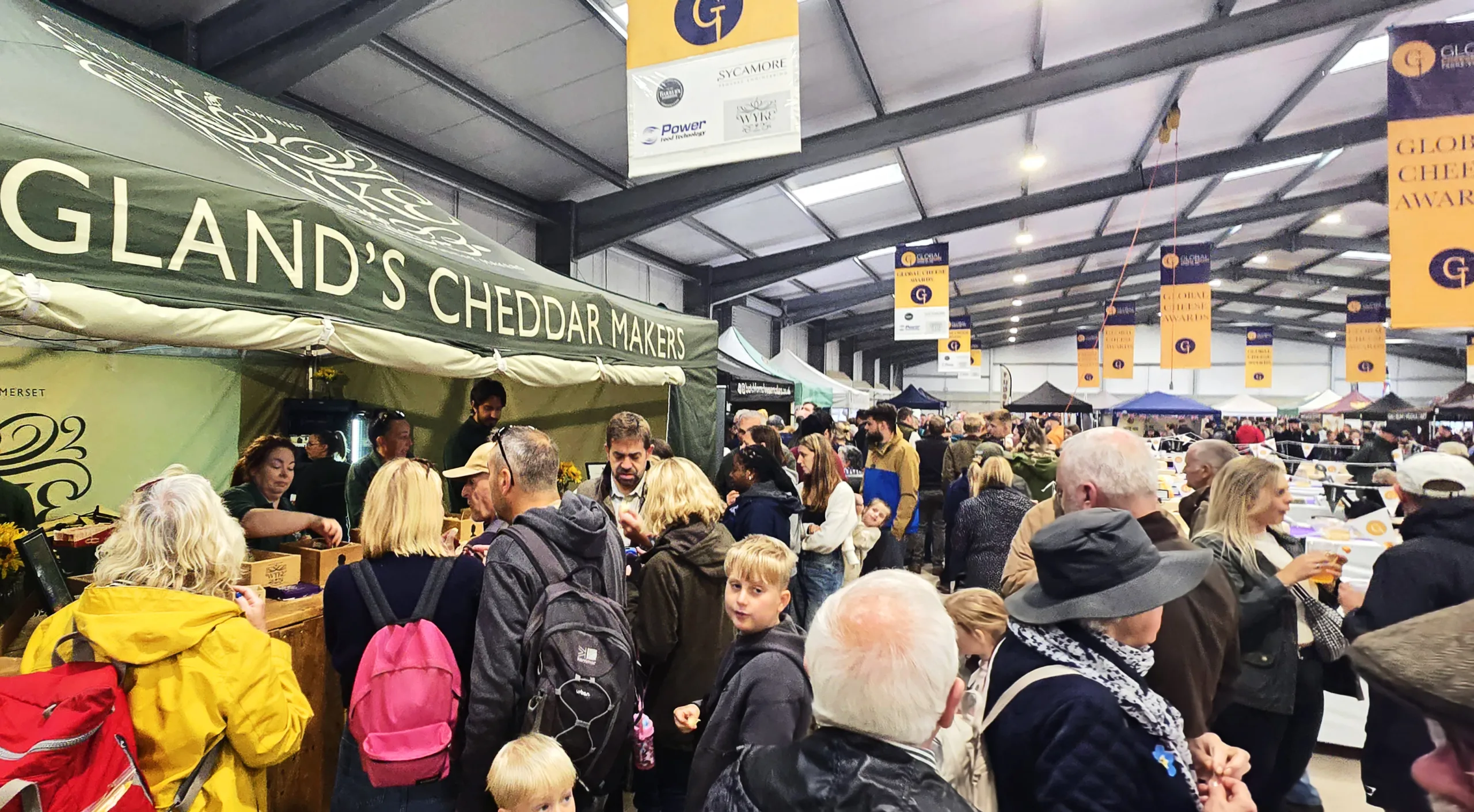
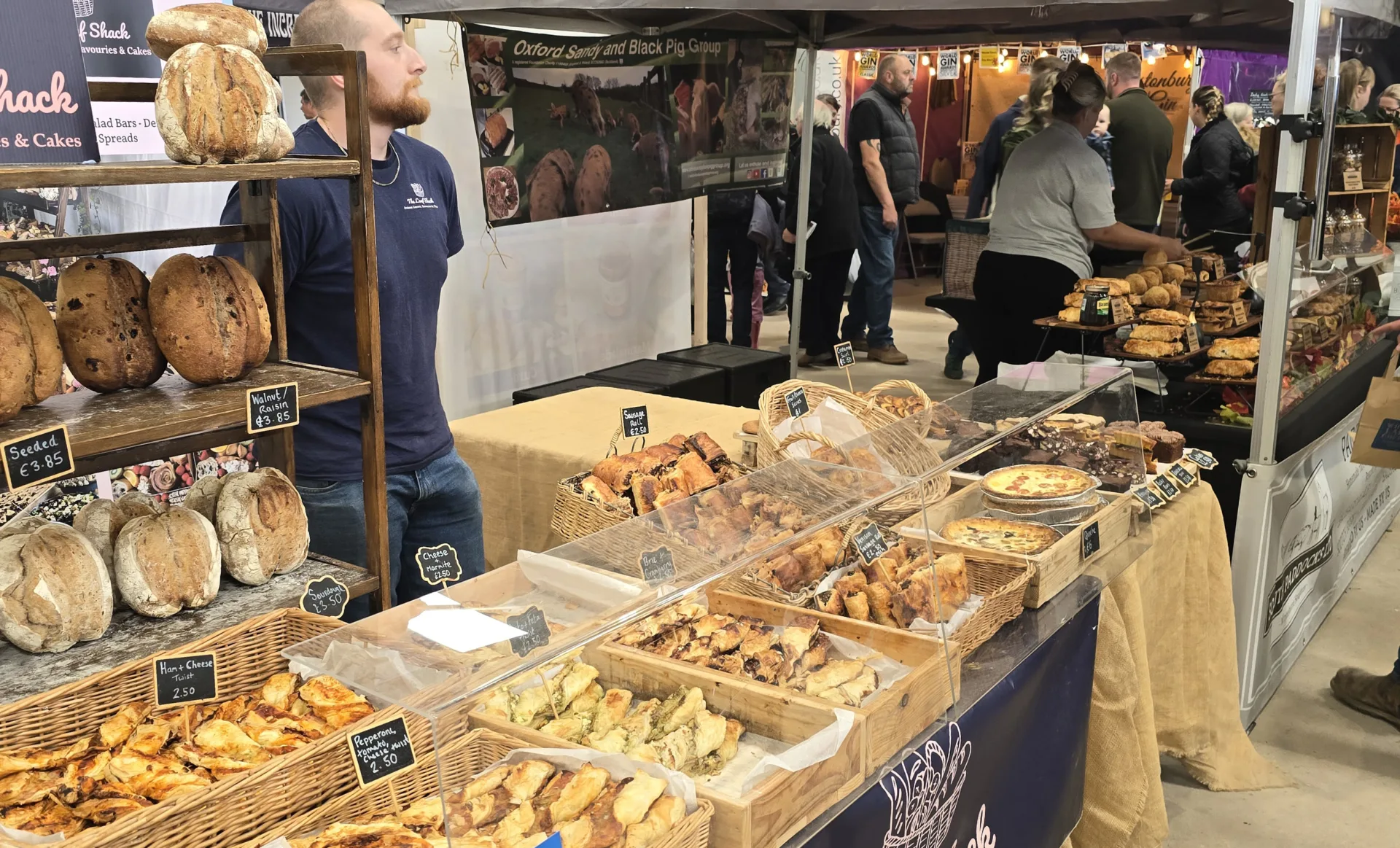
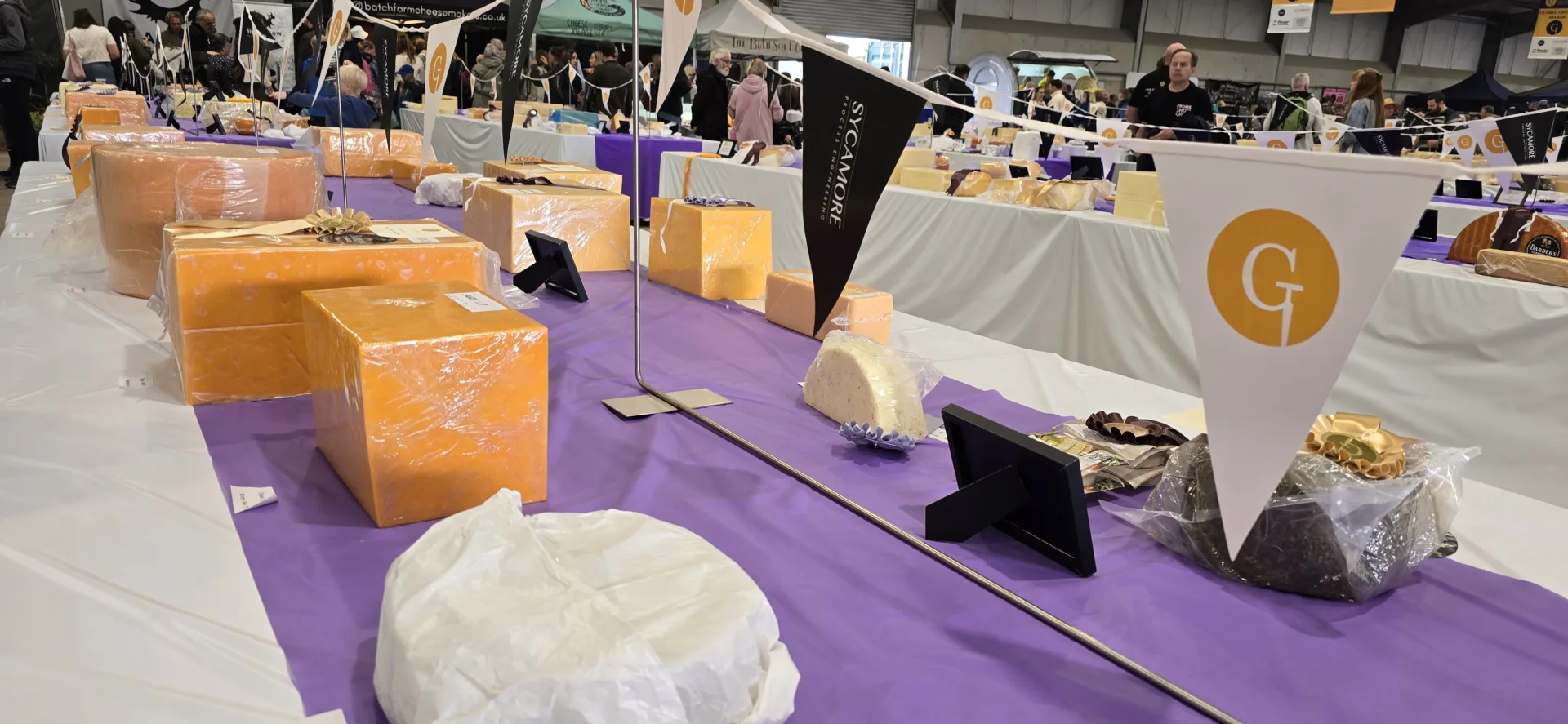
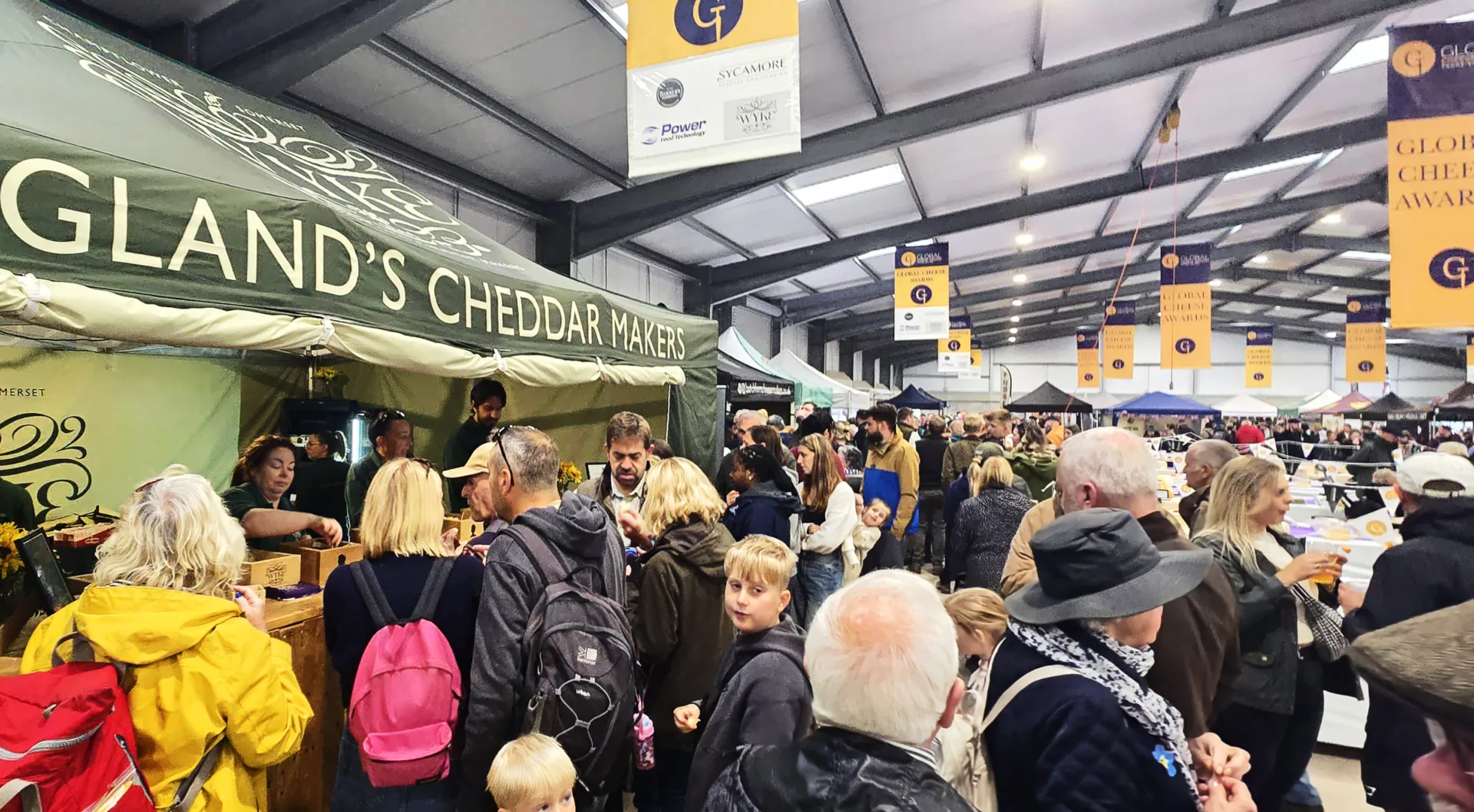
Then there’s the Cheese Pavilion – table after table, hundreds of entries stretching into the distance for the Global Cheese Awards. It’s a rare glimpse into the usually closed world of cheese judging. But for those more interested in taste than trophies, the surrounding stalls delivered: producers were on hand with samples, advice, and sharp knives at the ready. Trade was brisk as visitors nibbled, nodded and stocked up.
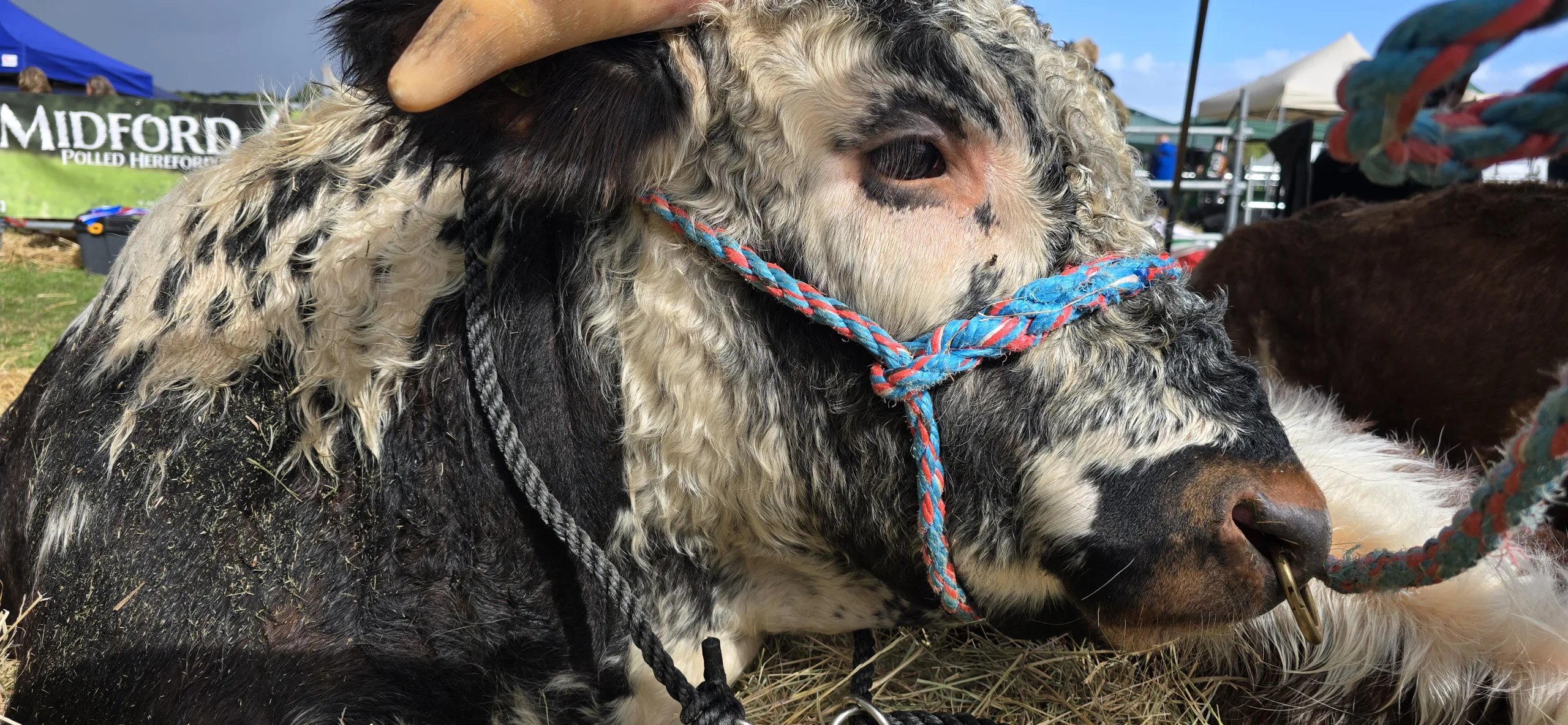
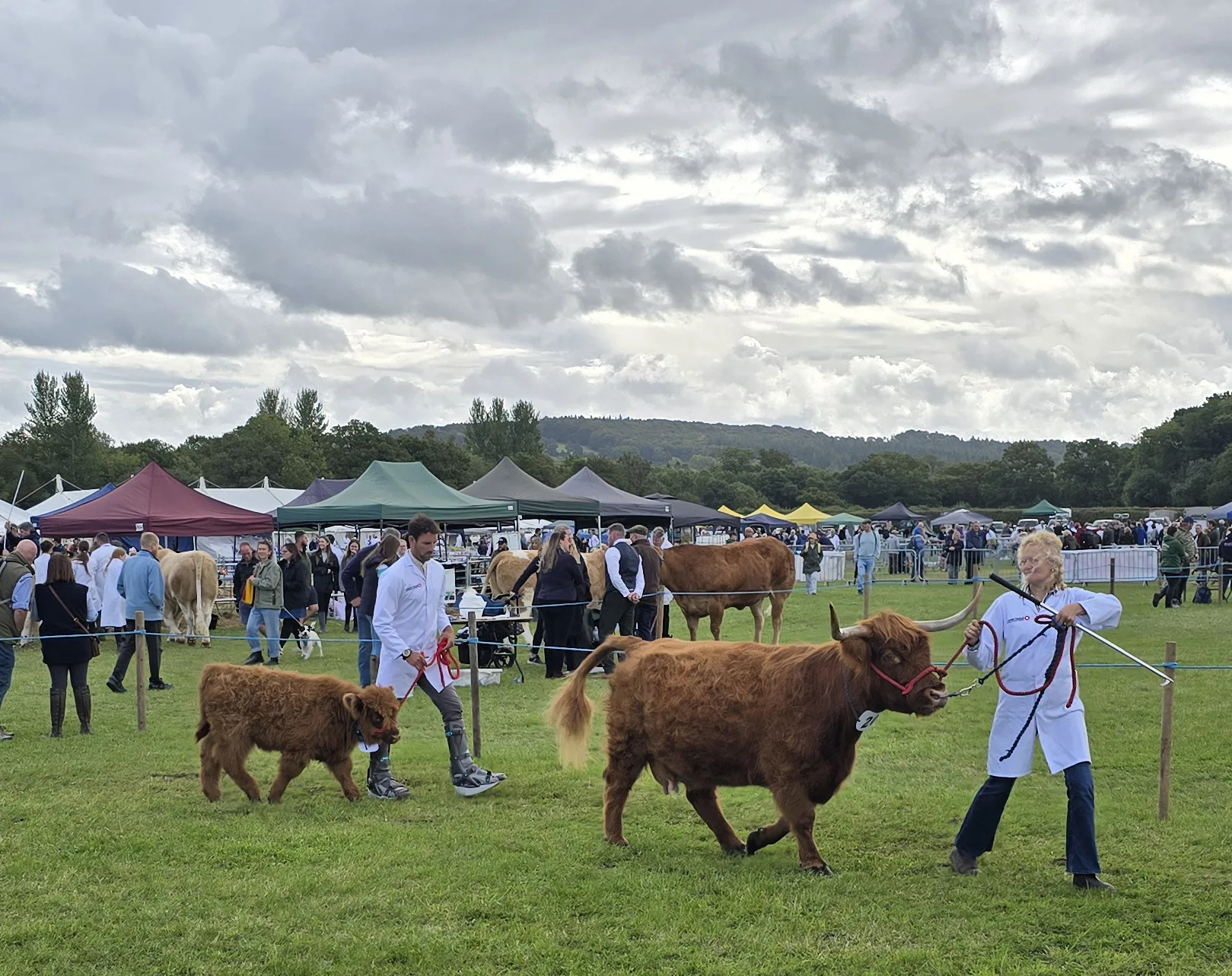
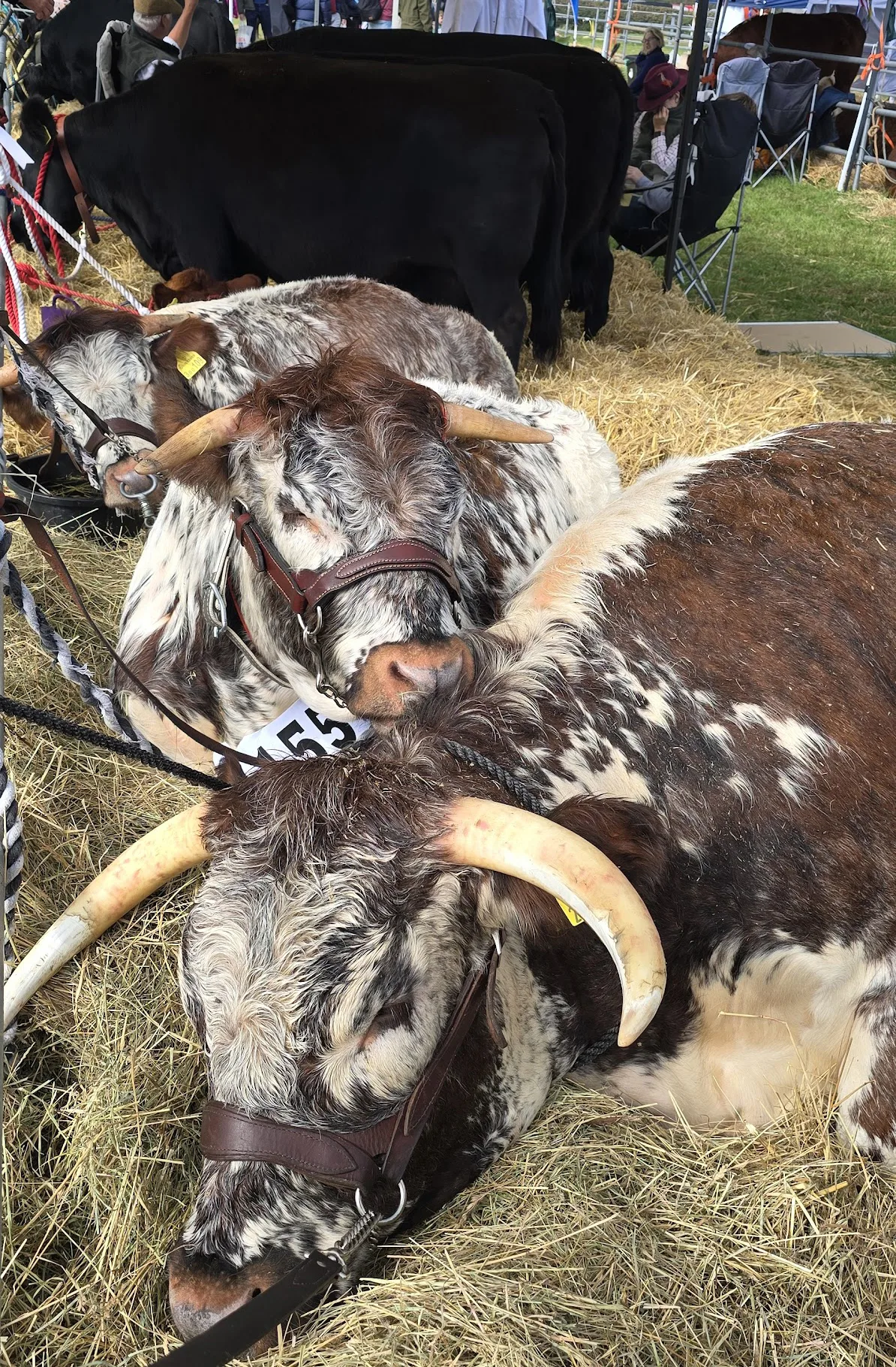
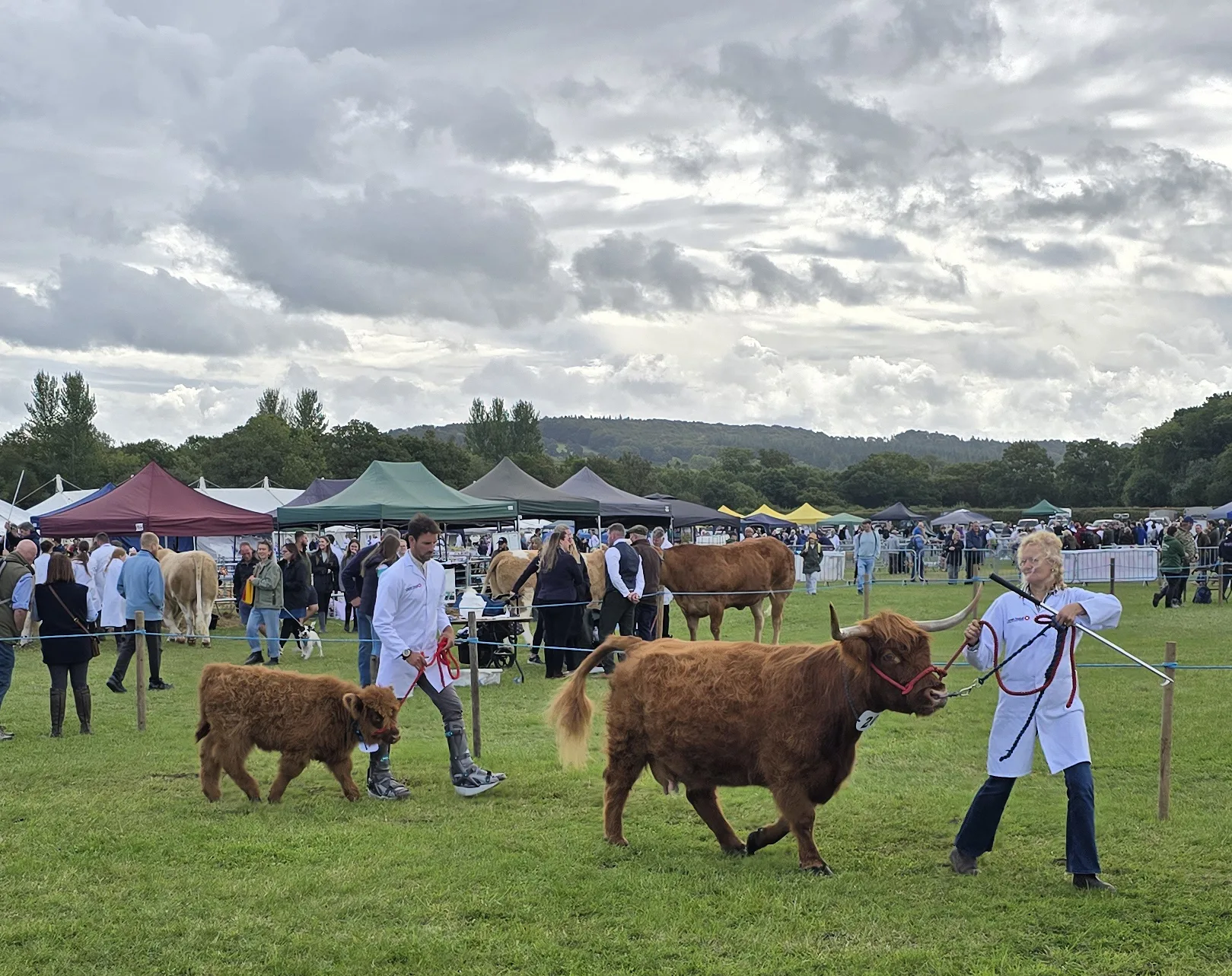
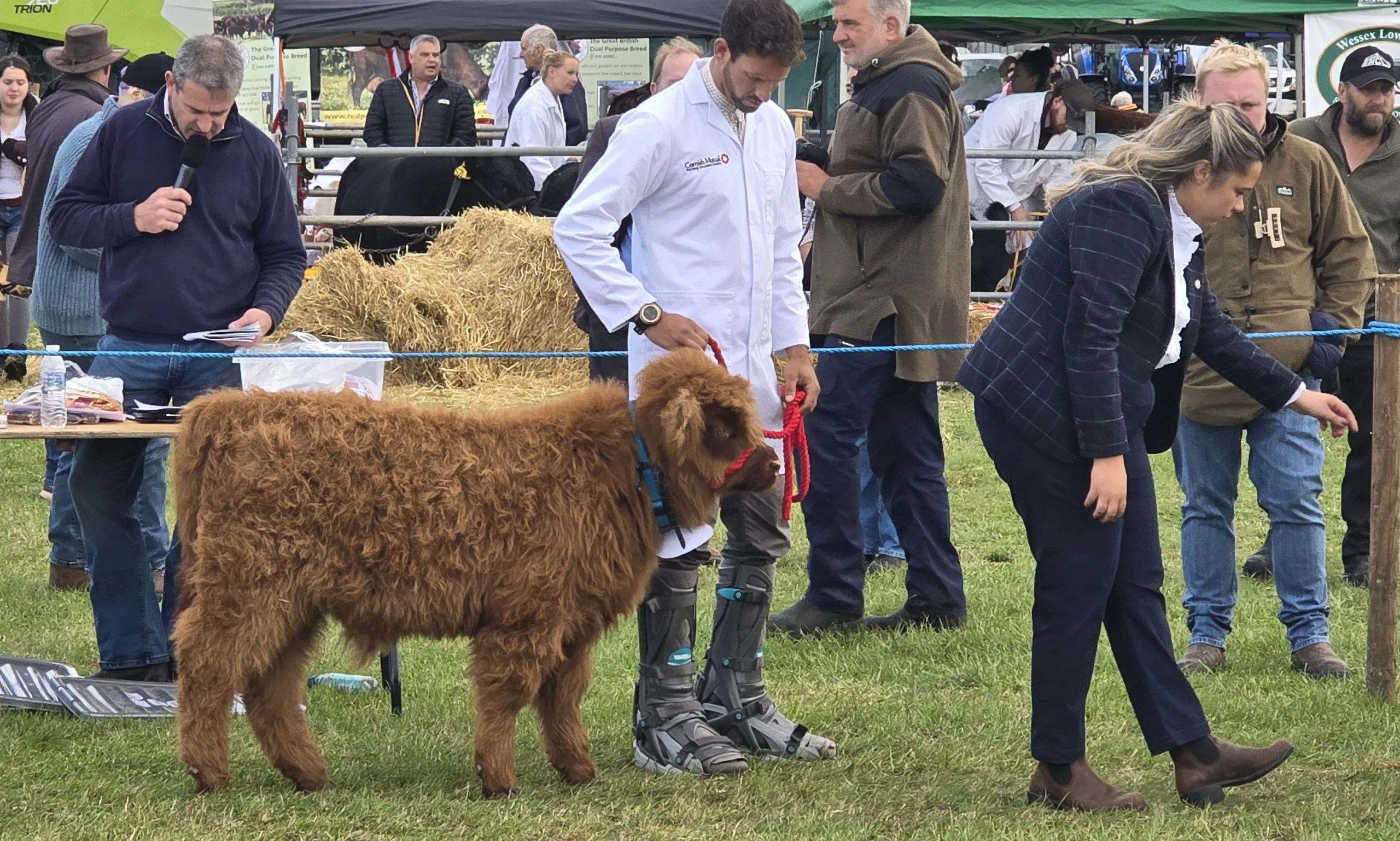
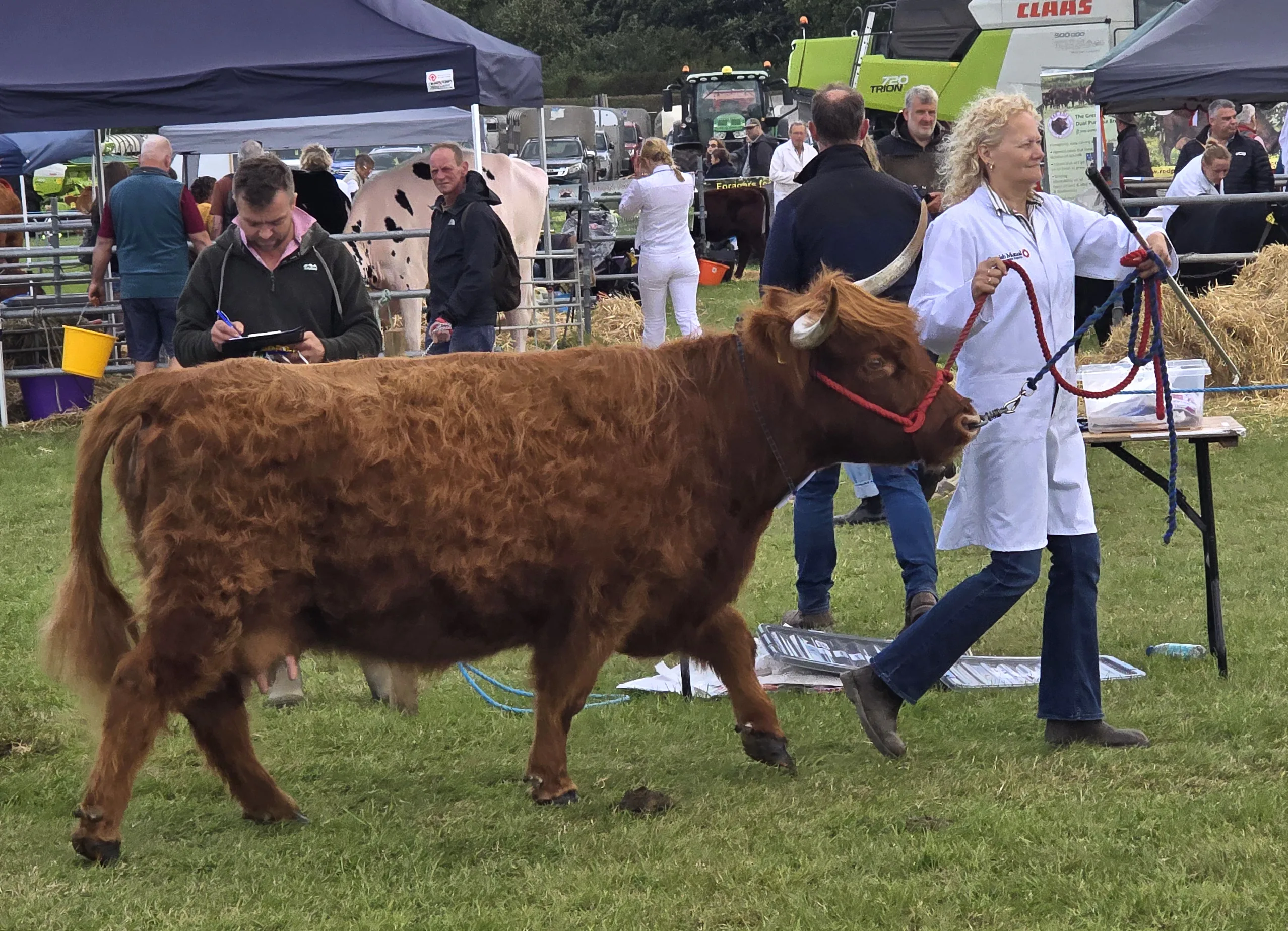
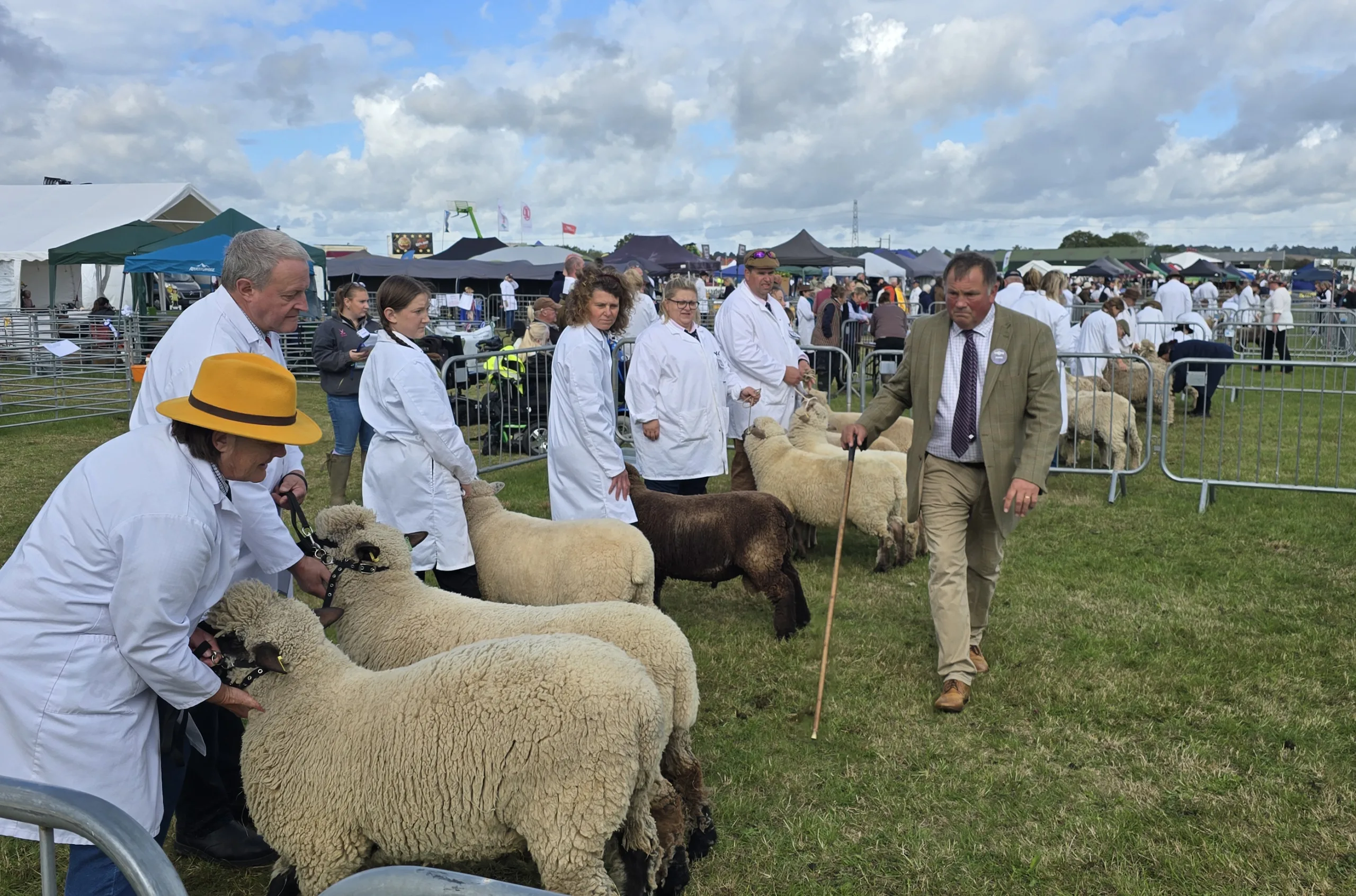
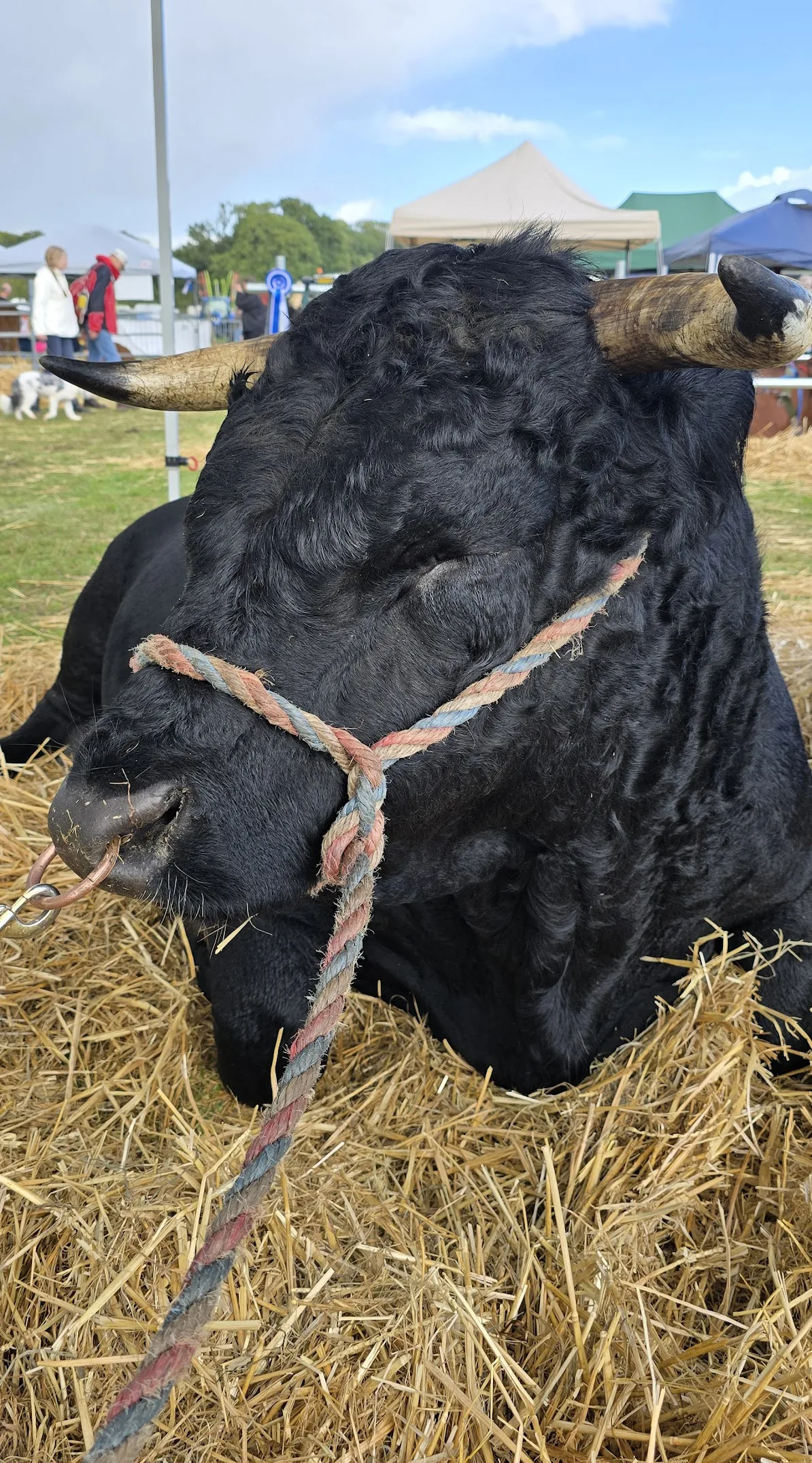
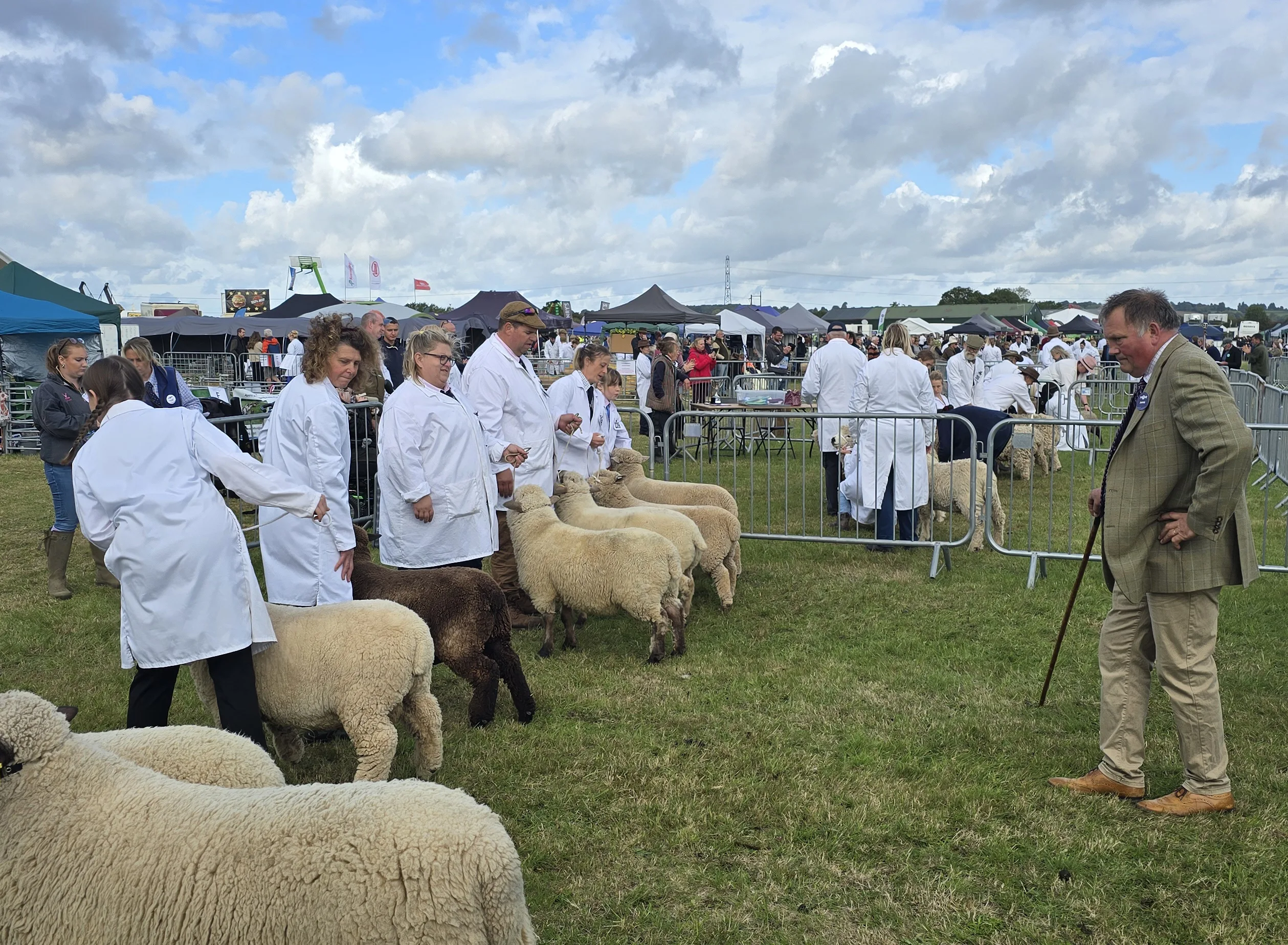
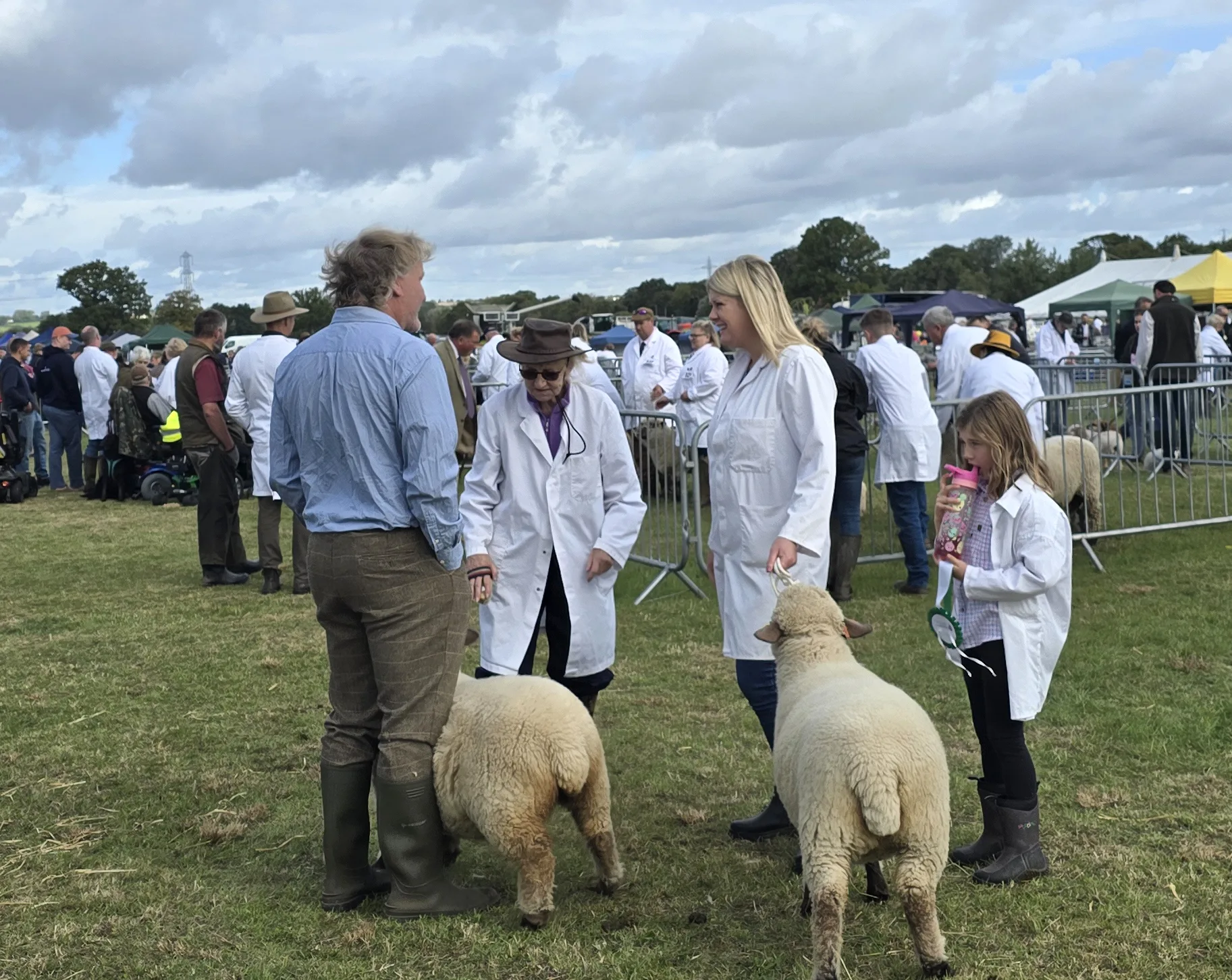
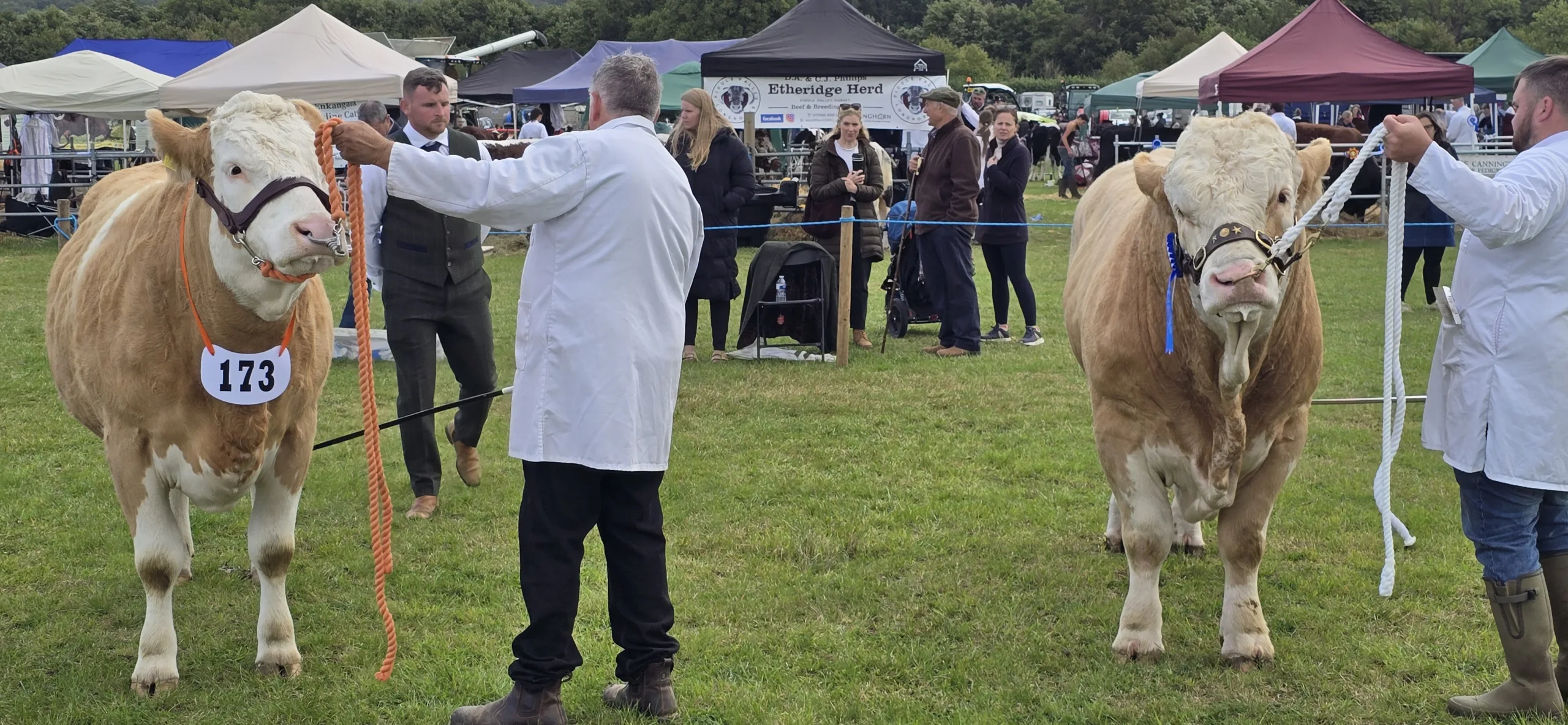
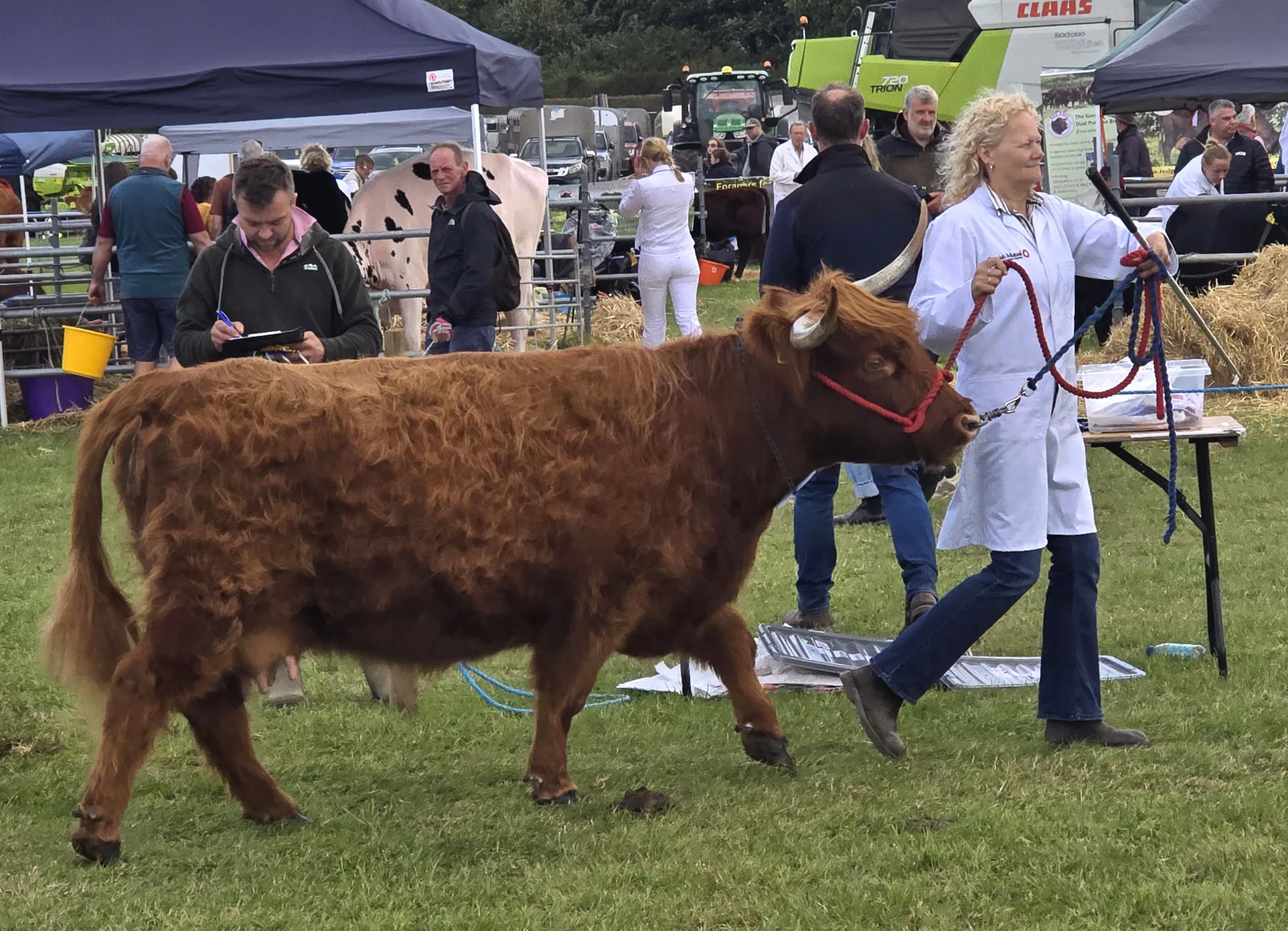
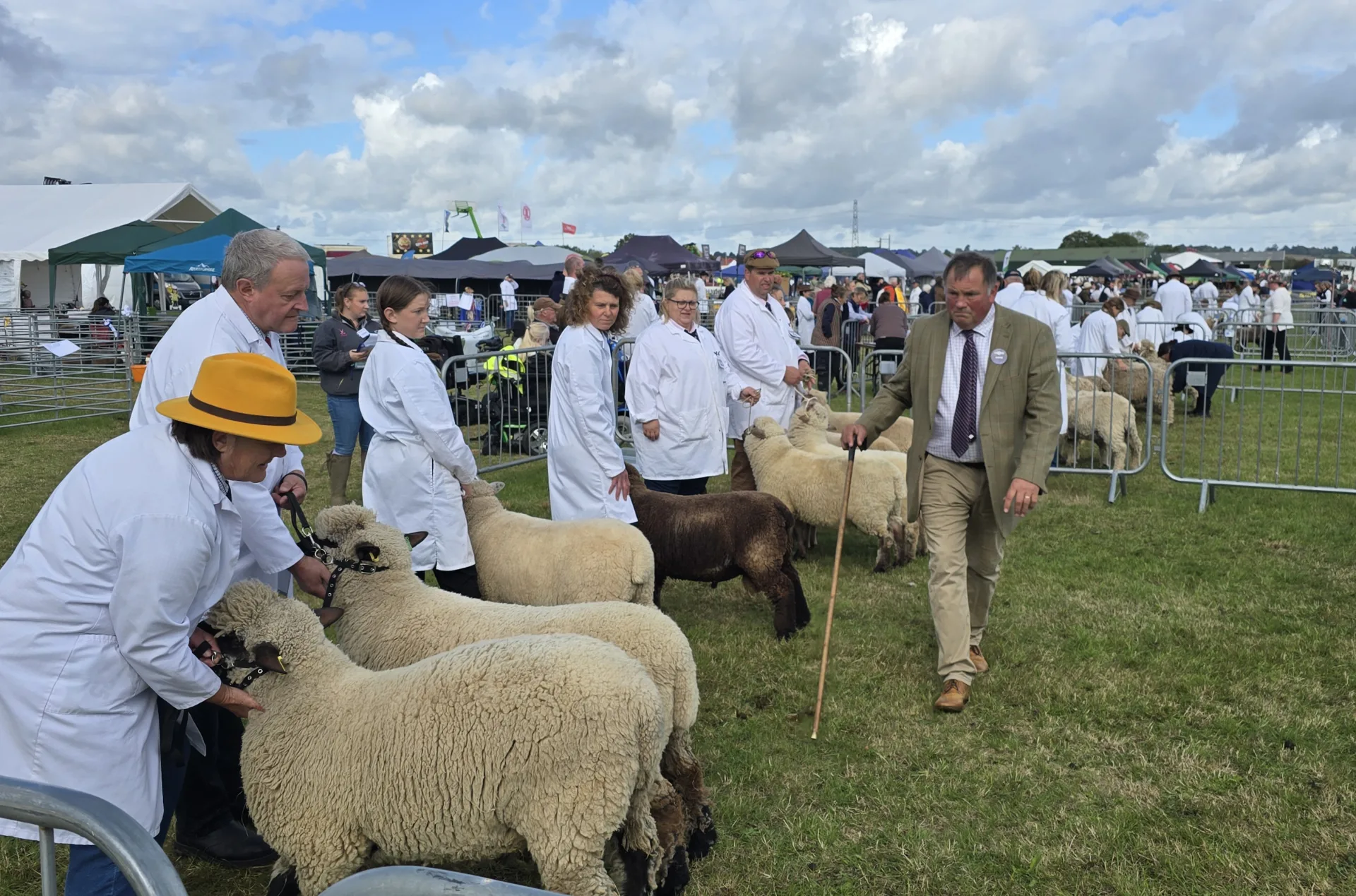
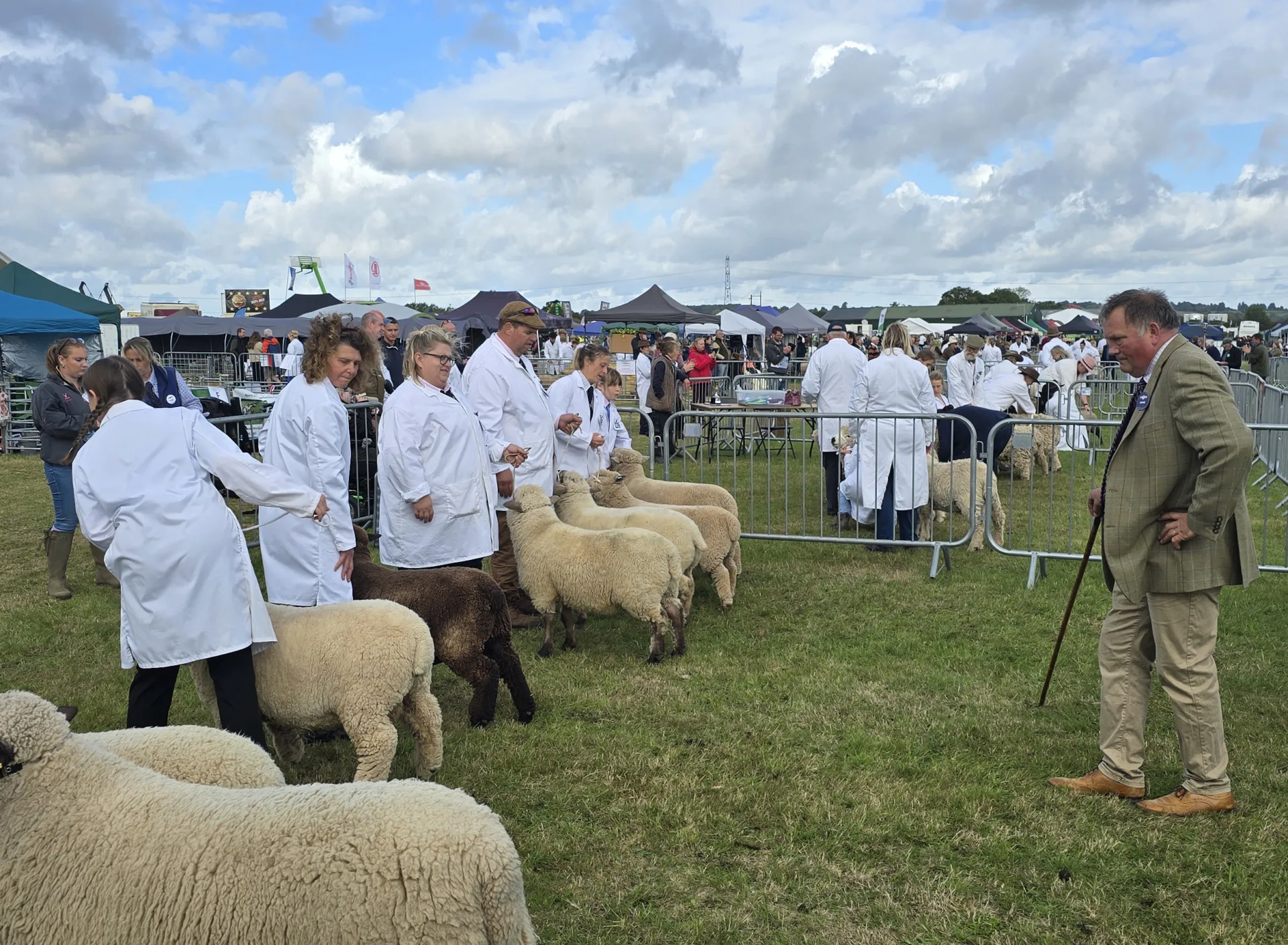
The livestock area may not have been vast, but it was open and welcoming. Once judging was done, visitors were invited to wander freely among the pens, chat with owners, and get close to the animals in a way that felt relaxed, approachable and very special.
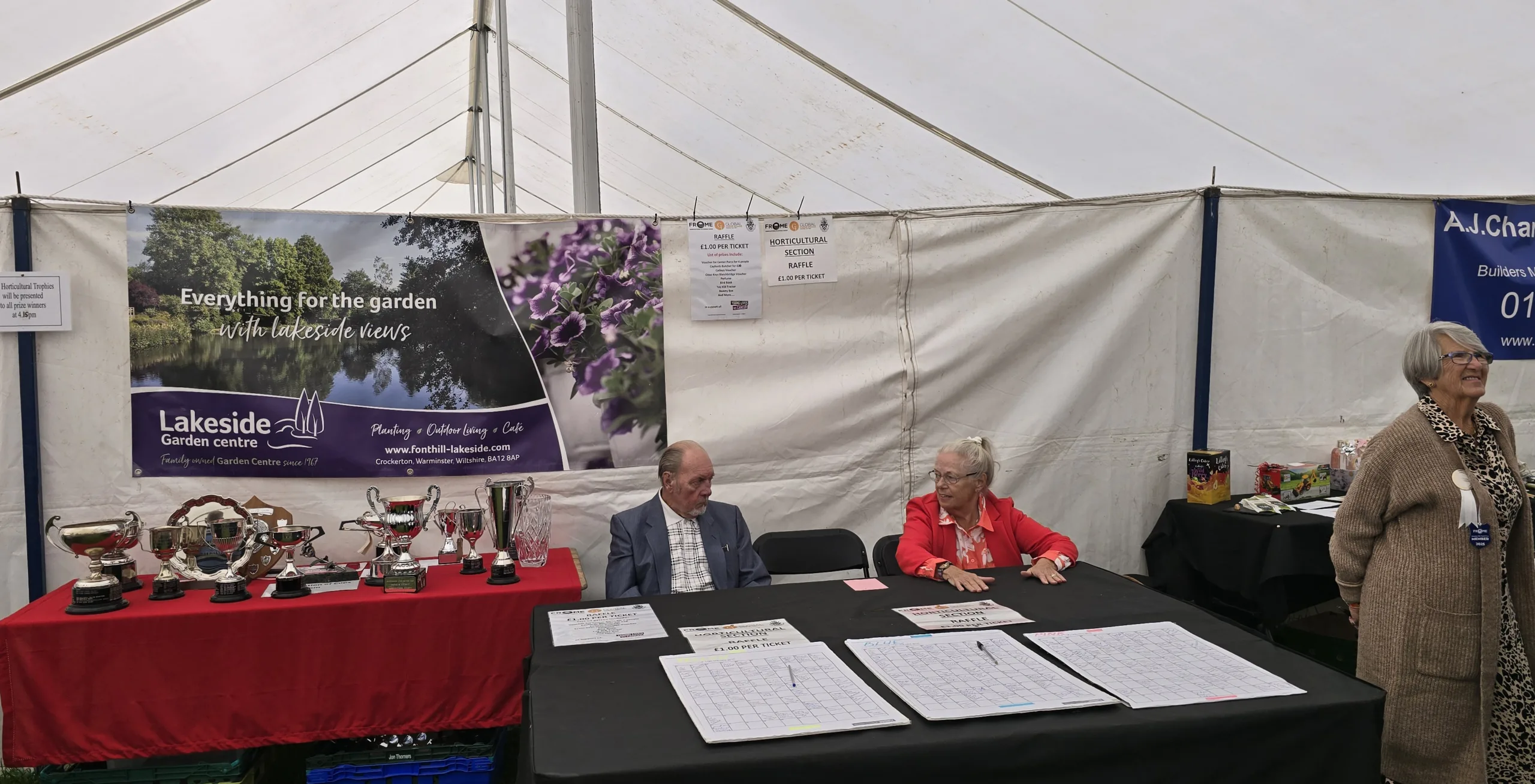
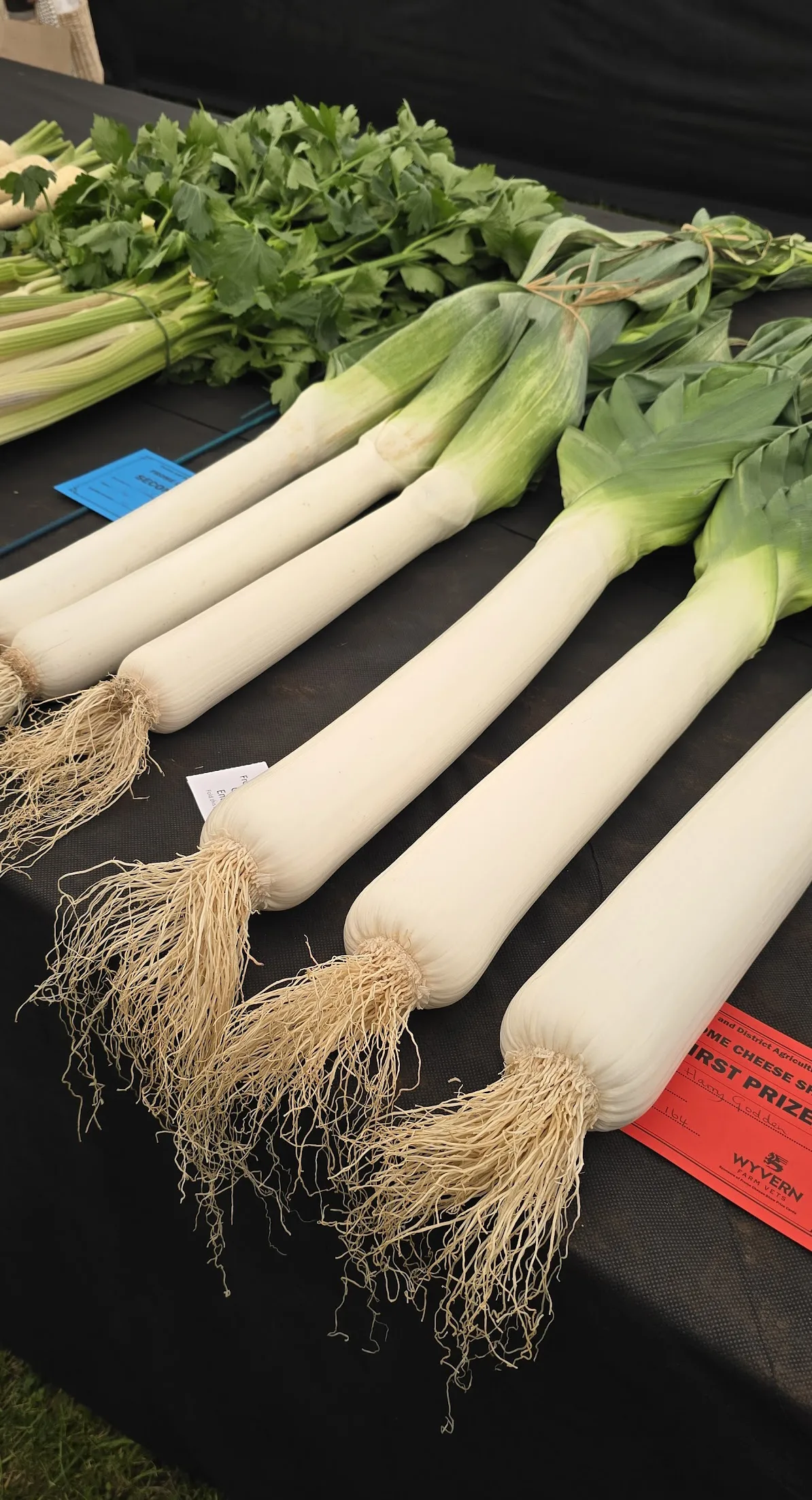
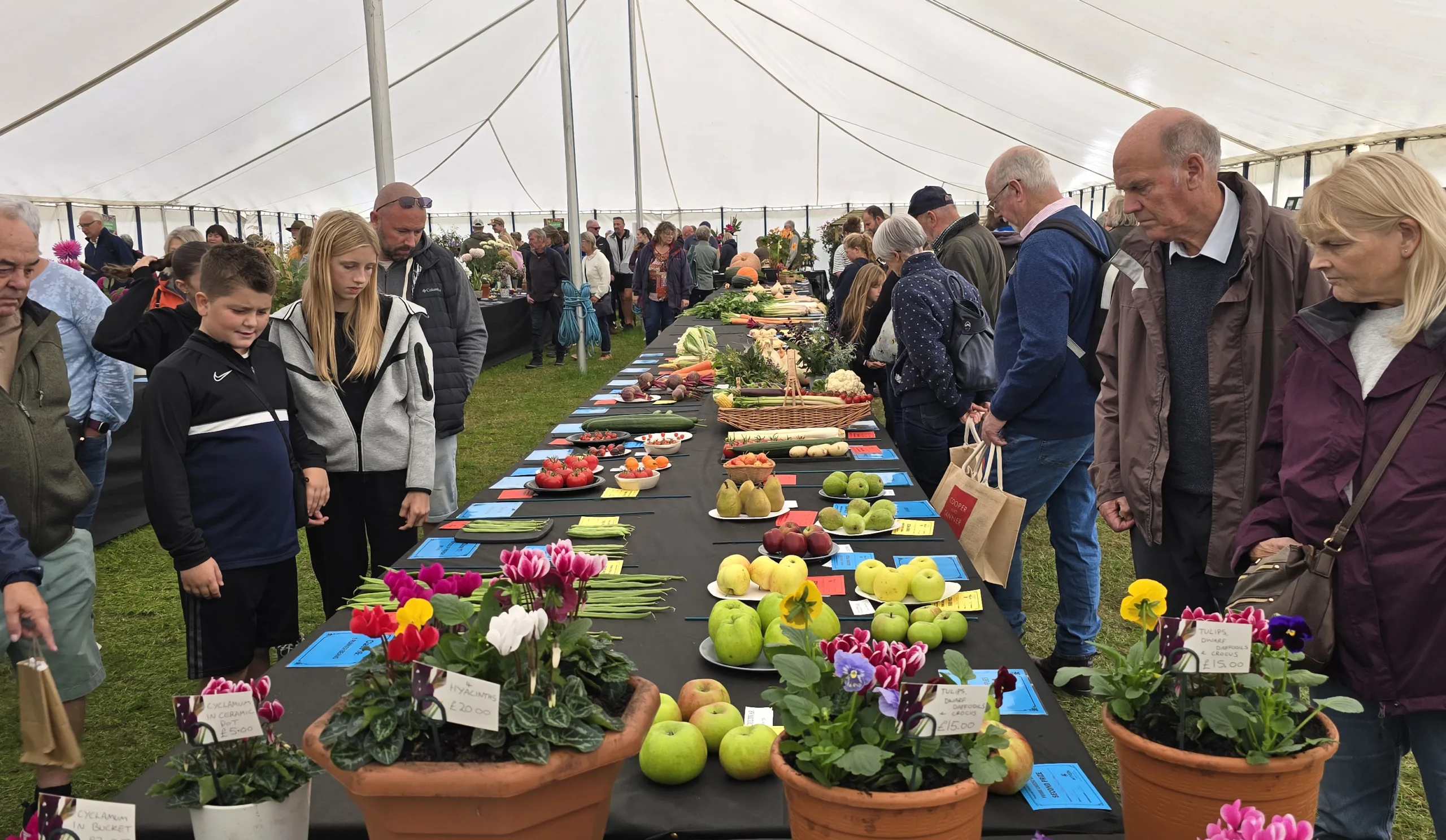
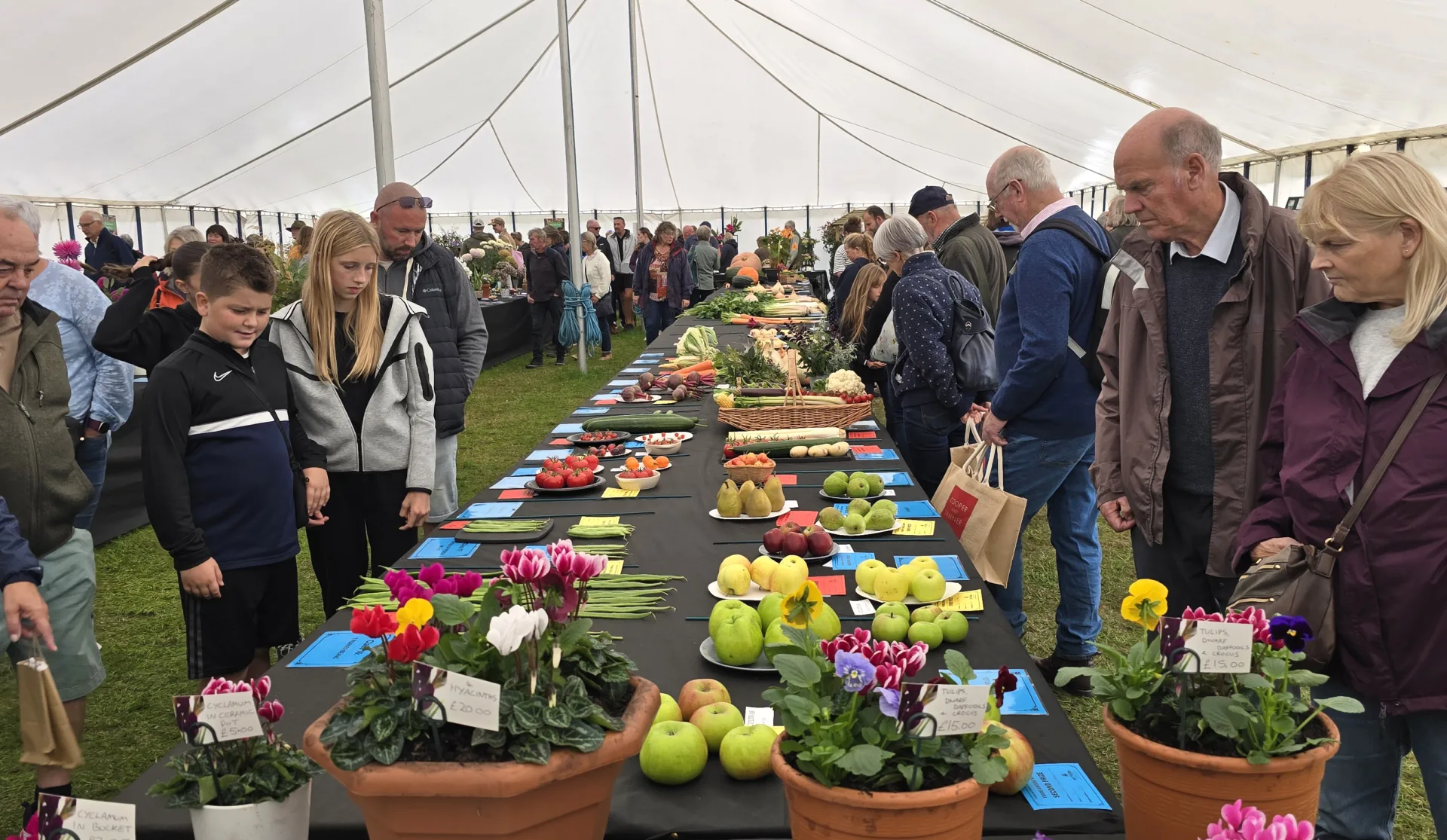
Elsewhere, the trade aisles provided the usual agricultural show magic – where else can you pick up new double glazing, alpaca-wool socks and a sunhat in the space of a few steps? A stroll around the Horticulture and Homecraft marquees is another show necessity, taking time to appreciate other people’s dahlias, knitting skills and ability to grow a GIANT carrot.
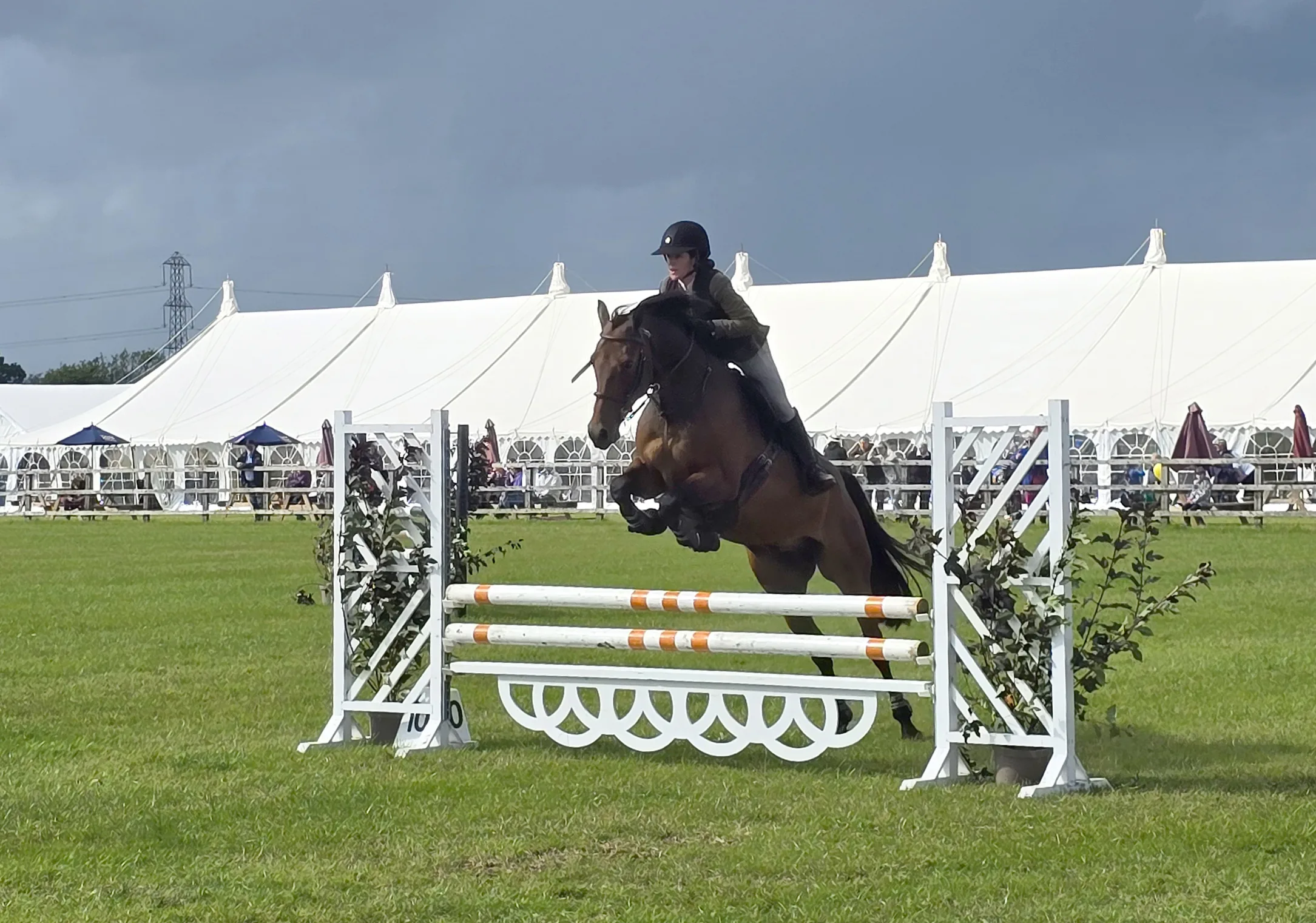
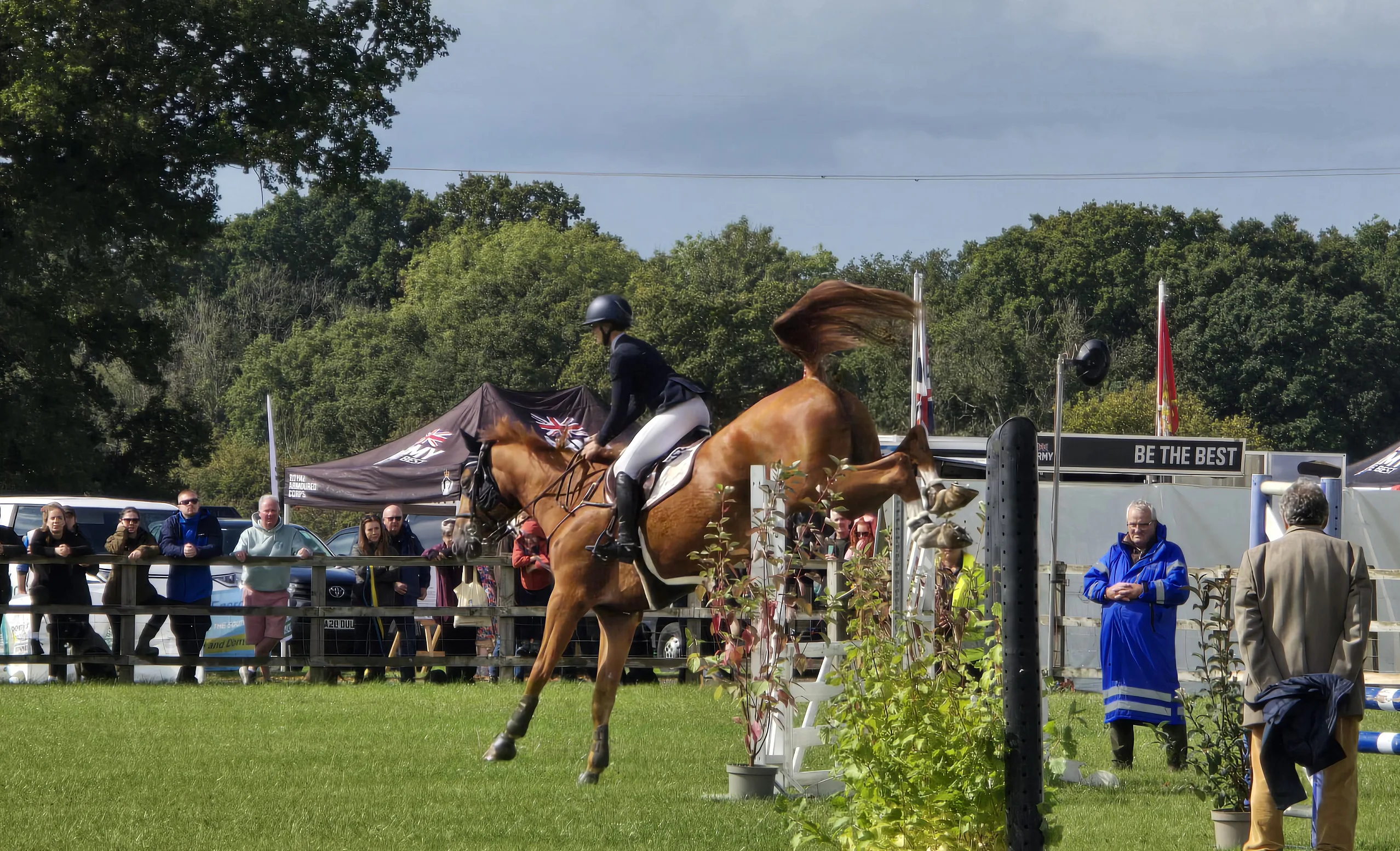
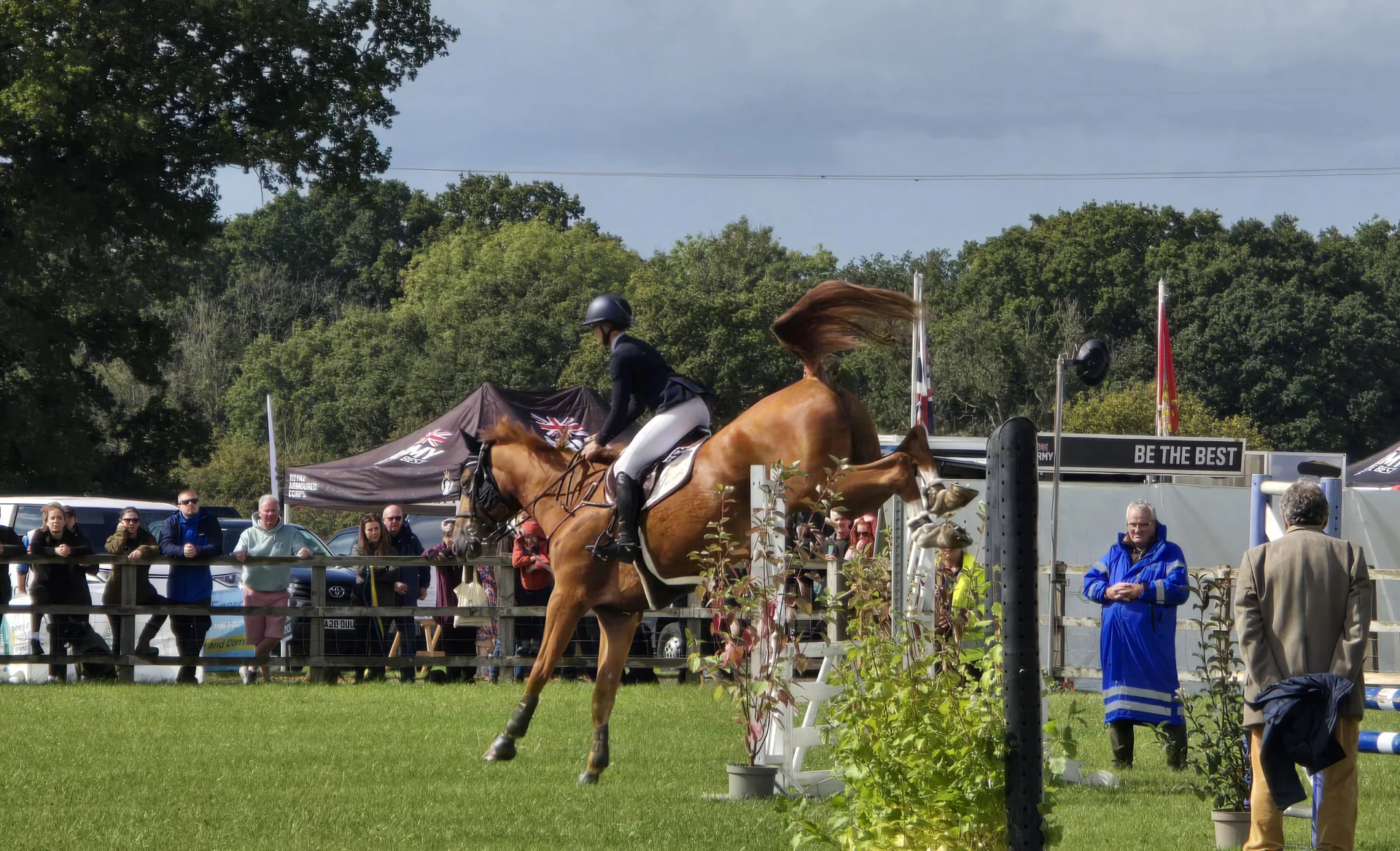
After a summer of cancelled competitions on concrete-hard ground, the Main Ring – softened by the recent rain – was ideal for show jumping. It started off with the Gate-jumping competition, which built to a thrilling climax: two riders tied clear at the fifth and final round. Opting for a voluntary jump-off despite splitting the winnings, they gave the crowd the spectacle of a single, soaring clear at 1.65m.
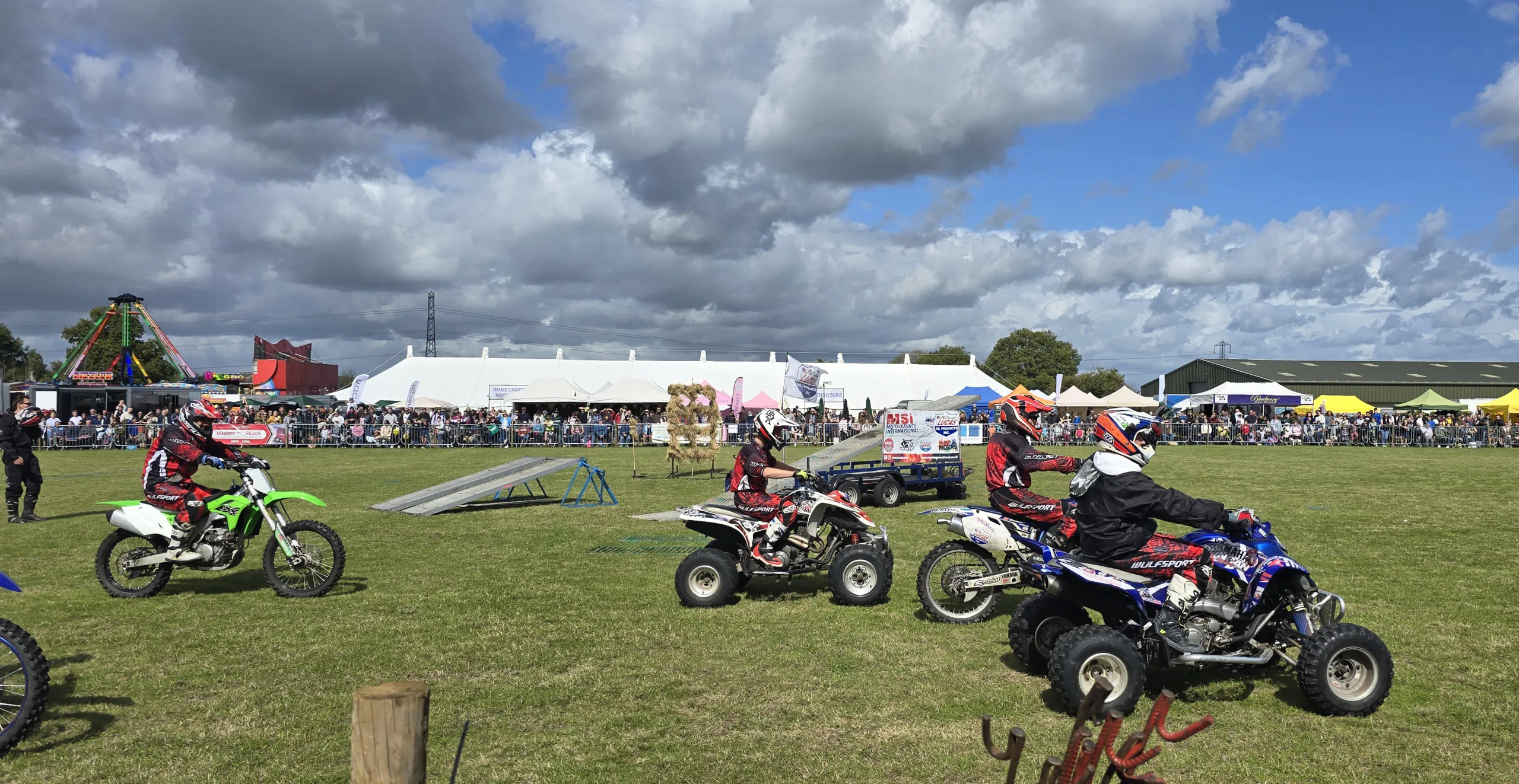
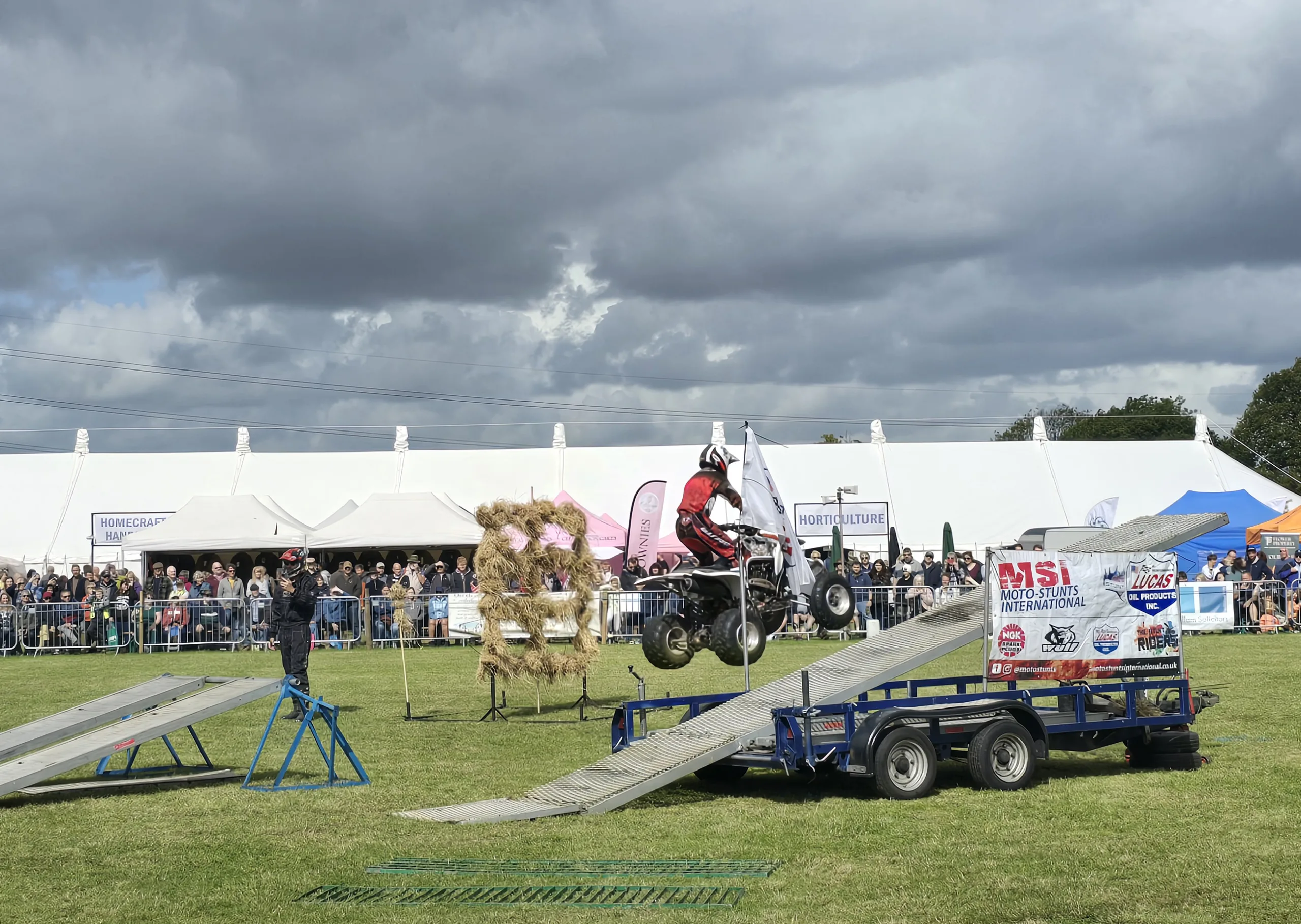
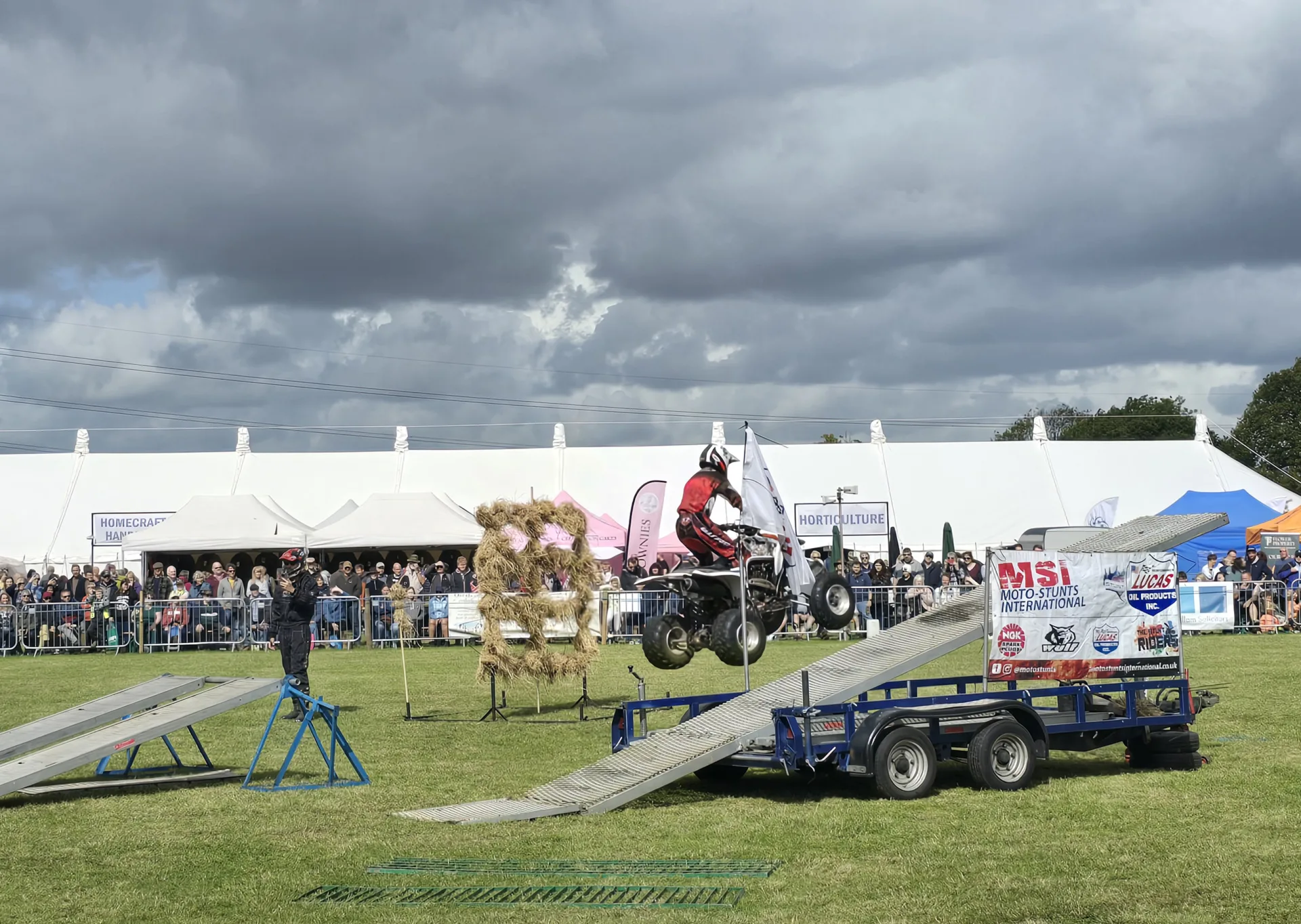
In the rings, the Wessex Bloodhounds drew crowds with their pomp and tradition, while Moto-Stunts International had hearts in mouths – from the three-year-old who stole the show to the ‘grandad’ still pulling off daredevil feats, they grabbed everyone’s attention. The stunts were genuinely impressive, the patter was entertaining, and the big fire finale was a real show-stopper.
It was a shame the rain stopped play on the Grand Parade of Livestock this year, but it didn’t dampen anyone’s spirits – and the food stands did remarkably well as wet spells sent everyone diving for a coffee or snack. Frome’s still a traditional one day show: you might come for the cheese and livestock, but you’ll stay for the near-death motorcycle antics and surprisingly fierce sock shopping. Roll on next year.
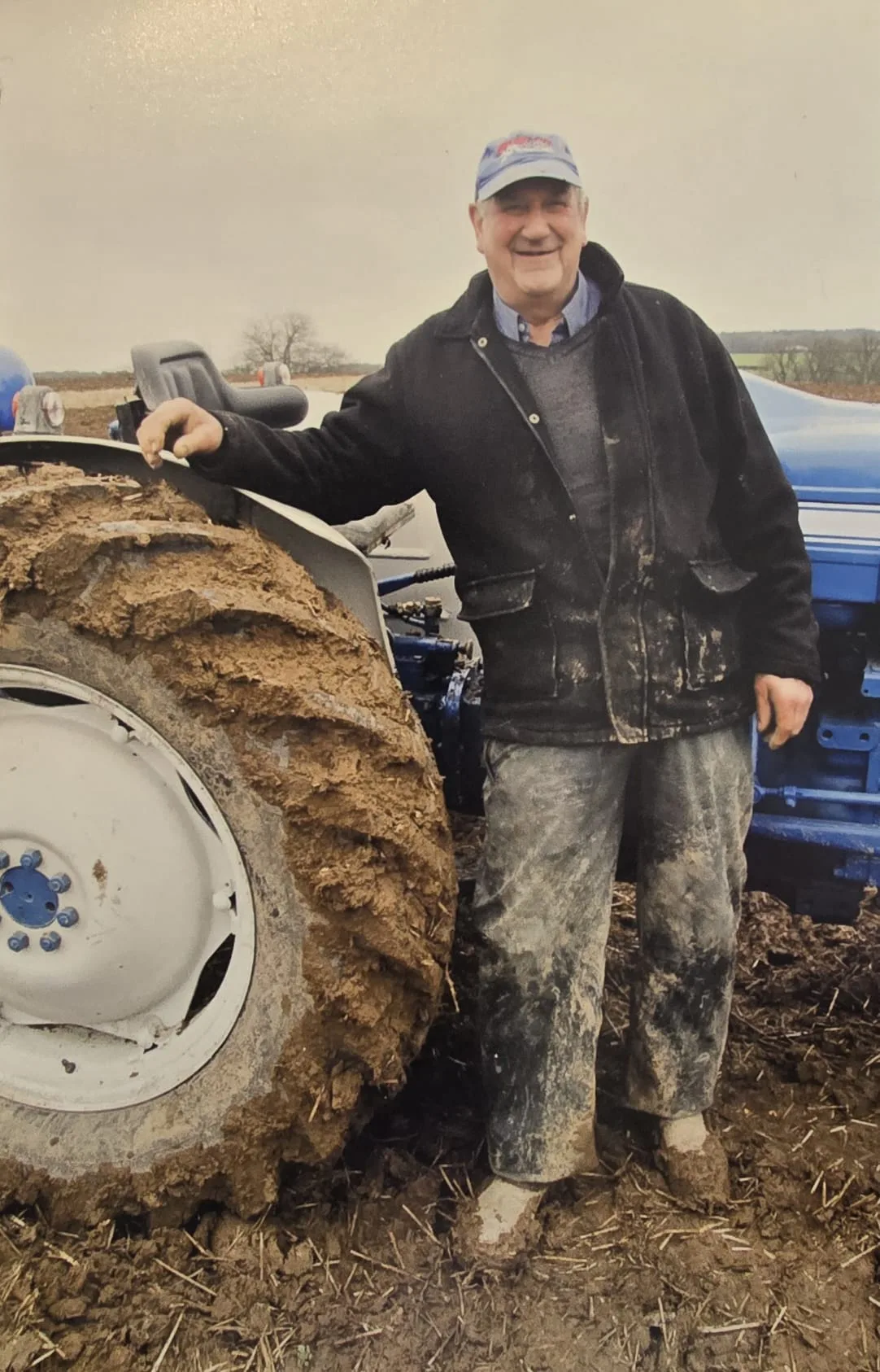
Ray Churchill passed peacefully on Thursday 4th September, aged 81 years. Beloved husband of Nora and son late Michael. Much loved man of sisters Mary, Yvonne & late Eilean.
Funeral & burial Service at St Mary’s Church, 60 High St, Sixpenny Handley, Salisbury SP5 5ND, on Saturday 27th September at 2pm. For those who would like to join the tractor procession and follow the hearse, ample parking provided at church farm. Family flowers only please, donations if desired to Salisbury District Hospital Stars Appeal. https://donate.justgiving.com/charity/salisburyhc/donation-amount
The drought’s broken, the foals are growing, and this year weaning is later – the final weeks of summer have brought a fresh focus on long-term performance at TGS
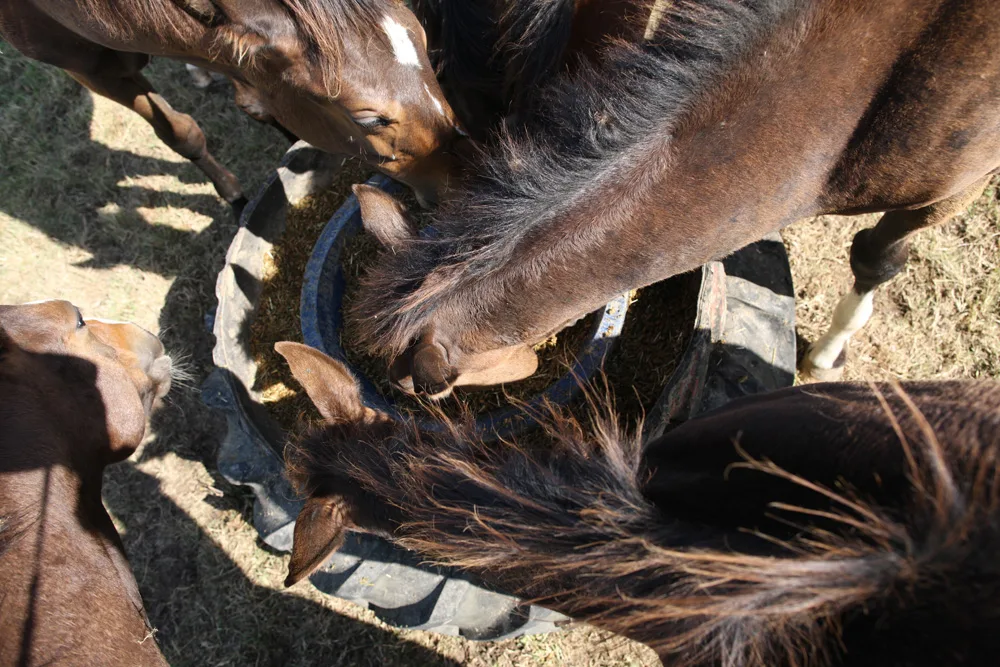
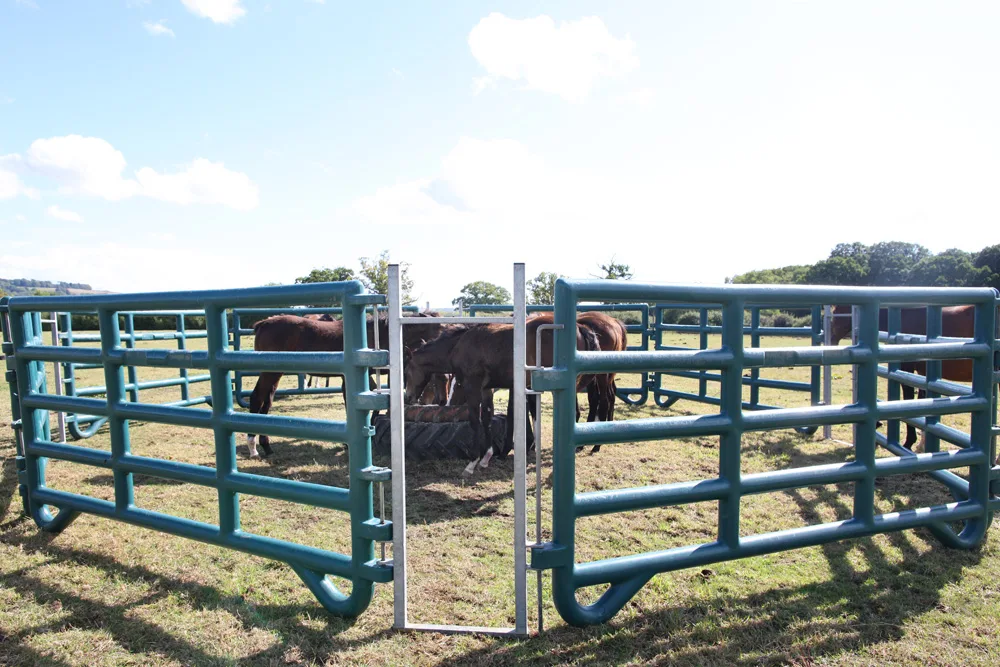
Inside the creep feeder All images: Courtenay Hitchcock
Two months ago, in this column, we were celebrating our last foal of the season. A few weeks later, we were asked to foal two polo mares, so it was back to split sleeping shifts for Doug. The second mare hung on and foaled so close to the end of August, we had begun to think that we were going to still be sitting up in September: unheard of at TGS!
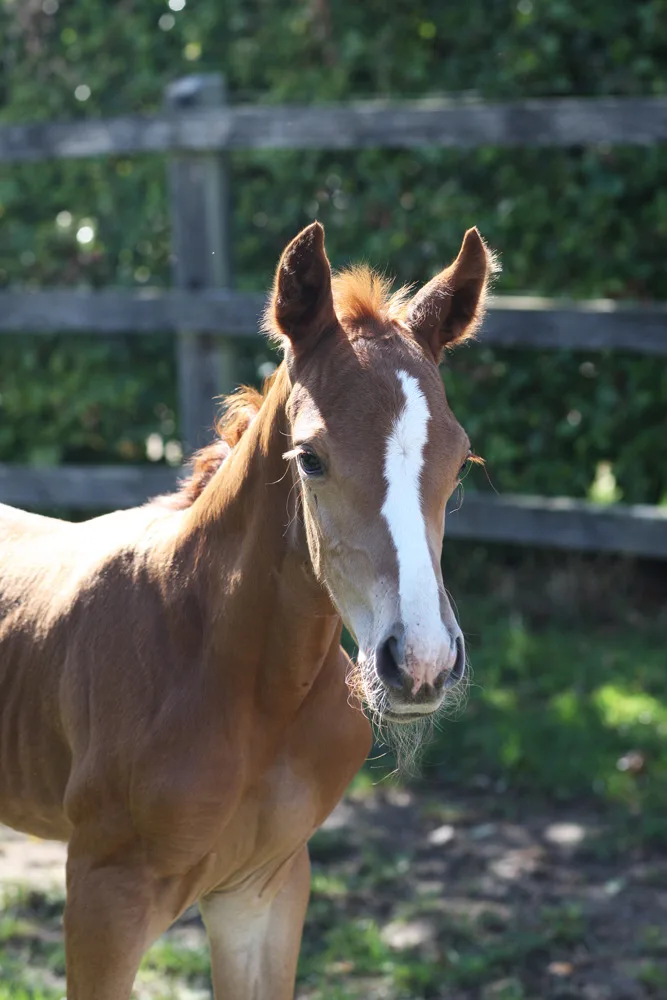
The final, final foal of the season, a friendly and bold polo pony colt, just one week old in this photo. His dam was a highly rated, but now retired, polo pony mare, and his sire is Dolfina Cuarteto de Nos, himself a champion polo pony. With his Thoroughbred genetics, this colt loves to gallop – and although he isn’t destined for the racecourse, he will need that speed on the polo field in years to come. He also gets this year’s prize for the foal with the shaggiest whiskers!
Thankfully, the drought has finally broken and the fields which had become brown and dusty are quickly greening up with fresh grass growth. It has been an expensive summer though: we have fed more hard feed than usual, and we have been putting hay out each day. The extra feed was to help ensure that the mares had sufficient nutrients and calories to produce good quality milk for those with foals at foot and optimal embryo growth conditions for those mares back in foal.
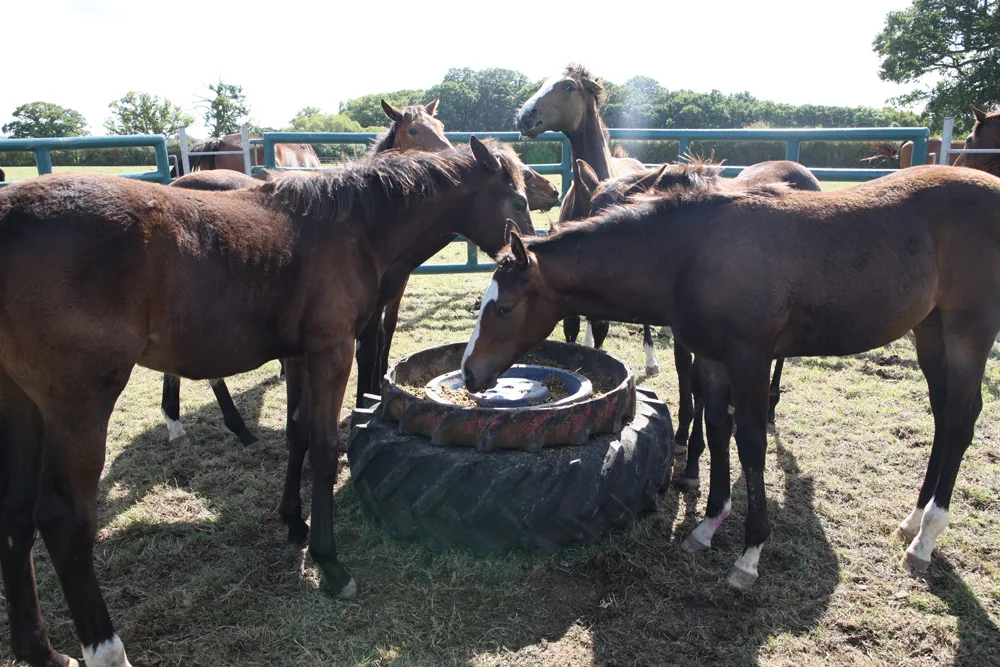
Things can get a bit wild in the creep feeder at the beginning of breakfast, until the foals settle down. One person tends to stay with the foals whilst they eat the majority of their feed to help ensure that the more timid foals do not get pushed off.
With all the new grass, we need to keep a close eye out for any mares beginning to look footsore or lame. It is not just fat ponies that can get laminitis. In all cases, laminitis involves inflammation of the laminae, the tissues that attach the hoof wall to the bones in the foot. It causes severe pain and damage to the hoof structure. Although relatively rare in Thoroughbreds, this current flush of new grass, with its high sugar and starch content, could still pose a danger that we have to be aware of. Only last week, Ruling Court, an exciting Godolphin-owned 3-year-old who won the prestigious 2,000 Guineas, Group 1 flat race at Newmarket in May, had to be put down due to complications arising from laminitis. We also need to monitor the acorn drop because acorn poisoning is another very real danger for horses – and indeed, dogs. In normal years, there is plenty of grass and the horses tend to ignore the acorns. This year, however, with grass only just beginning to grow and therefore still in short supply, there is a greater danger that hungry mares or foals might turn to the acorns as a tasty smackerel of a tummy filler.
The creep feeder is made of lightweight but robust plastic with five metal gateways that are big enough to let the foals access the feeder, but which are too small for the mares to fit through.
Always adapting We haven’t quite started weaning the foals yet. New research conducted by the Royal Veterinary College has revealed that Thoroughbred foals that are given extensive turnout in large pastures during their first six months, and those weaned later, are more likely to go on to race, compete more often and earn more prize money. Our foals have always had acres of space to gallop around and play in, but this year we are consciously keeping them with their dams that little bit longer. If applying the findings of the RVC’s study can help us keep the Thoroughbreds we breed within racing, and also support them in reaching their full athletic potential, then we’re keen to follow that guidance and align with the Welfare Board’s strategic priorities for the care of horses bred for racing.
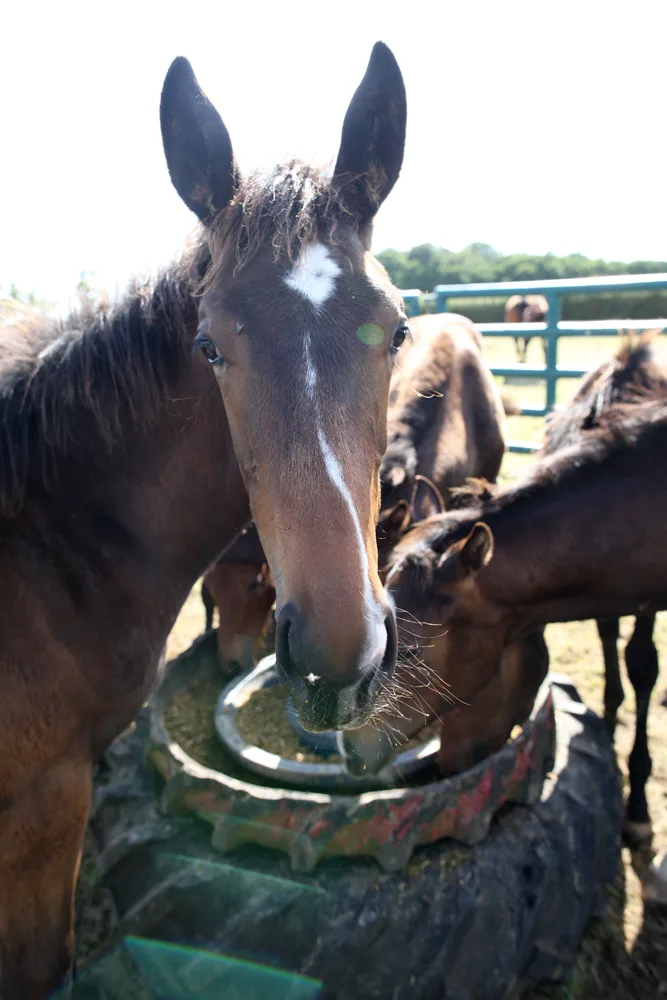
Our inquisitive Golden Horn colt, taking a brief break from troughing his breakfast to investigate Courtenay’s camera. The feeder itself is made of tractor tyres, the top one cut in half horizontally, and with no sharp edges it is very safe for the foals
In addition to their dam’s milk, foals quickly copy their mothers grazing behaviour to supplement their diet, and with this summer’s lack of grass, they have been tucking into the hay put out in the fields, alongside their mothers, each afternoon. The foals also quickly start picking at their mother’s feed from a very early age. To help promote good, healthy growth by ensuring that the foals have all the important nutrients required, and also to help reduce the stress at weaning, a specially-formulated stud concentrate feed is provided from around three to four months of age. We feed the foals in a creep feeder, which they can walk into, but the mares cannot access as they are too big to fit under the bars or through the gates. So the foals can happily eat without the mares pushing them off and scoffing the lot. For now, we are happy that the very final-final foal has been foaled, and we can get on with prepping the first few Thoroughbred foals of the year: they are almost six months old, and we will soon be getting them ready for the autumn/winter sales.
When Sturminster Newton’s 778-year-old livestock market closed, the ringing of its bell marked the end of an era. For centuries the market had shaped the town, but suddenly seven acres in its heart lay empty – and Stur soon faced one of the biggest upheavals in its history. What followed was a decade of plans, plots and protest meetings, of political battles and planning disagreements.
Stur Exchange
The much-loved Sturminster Hall, home to community life for forty years, was lost along the way. Yet out of the arguments and uncertainty came The Exchange – the wonderful community building and arts centre the rest of Dorset wishes it had. That journey, and the story of how the old market bell now hangs inside The Exchange, is one of the themes explored during Sturminster History Week (20th–28th September). Visitors will also find out why the building is called The Exchange, how it was paid for, what it is for, and why it matters. Drop in during History Week to see the Market Signal and bell, the river-themed staircase, and an art exhibition in the café. Learn what goes on inside The Exchange today, pick up a brochure, and enjoy exploring a pivotal chapter in the town’s story. Entry is free and everyone is very welcome.
It finally rained, it’s autumn eventing season – and for Jess Rimmer it’s a fresh reminder that eventers are never quite satisfied
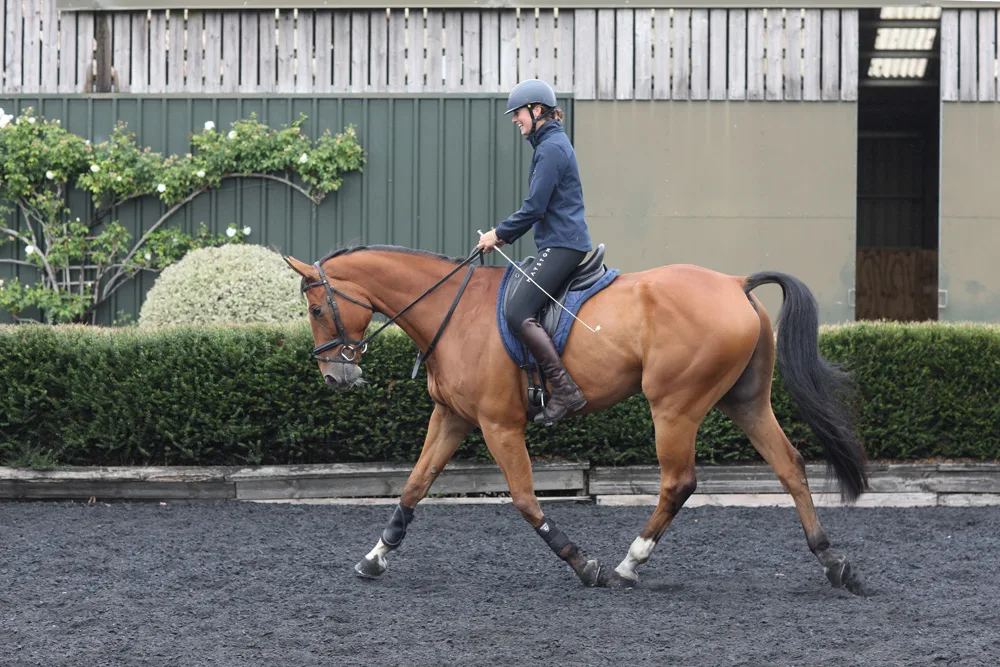
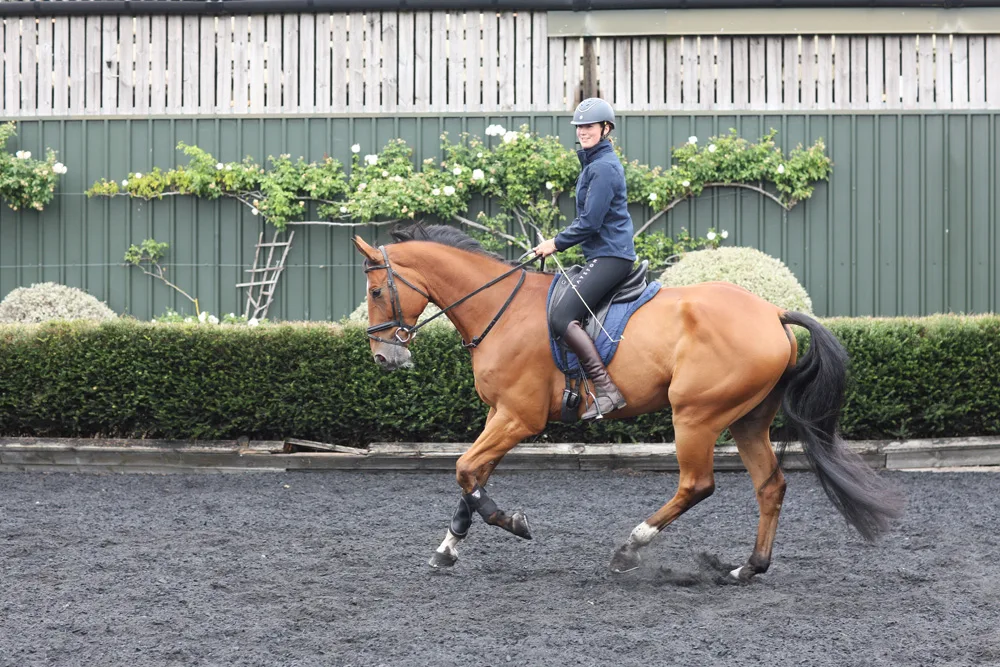
Jess working with Jimmy (Talan Blue) All images: Courtenay Hitchcock
Right – I know we’ve been doing our rain dance for weeks now, but BOO! It really feels like winter is here already, and oh my days I haven’t missed it … Muddy hooves, fresh horses, being soaked through by 10am … yuck! Don’t get me wrong, the ground has seriously needed it, and I think we are all secretly grateful that our autumn events will hopefully require significantly less watering, spiking and aggravating to give us the going we’re after. For those unaccustomed to the pickiness of us event riders, we quite like the best going possible for our horses, regardless of the time of year, climate and location. In a dream world, we’ll always have even, smooth ground with good grass coverage and enough “give” in it to minimise concussion to the horses’ feet, joints and tendons. All of which is EASY PEASY over acres and acres of grassland which hasn’t seen rain in months … The amount of work the major events have been putting into the ground recently is second-to-none – at Hartpury, the track we rode was deep lush green grass, while the going either side was crisp, brown and baked! The lengths the event teams have been going to certainly don’t go unnoticed (or unappreciated), but I’m sure the autumn event teams are breathing out a big sigh of relief! But now we get into the really picky Goldilocks part – there will be a lovely window where the ground softens as a result of the recent rain … and then we’ll all be begging it to stop. Too much rain and the ground becomes a mucky, churned-up quagmire from which many horses find it difficult to extract themselves, often leaving shoes behind in the process!
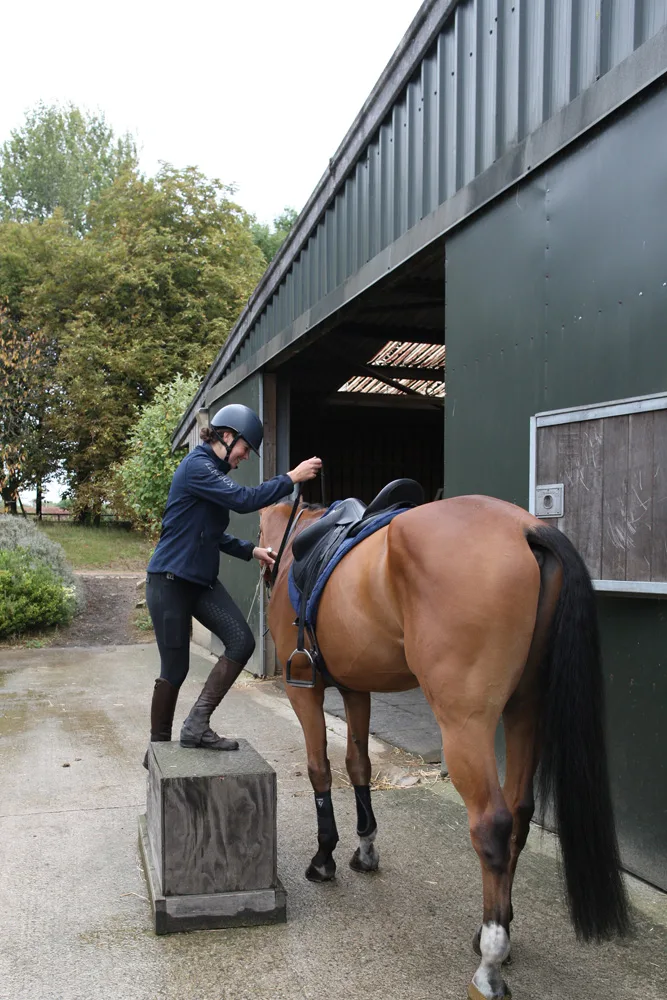
Jess climbing on 17.2hh Jimmy
When the going gets … sticky Just like people, different horses prefer different types of going. Anyone familiar with the racing world knows this – some horses like heavy going, whereas others would rather stay “on top” of the ground. It’s trial-and-error with each horse, really, but there’s a bit of a nature vs nurture debate: horses exposed to all kinds of terrain as young horses often cope better as they grow up, feeling more confident in their own balance and strength.
image Courtenay Hitchcock The BV
But with the recent influx of European breeding and imports, lots of our up-and-coming horses have missed out on this early education. Which is where the “nature” part comes in! Jimmy and Max are perfect examples – Max was born and raised in the Netherlands, Jimmy in Germany, both with strong European showjumping breeding lines. Neither of them grew up with the mud and hilly terrain the Irish-bred horses do, meaning they were both introduced to it a little later in life. Max is naturally very nimble and well-balanced – but he is absolutely the little prince when it comes to mud. He would much prefer a nice, even astro turf to run on, please! Jimmy, on the other hand, has the balance of a top-heavy milk-drunk toddler. But his footwork is brilliant, and if you asked him what he thought of the mud, he’d say: “Mud?! What mud?”. He really couldn’t give a monkeys. He just ploughs his way through it all in blissful ignorance.
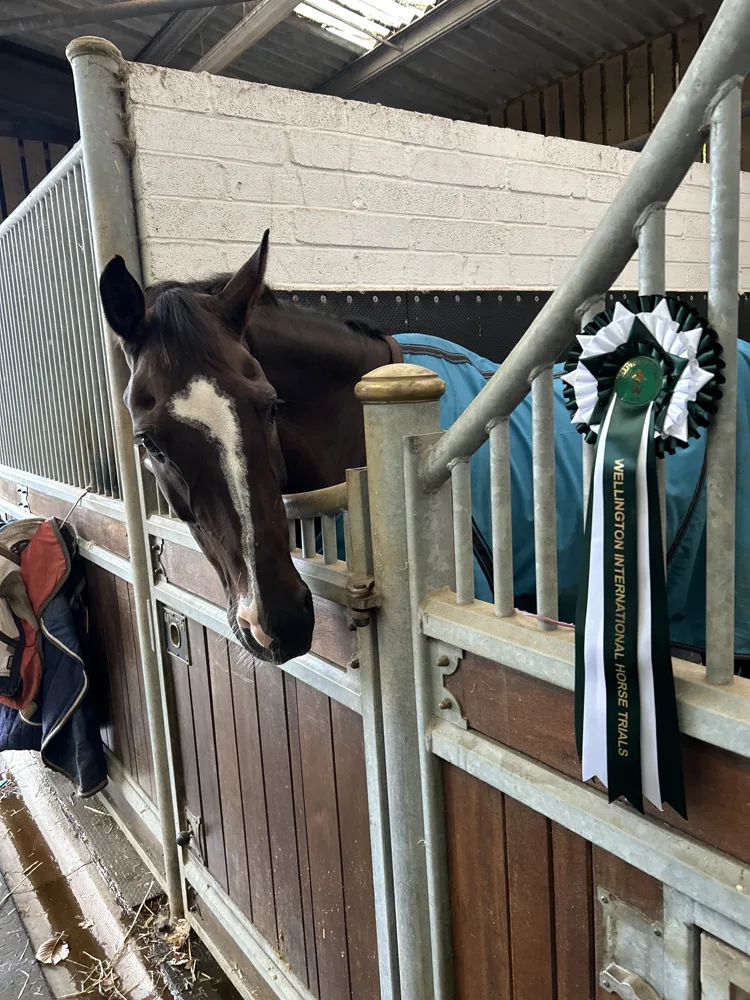
Sir Isaac Newton would like to show you his rosette for 6th in the OI at Wellington International Horse Trials this month
I’m not saying that either one of these is better than the other. Both of the horses have their own strengths and weaknesses, and now that it has rained we will use their autumn runs to practice in different conditions and strengthen them, so that they’re ready to win a wet, mucky Badminton when nobody else makes the time (hey – a girl can dream!). Time will tell what sort of autumn we will have – regardless of whether it stops raining, the horses are feeling on great form and are ready to crack on with their exciting September runs. See you on the other side!