Fairmead Community Special School transforms the lives of pupils aged between 4-19 years with additional learning needs (MLD and ASD). The school works in partnership with parents/carers and other stakeholders to develop our pupils in becoming positive individuals who make a valuable contribution to their community.
FULL OR PART-TIME LEARNING SUPPORT ASSISTANTS (LSA)
Full time based on 34.50 Hours per week, Term Time only (39 weeks).
Part-time hours are negotiable, Term Time only (39 weeks)
Grade 15-14 – £18,456 – £19,078 (full time annual gross salary). Part-time salary reflective or hours worked.
Working hours Mon, Wed, Thurs, and Fri 8.30am-3.45pm and Tues 8.30pm-4.30pm – 34.50 working hours. We can also offer supply hours for those who do not want to conform to a routine working week.
We are seeking to appoint outstanding Learning Support practitioners who are compassionate, dynamic and resourceful individuals to join our dedicated and hardworking team of skilful support staff to work across the whole school. A desired element to this role would be experience of supporting young people with Autism and moderate learning needs. For more details, please refer to the application information pack.
Prospective candidates are warmly invited to visit our school; this can be arranged by contacting [email protected]
Closing/Shortlisting Date: Thursday 16th May Interviews: Tuesday 21st May.
Fairmead School is committed to safeguarding the school community. All job applications must contain the disclosure of any spent convictions and cautions. The school will carry out pre-employment vetting procedures, which include an online search for shortlisted candidates and the successful outcome of an enhanced DBS
Note: Eggs can be different sizes, so I weigh my eggs (out of their shells), then use the same measurements for all the other ingredients. So, if the eggs weigh 250g, all other ingredients will be the same – except the baking powder.
Method
Pre-heat the oven to 180°C
Lightly grease and line (with parchment paper) two round 20cm (8”) cake tins.
Put all the measured cake ingredients in a food mixer and blend together until you have a smooth, soft batter.
Divide the mixture evenly between the two tins and bake for about 25 minutes until golden and the cake springs back when pressed. Leave to cool in the tins for a few minutes, then turn out on to a cooling wire rack, remove the parchment paper and leave to cool completely.
To make the filling, beat the margarine with the almond extract until smooth and creamy, then gradually beat in the sieved icing sugar – gradually, because it will get everywhere if you don’t!
Spread the dairy free buttercream over the bottom of one of your sponges, then top with raspberry jam and sandwich the other sponge on top.
To top and finish the cake, toast the flaked almonds in a dry frying pan for a few minutes – keep an eye on them as they don’t take long.
Make the almond water icing by combining the sieved icing sugar with the warm boiled water and the almond extract.
When the cake is cold, drizzle with the almond water icing and scatter the toasted almonds. Just before serving add a few fresh raspberries.
Now sit back and enjoy with a lovely cup of tea!
NB:You can substitute the dairy free margarine with softened butter if you don‘t need it to be dairy free.
We were thrilled to hear this morning that we have been shortlisted for the 2024 AOP Digital Publishing Awards ‘Small Digital Publisher of the Year’. The Association of Online Publishers (AOP) is a UK industry body representing digital publishing companies. They champion newspaper and magazine publishing, TV and radio broadcasting, and pure online media.
This Small Digital Publisher of the Year category celebrates “the best of those smaller digital publishers [turnover of less than £5M] who are succeeding in building a portfolio of online brands, growing their audiences and their profitability, with smaller budgets, but with ingenuity, innovation, an unbeatable understanding of their audiences and great commercial vision.”
We’re excited just to be on the shortlist among some giants of ‘small’ publishers (you can see a list of finalists on the AOP’s website here – scroll down, ‘small publisher’ is waaay down at the bottom!), but the final round of judging commences now, and the awards night is the ‘digital publishing celebration of the year!’ in June – we’ll keep you posted!
An equine therapy centre in Blandford is creating transformative connections for those most in need of healing – Sally Cooper reports
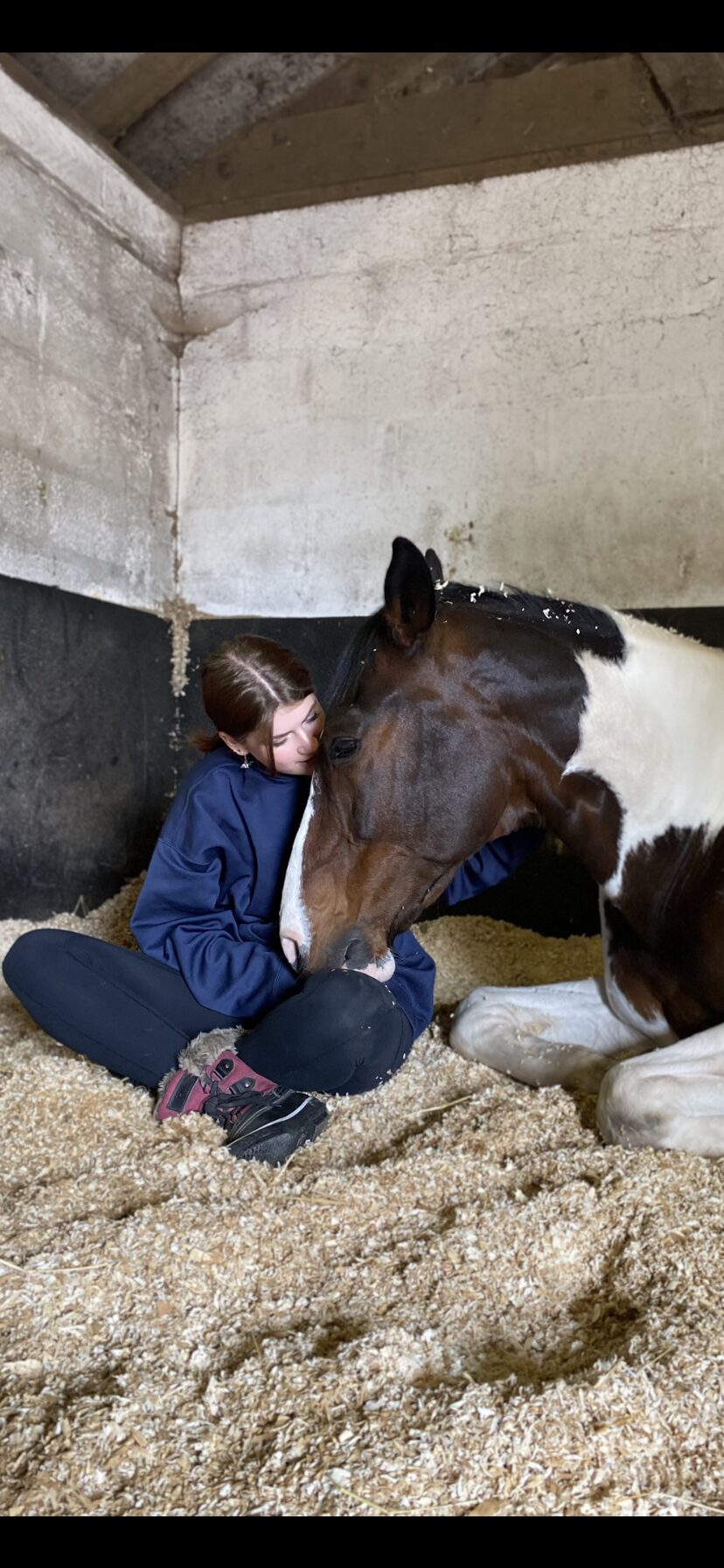
Connie and Texas spending time together All images: Sarah Vivian
It’s a return trip to Horserenity this month, to find out more about the horse connection process and mindset after my initial visit (you can read the first part here), which talks about the ‘natural herd’ of eclectic horses at Horseserenity, the equine therapy centre in Blandford. One of owner Sarah Vivian’s biggest helpers – and inspired connecters with the animal’s energy – is her daughter. Connie is an energetic 19 year old horsewoman who freely talks about how the horses continue to help her with the management of her autism. Poppy, the self-appointed leader of the equine therapy herd, was Connie’s first pony. All the animals look to her for guidance if something untoward occurs. Big shy John was Connie’s first eventer and skewbald Texas is her current eventer. When he’s not in therapy sessions, he’s helping to propel her up the levels towards Novice Eventing (a level determined by the jump height – show jumping 115cm, cross country 110cm, and a highe grade Dressage test).
Connie was a Grade A student in school, but she decided after achieving her GCSE and BTechs that formal education was not where she felt comfortable, as she frequently felt overwhelmed by a big, strictly structured environment. Since the pandemic, like so many others, Connie has felt more comfortable with life learning and a more personal timetable. It has been hard for mum Sarah, a teacher herself, to come to terms with. But, on the positive side, it has allowed Sarah to talk to other parents with children experiencing the same issues. ‘I totally empathise with you’ tend to be magic words.
Skewbald Texas is Connie’s current eventer: when he’s not in therapy sessions, he’s helping to propel her up the levels towards Novice Eventing
Connie believes that, when she is working with the horses or competing out on the circuit, she is acting as a representative for those who have hidden disabilities, which are frequently poorly considered and understood. Through social media, Connie has used her personal experiences, including serious depression, to help others, with thoughts and advice on how to cope and move on. For her, the horses and her equestrian life have been a literal life saver.
There is, of course, a juxtaposition of the determinedly relaxed style of the Horserenity world and the formal, structured world of Eventing. There are obvious issues, including the rigid structure of competing and the strict timetables … even seeing others shouting at their horses or handling them with little empathy. Instilled with high standards of care and calm horsemanship, Connie admits she occasionally has to rein in her anger at other riders’ treatment of their horses. ‘How can horses be expected to perform when they are treated in such a manner? Above all, the horse must be respected,’
Wessex Internet has revolutionised connectivity for JPL Telecom Ltd in Todber, near Marnhull, by providing a 100Mbps full fibre connection under Project Gigabit. This government initiative aims to extend gigabit-capable broadband to rural areas, enhancing digital access for communities previously limited by slower speeds. JPL Telecom Ltd, specialising in telecom headsets, webcams, and video conferencing products since 2004, now enjoys improved operational efficiency and global connectivity. This upgrade is part of the £6 million Project Gigabit North Dorset contract awarded to Wessex Internet in 2022, targeting over 7,000 properties for high-speed internet access. The enhanced connection supports JPL’s focus on innovation within the unified communications sector, allowing for uninterrupted video calls and seamless large file transfers, crucial for their business-to-business market in the UK, Europe, the USA, and beyond. Anna Dunning from JPL Telecom said, ‘We previously had many problems with only one or two people being able to be on a video call at a time. As video conferencing is what our business is about, it was embarrassing when calls would cut out. Our new connection has made a big difference; large files sent seamlessly, and video calls run simultaneously without interruption.’ Wessex Internet’s CEO, Hector Gibson Fleming, said: ‘Our primary focus is on delivering fast, reliable broadband to rural communities that may have been overlooked by other providers. As a local business embedded in the community, we take pride in contributing to the growth of fellow businesses across Dorset
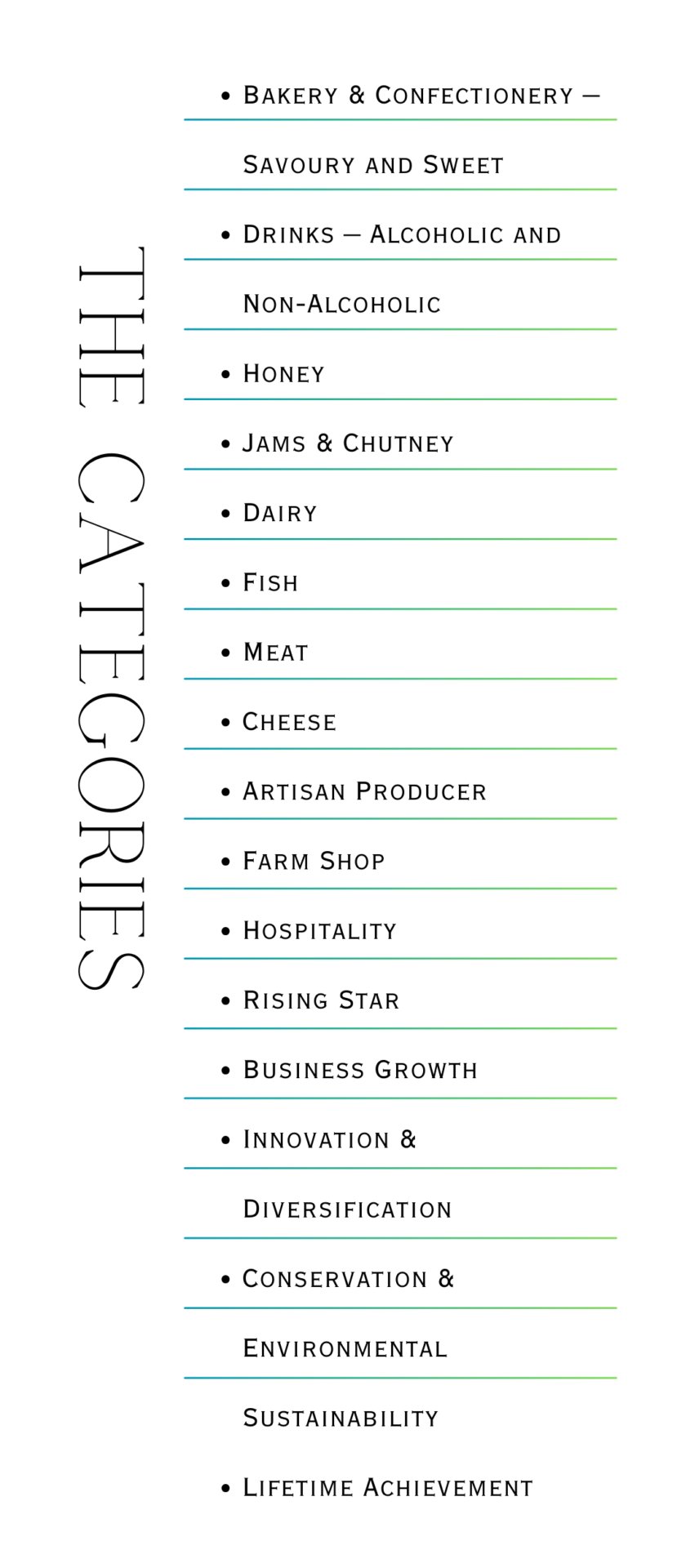
The Love Local Trust Local Awards are proud to recognise and celebrate small, independent Dorset producers and businesses. Entering the Love Local Trust Local Awards is a great way to promote your produce and business to a wider audience, and to stand out from the competition. You will have an opportunity to interact with other like-minded producers and businesses and to be part of our Love Local Trust Local family. We have just launched our new website, and entries for the 2024 awards are open until 3rd May. With 16 categories available, including new ones recognising individual and business stories, we are hoping for an exciting response to this year. We are thrilled to be participating in the Dorset Spring Show on April 27th & 28th at Kingston Maurward College. The highlight of our calendar falls on 3rd September: the awards evening. This year set against the backdrop of the Members Pavilion at the Dorset County Show, this event promises to truly celebrate our 2024 winners. Looking ahead, we plan to launch a new directory for both sponsors and members, online and in print. Our goal is to facilitate connections and collaborations among individuals and businesses. We aim to host workshops, fostering support and advice among our members and sponsors. In 2024, we’ve revamped our Sponsor and Membership packages to cater to businesses of all sizes. Detailed information is available on our website. As a self-funded organisation, we deeply appreciate everyone who currently supports us and are looking forward to welcoming new members and sponsors to the Love Local Trust Local family in 2024.
Both employers and employees need to be aware that there are some big changes happening to the Minimum Wage from 1st of April 2024. The National Minimum Wage was brought into Statutory Force from 1999 and is updated annually on April Fools Day. This year’s amendments will see both the greatest increase and the reduction of the adult pay rate age bracket down from 23 years old to 21 Years old. This major shift is seen as an acknowledgement of the Cost of Living Crisis and In-Work Poverty. While it is right and fair, it will inevituably have a major impact on wage bills. The National Minimum Wage is designed to maintain fair pay for work of equal value in the workforce for all workers over 16. Failure to comply can result in significant fines, inclusion on a name-and-shame Government open list and tribunal claims. Any arrears have to be paid at the current rates, and the maximum fine award is £20,000 per employee.
Employer actions: Check which employees are aged 21 and 22 on 1st April Check which employees turn 21 after 1st April Write amend pay letters to inform of age and band change/pay amendment Amend pay from the next payment after the age/change requirement.
There is one further change. The Domestic Worker exemption (someone who lives with you and your family but has a paid role) is now abolished. So all individuals need to now be paid the National Minimum Wage. This took effect from 23rd January this year. Sally Cooper HR Consultant, Member of the CIPD
Good taste and goodwill are the perfect recipe for Okeford Fitzpaine’s exclusive, sold-out, monthly supper club. Rachael Rowe reports
Bryan Evans preparing an Okeford Supper Club dessert. All images: Rachael Rowe
When Bryan and Jacqui Evans moved to Okeford Fitzpaine they wanted to do something for the community. While some people opt for much-needed voluntary work in charity shops or joining the village fete committee, Jacqui and Bryan had something very different in mind – they started a supper club, and it was an instant hit.
Bryan and Jacqui Evans
‘We wanted to give something back to the village,’ said Jacqui. ‘We wondered whether a supper club would take off at all. But we sold 18 tickets for the first one and everyone enjoyed it. They were gobsmacked actually – it wasn’t what they were expecting at all. So we did more and they quickly sold out as well. People were knocking on the door giving us the money.’ Bryan has a background in catering and loves to cook: ‘I went to catering school and worked in restaurants for ten years. Then I moved to corporate catering work and then sales for 30 years. I have always done something relating to catering and hospitality. It’s a hobby too. ‘Menus are a bit of blue sky thinking. I look at what others are doing, what’s popular, or I set a theme. Then I work on what we can do. We use local suppliers where possible, such as Steeptonbill Farm Shop in Milton Abbas.’ Every month, for one night only, Okeford Fitzpaine village hall is transformed into a pop up restaurant, hosted by Bryan and Jacqui. A three-course, gourmet, set menu, with a vegetarian option, is offered for £17.50. Guests bring their own drinks and glasses. Booking is essential and Bryan warns that the tickets are sold almost as soon as the menu is published.
Assiette of Dorset lamb at the supper club
The something different club ‘People come expecting it to look like a village hall, says Jacqui. ‘It actually looks like a restaurant for the evening. Initially we planned to cater for 24 but it was so popular we added four – and then Bryan said we may as well do 35. It’s a lot of people to cater for. I do all the front of house and arranging the tables, and the waiting. Bryan is the chef, and we are helped by our friend Pat Thorne. Some people have been to almost every supper club evening we’ve run, and we see new faces too. What’s lovely is that we have met so many people, and it’s something different for the whole village.’ Each month, the couple creates a menu which is then emailed out to the supper club mailing list. If you like the look of the menu, you book and pay for your place. Sometimes there’s a themed event such as Burns Night, or there might be a focus on seasonal dishes like Dorset lamb. ‘People get to try flavours they wouldn’t usually get at home or as a standard pub meal,’ says Bryan. In March there was a twice-baked double cheese souffle, an assiette of lamb celebrating Dorset produce, and a dark chocolate mousse with a caramel tuile. On Burns Night, diners were treated to a whisky-cured gravlax – cured by Bryan. The presentation is first class and there’s a wonderfully relaxed atmosphere. It’s also an opportunity to bump into neighbours, and most people can walk off the calories on the way home! Jacqui added that the catering also considers allergies when cooking – as all caterers do – but for a personal reason. ‘I have a life-threatening nut allergy which was diagnosed in 2009. There aren’t many places I can go out to eat, so when we cook, we do it as though we are cooking for me. Since we opened the supper club I’ve met three other people with a similarly serious nut allergy. Unfortunately, we can’t offer gluten free as we have wheat products in the home, but we do cater for nut allergies. ‘The food is mostly produced in our home and then we finish things off at the village hall kitchen. We rarely have leftovers but we freeze things like stock for the next event. When our kitchen was out of action recently, we simplified with a wine and cheese talk, it was a wonderfully relaxed and informative evening.
Bryan’s citrus cheesecake
People do expect it to be different each time, and there’s only one dish we have repeated – our steak and ale pie, because people literally couldn’t get enough of it! ‘If we have money left over we give it to a charity or good cause of our choice – we have helped the Dorset and Somerset Air Ambulance and a local wildflower project.’ Some privately-owned restaurants and cafes have supper clubs, but this one, run purely by volunteers, takes an extraordinary amount of work to organise. ‘It’s the atmosphere we’ve created here,’ said Jacqui. ‘We’re surprised how popular it’s been and the level of support. People say that it doesn’t actually matter what’s on the menu – they’ll be there!’
To sign up to the Supper Club in Okeford Fitzpaine and find out what’s on the next menu, contact Jacqui Evans on [email protected]
If you are a coeliac, gluten-free isn’t a lifestyle choice – it’s the difference between enjoying life and feeling permanently, miserably, malnourished
Christine Willis, owner of Christine’s Puddings, was in her teens when she was diagnosed as a coeliac.
Until she was in her late teens, Christine Willis always felt ill – she had headaches, stomach aches and was in and out of doctors’ surgeries and hospital for endless tests. It turned out she was suffering from malnutrition – she was a coeliac, and the diagnosis, which literally changed her life, was almost by chance. ‘Eventually, a new doctor said: “I’m going to test you for this.” And that was it,’ says Christine, who runs Christine’s Puddings, a gluten-free bakery, from the Pudding Room at her home in Sturminster Newton. Janet Baxter, who works for the Guild of Fine Food at Gillingham, is also a coeliac – but she didn’t get her diagnosis until she was in her 40s. She had a lot of discomfort but not the continuous misery that Christine suffered. However, as the years went on, she began to experience more problems and to lose weight. ‘I lost a LOT of weight,’ she recalls. ‘I was so thin, I could easily put my hand around my upper arm.’ She was also tired and lacking energy – she never actually fell asleep at the wheel of her car, but it was sometimes a close call: ‘I had various tests and then a doctor did a test for coeliac disease, and after a biopsy, the diagnosis was confirmed. ‘No two people are the same – some people have bloating, some people lose weight. Doctors sometimes test sufferers for cancer before they diagnose coeliac disease.’
Butternut Squash with Coriander and Toasted Seeds quiche, a recipe in Honeybuns’ All Day Cook Book
Janet stresses the importance of getting that proper diagnosis: ‘The internet encourages people to self-diagnose, but it really is necessary to see a doctor and have the blood test.’ There is no medication possible – at present, at least – so coeliacs need to be very careful about their food choices. After her diagnosis, Janet joined the Coeliac UK society and is full of praise for its annual directory of gluten-free products and where to find them. ‘It’s our bible,’ she says. Like many people with food-related health conditions, Janet is used to people assuming she will be OK with ‘just a little bit of wheat’ – she won’t be. Or that it is a simple allergy – ‘It isn’t. It is an auto-immune condition.’
Janet Baxter who works for the Guild of Fine Food
At work, where her roles include the full-on job of dealing with products arriving for Great Taste judging, she often has to handle bread, cakes, biscuits and other wheat-based baked goods (wheat is, of course, in many other products). However, unlike people with a nut allergy (where any contact can be fatal), coeliacs are not affected by handling products with gluten – but hygiene is critical. She is constantly washing her hands. Fortunately, in the years since Janet was diagnosed, the availability of gluten-free (GF) foods has increased significantly, with a large range of GF bread (although the general consensus is that most of it is better toasted than eaten straight), ‘and there are lots of brownies and cakes – but very rarely savoury things.’
Some of Christine’s savoury tarts
Keeping it local Christine Willis can help with that – she makes gluten free pastry that is so good it is in demand from chefs as well as domestic cooks needing gluten-free products. Her range includes Christmas puddings, sweet and savoury tarts, pastry cases and doughnuts plus a few other things which can all be bought at shows or her pop-up shops (see her website, below, for more information). Her business customers include Brimsmore Garden Centre Yeovil and the Celtic Manor resort near Newport to which she supplies ‘thousands of mince pies’ every Christmas. She could have expanded her business or even sold it, but after realising she was ‘being used’ by various companies that approached her, she decided to ‘keep it small and help people.’ She is strongly committed to sourcing locally: ‘Where possible we use local ingredients – free-range eggs, vegetables, cream and cheeses. We strive to make each and every pudding or tart a wholesome expression of our love for food, life and living.’ Christine was one of the founders of Coeliac UK: ‘There were 30 of us initially – now there are thousands of members.’ Like Janet, she stresses the importance of getting a proper medical diagnosis – and she recognises the importance of the directory.
Honeybuns founder Emma Goss-Custard
Bakes by bike There was a time when having to go without a major food group was difficult, if not impossible. Early efforts at gluten-free bread were worthy – but sometimes almost inedible. Now there is a much wider choice, and one of the finest makers of GF products is based in the tiny village of Holwell near Stalbridge. Honeybuns, founded by Emma Goss-Custard, operates from old farm buildings at Nash Farm, where Emma and her husband Matt and a team of more than 30 local people produce a wide range of delicious and tempting treats. The brownies and lemon and ginger shortbread have been customer favourites since the company was founded more than 25 years ago, but they’re accompanied by new delights such as the Persian Flapjack with pistachios and rose blossom water and a fruited ginger traybake. Emma has also written two cookbooks – Honeybuns Gluten-Free Baking, a celebration of cakes and bakes, and the second, Honeybuns All Day Cook Book, which is a broader guide for home cooks, with savoury dishes for every meal alongside some more sweet things. Emma began making cakes and bars when she was at Oxford University, delivering her bakes by bicycle. The inspiration for her gluten-free baking was not coeliac disease – although her products are hugely appreciated by sufferers – but the collection of recipes from her mother and grandmother, reflecting their Italian roots. Many of them were naturally gluten free, using ground almonds, polenta or other ingredients that were unusual at the time. Since Honeybuns started in 1998, there have been many changes – more gluten-free ingredients are available and many more people are looking for gluten-free, dairy-free or vegan products. The Honeybuns range caters to these demands as well, but the emphasis is always on the quality of the ingredients and the pleasure they bring. ‘First and foremost, these are delicious cakes,’ says Emma.
When you look around the shelves of a food shop, you can’t miss the amount of ‘free from’ food on display. There are products that are free from up to 14 different allergens; others are specifically dairy-free, lactose-free, nut-free, meat-free, sugar-free or – the most common – gluten-free. The marketing gives the impression that these ‘free from’ foods are somehow healthier for you, and many people suffering from discomfort when they eat, hope that free-from foods will help. Often they will, if you are one of the large number of people who suffer from food allergies or intolerances. Allergies have increased globally in prevalence, complexity and severity over the past 60 years. The UK has some of the world’s highest rates of what is described on a government website as ‘food hypersensitivity’ – ‘Food allergies affect 1-2% of the UK population, with some allergens responsible for hospital admissions with anaphylaxis.’ In the UK, it is estimated that two million people are living with a diagnosed food allergy, and 600,000 with coeliac disease.