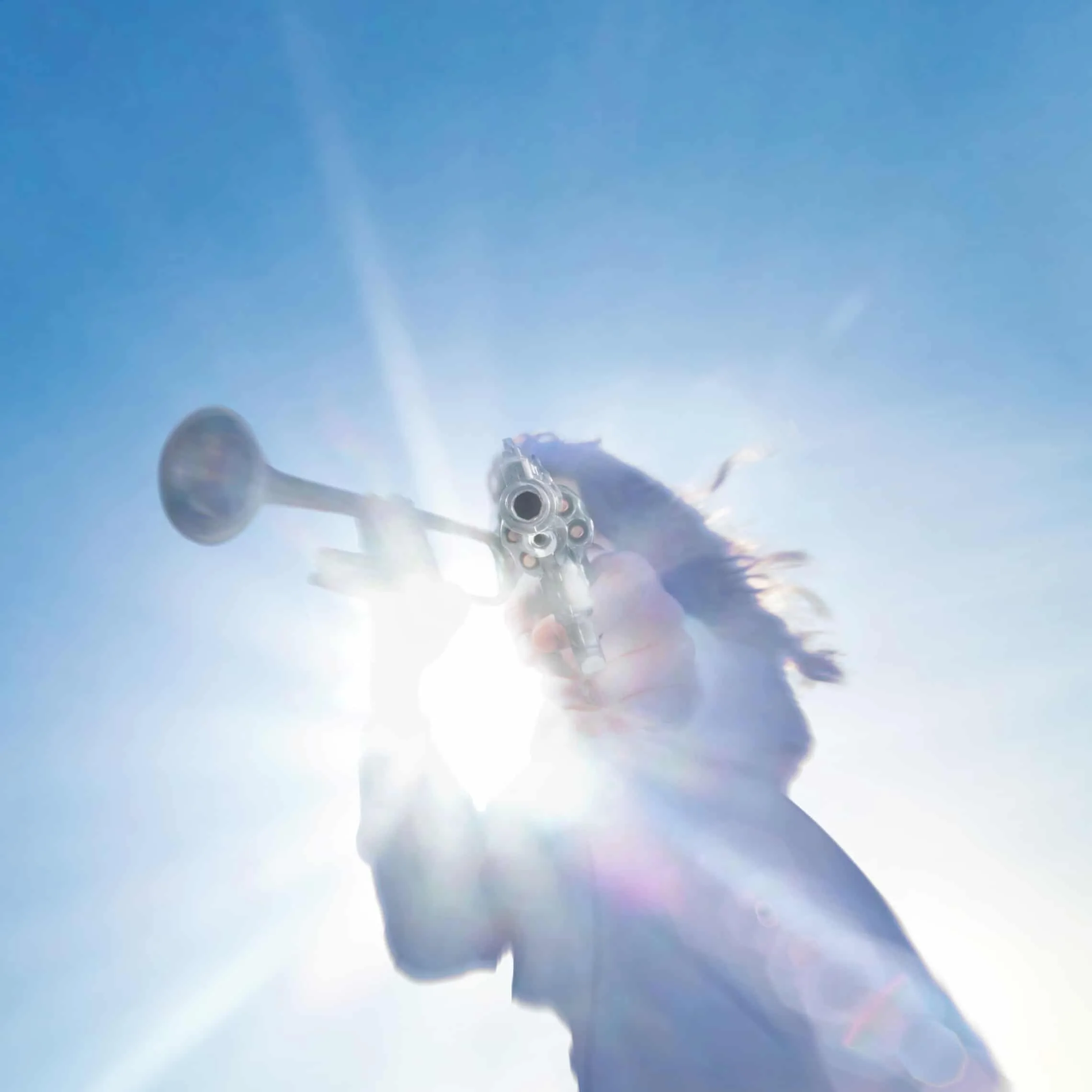
The award-winning Teddy Rocks Festival has unveiled its first wave of acts for 2026, with The Hoosiers confirmed as Saturday headliners – marking ten years since they first topped the bill at the festival’s field debut. Founder Tom Newton said bringing them back was ‘an amazing celebration of how far we’ve come’. Joining them at Charisworth Farm, Blandford, from 1st to 3rd May are Elvis–Nirvana mash-up favourites Elvana, guaranteed crowd-movers Dreadzone, and Coldplay tribute Viva La Vida. ‘There’s loads more exciting announcements to come, and we’ve got some tricks up our sleeve for the Friday main stage line up, too,’ says Tom.
What began as an intimate pub gig in 2011 has grown into one of the South’s best-loved family festivals, now welcoming thousands each year to raise vital funds in the fight against childhood cancer. Teddy Rocks has now raised more than £800,000, supporting children’s cancer charities, funding research, and helping families during treatment. As well as live music across the weekend, the festival is known for its family-friendly atmosphere, with food stalls, bars, fairground rides and children’s activities alongside the main stages. Titled one of the UK’s ‘Best Festivals for Families’, it offers something for everyone.
Think winter’s a quiet time for wildlife? Hamish Murray from Dorset Wildlife Trust says otherwise – from firecrests to spoonbills, this is birdsong season
After a summer full of colourful sights and sounds, winter might seem a relatively quiet time for wildlife but, as birds take centre stage, there are still plenty of exciting things to see in and around Dorset. As we move into autumn, the last few swallows and other summer migrants head south. Meanwhile, from the north, redwings and fieldfares begin to arrive to spend the winter with us. Fine conditions at this time of year can see spectacular early-morning movements of wood pigeons and stock doves past coastal watchpoints – I once counted more than 70,000 birds flying over Anvil Point Lighthouse in less than two hours – an awesome sight! Late autumn is also the time to see large flocks of finches, wagtails, pipits, larks and other small birds passing through Dorset as they escape the oncoming winter in northern and eastern Europe. These birds might look like unidentifiable ‘black dots’ moving across the early morning sky, but fortunately, each species has its own distinctive flight call – an invaluable aid to identification. The website xeno-canto.org is my go-to resource for finding recordings of birdsong (and also a fascinating place to hear, for example, what larks in Zambia sound like – Ed).
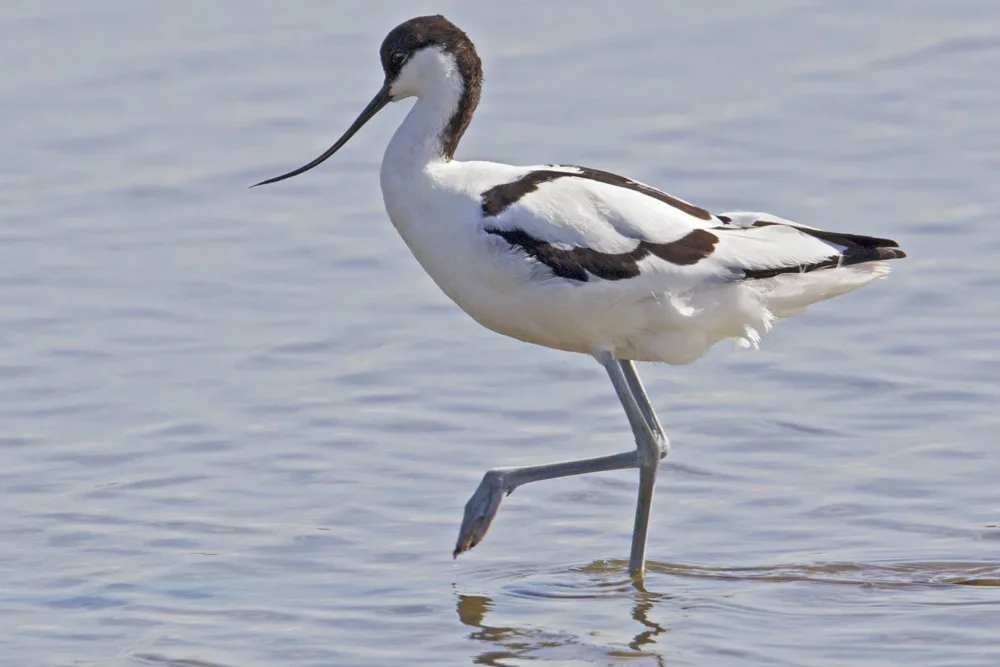
Watching the wetlands For many birdwatchers, wetlands provide the greatest interest between November and March as thousands of waders make the most of Dorset’s relatively mild winter climate. Internationally-important numbers of black-tailed godwits and avocets overwinter on the Brownsea lagoon, along with dunlin, ringed plovers, spotted redshanks, greenshanks, grey plover and many other waders. Once considered a rarity in Dorset, the aptly-named spoonbill is now a regular visitor to the county, with counts of more than 50 birds recorded in some winters.
Go down to the woods With the trees largely bare of leaves, winter is a good time to look out for woodland birds. Large flocks of long-tailed tits forage through the leafless branches, incessantly calling to keep in close contact. A careful search through holly and other evergreen trees might reveal a firecrest – one of my favourite birds, and a real woodland gem. Also listen out for the loud ‘chek’ calls of the handsome great spotted woodpecker – a very different sound to the laughing ‘yaffle’ of their green woodpecker relatives.
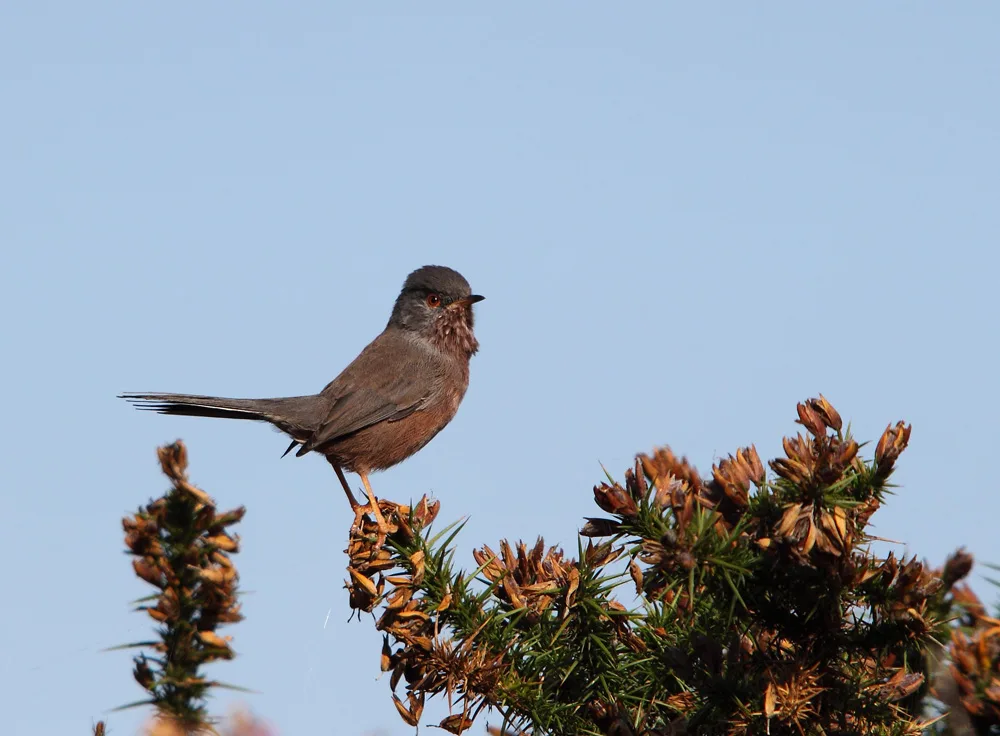
Although most warblers will have left our shores by December, Dartford warblers stay with us, surviving the heathland winter on a diet of spiders and other small invertebrates. In recent years, blackcaps have become an increasingly common sight in Dorset gardens – especially those with well-stocked bird tables. Ringing studies have shown that many of these birds will have, in fact, bred in Germany.
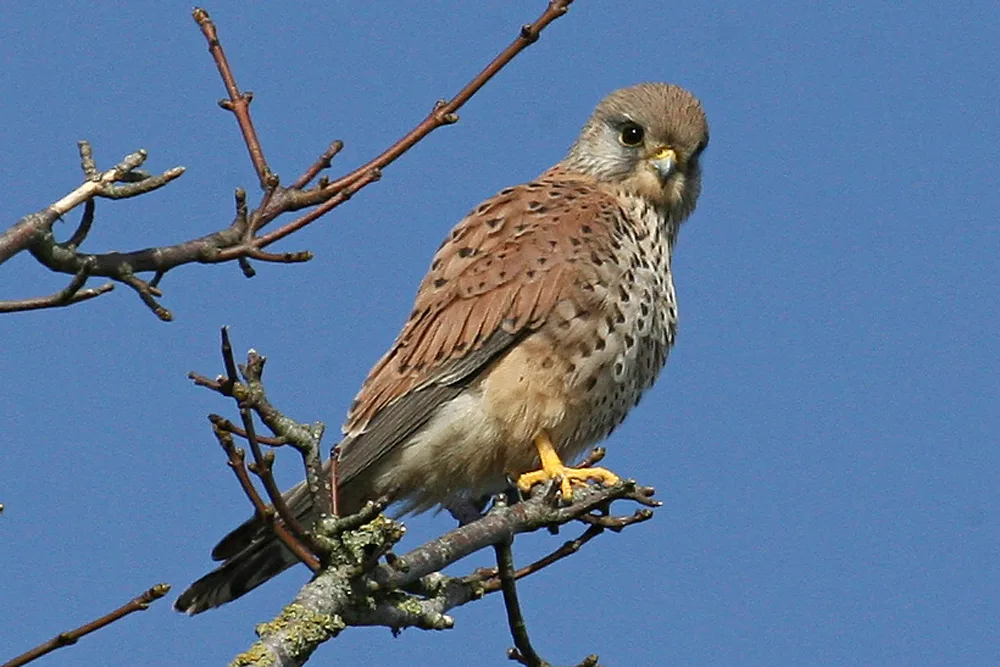
Around our towns and villages, the familiar territorial hoots of male tawny owls can be heard in December and by January, the ringing ‘tea-cher’ song of great tits is a common sound. During a winter stroll, it’s always worth keeping an eye out for birds of prey. Resident kestrels, sparrowhawks and buzzards are the most likely to be encountered, with an increasing population of red kites. With some luck, a tiny merlin might be seen dashing across the winter sky, while spotting a ghostly hen harrier quartering over open ground is always a red-letter event. dorsetwildlifetrust.org.uk
Renowned lutenist Matthew Nisbet will bring the delicate sounds of early music to St Peter’s Church, Dorchester, on Friday 14th November.
After Sunset Fadeth is a historically-informed candlelit programme. Matthew will perform on a range of period instruments, including several types of lute and the baroque guitar, guiding the audience through their history as well as the music written for them. The programme, lasting around 75 minutes without an interval, promises an intimate evening where the atmosphere of candlelight and the rich timbres of these instruments combine to create a rare experience in the heart of Dorchester.
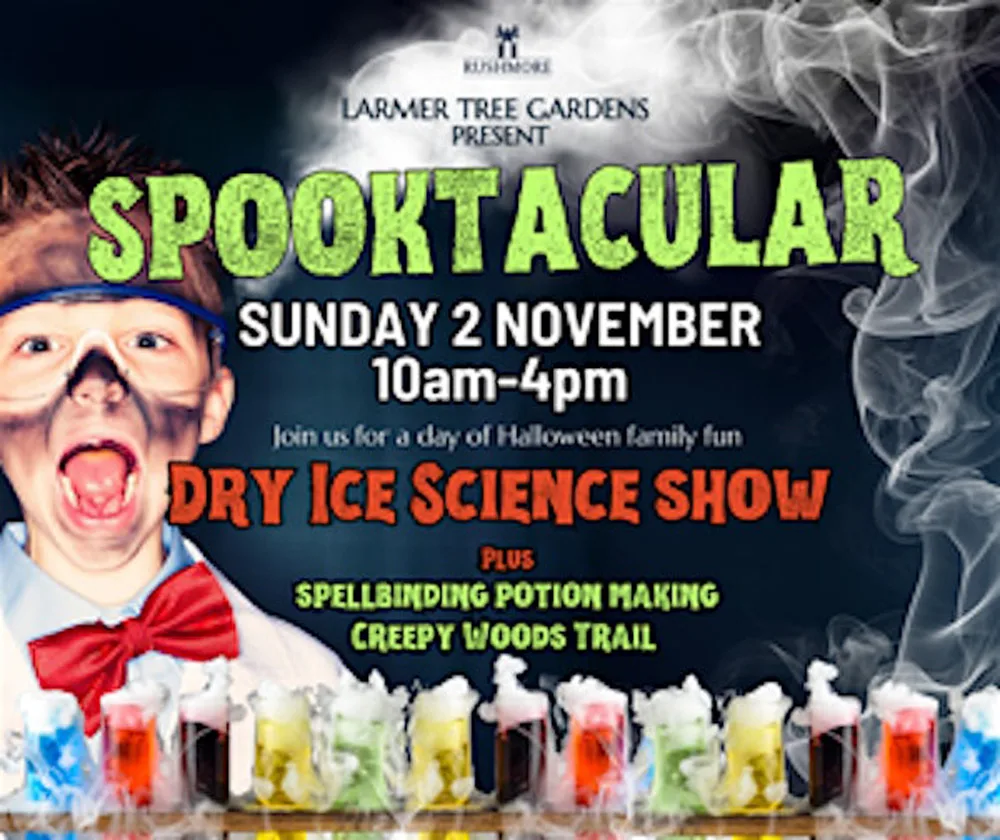
Larmer Tree Gardens invites witches, wizards … and mad scientists to its much-loved Halloween Spooktacular on Sunday 2nd November 2025, from 10am to 4pm.
This year’s highlight is the brand-new Spooky Science Show, with two performances at 12pm and 2pm. Kids can enjoy bubbling potions, smoking dry ice, and magical experiments that bring science and sorcery together in a fun, family-friendly way. Alongside the shows, there will be potion-making crafts, a spooky woodland trail, and plenty of spooky fun throughout the day. The event is perfect for families, with free parking and a beautiful setting. £10 per child, £5 per adult, under 2s free. Tickets and more details at larmertree.co.uk
A local expert from Citizen’s Advice provides timely tips on consumer issues.
Q: I’m starting to book tickets for Christmas events, but I’ve seen stories in the news about people being left out of pocket if these are cancelled at the last minute. How can I get a refund if this happens to me?
A : Keep an eye on the organiser’s website and social media for the latest updates. You won’t be entitled to a refund if you change your mind about going, but if an event is cancelled your refund rights will depend on how you bought the ticket. If you bought your ticket from an official seller and the organiser cancels, moves or reschedules the event, you should get a refund – the official seller is the best point of contact to ask about how to get your money back.
to see if the seller is a member of the Society of Ticket Agents and Retailers (STAR). If so, you can use STAR’s complaints procedure. STAR members should receive a refund at face value if the event is cancelled and the organiser has agreed to refunds. You’ll probably only get the face value of the ticket back, and some sellers might refund postage if the event is cancelled before tickets are sent. If you had to pay booking or card fees, you might not get those back. If the official seller isn’t a member of STAR, check how you can solve an ongoing consumer problem with a business seller. You may also be able to get your money back another way, such as through your credit card company. If you bought your ticket from a ticket-reselling website, refunds will depend on the site’s terms and conditions. If you bought from a private seller and the event is cancelled or rescheduled, it is unlikely you will be able to recover your money, though we still recommend you contact the seller and ask. Be aware of scams. If your event is cancelled and someone gets in touch to offer their services to try to recover money on your behalf, be alert and make sure that you’re looking out for the signs of a potential scam. For more information on getting a refund, take a look at the Citizens Advice website.
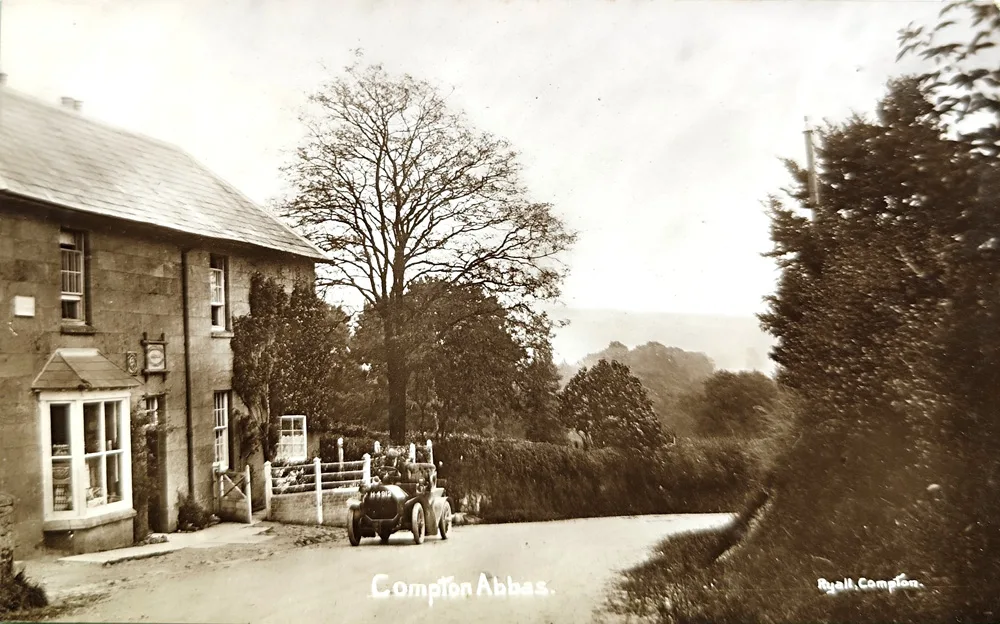
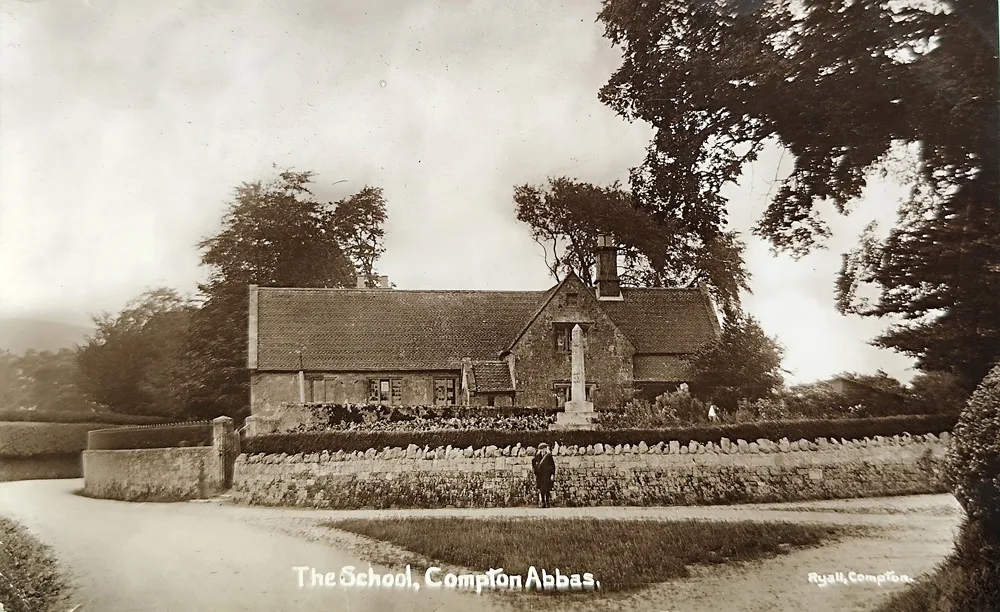
This month Barry Cuff has chosen two holiday postcards from more than a century ago
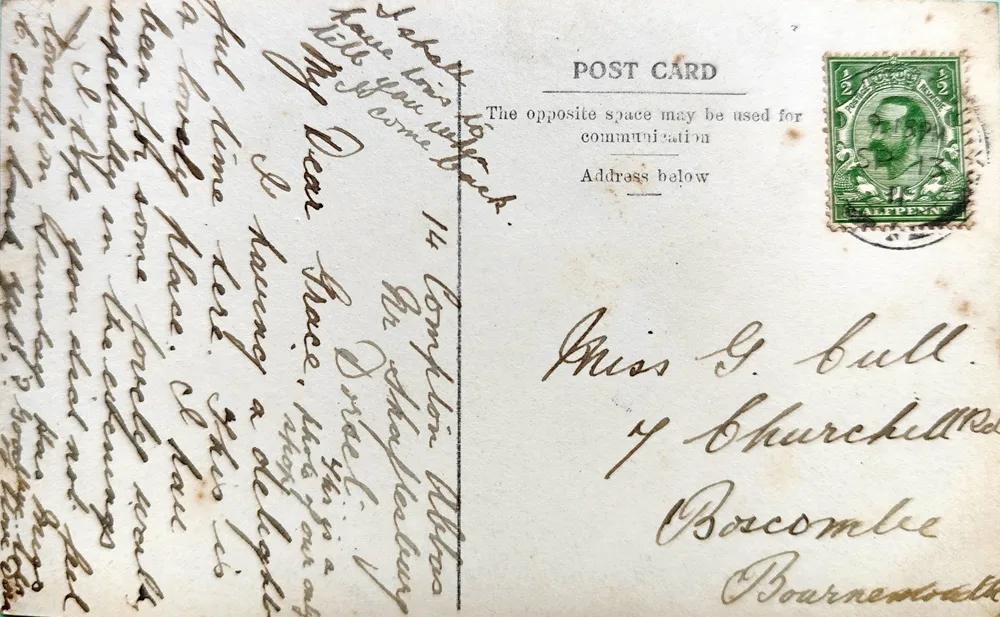
This card was sent to Grace Bull in 1911, in Boscombe (then in Hampshire). The car outside the shop (the village shop closed in 1990) has the registration H 4912 – the H series was allocated to Middlesex, first issued in 1903 and continued to be issued through to 1912. 14 Compton Abbas, Nr Shaftesbury, Dorset – My Dear Grace. I’m having a delightful time here. this is a lovely place. I have been for some lovely walks, especially in the evenings. I hope you did not feel lonely on Sunday. Has Hugo C come back yet? Goodbye, lots of love, Dora – This is a photo of our only shop – I shall have lots to tell you when I come back. –
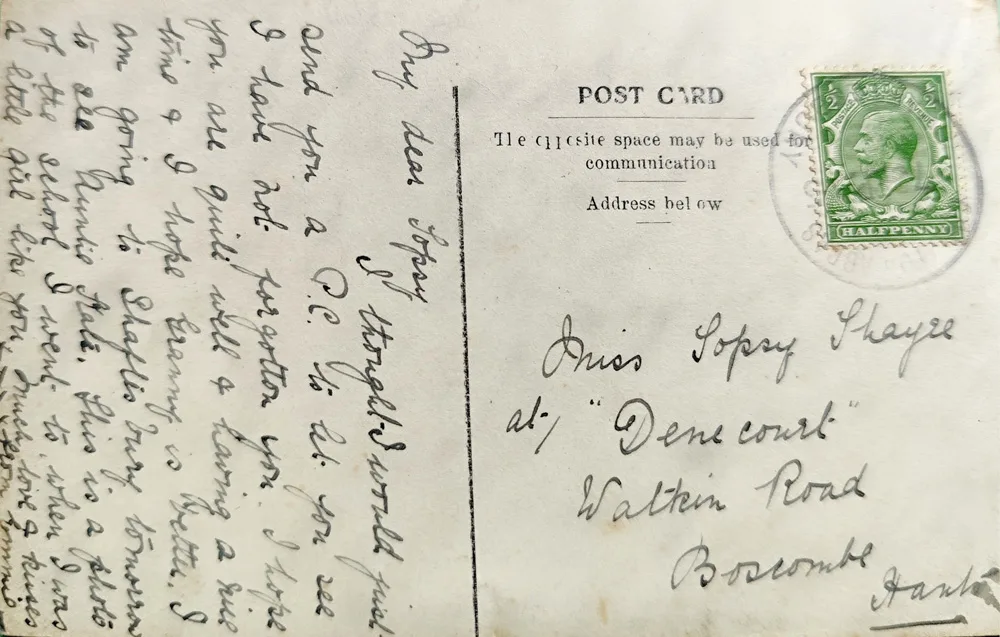
Taken by a photographer standing on what is now the main A357, Compton Abbas School – now the village hall – was built in 1849 and listed in 1960. Another card sent to Boscombe by a holidaymaker, this time in September 1915, it is addressed to Miss Topsy Shayze. A mysterious figure, “Shayze” seems to be part of Topsy’s nickname, as no such surname appears in any census. Denecourt is still a substantial house in Boscombe, though is now divided into five flats. My dear Topsy I thought I would just send you a PC to let you see I have not forgotten you. I hope you are quite well & having a nice time & I hope Granny is better. I am going to Shaftesbury tomorrow to see Auntie Kate. This is a photo of the school I went to when I was a little girl like you. Much love & kisses, from Emmie
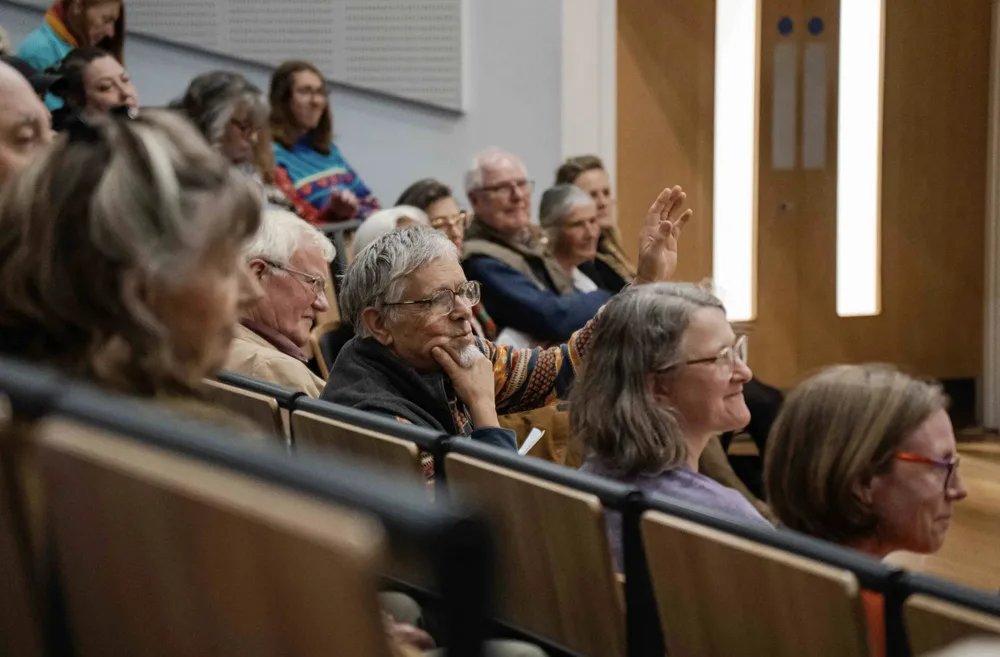
The Exchange will host Dorset’s third community-led COP on Saturday 1st November, a one-day gathering organised by Sustainable Dorset that puts local voices at the heart of the climate conversation. Workshops will run throughout the day on topics including nature recovery, river pollution, food security, transport, retrofitting and renewable energy, with guest input from solar entrepreneur Howard Johns. Visitors can also meet the people behind inspiring grassroots initiatives – from repair cafés and village-led climate groups to community food projects and creative arts exploring our relationship with the land.
The Exchange will host the third Dorset COP on Saturday 1st November
‘This is a day for farmers, organisers, repairers, youth workers, growers, wildlife champions, and anyone dreaming of a fairer, more resilient Dorset,’ says Sustainable Dorset chair Jennifer Morisetti. ‘With 77 per cent of Dorset’s land farmed, and Sturminster Newton right in the heart of the Blackmore Vale’s prime dairy farmland, it’s the ideal place to focus on rural issues. Topics will include nature recovery, river pollution, food security, transport and retrofit.’ Laura Tyley of This Living Place adds: ‘There’s so much inspiring action already happening across our rural communities. What we often lack are opportunities to bring all that energy together in one room – to connect, to learn from one another and to feel part of something bigger. Dorset COP is fast becoming that space. ‘Unlike the international COPs – which are disconnected from people’s everyday lives and the real ecosystems we depend on – local COPs flip that on their head. They remind us that meaningful action starts in local contexts: in our towns, villages and shared spaces. If we’re going to build a thriving future for both people and our planet, it has to come from the bottom up.’ The COPs’ aim is not only to raise questions – how do we adapt, how do we care for each other and the land, how do we build resilience? – but to share answers and highlight practical examples already working across the county. Dorset COP 2025 aims to be open and accessible to everyone and is operating a pay-what-you-can policy this year. ‘There’s a suggested donation of £10, which helps cover the costs,’ Jennifer says. ‘But please pay what feels possible for you. No one will be turned away due to cost. What matters most is that you’re there.’
Dorset COP 2025 is at The Exchange in Sturminster Newton, Saturday 1st November, 9am to 5pm. dorsetcop.info
Bright as boiled sweets and fussy as cats, these fungi reveal Dorset’s ancient meadows – Jane Adams invites you to meet the waxcaps
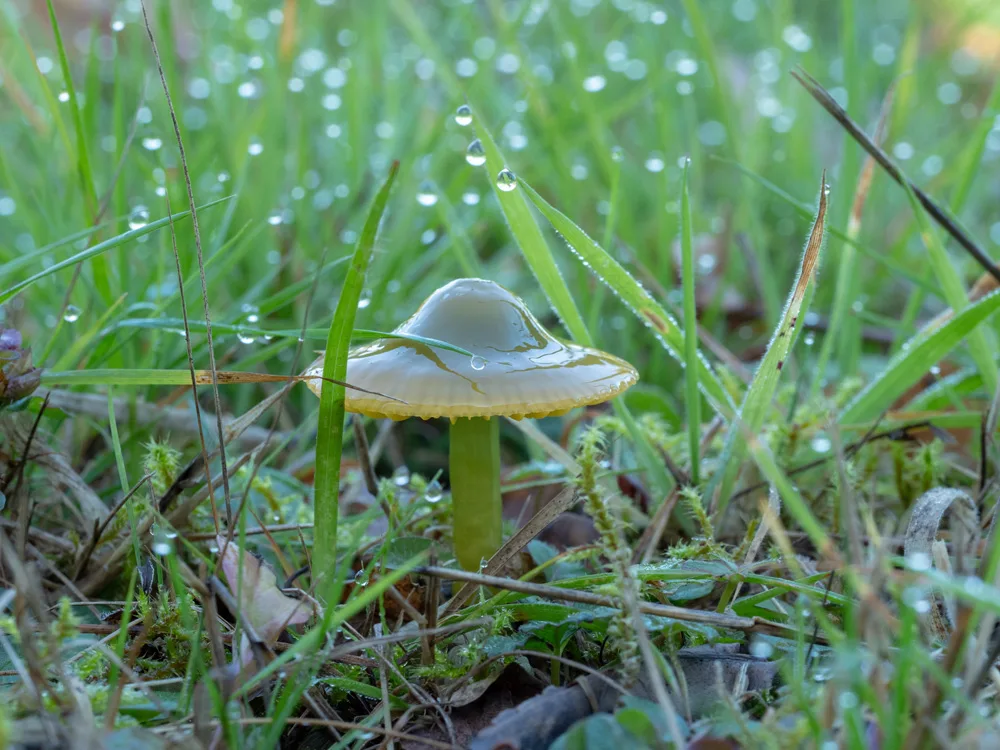
Parrot waxcap – Gliophorus psittacinus
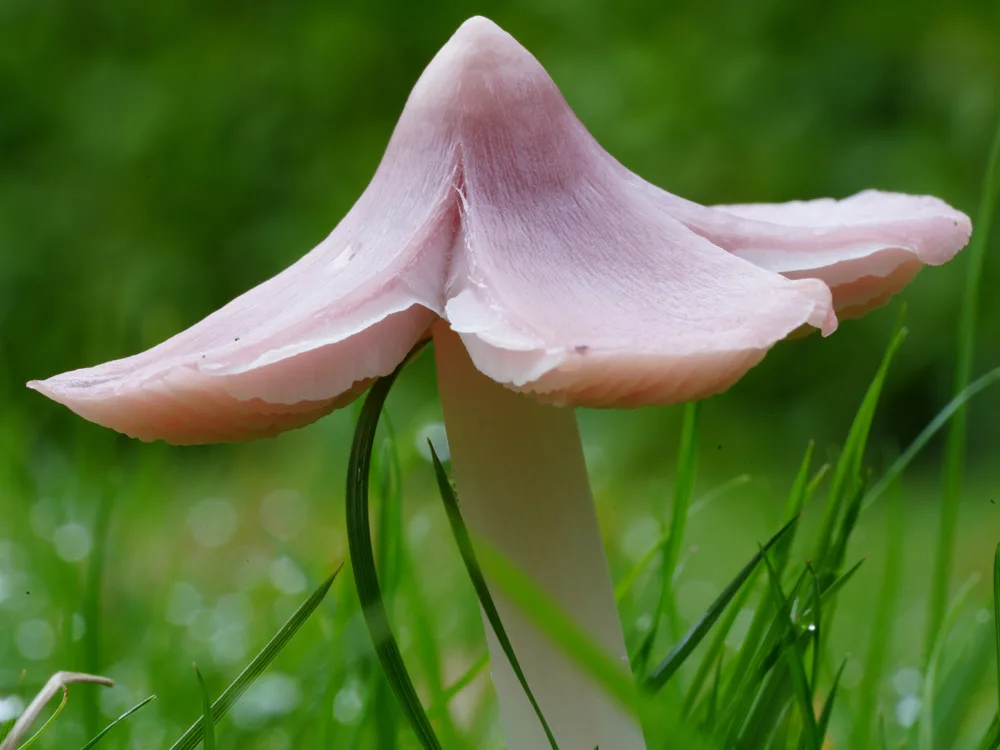
This month, if you walk through a meadow of tightly-cropped grass, you might spot colours you’re not expecting: red, yellow, pink, even purple. If you do, you have probably found waxcaps – small, glistening grassland fungi – and before long you will be spotting them all over the place. Waxcaps are different from many fungi, in that they have a fondness for old, unimproved grassland. This is grassland that feels caught in a time warp, still managed with traditional farming methods, never ploughed or treated with modern fertilisers. Finding a wax cap is usually a sign that the surrounding grass has been left untouched for decades, even centuries, because they they are so fussy about where they grow. Sadly, that also makes these little organisms not only special but increasingly rare. The intensification of farming has pushed waxcaps – and the habitats they depend on – into the conservation spotlight. In Dorset we are lucky. We still have some very special waxcap hotspots right on our doorstep. Down Farm, near Beaminster, is designated a Site of Special Scientific Interest (SSSI) specifically for its fungi, including an amazing array of waxcaps. Dorset Wildlife Trust’s Kingcombe Meadows is another fungi-rich site, criss-crossed with public footpaths and well worth exploring. The National Trust’s Stonebarrow on the Golden Cap estate hosts an autumn walk to introduce visitors to these colourful fungi. Though there are more than 40 species of waxcap in Britain, they’re so rare you’ll be lucky to see more than a handful when you are out and about. Some have intriguing names: the Blackening waxcap starts out orange before turning sooty black; the Parrot waxcap, slimy, small and tinged green; the Meadow waxcap, plump and buff coloured and the Scarlet and Golden waxcaps, which glow once you notice them tucked into the grass. For Barbie fans, there is even a Pink waxcap, delicate and glossy, as if crafted from sugar icing. Fungi really come into their own in October, and with UK Fungus Day on Sunday 5 October, why not take a walk in a grassy meadow, keep your eyes down, and see what treasures are waiting to be discovered?
The delicate pink ballerina waxcaps, Porpolomopsis calyptriformis, open like a tutu
Spotting waxcaps October to November, especially after rain Look in short, mossy grass Take photos, not specimens!
Since The National’s blossoming in the late naughties, Brooklyn has become a hotbed of musical and creative brilliance, with countless bands based in (or relocating to) the borough finding a rich vein of form. And none have risen with what appears to be such ease and abandon as Geese. While sales of their 2021 debut LP Projector were modest, their acclaim was immediate, further cemented by the success of second album 3D Country two years later. As such, their 3rd long player Getting Killed was one of the most anticipated releases of 2025 – a level of hype which lesser bands may have crumbled underneath. Thankfully, Geese appear to remain unaffected, having turned in one of the most compelling and carefree offerings of the year.
While the knife-edge nature of their sprawling, chaotic rock and experimental touchpoints remain, Geese have tapped into something deeper to find an emotional resonance which serves as a necessary and compelling counterpoint, despite the absence of anything as unapologetically joyful as Cowboy Nudes (their most streamed song). From its first bars, opening track Trinidad finds lead singer Cameron Winter channelling Thom Yorke’s more ethereal moments, but somehow successfully layers the resulting contemplation (“I tried, I tried, I tried so hard”) with aggressive noise-rock to great effect. On the title track, a Primal Scream-style groove gives way to an introspective and self-revealing verse (“My love takes a long time, longer than a lover can survive”). But nowhere is their steady evolution into an indie tour de force more apparent than Bow Down. The swirling mash-up of 70’s soul, Tuareg blues and a wailing, keening vocal delivery reminiscent of Nick Cave’s more ebullient moments provides proof positive that Geese have mastered the art of imbibing their many influences and digesting them into something completely new and refreshingly bold. A triumph. – 4.5/5 stars