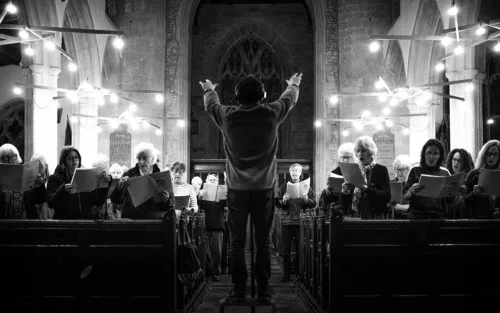
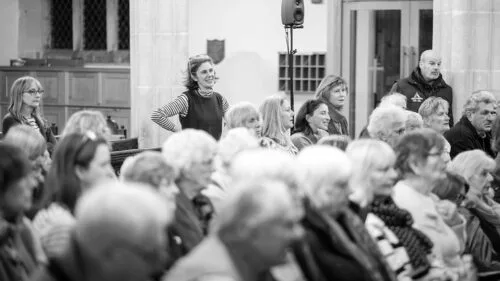
Last year, we shared the story of Windelstan – a new classical composition created for Mere by local composer Richard Nye as part of The Tower Stories project at St Michael the Archangel. Inspired by the restored church tower and its centuries of history, the piece was conceived as ‘an anthem for Mere’, weaving together music, memory and the physical sounds of the tower itself – from bells and keys to worn stone steps and ancient metalwork. That project has now taken a significant step forward. On Sunday 7th December, Windelstán was professionally recorded, capturing the full depth and atmosphere of the composition, and the recording has now been released by The Tower Stories, allowing listeners to experience the work as it was intended – reflective, layered and rooted firmly in place.
Whether you followed the project from the start or are discovering it for the first time, the recording offers a chance to hear Mere’s story told through sound. Listen online via The Tower stories.co.uk
He has been convicted of animal cruelty after dozens of animals were found emaciated, neglected and dying after repeated welfare failures
A north Dorset farmer has been convicted of animal cruelty and banned from keeping sheep after dozens of animals were found living in severe neglect, with some dying as a result of poor conditions. Nigel Anthony Turner, 56, of Ryme Intrinseca near Sherborne, pleaded guilty to 19 offences at Weymouth Magistrates’ Court. The charges followed a series of welfare inspections carried out by Dorset Council’s Trading Standards service and the Animal and Plant Health Agency (APHA).
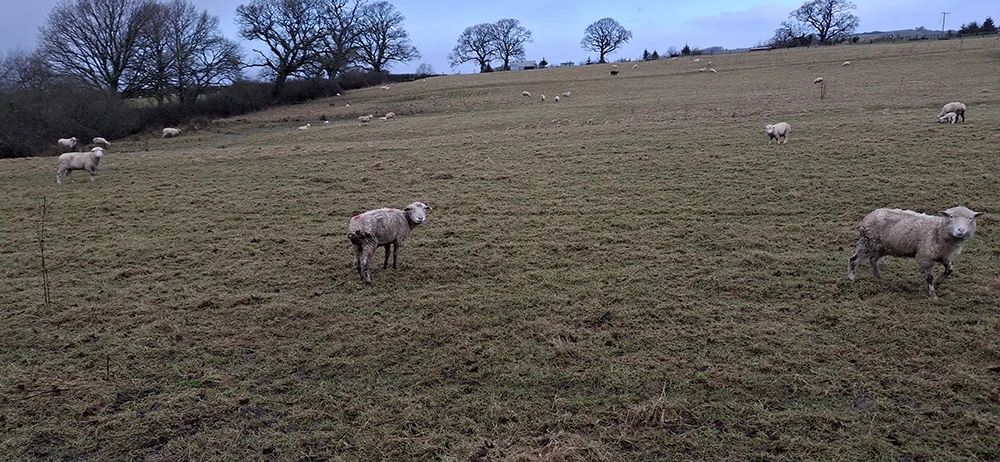
Images taken by Dorset Council Trading Standards officer of the sheep on Mr Turner’s field
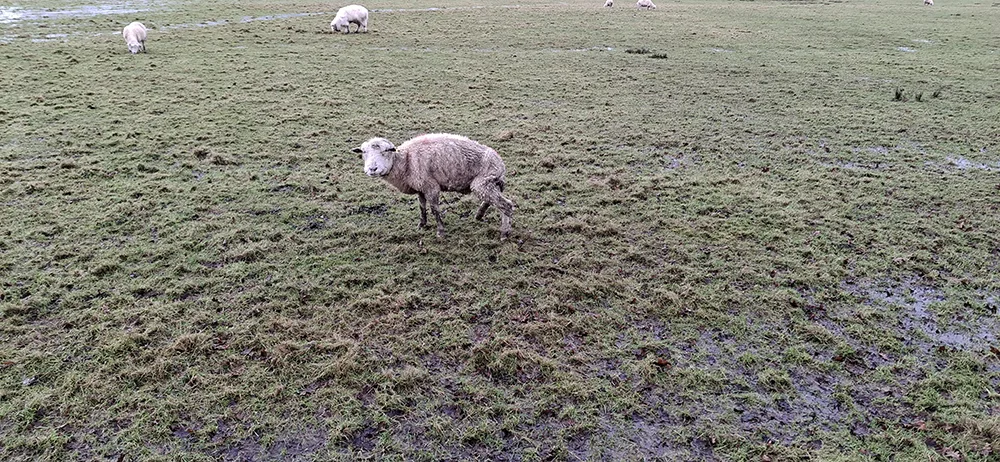
The court heard that concerns were first raised in January 2025, when Trading Standards received a complaint about the condition of sheep being kept in a field at Ansty. An initial site visit found 140 sheep grazing on land with very little available feed and no evidence of any supplementary food being provided. Many of the animals were described as emaciated and in poor condition. Eleven sheep were already deceased. During the inspection, officers found one lamb trapped in a water-filled ditch and two ewes close to death. A veterinary officer from APHA was called to the scene. One ewe was euthanised due to the severity of its condition, and the trapped lamb later died during examination. The vet instructed Mr Turner to provide immediate care and shelter to another ewe that was unable to stand. However, when Trading Standards officers and the vet returned the following morning, the ewe had not been moved and had died. Further concerns were identified during follow-up visits. Several rams were being kept in the same field, leading to indiscriminate breeding, including ewes being in lamb at an age deemed too young. Guilty On a return visit on 4th February 2025, officers found that many sheep remained in poor condition, with some well below acceptable bodyweight. Several animals were also not ear-tagged, a legal requirement for sheep identification. Mr Turner was asked to provide movement and medicine records for the flock but failed to do so. Despite his guilty plea at Weymouth Magistrates’ Court on 28th October 2025, further welfare checks carried out ahead of sentencing found continued issues, including lame and underweight sheep. Reflecting the seriousness of the offences, the court imposed a 12-week prison sentence, suspended for 12 months. Mr Turner was also ordered to pay a £154 victim surcharge and £500 towards prosecution costs within 56 days. In addition, he was banned from owning or keeping sheep for a period of two years.
Images taken by Dorset Council Trading Standards officer of the sheep on Mr Turner’s field
Appalling, shocking case Local sheep farmer Ali Tory said the case was deeply distressing, but stressed that it did not reflect normal farming practice: ‘Fortunately, cases like this are rare – most farmers care very deeply for their livestock,’ she says. ‘We also spend long hours keeping records up to date, as required by law. It’s extremely distressing to see animals subjected to these conditions, and I commend Trading Standards for pursuing a conviction in this case. ‘There is always a risk of fresh fodder running low after a dry summer or a hard winter, but allowing animals in your care to deteriorate to this extent is simply not acceptable. The condition of the sheep clearly shows the land was overstocked, and the continued lack of action even after vets and inspectors attended the site is deeply concerning.’ Cllr Gill Taylor, Dorset Council’s Portfolio Holder for Public Health and Prevention, Cllr Gill Taylor, Dorset Council’s Portfolio Holder for Public Health and Prevention said: ‘The vast majority of livestock keepers in Dorset care passionately about their animals and so it is very disappointing and frustrating when cases like this happen. ‘This was an appalling and shocking case of animal neglect, and we will not tolerate such acts of cruelty. ‘Our trading standards team will investigate cases like this thoroughly and take steps to ensure they are not repeated.’
You can report suspected notifiable animal diseases and urgent concerns about farm animal welfare issues 24 hours a day, 7 days a week by calling 03000 200 301
Well now. I know it’s all very traditional for us Brits to talk about the weather, but really? It’s starting to push its luck now. You wouldn’t think just a little dry spell was too much to ask, would you? But we made it through the 384 days of January, and February is finally under way. A magazine editor once told me the key to a good issue is ‘something serious, something surprising, and something with cake’. On that basis, if we can swap ‘cake’ for ‘delicious mac ’n’ cheese’ (just trust me – you must: p70), then this month’s BV is a triumph. It’s funny – I often think that when I grow up, I’ll be one of those editors who themes their issues a year in advance. Wouldn’t that be calm and lovely? Instead, every month it feels like the entire first third comes together in the final 48 hours. I swear I do try. It never gets better. And although we never set out with a theme, some issues just develop a life of their own, dictated by events so big they simply can’t be ignored. This is one of those. Putting it together, we’ve learned more than we ever thought we wanted to know about flooding. I know – there’s a lot. But there are also lots of genuinely brilliant pictures (which always helps), and it is fascinating. And a bit rage-making. Sorry. Elsewhere, we have the cheering news that the Government has finally decided that a 73% biodiversity loss probbably is seriously bad for everyone, everywhere, all at once. So that’s good. In actual good news, Dorset’s own world champion Ruby White had a very good weekend in Sweden. I won’t spoil it for you. I also have a feeling that The Grumbler this month (p.17) e’s right, though. Oh – and the letters page is a bit of a corker too this month. Don’t miss that (What am I saying? Literally everyone flips to the letters first). Oh, and while I have you, flip back and look at that cover again: one sorry-looking squirrel, bits of moss randomly stuck in its whiskers, taking his snack business very seriously (yes, it’s actually just me in publication week). So if you’re in the mood for something that’s not doomscrolling, dive in. As always, you’ll find proper journalism, photo galleries, columns, community events and opinions – occasionally grumpy, often witty, always Dorset.
Laura x
On pharmacies Your recent article on the struggles facing rural pharmacies was, if anything, rather generous. I’m sorry, but if you are a pharmacy, you must provide a service. We are patients, not customers. For many of us in rural Dorset, collecting a prescription is not a minor inconvenience – long queues, repeated trips, prescriptions not ready days later, or being told to ‘come back next week’ simply aren’t acceptable when you’re unwell, in pain, or managing a chronic condition. I would dearly like to see one of the people making these assessments – confidently declaring that ‘provision is sufficient’ – try living in North Dorset without a car, while relying on regular medication. Only then might they actually understand– patients don’t want to be fed the line that ‘owning a pharnacy is a really exopensive bsuiness’. We’re patients, in need of medication, or advice. It’s no surprise that so many people are switching to online pharmacies. They are efficient and reliable and after month’s of struggling it’s just a relief. But every person who does so is one less customer causing a demand on our high streets. If local pharmacies continue to offer an unreliable service, they shouldn’t be surprised when people stop using them. It will be the death knell for rural pharmacy care – and it will be one largely of their own making. Name and address supplied
On The BV’s political bent Firstly, I just wanted to say how much I missed Ken Huggins in the politics section last month. I’ve never voted Green in my life, but he is thoughtful, measured and often far more challenging than the usual shouty nonsense that now passes for political debate. I hope he’s back soon. But this does lead me to a bigger question: why on earth does The BV still not have a regular Labour voice in the politics section? Dorset may once have been a Conservative heartland, but we are now a county of every colour. on top of which Labour is the governing party of the country. Their absence feels pointed and wilful – other local papers manage to rustle up Labour contributors when it suits them. Surely it’s not unreasonable to expect the same for a publication with your reach? Isn’t it your job to at least provide every point of view? John Hannington, Blandford Forum
Firstly, John – thank you for missing Ken. I did too. You’ll be pleased to know he’s back in his usual spot, just three pages on from here. Secondly, you’re far from the first reader to raise the matter of the Missing Labour Voice in recent months, so it feels right to address it publicly. The BV firmly holds no political ground. We’re not frightened of difficult issues, but we refuse to lean left or right, and work incredibly hard to ensure our editorial is balanced and neutral. However… We have had no Labour contribution since July 2024. In that time, we have repeatedly contacted Labour’s official bodies – both regional and national – several local councillors, and the South Dorset MP, Labour’s Lloyd Hatton. We’ve received a number of enthusiastic assurances that yes, they would love to contribute… and then nothing. Radio silence – and there’s only so much chasing I’m willing to do. The space is available every month. It always has been. It seems Labour simply doesn’t value our reach, our engagement, or the quality of content that won us Regional Publication of the Year. So the column remains empty. John – or any other Labour reader – are you volunteering? – Ed
On Hammoon flood gates Why will Dorset Council not let the Hammoon residents be in charge of the flood gates as they were previously? The council will save on costs, instead of paying their own workers to come out to do it, and with locals in charge it’ll actually be shut on time. Locals will trust the system, and no one who doesn’t know that road will try to drive through when it’s far too deep, preventing the constant need of vehicle and passenger rescues from the already stretched fire service (or the local farmers) from having to be called out to stranded vehicles. BC, by email
image by Gitte Sarkany ONiel
On the floods’ silver lining In the middle of all that flooding, I saw neighbours checking in on neighbours, tractors towing stranded cars, villagers clearing their road’s blocked gullies and drains, locals standing in the rain in shifts to warn drivers of invisible potholes or to direct through flooded pinch points. No drama, just people getting on with it. Also a lovely amount of small legs in wellies throughly enjoying themselves. When the water rises, so does the best of rural Dorset. Name and address supplied
On Visit Dorset forgetting Dorset Well put. Drive in from Henstridge and be confronted with ‘Dorset. Home to the Jurassic Coast.’ The Blackmore Vale is excluded from the ‘National Landscape’ designation which inevitably opens up funding and support for communities within that network, as well as planning protections. They used to be called ‘Areas Of Outstanding Natural Beauty.’ How dare anyone arbitrarily draw a line that suggests our Vale isn’t outstandingly beautiful. Plus this week you could sail and kayak over much of it! David Fox, on Facebook
Agree. Places like the Dorsetshire Gap are extraordinary, as are the nearby villages. And where were most of Hardy’s novels set? Philip Strange, on Facebook
On Wimborne’s ‘Town of Culture’ logo I have just seen Wimborne’s new ‘Town of Culture’ logo. A huge fluorescent circle and a giant W (presumably for Wimborne. Or possibly the River Allen Monster – Nessie’s baby sister). Either way, it probably cost quite a lot of money. What baffles me is that Wimborne doesn’t need a logo for its culture, does it? We already have history, music, theatre, art, independent shops, proper pubs, and people who make things and do things. None of it came from a branding workshop. I’m not against celebrating what we have – far from it. And Wimborne’s GREAT at doing that. I just can’t shake the feeling that this whole ‘culture towns’ thing is jobs for the boys. Snag some funding, design a logo, put on all the events you were going to do anyway, and job’s a good ‘un. Still, if nothing else, it’s got people talking. Perhaps that’s the point? Name and address supplied
On rural directions I recently moved from Bournemouth to Sherborne, and drove to an outlying village where I needed help to find the address where I was to collect a secondhand table (Facebook marketplace bargain). Can I just say, rural directions are a NIGHTMARE for incomers: ‘Go past where the old post office used to be, turn left where the big tree fell down, and if you reach Dave’s tractor you’ve gone too far.’ I don’t stand a chance. Louise, Sherborne.
Want to reply? Read something you feel needs commenting on? Our postbag is open! Please send emails to [email protected]. When writing, please include your full name and address; we will not print this, but do require it.
February is here. Finally. After what felt like the longest January on record, February’s BV arrives with muddy boots, sharp opinions and a slightly soggy squirrel on the cover – which feels about right, frankly.
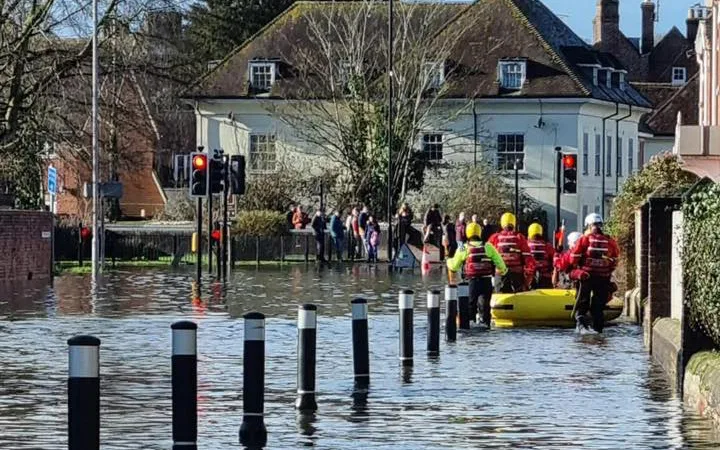
This month’s issue tackles some big, uncomfortable stories. We look closely at the Dorset farmer prosecuted for animal cruelty. There’s a lot on the flooding – a HUGE gallery of Dorset underwater, plus why it keeps happening, who’s paying the price, and what it means for communities who are increasingly tired of clearing up and starting again.
Elsewhere, we have the cheering news that the Government has finally decided that a 73% biodiversity loss probbably is seriously bad for everyone, everywhere, all at once. So that’s good.
In actual good news, Dorset’s own world champion Ruby White had a very good weekend in Sweden. I won’t spoil it for you.
The letters page is bursting. Lizzie’s got us all making mac ’n’ cheese (like we need any encouragement). Tamsin’s let slip just how unhinged she and The Sass Queen actually are, and Rupert Hardy introduces us to the North Dorset farm labourers who were secretly trained to be Britain’s last, lethal line of defence.
Try it. You might likeit (but go and make a coffee first, you might be here for a while) (and grab a biscuit while you’re at it – calories don’t count when it’s raining. True facts.).
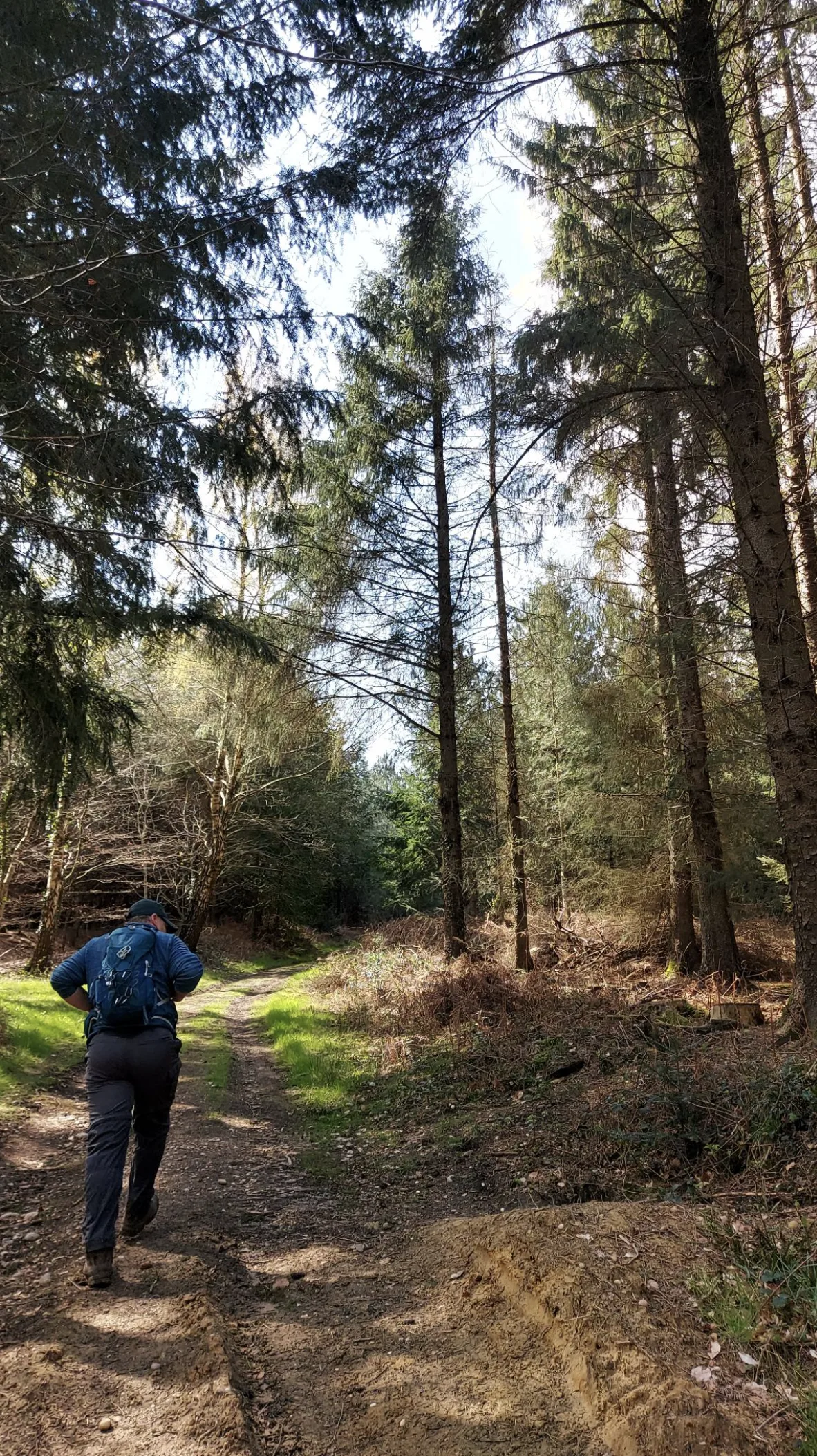
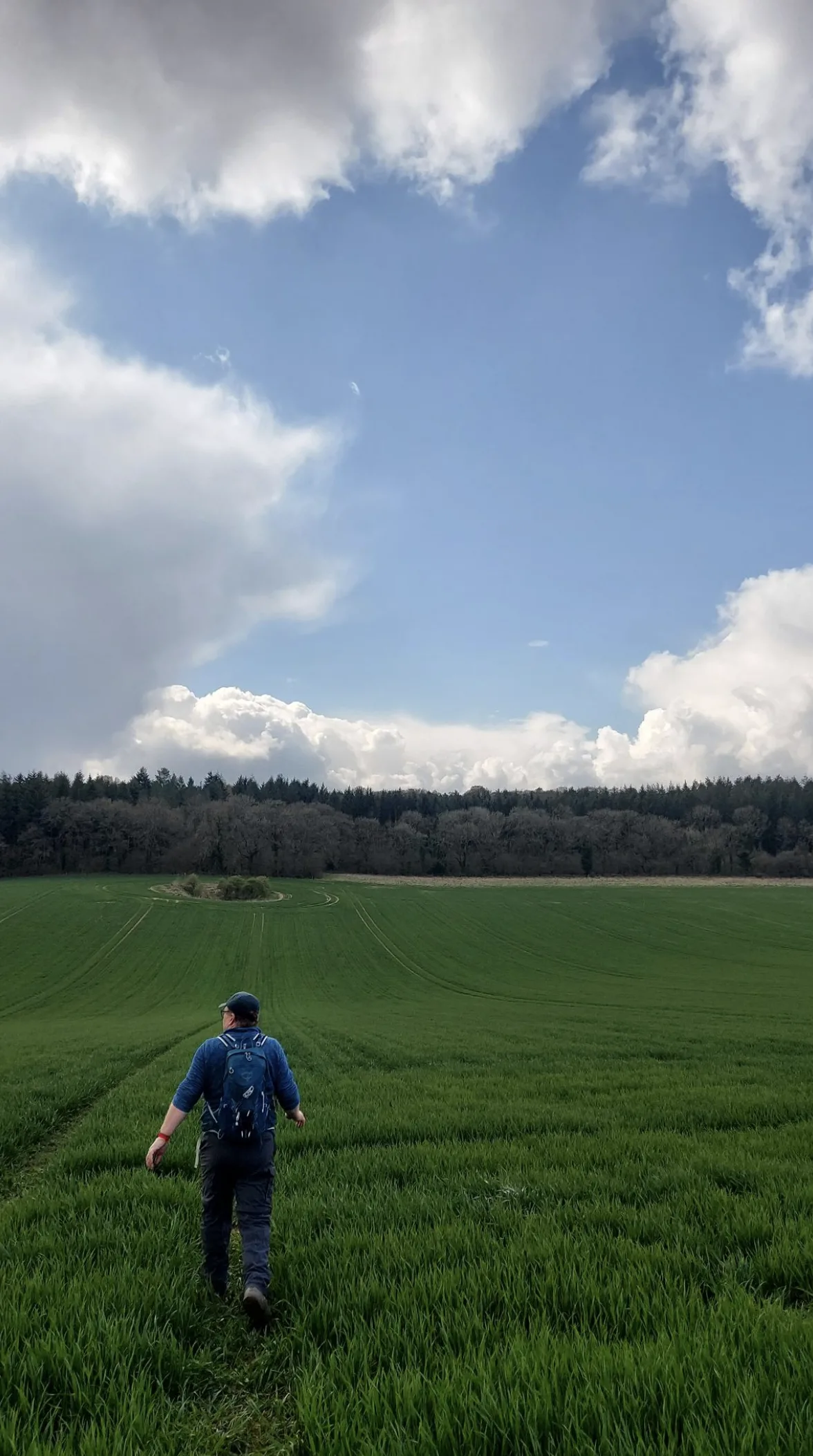
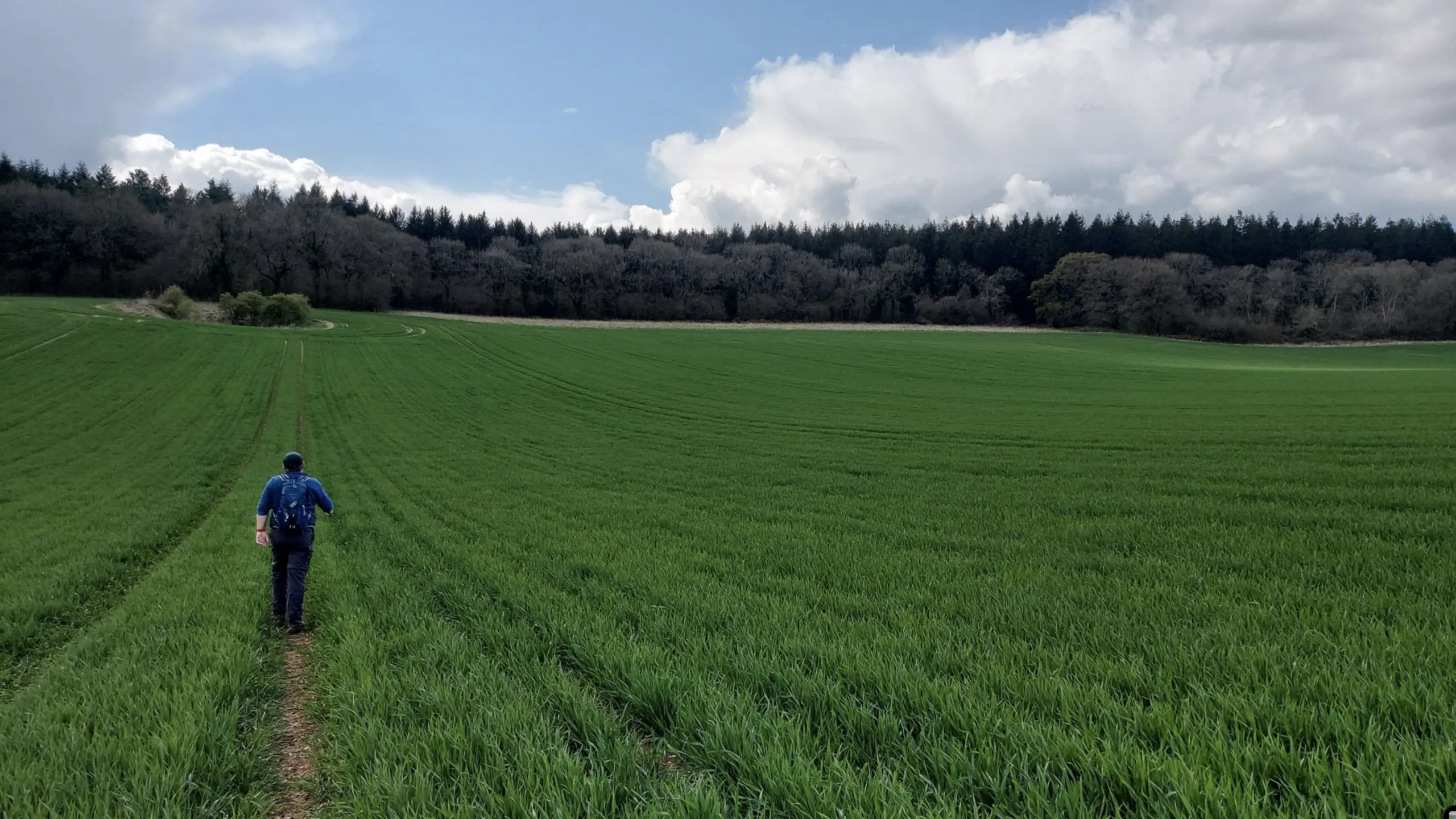
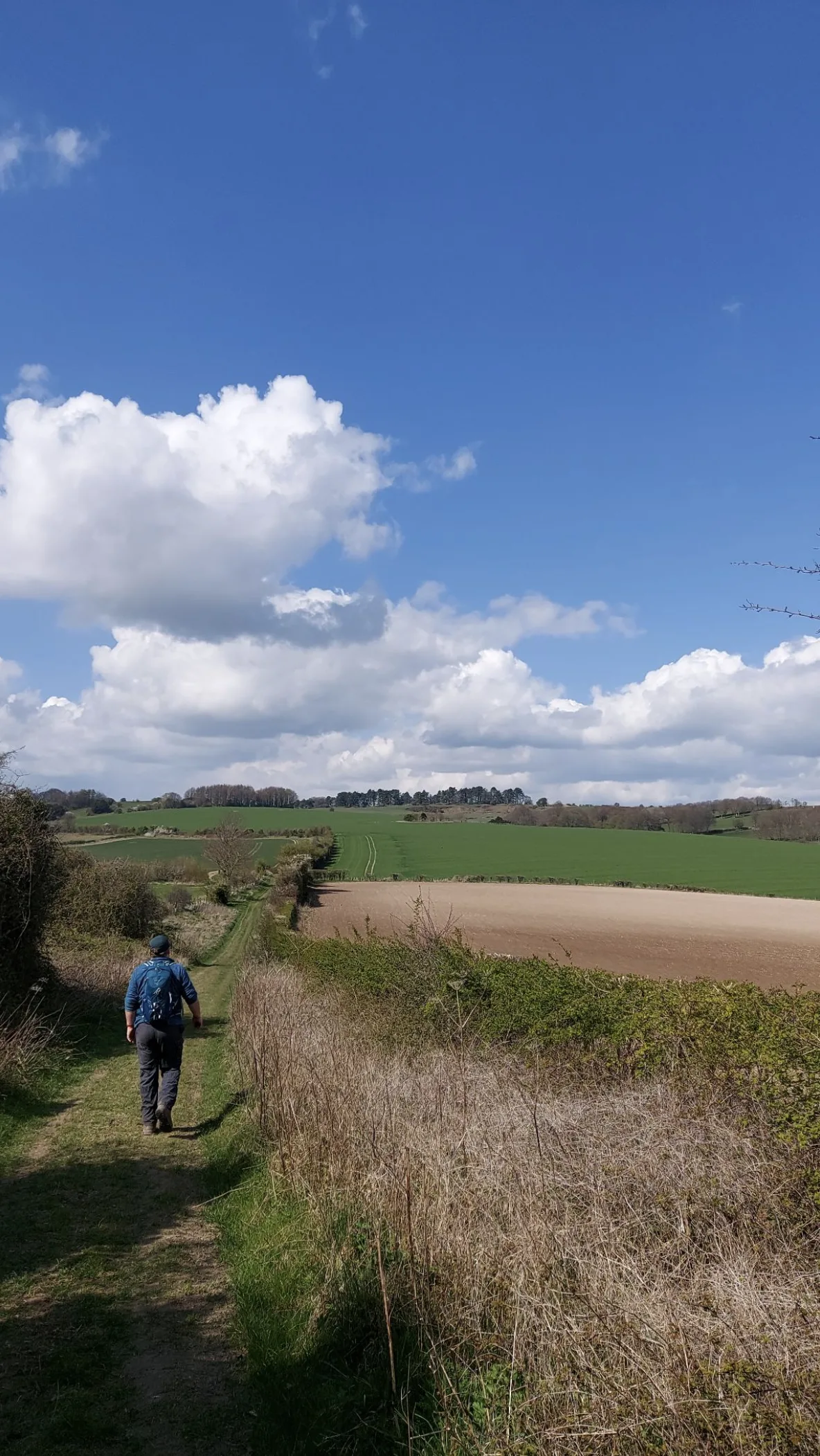
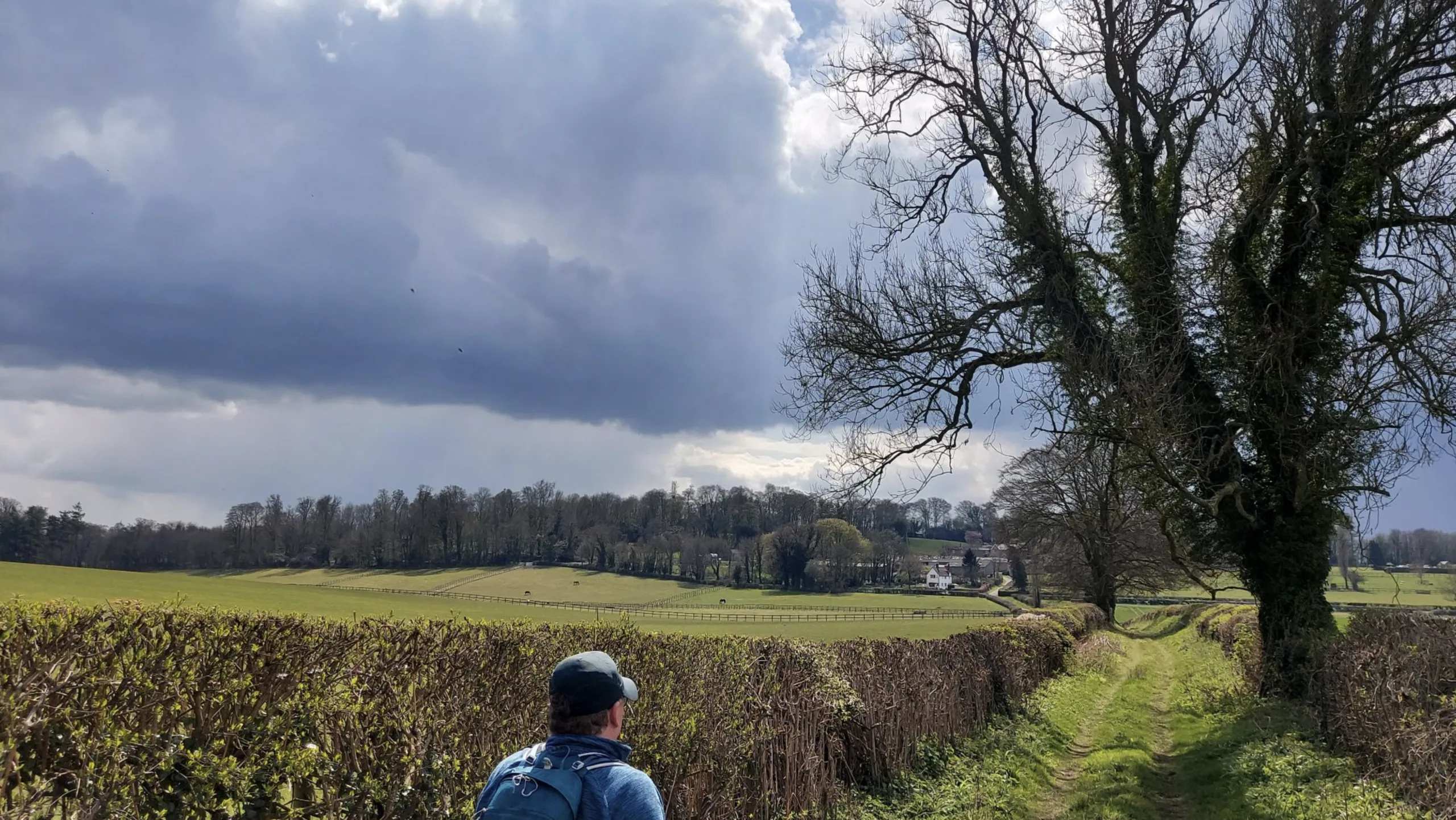
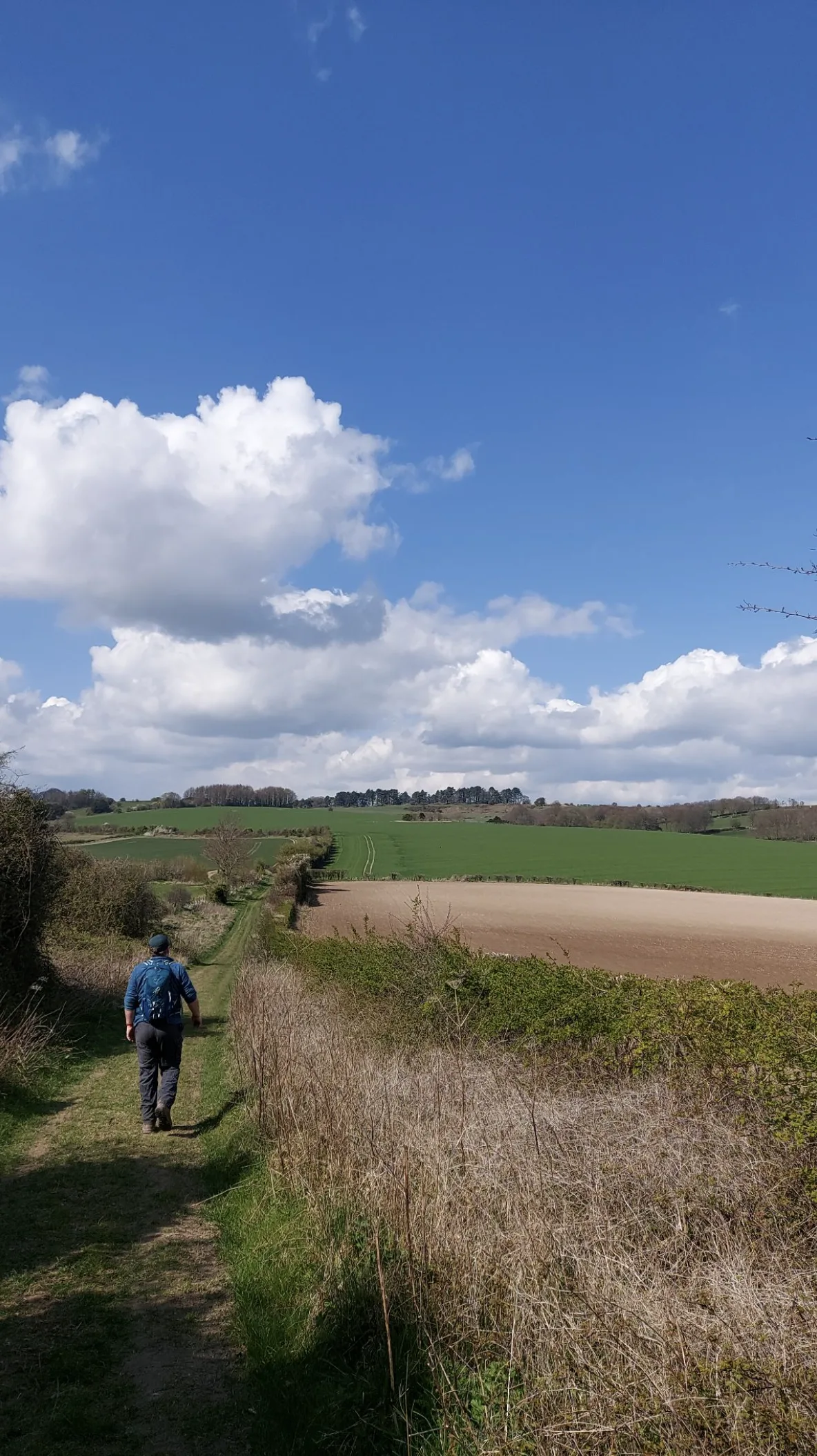
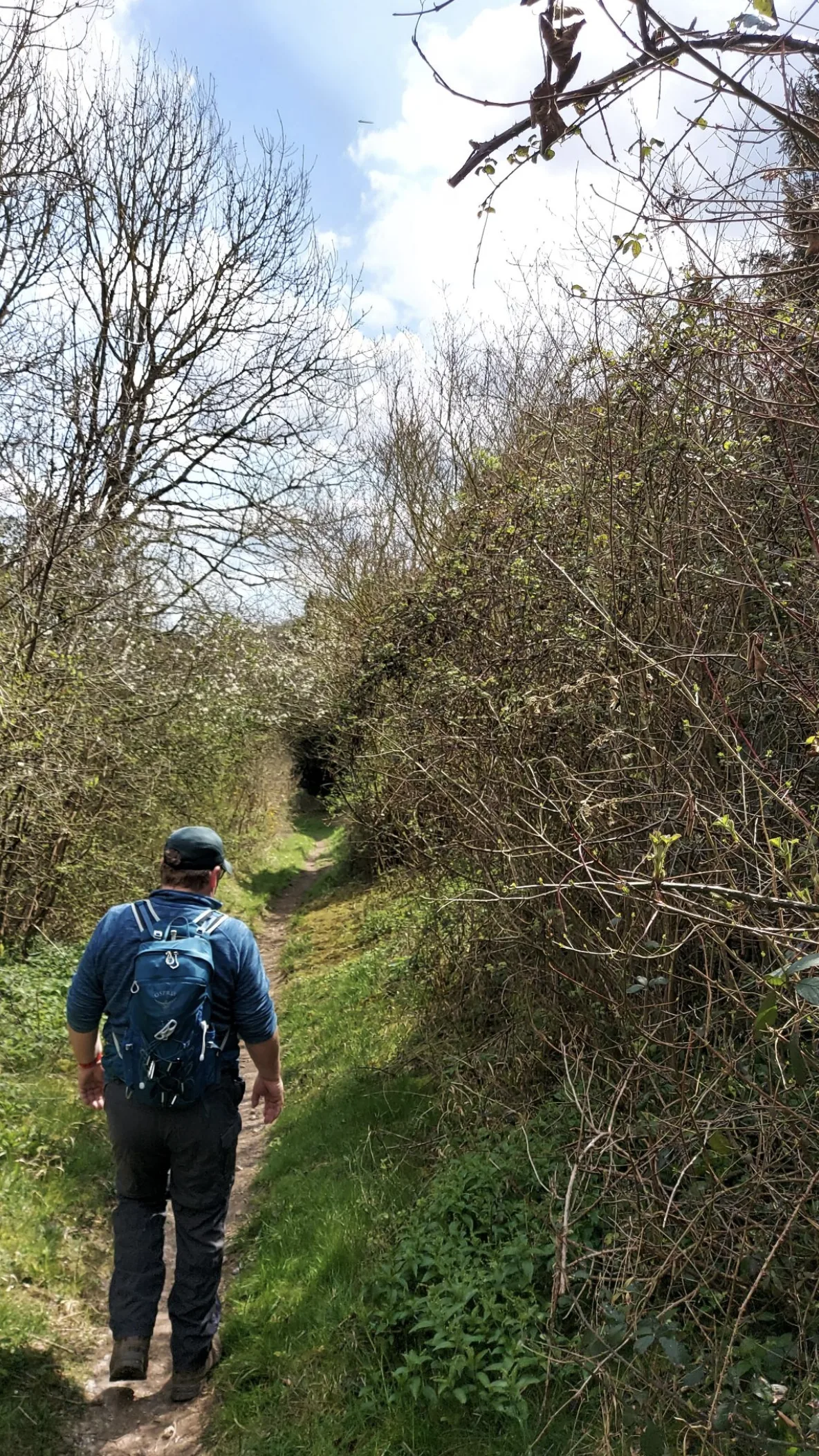
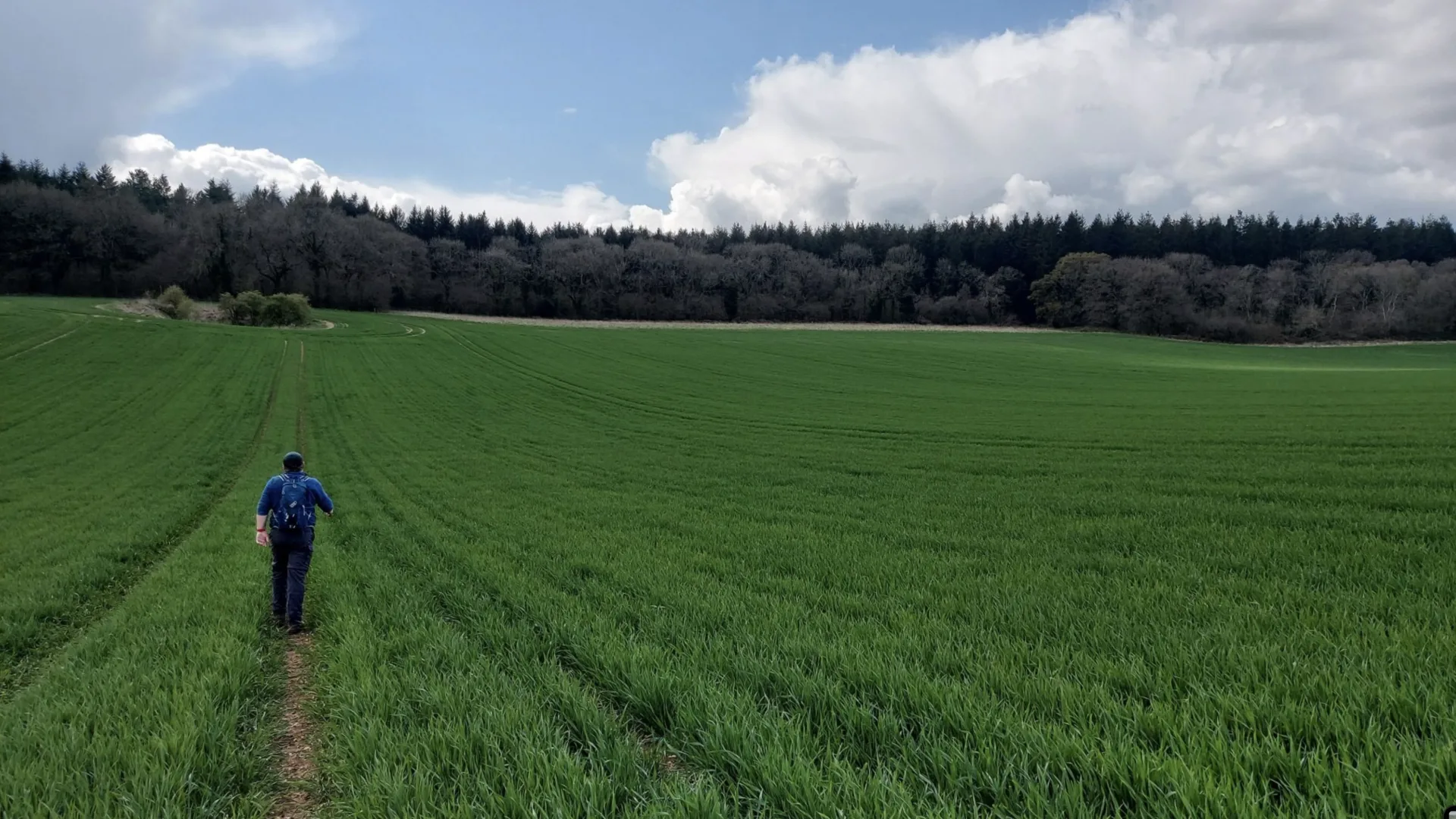
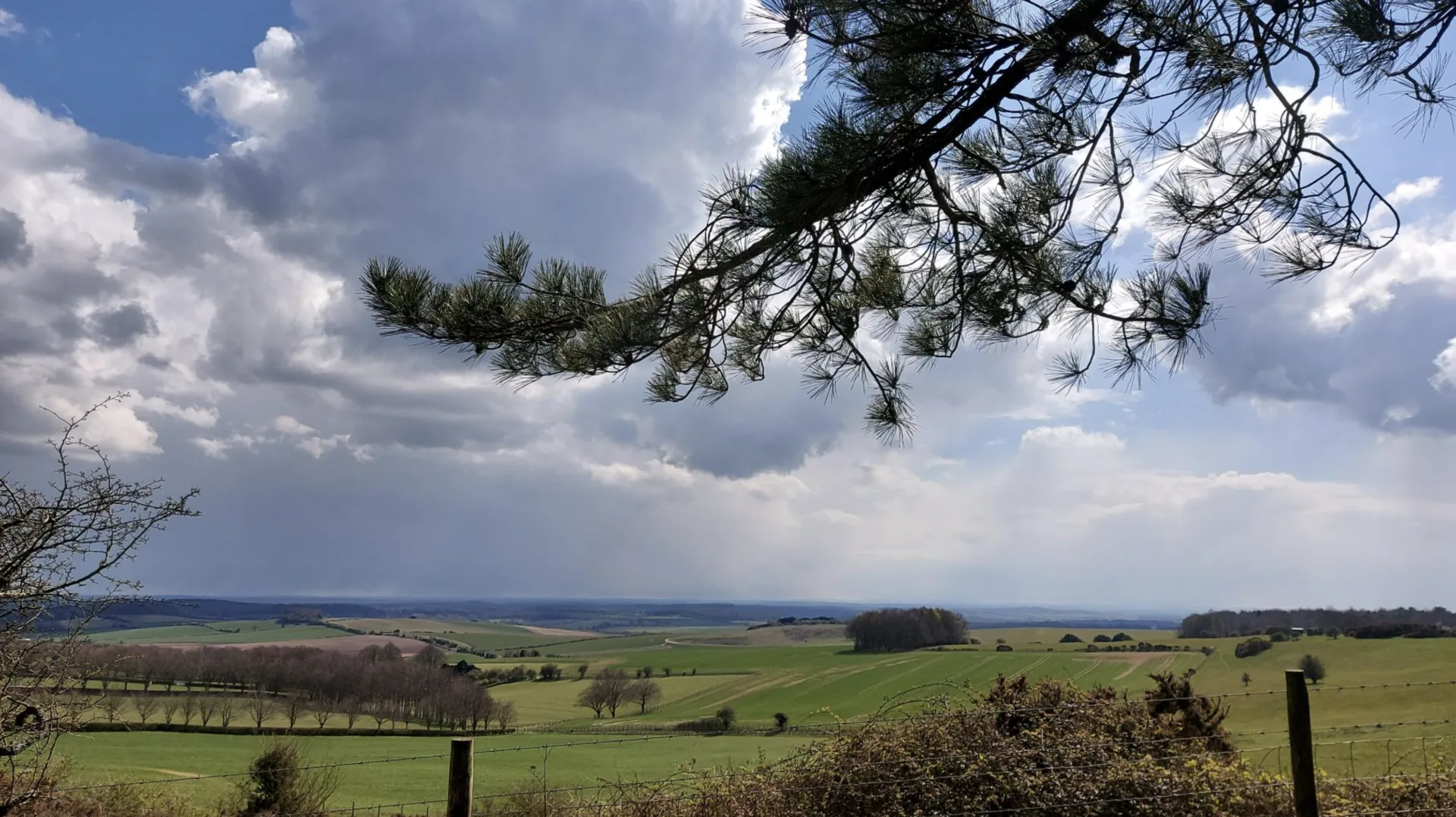
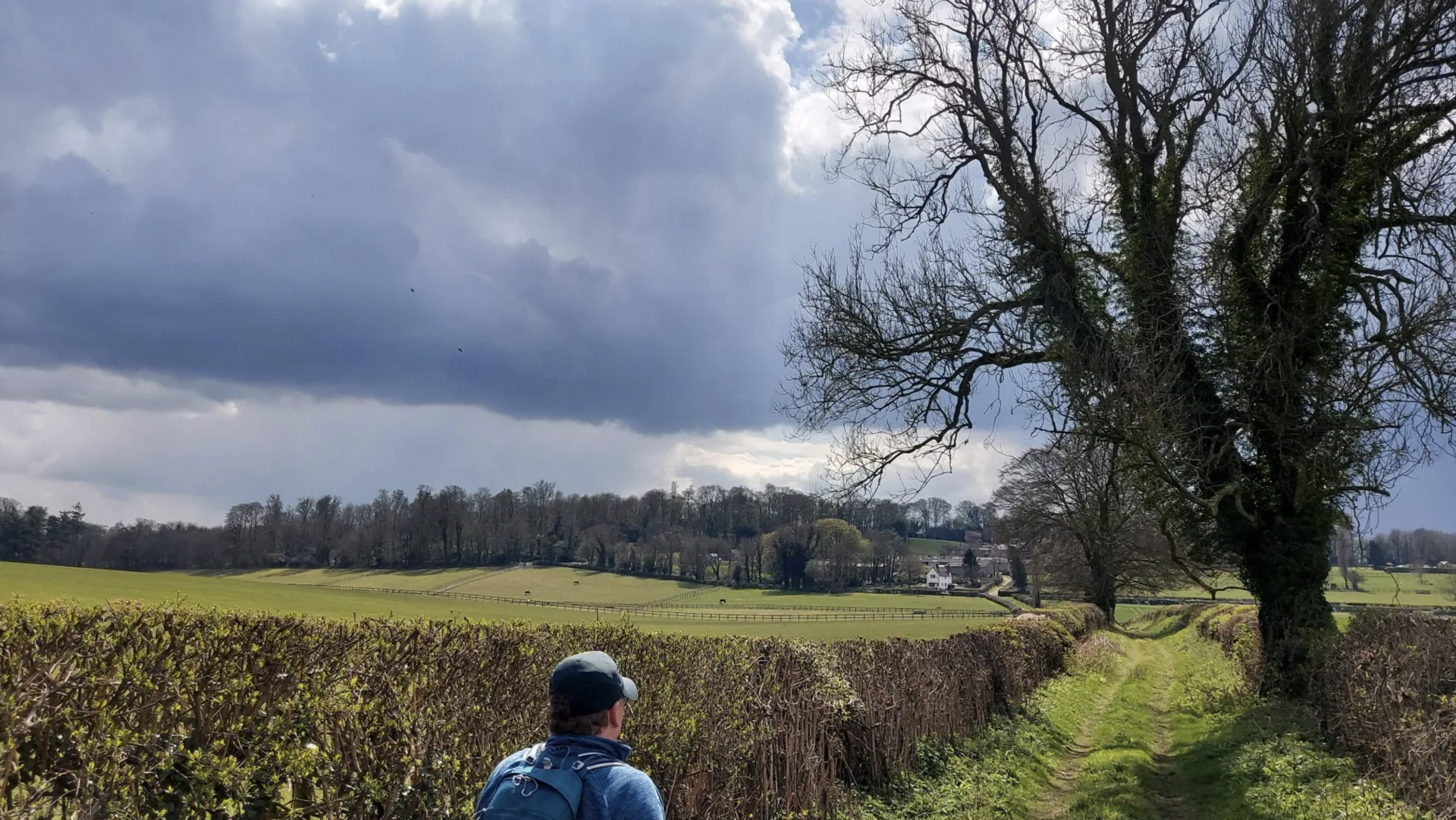
This circular Cranborne Chase walk is a beautifully diverse route taking in a stunning National Landscape of chalk downland, ancient forests, green lanes and wide views.
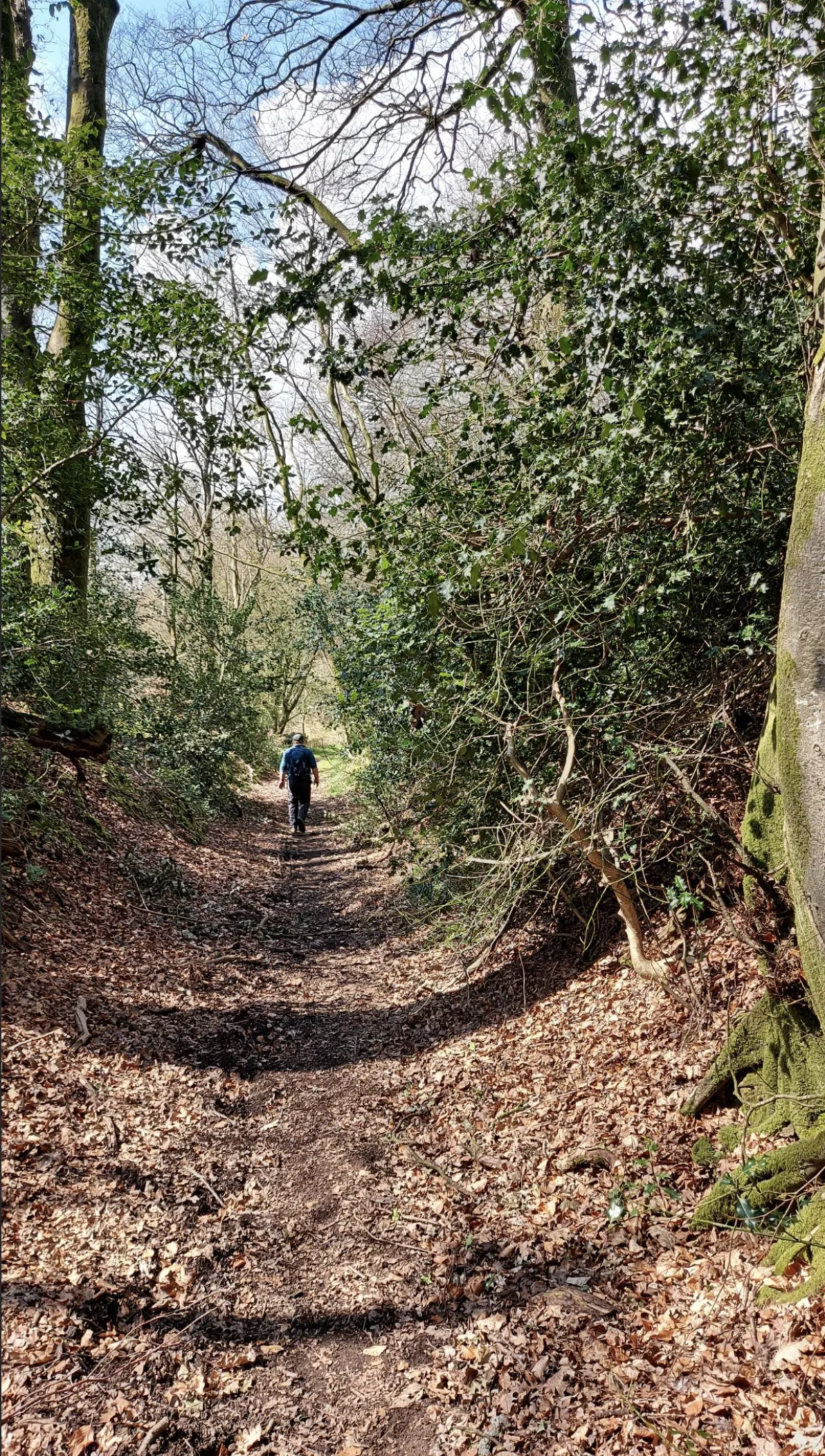
There’s easy parking in the less-well-known Lower Car Park at the back of Martin Down, and then it’s easy paths across diverse Dorset landscapes, climbing the ridge for fantastic views and staying with it before moving into woodlands and descending back across the National Landscape. Your feet barely touch a road, it’s all well-signed footpaths and bridleways.
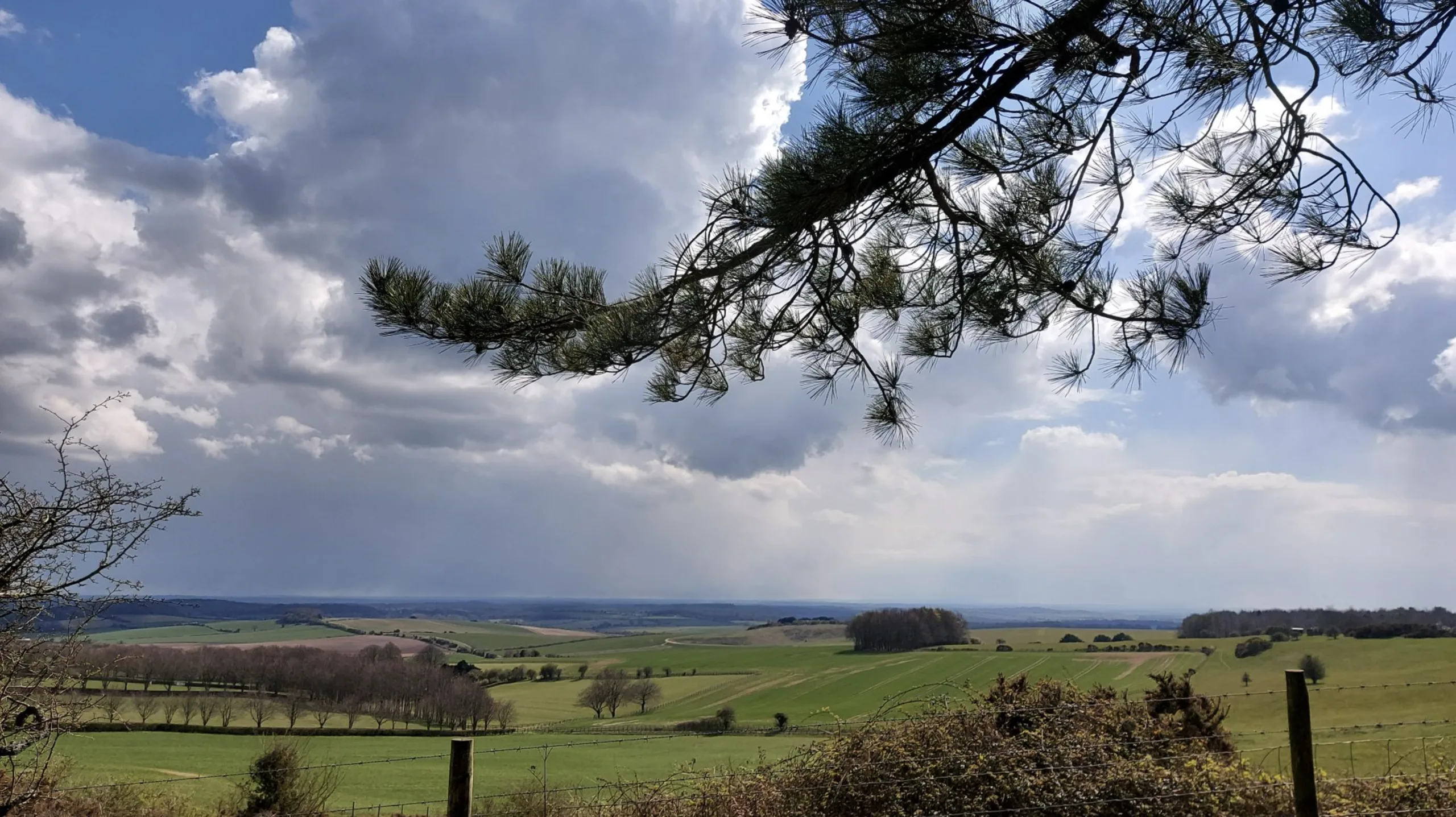
This route is a personal favourite of ours, and it’s a beautiful route at any time of year (and being chalk downland it tends not to be too soggy even after heavy rain). These images are from late last spring when the bluebells were just starting to appear – but we last walked it to check it just a few weeks ago. It was winter, and the day was grey, cold and damp … and consequently so were the pictures. So I thought I’d cheer your viewing with a little much-missed sunshine instead.
Starting out with easy parking in the less well known Lower Car Park at the back of Martin Down, I always think the first climb from the car is the worst; it’s not steep but it does just Keep. Going. Up. But it’s all easy paths across diverse Dorset landscapes, switching into both the Hardy Way and the Jubilee Trail. When you reach the summit of Pentridge Hill, have a quick explore through the pine trees to appreciate the views on the other side before moving on into woodlands and descending back across the National Landscape of Cranborne Chase. Your feet barely touch a road, it’s all well-signed footpaths and bridleways.
Important Note: If the weather has been wet then do take our alternative, one mile shorter variation here which has a diversion around the corner near Boulsbury Farm. As the track passes through a large pig unit it follows a narrow track which is often unpleasantly filled with slurry: we have repeatedly found it is impassable after wet weather.
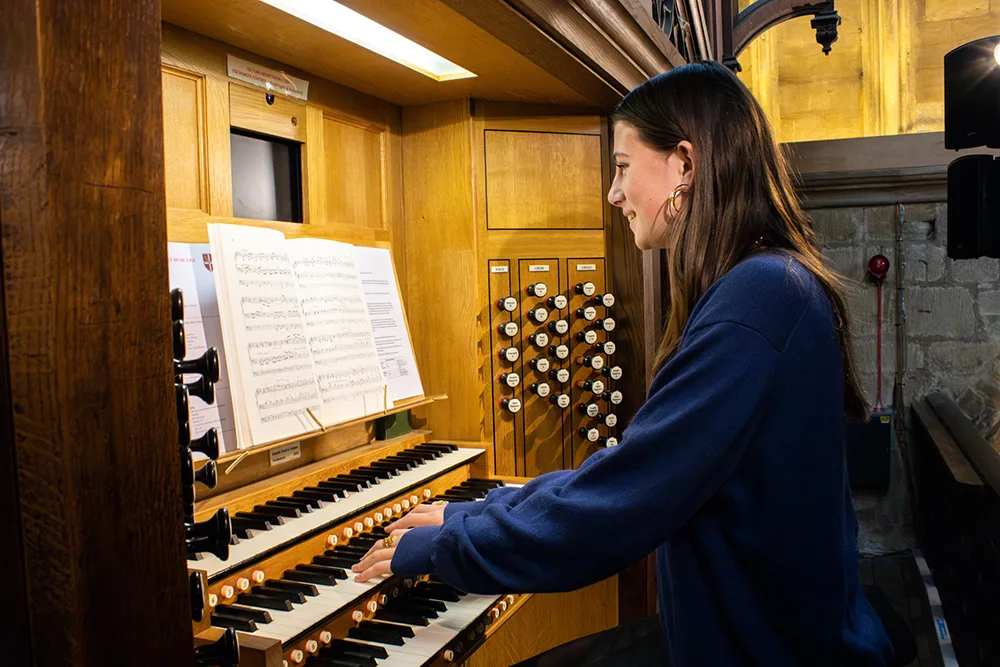
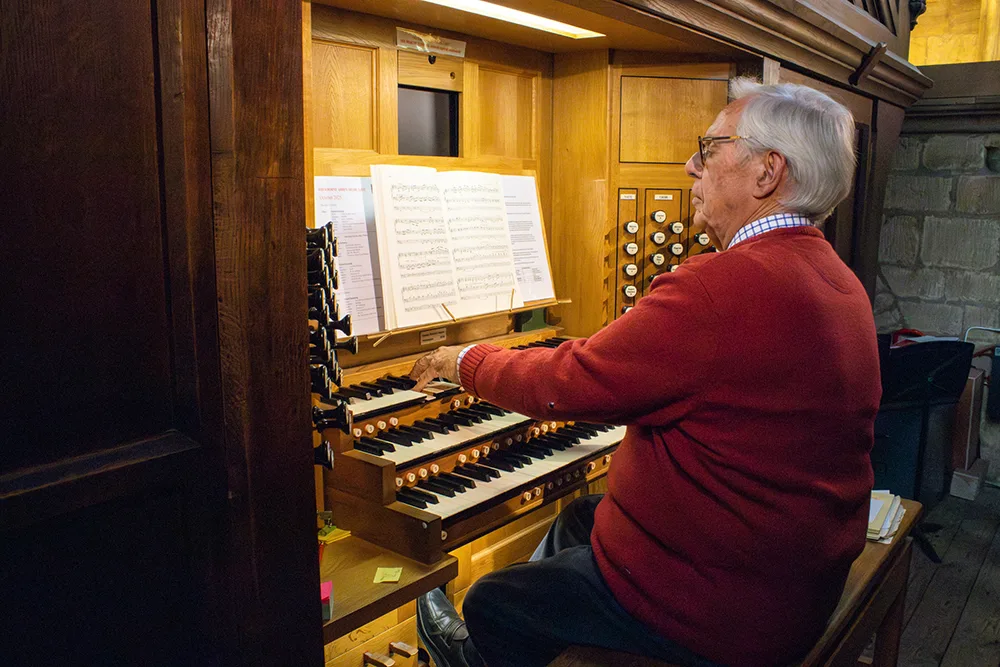
Leweston School has been awarded the Royal College of Organists’ highest level of accreditation, recognising excellence in organ teaching, performance and musical outreach.
The accreditation follows a successful submission and assessment visit last term and represents the Royal College of Organists’ most prestigious endorsement – often described as the organisation’s ‘gold standard’. It marks a significant milestone for Leweston’s thriving music department.
The award reflects excellence in organ teaching, playing and musical development, placing Leweston among schools meeting nationally and internationally recognised standards in organ performance and choral accompaniment. It also acknowledges the work of School Organist Mr Paul Cheater, whose leadership and expertise were central to achieving the accreditation.
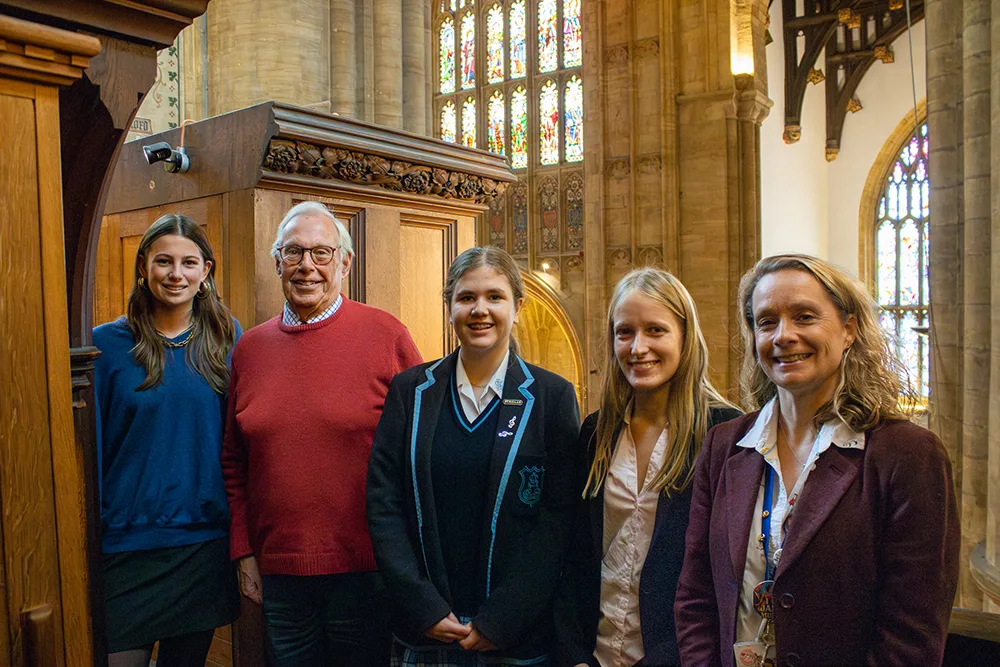
As part of the process, Leweston welcomed an RCO representative for a full-day visit, during which Dr Milestone, Mr Whittle and Mr Cheater were interviewed about the school’s organ programme. Current organ students joined Mr Cheater and former pupil Eleanor Shortman to give a short recital, followed by a demonstration lesson with student Martha B.
The assessor, Mr Simon Williams, was particularly impressed by the number of students who chose to attend the recital voluntarily during their lunch break, including many who do not play the organ themselves.
What the accreditation means for Leweston
Becoming an RCO-accredited school brings a range of educational and cultural benefits, including enhanced opportunities for pupils, with organ students gaining access to the full suite of RCO resources and a structured progression of examinations from beginner to diploma level.
Leweston will also be connected to national networks, receiving invitations to specialist courses, events and conferences, and taking part in initiatives that support organ education. The accreditation further helps attract talented young musicians and encourages visits from high-profile performers. Leweston already hosts termly recitals from renowned ‘celebrity organists’, who offer professional-level performances to the school community.
As an accredited school, Leweston can also act as a regional hub for organ and church music, hosting workshops, concerts and collaborative projects with local schools and churches. This includes outreach to young musicians who may not otherwise have access to an instrument.
Supporting the future of organ music
At a time when the UK faces a national shortage of organists, Leweston’s commitment to training young players is particularly valuable.
The school is proud to celebrate the achievements of its student organists, including Martha B and Penny H, whose enthusiasm and musicianship reflect the strength of Leweston’s organ programme.
Both students benefit from Leweston’s close link with Sherborne Abbey, where they have the opportunity to play the Abbey organ. Martha performed ‘Con Grandezza’ by Charles Vincent as the opening piece for Mr Cheater’s organ recital at Sherborne Abbey last term, and both students regularly perform in the school’s lunchtime organ concerts in the Leweston Chapel alongside guest ‘celebrity’ organists.
Welcome to February’s BV Puzzles page – your free spot for a quick brain workout. Complete the crossword, test your logic with a classic sudoku, or relax with our massively popular seasonal Dorset-themed jigsaw: this month we have some sunlit pussy willow, just as it’s burst into bloom. See Jane Adam’s nature column this month – it’s a top tier winter feast for bees right here. No logins, no printouts – just free puzzles updated every month right here on The BV. Perfect for puzzle fans across Dorset and beyond, our digital puzzles work on mobile, tablet or desktop. Enjoy a quiet moment of challenge with new puzzles published every issue of The BV magazine.
It’s the first BV Podcast of the year, and Jenny Devitt’s pulled together a trio of conversation starters from the January issue – from Dorset Council handing over public loos like they’re Christmas cast-offs, to the unexpected emotional power of a well-meant thank you.
Editor’s Letter – No pom poms this year Laura Hitchcock skips the usual New Year rallying cry and offers something more honest instead: a nod from one tired grown-up to another. “We’re still here. Still showing up. Still muddling through. For January, that’ll do.”
Dorset Insider: Unwanted gifts and the council’s ‘fire sale’ Ever been given a Christmas present you really didn’t want? Try a toxic dump site, derelict loos, or some rewilded verge no one asked for. This month, our anonymous parish councillor takes aim at Dorset Council’s asset disposal scheme – and what happens when ‘devolution’ really means ‘dumping the problem on the parishes.’ “The offers for my own patch include an area of land that we, the parish, already own.”
Grumbler: Is Dorset the county Visit Dorset forgot? A new glossy tourism video has racked up hundreds of thousands of views – and barely shows rural Dorset at all. This month’s anonymous Grumbler isn’t just grumbling, they’re calling out the coastal bias baked into Dorset’s glossy marketing campaigns. Roughly three quarters of the county is rural, and the quiet erasure of inland communities from the county’s public image has real consequences. “You can’t keep selling Dorset as a playground for the already well off, and then wonder why its rural economy struggles to survive.”
The Power of Thank You – John Sloper on Gratitude John Sloper, CEO of Dorchester charity Help and Kindness, joins Jenny to talk about the unexpected importance of saying thank you – and how gratitude can be a radical act in a world that feels increasingly disconnected. “That thank you is a kind of gateway. It builds the fabric of community.”
These stories come from January’s BV – available now at bvmag.co.uk/Jan26. News, opinion, people, places, and the best of rural Dorset – all in one free digital magazine.
The BV – named 2024’s Best Regional Publication in the UK (ACE Awards) and Regional News Site of the Year (Press Gazette). Always worth your ears.
See all the previous episodes of The BV podcast here – or find it on your preferred podcast platform
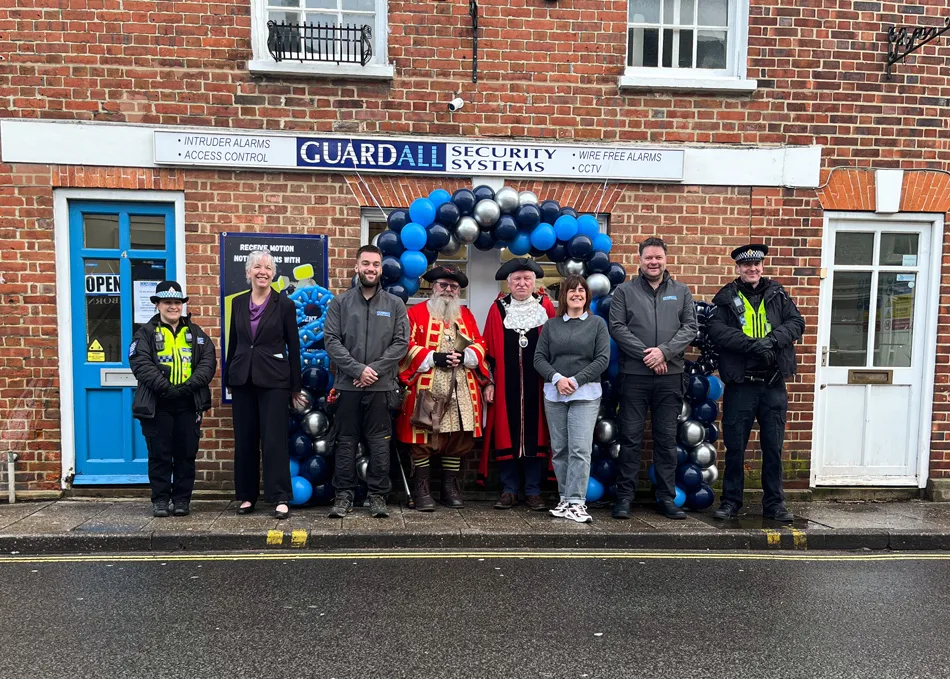
celebrating 25 years in business this January, marking a quarter of a century protecting homes and businesses across Dorset, Hampshire and Wiltshire. Founded in 2001 by David Vowles, the family-run firm has grown from a one-man venture into a trusted regional name. Clients now range from private homeowners and stately homes to national brands including Costa, Toni & Guy and Carpet Barn.
‘This is such a landmark for us,’ says David, who has over 30 years’ experience in the security industry. ‘We’re proud to deliver tailored security solutions – and at competitive prices – whether it’s for a first-time homeowner or a major retailer.’ The business is very much a family affair. David’s wife Sally runs the Wimborne office, son William is a fully qualified engineer, daughter Imogen supports online presence and daughter-in-law Tia helps with marketing. The team marked the anniversary with a visit from the Mayor of Wimborne, Cllr Jeff Hart, alongside local police and representatives from Wimborne BID. Guardall is accredited by the SSAIB, with services that are police- and insurance-approved. It offers 24/7 callouts and prides itself on personal service. ‘Our customers are part of the Guardall family,’ says Sally. ‘Many have been with us for years.’ Looking ahead, Guardall is expanding into network technology to improve home and business Wi-Fi, and plans to recruit more apprentice engineers to continue the company’s legacy.
To celebrate, Guardall is offering 10% off all new intruder alarm installations until 31st March 2026 – quote CODE25Guardall.