
Forget these posh new years. I’m in the market for a low-mileage 2005. Maybe a well-cared for 1997.
I miss being plain old sad about the world. Not this perpetual catastrophically horrified. Just … regular sad. The kind you could shake off with a hot drink, a long phone call with your sister or a decent walk.
We launched The BV in the depths of lockdown, mid-pandemic, when the world felt strange and fragile and frightening. But every month I wrote my editor’s letter with a mug of tea in one hand and a virtual pompom in the other, cheerily insisting we’d all bounce back soon.
Five years later and I’ll be honest – the positivity is hanging on by its fingernails.
We did at least personally end 2025 on a high. Christmas was loud, chaotic and utterly brilliant, with three generations squeezed elbow-to-elbow around our table (officially seats eight, actually sat a new record of 11 – thanks to Dorchester Timber and a heroic delivery of a sheet of cut-to-size chipboard). The fridge was emptied, the dishwasher was permanently on, cheese featured at every meal … and I wouldn’t have changed a thing.
Then New Year’s Day arrived, everyone went home, the stunning frozen sunshine appeared … and I immediately caught the latest not-Covid-but-thinks-it’s-Covid virus.
So I spent the first week of 2026 under a blanket with endless mugs of hot honey and lemon, grumpily coughing and feeling both grotty and grateful. Because even with all the throat-clenching doom and global drama – and yes, the news is still doing its level best to make us all despair – I’d had a full nest for the first time in two years. And I also had time and space with a good book (thank you, Thursday Murder Club).
And that counts for something.
So no rallying cry this month. No silver-linings pep talk. Just a nod – from one tired grown-up to another: we’re still here. Still showing up. Still muddling through.
And for January, that’ll do.
Laura x
On West Farm
I’m now well into my seventies, but I’ve worked on the land all my life, and I’ve seen no end of changes in how land and buildings are used. Some for the better, some less so. Reading about West Farm’s transformation, I couldn’t be more pleased.
Turning an old farmhouse into a supported home for young people is a wonderful use of resources – a real act of kindness and long-term thinking. The countryside can be isolating if you’re vulnerable and alone. This scheme offers not only shelter, but dignity, purpose and connection.
Farming teaches you that strong roots matter. It’s heartening to think that West Farm might help some of these young people finally put down roots of their own.
AB, Blandford
I aged out of care in the late ’90s. The day I turned 18, my life felt like it was packed into two black bin bags and a social worker’s timetable. No plan, no support – just a housing list and a warning not to mess it up.
Reading about West Farm stopped me in my tracks. A safe place, surrounded by countryside, with people who understand trauma and take the time to teach life skills? I would have given anything for that. You don’t magically know how to budget, cook or get a job because someone handed you a flat. It’s terrifying and lonely. I’m so glad today’s care leavers in Dorset have the chance I didn’t.
To everyone involved in West Farm: thank you. You’re changing lives before they get broken.
– Name withheld
On wagtails – and Jane Adams
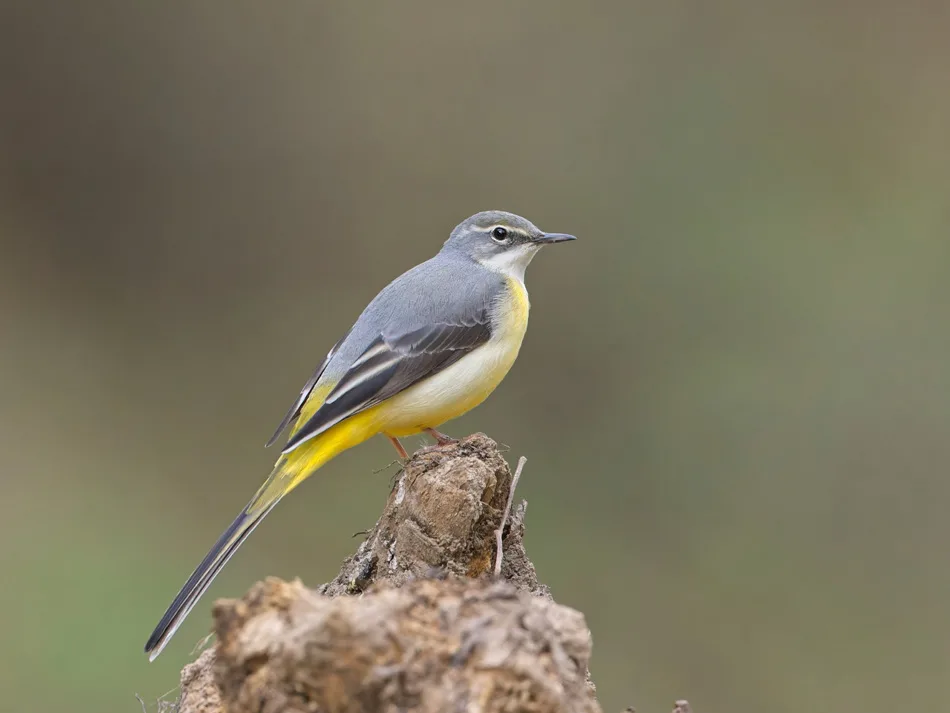
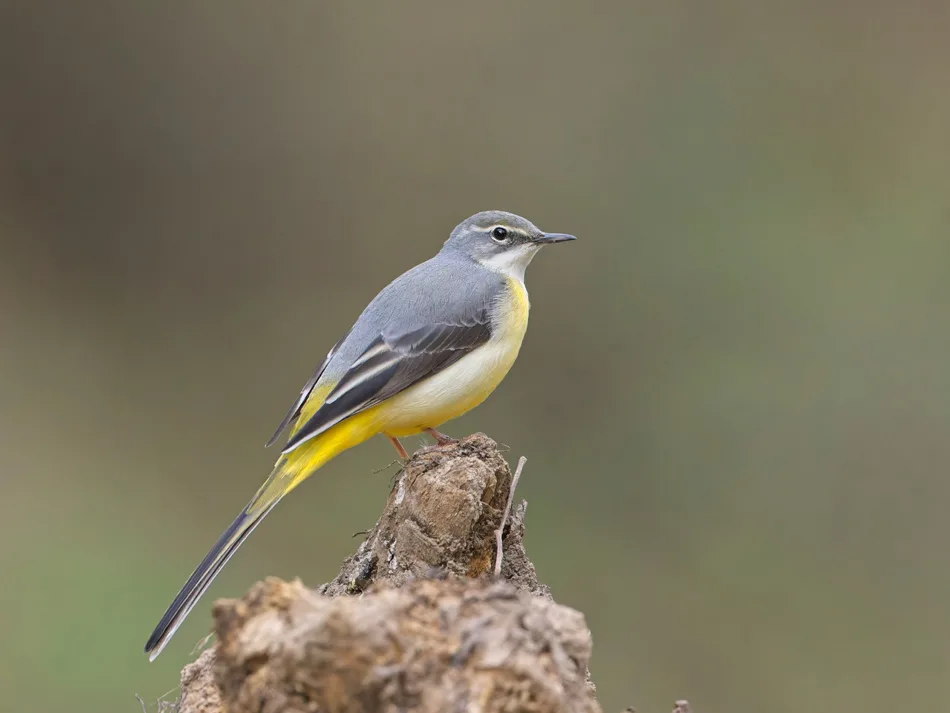
I’m 63, born and bred in Dorset, and for the last 50-odd years I would have confidently told anyone who’d listen that the cheerful, dipping yellow bird spotted near the bridge in Wimborne was a yellow wagtail. Turns out I have been wrong for half a century – and I just wanted to write and thank you for sharing Jane Adams’ words every month.
She’s quite my favourite writer in the magazine, and never fails to both teach me something and make me look at everyday sights with fresh eyes.
Off the top of my head, I think of her when I see a wren outside my back door, rooks gathering at dusk, listen to a yaffling ‘penguin’ woodpecker – and I never walk by the river without glancing to see if I can spot a bubble-covered water shrew.
I also still enjoy telling anyone who’ll listen that those small black beetles you see on dandelions are actually triungulins – not beetles at all, but the larvae of an oil beetle. I know. You can imagine I’m a delight at a dinner party.
Clare S, Corfe Mullen
On Black Pug Books
I’ve been a regular browser at Black Pug Books for years and rather assumed Victoria was simply one of those wonderfully knowledgeable, slightly formidable booksellers you’re grateful still exist.
I had absolutely no idea about her extraordinary life before Wimborne.
Reading her story was a complete delight – and slightly jaw-dropping. Queen, Frost, the Rolling Stones … and there she is now, recommending paperbacks and putting the kettle on. It’s made me see the shop, and Victoria herself, in a whole new light. Next time I’m browsing, I’ll gather my courage and strike up more of a conversation!
J Harvey, Wimborne
I read your piece on Victoria Sturgess and Black Pug Books and immediately told my wife we’re going to Wimborne. I’ll come, of course, for the books – but if I’m honest, I’ll stay for the stories.
Anyone who’s dealt with Queen, travelled with David Frost and still prefers a kettle, a chair and a second-hand book has lived life properly. Wimborne is lucky to have her, and I’m looking forward to hearing a Frost anecdote while pretending to browse with restraint.
PM, Verwood
On wiser landscapes
The biggest problem is building on land. The more you cover it in concrete, the less chance it has to soak up rainwater. Some farmers sell off land for housing – not that I blame them! We do need housing. However, we also need to look at ways to build on already covered land, or at innovative house design. Existing properties will flood if you continue covering land upstream of them.
S. Surtees, on Facebook
Farmers also ripped up hedgerows and created megafields to accommodate larger, heavier machinery, following the subsidies. Overstocking was also a problem. Our local farmers are now doing a great job farming in a wildlife-friendly way and sharing info through a cluster. Beavers and wetlands, restoring meanders and stopping dredging may all help mitigate the effects of climate change – but it’s going to take time.
Kathleen Daly, on Facebook
Farming practices (entirely encouraged by market forces and government policy) have to take some of the blame. Soils are less able to hold water like they used to: lower organic matter, fewer grass leys, more compaction, etc.
Philip Day, on Facebook
On George Hosford’s podcast
One has to wonder what has happened to this once-great country and our education system (one of the more expensive state systems in the world). We expect to import most of what we buy – from food to clothes, dishwashers, TVs to computers.
We find our hospitals are full of imported labour, from doctors to cleaners … the list is endless.
And yet we have millions unemployed and we are close to being bankrupt as a country. Still, our governing class seems determined to close more businesses down by making life more difficult.
L. Gould, West Orchard
Shifting sympathies
Funny, isn’t it, how public empathy moves with the headlines. This time last year we were rightly shouting for Ukraine. Then Gaza (rightly) moved front and centre – and suddenly Kyiv vanished from view.
This isn’t a complaint about people caring – I’m glad they do. But global suffering shouldn’t have to fight for column inches like it’s a talent contest.
Ukrainians are still dying. So are Gazans. So are Sudanese, Yemenis and Afghan women quietly vanishing from public life.
Maybe, just maybe, if we stopped choosing our empathy like a fashion trend and stayed the course, we might actually make a difference.
A Morgan, Shaftesbury
On artificial politics
With both the US and UK heading to the polls this year, we’re sleepwalking into a dangerous new era. AI is now capable of making politicians say things they never said – it’s already happening.
Between deepfakes, bot armies and conspiracy-slinging algorithms, 2024 showed us a preview. 2026 will be the main event. And I fear we’re not ready.
We’ve already lost trust in the press, politicians and public institutions. If we can’t trust our own eyes and ears either, then democracy doesn’t stand a chance.
The question is: who’s regulating this?
Because right now, it’s the Wild West – and truth is the one without a gun.
Judy M, near Blandford
Want to reply? Read something you feel needs commenting on? Our postbag is open! Please send emails to [email protected].
When writing, please include your full name and address; we will not print this, but do require it.