

Walk into any bustling village shop or farm stall in North Dorset, and the soundscape of local commerce has perceptibly changed. Gone is the constant clatter of heavy coins dropping into a till tray, replaced increasingly by the soft, singular beep of a contactless card reader. It is a subtle shift, but one that symbolises a significant change in how our rural communities conduct their daily business. For generations, cash was king in the countryside, essential for everything from buying a pint of milk to settling a tab at the local pub after a long walk.
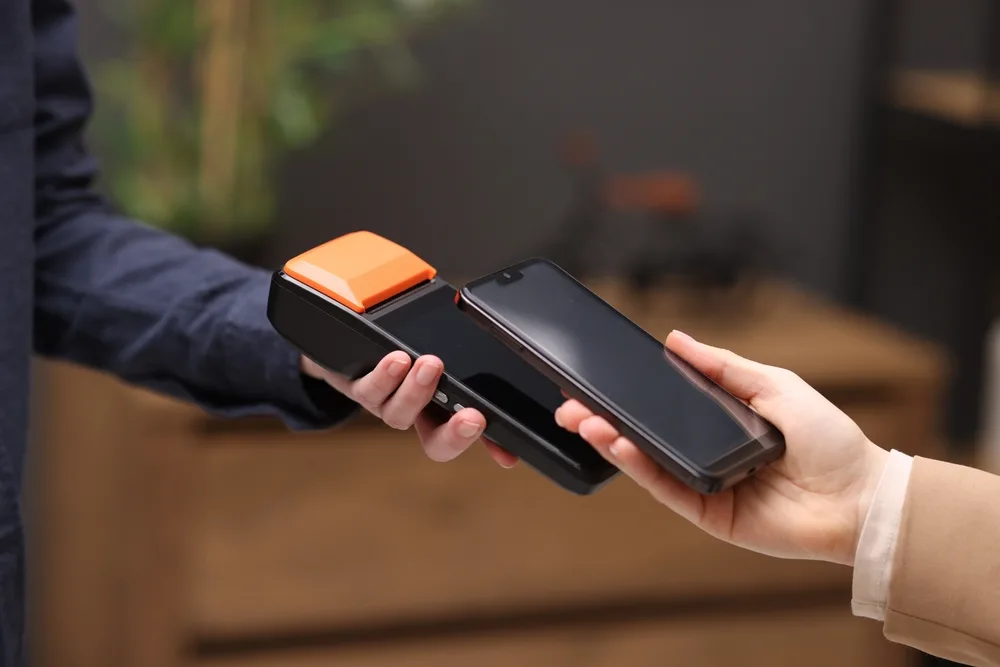
Today, however, small business owners find themselves straddling two different worlds. They must cater to the traditionalist who prefers the tangibility and budgeting control of banknotes while also upgrading systems for the digital-first customer who rarely carries a wallet. This transition brings both opportunities and challenges for our local economy, raising important questions about inclusivity, the cost of convenience, and the future of the high street. As banking infrastructure in rural areas continues to shrink, the debate over payment methods becomes less about preference and more about practicality.
The declining use of cash in villages
The statistics regarding our changing habits are undeniable and paint a stark picture of financial evolution. Cash payments fell to 4.4 billion in 2024, now sitting below direct debits and credit cards, while debit cards accounted for half of all UK payments. For a rural shopkeeper, this means the end-of-day cashing up process is becoming less about counting copper and more about reconciling digital ledgers.
The days of taking a heavy bag of takings to the nearest bank branch, which itself might have closed down years ago, are fading fast, pushing businesses toward digital solutions simply to survive.
However, it would be premature to write an obituary for physical currency just yet, as it remains vital for many residents. Older generations and those on strict fixed incomes often rely on cash to manage their weekly spending effectively, finding it easier to track than digital numbers on a screen.
The challenge for Dorset’s independent retailers is maintaining the infrastructure to accept cash when the volume of transactions drops. They often incur bank fees for depositing cash that eat into their already tight margins, creating a difficult balancing act between serving the community and maintaining profitability.
Consumer demand for speed and digital security
The main driver behind this change is undoubtedly the tech-savvy consumer’s desire for speed and flawless transactions. These days, waiting is the enemy, and digital solutions are expected to be instantaneous, whether buying groceries or managing entertainment online. This expectation of immediacy extends to all digital interactions, from banking to leisure. For instance, enthusiasts who find Bitcoin casinos with fast withdrawals in the UK prioritise platforms that offer instant access to their funds, reflecting a broader consumer intolerance for processing delays. Unlike traditional banking methods that can take days to clear, cryptocurrency withdrawal times at these sites are near-instant.
This demand for efficiency has influenced the high street experience, especially during busy periods like market days. Customers now expect to tap and go without breaking their stride, viewing the PIN pad or the search for exact change as cumbersome relics of the past.
Security also plays a significant role; carrying large sums of cash feels riskier to many than carrying a card or a smartphone. Digital trails offer a sense of security and easy tracking of expenditure that a pocketful of paper receipts simply cannot match, driving the preference for electronic payments even for minor purchases.
Preserving personal service alongside modern technology
Despite the rush for efficiency, the heart of Dorset business remains its personal touch and community connection. The danger of automation is that it can strip away the social interaction that defines village life, the chat about the weather or the inquiry about the family. Yet, technology can also facilitate smoother transactions that leave more time for conversation. Over 90% of UK consumers prefer contactless payments for transactions under £100, with businesses reporting a significant surge in usage following the limit increase.
This efficiency means queues move faster during the busy lunch rush, allowing staff to serve more people without the stress of handling change. When the payment process is frictionless, the barrier between customer and shopkeeper is removed.
The key for local merchants is to ensure that the technology serves the relationship rather than replacing it. A card reader should be a tool that facilitates the sale, allowing the shop owner to focus on the customer rather than fumbling for coins, ensuring the warmth of rural hospitality remains intact.
Supporting local shops regardless of payment method
In the end, the method of payment is secondary to the survival of the business itself. Whether a customer pays with a crisp ten-pound note or a smartwatch, the revenue stays within the community, supporting local families and suppliers.
It is vital to remember that not everyone has migrated to digital solutions, and exclusion is a real risk. Recent research highlights that 52% of UK consumers still use cash weekly, showing an ongoing reliance on physical currency despite the dominance of debit cards.
Excluding cash entirely risks alienating a significant portion of the local demographic, particularly in rural areas where internet connectivity can still be sporadic. The most resilient businesses in Dorset are those that remain hybrid, welcoming the future without shutting the door on the past. By accepting both card and cash, our local shops ensure they remain accessible to everyone, preserving the community spirit that makes this county unique while adapting to the inevitable march of technology.