

Jane Adams enjoys her chance meetings with a grey wagtail, Wimborne’s winter dancer
There’s a bird I always associate with the colder months. I shouldn’t, really – I see it in the summer too, dashing about after flies and small aquatic insects, paddling in what’s left of our streams after months of hot weather.
But in winter it seems to stand out more.
I often see it in Wimborne – as I walk between picking up walnuts in Grape Tree and nipping into the Co-op for a pizza, I often see one on the River Allen, bouncing around at the water’s edge.
I pause on the old bridge on East Street (yes, right next to the metal sign that reads: “Safety first. Do not stand on bridge”). A neatly dressed man, newspaper tucked under his arm, mid-70s, I’d guess, sidles up to me as I’m looking down at the water.
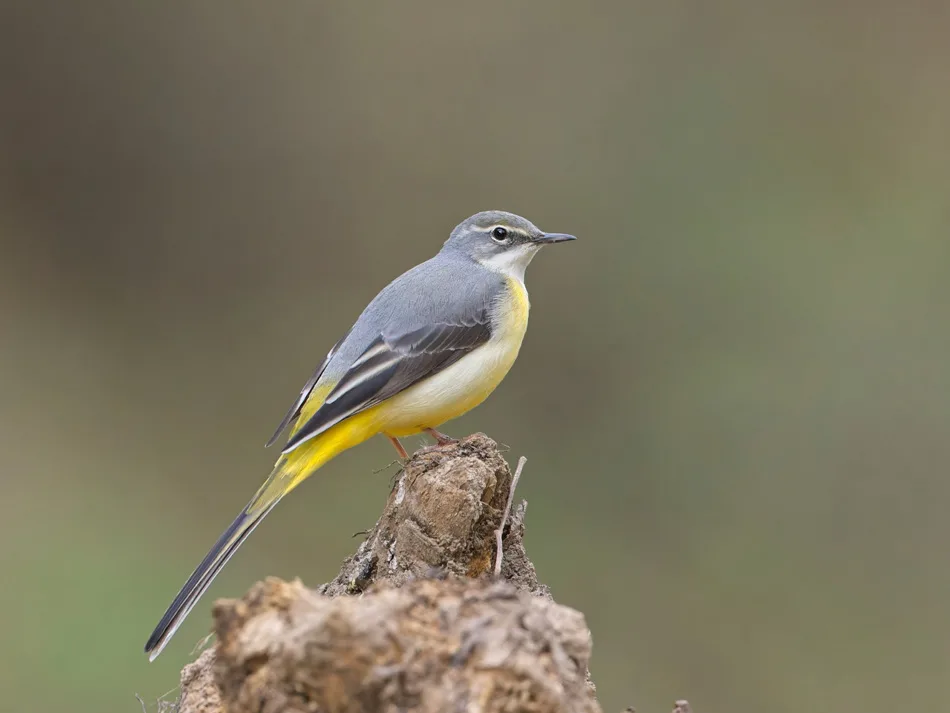
‘Yellow wagtail,’ he says. ‘Always in Wimborne. Beautiful bird. Beautiful.’
He’s smiling down at it, and I’m just about to tell him it’s not a yellow wagtail when he turns away, and I hear him telling the same information to a young couple who have stopped next to him.
It’s an easy mistake to make … but yellow wagtails are mostly a summer visitor to the UK, like swifts and swallows. There’s a chance you might see one in Wimborne en route to its nesting grounds in spring, but they’re by no means common and usually gone by mid-October. The bird we’re staring at might have a rich flash of yellow under its tail, but the yellow wagtail has far more yellow, along with a shorter tail and soft olive-green feathers on its back.
The bird below us is a grey wagtail: just as thrilling in my book, but much more common. To me it’s the ballet dancer of the bird world, twirling and jumping across the weeds and debris of the river like a miniature Dame Margot, pumping its sleek, long tail feathers as if its life depends on it, bobbing its body up and down in time to music we can’t hear.
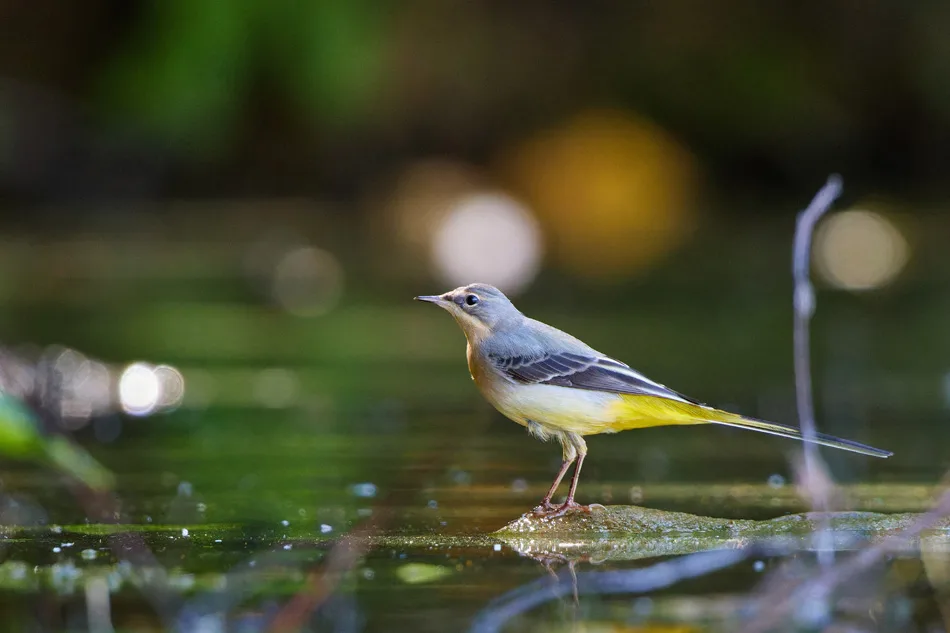
Grey wagtails live in Dorset year-round, foraging along the edges of fast-flowing streams. They fill the air with a cheerful tsreep, bringing life to an otherwise quiet and overcast day.
And though their colouring above is grey, the feathers below their tails glow almost tropical yellow, so vivid against the monotone hues of a winter riverbank.
The gent on the bridge walks away, and it’s just me and the young couple still peering happily into the water.
‘Beautiful, isn’t it?’ the woman says. ‘We’ve just found out it’s a yellow wagtail.’
I think about telling her, but decide against it.
Who cares what its name is, as long as someone is noticing it.