Home Blog

April issue of The BV is here!

0

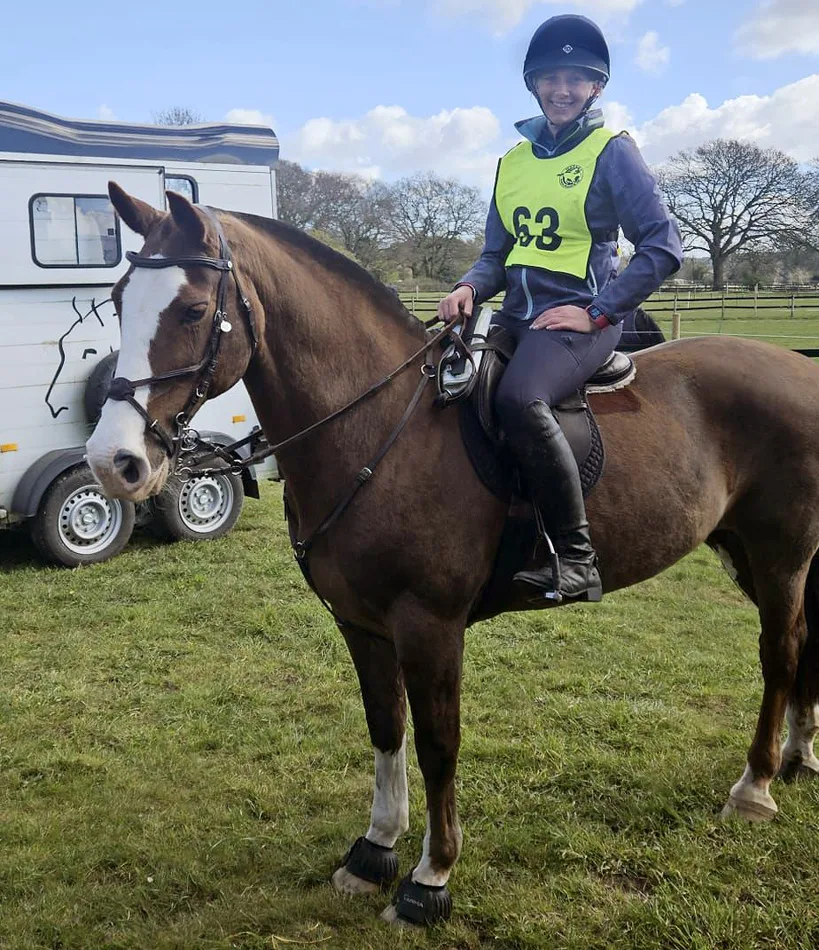
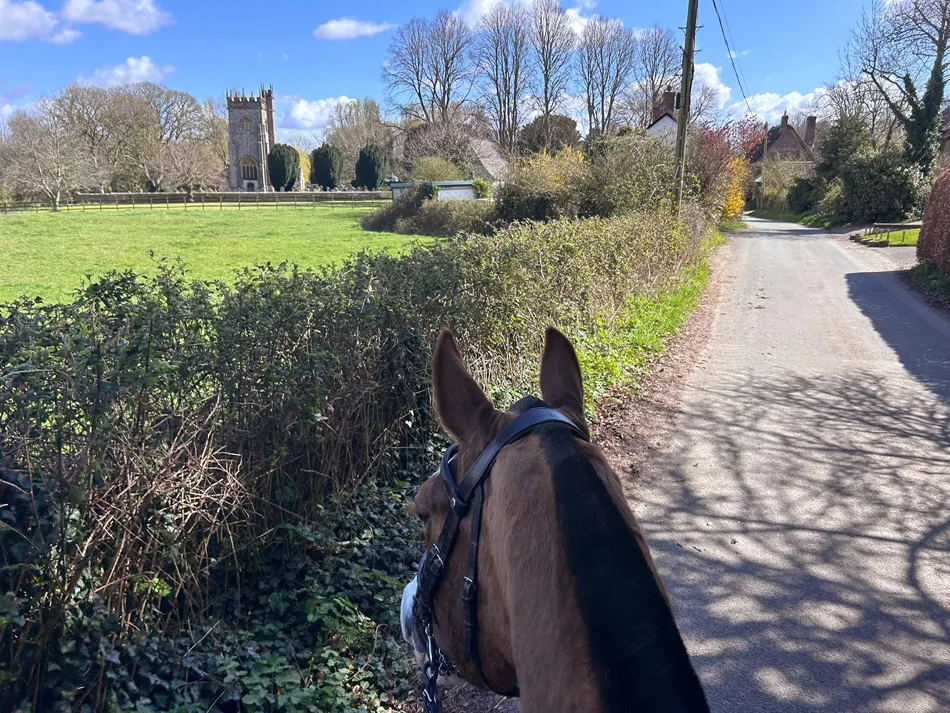
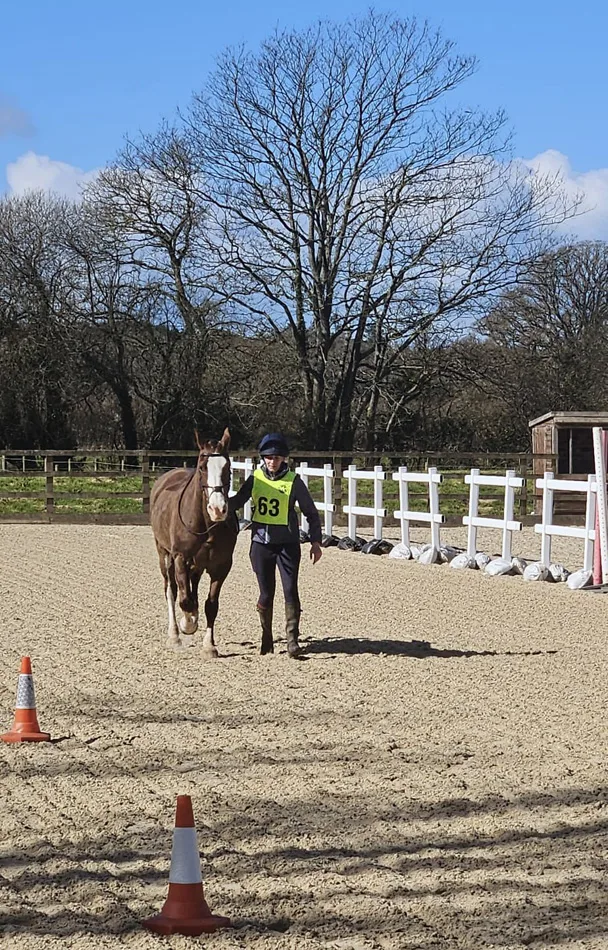
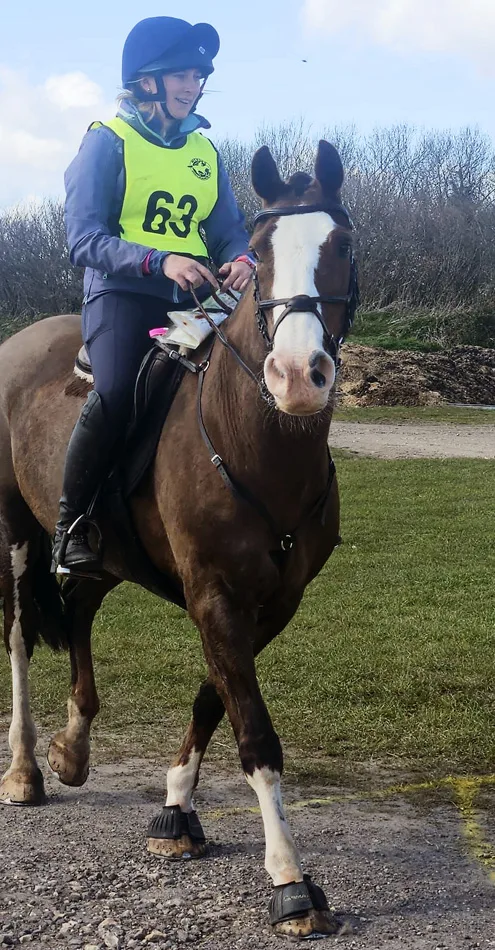
Welcome to April’s BV – where fire station closures meet the farmers’ Golden Buzzer moment, Radio Wimborne fights for its future and Jess Rimmer takes us back between the flags. 

We revisit Sydling St Nicholas in 1947, hear the arguments shaping local politics and keep a close eye on what’s happening across our towns and villages.

There’s wildlife, history, farming, opinions and, as ever, photography that makes you stop scrolling and just look. All of it completely free. 

Housekeeper / part-time cleaner required – Iwerne Valley DT11

0

10-15 hours a week in a busy house in North Dorset
Iwerne Valley DT11

The right person needs to be trustworthy, reliable and would ideally be based in the local area.
More hours may be available if desired.

£14 – £17ph dependent on experience – references required.

Please call or Whatsapp Anna on: 07760 230124

The best walk from DWT Lyscombe | 5.5 miles

0

Health issues have meant we’ve not been up for our usual weekend hikes. But the sun finally came out and we wanted to make the most of it: so we wracked our brains for an old, simple route with amazing views but no stiff climbs. Eventually we worked out a little circular that started high and kept mostly to the ridge, giving exactly what we needed. 

Starting in the small Dorset Wildlife Trust Lyscombe car park, this route takes you around the crest of the horseshoe – Lyscombe Hill into Hog Hill – with wide views most of the way round.

Although you’re up on a ridge, you’ve cheated and parked the car near the top, so the incline is very gradual – you really don’t have to earn the views you get.

At the top of Lyscombe Hill is one of our favourite lunch spots (DWT obviously agree, as they have now placed a bench there) – take a while to sit and face into the horseshoe: it’s a long view all the way to the coast, and it never gets old. We sat for a long time in the hazy spring sunshine, watching a pair of red kites soaring back and forth, occasionally being harried by the furious local rooks.

Coming down the other side, we chose not to take the shorter option up the road back to the car – not only because we’re not fans of road walking, even on a very quiet lane like this, but also because it involved a really steep hill section. Instead, we added a little 1.5-mile loop on the other side of the road, which was a lovely way to finish and brought us out right opposite the car park.

It was such a nice little route which I know we’ll return to again and again.

The whole circuit took us just two hours at a very slow saunter – we deliberately took our time and enjoyed every step.


The BV puzzles page – April 2026

0

Welcome to April’s BV Puzzles page – your free spot for a quick brain workout. Complete the crossword, test your logic with a classic sudoku, or relax with our massively popular seasonal Dorset-themed jigsaw. This month we have a classic springtime small starry carpet of celandines studded with our first bluebells of the year (we were early: this was taken in the middle of March!). Fair warning – it’s a tricky one. You might need a bigger mug of tea to keep you going.

Perfect for puzzle fans across Dorset and beyond, our digital puzzles work on mobile, tablet or desktop. Enjoy a quiet moment of challenge with new puzzles published every issue of The BV magazine.


Created by The BV using the free crossword puzzle creator from Amuse Labs

Play Sudoku online!

Dorset developers and the hanged family forger

0

From potholes swallowing tyres to the unravelling of developers’ planning promises – by way of a hanged Cornish forger – March’s podcast has a few unexpected turns along the way.


Who’s holding developers’ to account for their promises?

It was meant to be something really special… and people are heartbroken.’

Chair of Shaftesbury Town Council, Virginia Edwyn-Jones, speaks candidly about a local development where the promised beautifully-finished housing estate has failed to materialise, leaving residents dismayed.
From stripped topsoil to failed planting and unusable play areas, the conversation exposes a far greater concern than just some missing footpaths: once planning permission is granted, who ensures developers deliver what they promised?


Discovering a hanged family forger

‘It was just like touching time.’

Dorset writer Rachel Rowe uncovered an extraordinary story buried in her own family history – a press-ganged schoolmaster turned forger, executed in Bodmin in the early 1800s.

What begins as a tale of crime becomes something more complex – a story of inequality, bad luck and a system stacked against those with the least power.
(featured image is that of the Rowe family in 1900)


Are we wasting our time?

‘As a parish councillor, I’m left having to explain to people why our opinions count for nothing.’

Our anonymous parish councillor lets their frustration boil over this month, asking whether any parish or town council truly have a voice any more? 


Potholes and the Price of Keeping Dorset Moving

After one of the wettest winters on record, Dorset’s roads are showing the strain – with pothole reports up 92% and thousands of defects logged.

“Nearly 10,000 highways inquiries were logged in three months.”

Despite increased funding and rapid repairs, the bigger question remains: is the system built to cope with a changing climate – or simply patching over the problem?


The Grumbler: Building Homes That Don’t Add Up

This month’s Grumbler lays bare the financial reality facing small developers – where rising costs, new regulations and stagnant house prices leave projects unviable before they’re even finished.

“We will be lucky to make any profit at all.”

From soaring build costs to punitive council tax on unsold homes, it’s a stark account of an industry under pressure – despite government promises to build more.


Coffee and Craft: Getting the Perfect Brew

And finally, Jenny is back with Giles Dick-Read in his Dorset farmhouse kitchen to learn how to make a proper cup of coffee – from grind size to brew ratios.

“You can buy the best coffee in the world and still make a horrible cup of coffee from it.”

A reminder that even the simplest things – done well – are worth the effort.


This episode is based on stories from March’s BV, available to read online here https://bvmag.co.uk/March26 . News, people, place and perspective – all in one place. 
The BV – named Best Regional Publication in the UK (ACE Awards) and Regional News Site of the Year (Press Gazette). Always worth your ears.

The skylark at Badbury Rings

0

Jane Adam’s chance encounter with an injured skylark at Badbury Rings becomes a meditation on loss, renewal and the fragile return of spring

The skylark (Alaudala arvensis) – famed for its soaring songflight, the male skylark delivers a fast, complex cascade. Victorians estimated the birds’ songflight to be at 600m (2,000ft), but in reality most birds sing from around 50m and few ever go beyond 200m (650ft). The average display lasts just over two minutes, but some have continued for half an hour

If it hadn’t moved when it did, I would never have seen it. I had gone to Badbury Rings to blow away a few cobwebs. It was one of those March days where the wind turns your fingers to ice and hair to rags, but the sun tricks your brain into thinking it’s spring. Perfectly camouflaged against the dead autumn leaves, the skylark’s feathers were the colour of oak and ash, with a tuft on the top of its head like a peaked cap.
It was trailing a wing, unable to fly – I gathered it up, soft feathers as light as clouds, and placed it gently into my rucksack.

Skylark, Alauda arvensis, single bird on post, Wiltshire, May 2023

Messengers
A skylark that can’t fly is a profound paradox. Its collective noun – an exaltation – is no accident. To hear the song of a skylark, to look up and know it’s there somewhere high above, even though you can’t see it, is enough to lift anyone from a winter melancholy.
It’s the males that sing at this time of year: some start before dawn, spiralling hundreds of metres into the sky, singing continuously. Their unique vocal anatomy allows them to breathe in and out while still producing a stream of sound. These performances aren’t just on a whim – they’re the skylark’s way of wooing a mate and claiming territory … though I like to think they sometimes sing and fly simply because they can.
In European literature and poetry, skylarks have long been associated with renewal, hope, and rebirth. Chaucer, Shakespeare and Vaughan Williams all refer to them as messengers of the day.
Just as farmers once observed cows’ resting habits to forecast the weather, they also paid attention to the way skylarks flew: a gradual descent foretelling a fine day, while a rapid fall signified rain.
March is undoubtedly a month of awakening, of nature surging back after winter – of growth, green shoots and birds announcing new beginnings.


Sadly, skylark numbers have declined due to farming intensification. To hear one – let alone an exaltation – is now a rare joy.
I took the injured skylark to my local vet. Its wing was badly broken, and it couldn’t be saved. Later, as the sun set, I returned its body to the ancient rings, its connection between sky and earth now irreparably severed. But around me, skylarks descended quickly with silver song and tumbling wings, heralding spring even as the rain began.

Trustees needed | Sturfit – Sturminster Newton Leisure Centre

0


For more than 15 years, Sturfit has kept the Sturminster Newton community leisure centre open, maintained and evolving – not as a business, but as a not-for-profit charity run by local people. It’s a place used every day by families, clubs and individuals – and is much-needed by the local high school. Several thousand people a week walk through the doors, and for many, it’s not a luxury. It’s something they rely on.

And now, we need a few more people to help make sure it stays that way.

A role that genuinely matters

Being a trustee isn’t about helping out at the edges: you’ll help shape decisions that affect thousands of local people every year. Being a trustee is about helping to guide how this centre is run, how it’s sustained and how it continues to serve the community well.

It’s a few hours a month, but the responsibility – and the impact – is real. Decisions made by the trustees affect how the whole town uses this place.

Who we’re looking for

We’re looking for a small number of thoughtful people who care about the community and are willing to play a part in keeping this facility strong and sustainable.

We would particularly welcome:

– Someone with experience of leadership or management – perhaps you’ve led a team, department or organisation
– Someone with a good understanding of finance or business planning

Alongside this, we are always open to people who can bring a fresh perspective, sound judgement and a willingness to contribute.

You don’t need to be sporty. Many of us aren’t. What matters is that you can think clearly, ask sensible questions and commit a few hours each month.

Why it matters

Keeping a facility like this open, accessible and financially sustainable doesn’t happen by accident. It depends on local people being willing to step forward and take a share of responsibility for it. Most assume someone else will do that.

This time, it could be you

If you’ve ever thought you might like to contribute to something local – not just support it, but help protect and shape it – this is a straightforward way to do it. It’s a small commitment in time, but it helps ensure something important remains here for everyone.

Interested?

In the first instance, email [email protected] and tell us a little about yourself.

Sturfit is a registered charity that has operated Sturminster Newton’s leisure centre for over 15 years, providing accessible sport, fitness and wellbeing facilities for the local community.

Protecting what matters since 1926

0

One hundred years after the founding of CPRE, Rupert Hardy celebrates its legacy, while urging renewed defence of Dorset’s rural landscape

Sunset over Kimmeridge Bay – part of Dorset’s protected National Landscape.
All images: Rupert Hardy

CPRE – the Campaign to Protect Rural England – has spent 100 years defending the countryside from unregulated development and urban sprawl. Founded in 1926, it has spent a century helping shape National Parks, Green Belts and the modern planning system.

Founding years
CPRE was founded in 1926 by Sir Patrick Abercrombie and Sir Guy Dawber as the Council for the Preservation of Rural England. It brought together organisations including the National Trust and the Commons Preservation Society. Early efforts targeted ribbon development and the lack of planning controls in rural areas. Abercrombie had famously warned against ‘ribbon development’ as it would create “glimpses through an almost continuous hedge of bungalows and houses” – a vision he believed would destroy rural beauty. Key early achievements included securing the Petroleum Act in 1928 to control roadside advertising, influencing the 1932 Town and Country Planning Act, creating the first Country Code in 1935 and campaigning for the Metropolitan Green Belt Act in 1938. It was helped by such inspiring figures as Sheffield-based Ethel Haythornthwaite, the environmental campaigner and poet.

Post-war transformation
Following World War Two, CPRE’s advocacy contributed to significant land-use legislation. The 1947 Town and Country Planning Act addressed many of CPRE’s goals for land-use controls. After a 20-year campaign, the 1949 National Parks Act established National Parks, Areas of Outstanding Natural Beauty and Sites of Special Scientific Interest. By 1955, the government accepted CPRE’s call for protected Green Belts around major urban areas.
Campaigns in the Last Seventy Years
CPRE’s focus has evolved to address new threats and environmental sustainability. Since the 1960s CPRE has continued to adapt. In 1963 it campaigned for protection of England’s coastline. A long campaign against hedgerow loss led to legal protections in 1997. From the 1980s onwards, work has included promoting brownfield development, energy efficiency and opposition to fracking.
More recently, CPRE has focused on dark skies and rural tranquillity, developing light pollution maps and promoting ‘star count’ initiatives.
As it approaches its centenary, CPRE has also been shaping modern planning policy and strongly promoting roof-top solar energy, affordable rural housing and hedgerow restoration.
CPRE is celebrating a hundred years of standing up for the countryside, and a century of achievements, impact and dedication with lots of events throughout England, including a parliamentary reception in February.
As Mariella Frostrup, CPRE Somerset president, puts it: ‘Protecting the countryside isn’t about freezing places in time or saying no to change. It’s about making better change – for people, for nature, and for the long term.’
Award-winning garden designer Sarah Eberle is creating a CPRE-themed show garden at the 2026 RHS Chelsea Flower Show, after which the garden will be relocated to a regenerated housing development in urban Sheffield. We have also produced a short video, 100 Years in 100 Seconds – see it playing above right.
In May, Future Rural: Imagining Tomorrow’s Countryside – a call to action as well as a celebration of the CPRE centenary – will be published in May.

Duncliffe Wood, the iconic hilltop landscape currently threatened by a huge solar farm proposal

Dorset CPRE’s successes
Our local branch, Dorset CPRE (DCPRE) has been
campaigning to promote and protect our countryside, as well as supporting rural communities. Recent successes have included:
Helping to stop the West Dorset, Slyer’s Lane and Blandford Hill windfarms, as well as the Rampisham, Mapperton and Sadborow solar farms, which we believed would have had serious visual impact on the Dorset countryside.
Helping to save the beautiful Crown Meadows from a housing development we considered inappropriate in Blandford Forum.
Working to mitigate the effects of hundreds of inappropriate planning applications.
Campaigning throughout Dorset to control littering since our former President, Bill Bryson, launched Stop The Drop.
Sponsoring and judging the Best Dorset Village Shop competition until 2019 (the Best Dorset Village competition is sadly currently in abeyance as it needs a new major sponsor).
Helping to fund the refurbishment of iconic fingerposts and we are supporting Community Land Trusts.
Sponsoring the annual Dorset Hedgelaying Competition, organised by the Melplash Agricultural Society. We also promote the Great Big Dorset Hedge initiative.
Organising a number of successful conferences: the next will be on 9th June on Getting the Balance Right between Dorset’s Housing, Nature and the Countryside.

Celebrate the centenary!
Dorset CPRE’s events will include a big party at Milton Abbey, with lots of speakers, to which our members and others will be invited.
Second, the group will be planting lots of trees across the county, including England’s rarest native timber species, the black poplar.
Dorset CPRE has a new logo and website and is also offering membership at a centenary rate of just £3 per month.
meeting on 31st March at Clayesmore School, where Dr Miles Russell, Bournemouth University’s director of archaeological fieldwork, will speak on excavations at Winterborne Kingston: Investigating Iron Age and Roman Dorset.
Do let me know though if you are coming –[email protected]
Finally, we must resolutely fight a government that seems determined to concrete over the countryside and flout local democracy.

dorset-cpre.org.uk

£880,000 legacy secures future of hospice care in North Dorset

0

Specialist end of life care across Shaftesbury and North Dorset has been given a significant boost following an £880,000 donation to Weldmar Hospicecare from local charity Cedars Castle Hill.

The funding follows the sale of Cedars Nursing Home to an established care provider and Castle Hill House for development by a family-run business specialising in the restoration of historic buildings. Trustees have directed the proceeds towards supporting local hospice services, ensuring continued care provision in the area.

Trustees from both Weldmar Hospicecare and Cedars Castle Hill, alongside nurses and health care staff from Weldmar’s Specialist Hospice at Home North Dorset hub.

The donation will fund Weldmar’s Specialist Hospice at Home North Dorset hub, which enables patients with life-limiting illnesses to receive care in their own homes. The service brings together nurses, doctors, therapists and counsellors to support both patients and their families, often working alongside GPs and district nurses.

Caroline Hamblett, CEO of Weldmar Hospicecare, said: ‘We are overwhelmed by the generosity of the Cedar Castle Hill Trustees. At a time when hospice funding is under immense pressure nationally, this injection of funds is a lifeline. It ensures our teams can continue to provide comfort and reassurance to families in Shaftesbury and the surrounding area when they need it most.

Cedars Castle Hill has been providing exceptional care for people in Shaftesbury for over forty years now, and we are delighted that their gift will provide a solid foundation for the continuation of care and support of the local community.’

Martin Thomas, Chairman of Cedars Castle Hill, added: ‘As Trustees we’re delighted that Cedar Castle Hill’s legacy will lead to the strengthening of local care and support services so ably provided by Weldmar.

We are also proud to have achieved our twin goals of securing continuity of care for our former residents and job security for our staff, in response to a very challenging economic environment.’

Weldmar supports adults across Dorset who are thought to be in the final twelve months of life, with most care delivered at home rather than in its inpatient unit in Dorchester.

Selina Heaton, who leads the North Dorset hub, said: ‘North Dorset is a unique patchwork of close-knit towns like Shaftesbury and Gillingham, alongside many beautiful but isolated villages. For patients living in rural communities, the idea of travelling for care can be daunting. This incredible donation means we can keep our ‘hospice at home’ moving, bringing expert clinical care and emotional support directly to people’s doors. It ensures that no matter how rural your home is, you aren’t facing a life-limiting illness alone.’

Weldmar Hospicecare is an independent charity which must raise more than £27,000 each day to provide its services free of charge across Dorset.