

For millions of people, the idea of working from a beach in Bali, a cafe in Lisbon or a mountain lodge in Colombia sounds like the ultimate dream. Thanks to better remote working technology and a growing number of countries welcoming foreign professionals, becoming a digital nomad has never been more achievable.
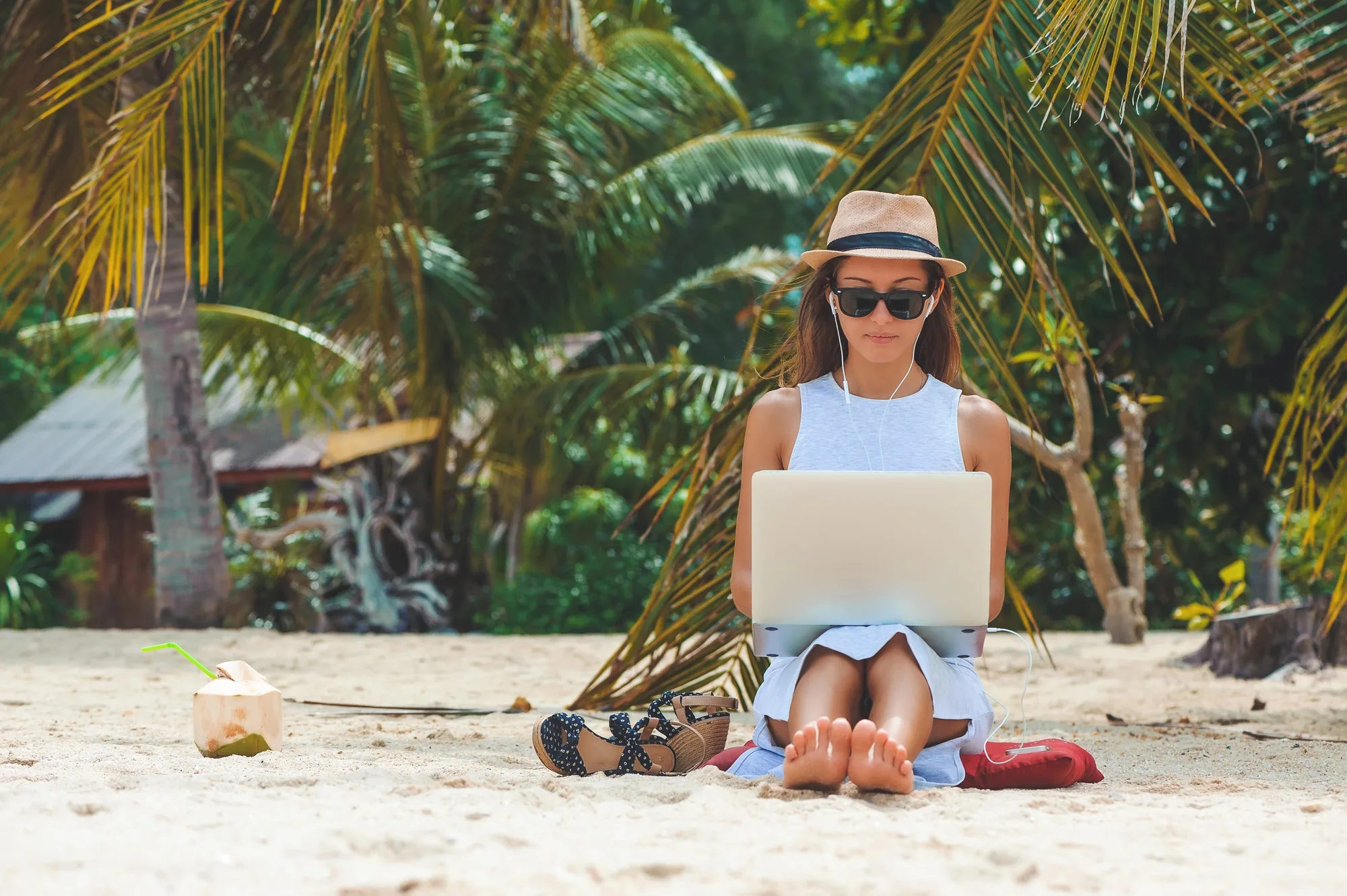
The reality, however, is a little different from the Instagram version. Digital nomad life isn’t one long holiday. Deadlines don’t disappear because you’re watching the sunset in Thailand, and Zoom meetings don’t stop because you’re exploring a new city. Successful nomads combine careful planning, financial discipline and plenty of self motivation with the freedom to choose where they live.
If you’re considering making the leap in 2026, here’s everything you need to know before packing your bags.
What Exactly Is a Digital Nomad?
A digital nomad is someone who earns a living remotely while regularly moving between locations, often travelling between different countries throughout the year. Unlike traditional remote workers, who typically work from a permanent home office, digital nomads embrace a lifestyle where laptops replace desks and Airbnbs replace long term rentals.
That’s an important distinction. Someone working from home five days a week is remote. Someone working from an apartment in Prague this month, a co-living space in Mexico next month and a beachfront cafe in Vietnam after that is living the digital nomad lifestyle.
The jobs best suited to this way of life are almost entirely digital. Software developers, designers and cybersecurity professionals have long embraced remote work, but they’re no longer alone. Copywriters, SEO specialists, marketers, consultants, online teachers, customer support agents, video editors and virtual assistants can all build careers without being tied to a single office.
The common thread isn’t the industry, it’s having a reliable internet connection and work that can be completed online.
The Practical Preparation: Visas, Taxes and Tech
Visas
One of the biggest changes over the past few years has been the rise of dedicated digital nomad visas. More than 50 countries now offer some form of visa designed specifically for remote workers, making long term stays far easier than relying on tourist visas alone.
Requirements vary widely, but most countries ask applicants to prove a stable monthly income, provide evidence of remote employment or self employment, and hold valid health insurance. Processing times, application fees and minimum salary thresholds differ from one destination to another, so it’s worth researching each country’s rules well in advance.
Taxes
Tax is where many aspiring nomads come unstuck.
A common misconception is that leaving your home country automatically means you stop paying tax there. Unfortunately, international tax residency is rarely that simple.
Many countries apply what’s commonly known as the 183 day rule, meaning spending more than 183 days in a country during a tax year could make you tax resident there. However, tax residency depends on much more than simply counting days, with factors such as permanent homes, business interests and personal ties often coming into play.
Before relocating overseas for any significant period, it’s wise to speak to an accountant who specialises in international taxation. A little professional advice can prevent expensive surprises later.
Your Essential Tech Stack
Technology is your office, so investing in reliable equipment pays dividends.
Every digital nomad should travel with a lightweight, dependable laptop with excellent battery life, a high capacity portable power bank for long travel days, noise cancelling headphones for cafes, airports and shared workspaces, universal travel adapters covering multiple plug types, cloud storage with automatic backups, and a premium VPN to protect sensitive information when using public Wi-Fi.
That final item is particularly important. Public internet connections in hotels, cafes and airports are convenient but rarely secure. A reputable VPN adds an important layer of protection when handling work files or accessing financial accounts abroad.
Transitioning Your Life into a Suitcase
One of the biggest mistakes first time nomads make is booking a flight before organising everything they’ll be leaving behind.
Think carefully about how you’ll receive mail, whether you need someone to manage official correspondence and what happens if important documents arrive while you’re overseas.
Insurance deserves equal attention. Standard travel insurance often isn’t designed for people spending months abroad while working remotely. Specialist travel and health insurance can provide much broader protection, particularly if you’re carrying expensive technology.
Banking is another area where preparation pays off. Multi currency accounts make it much easier to receive payments, exchange currencies and avoid excessive foreign transaction fees.
Perhaps the best advice, however, is not to go all in immediately.
Before selling your furniture, ending your lease and giving away half your possessions, spend a month working from a nearby country. Treat it as a trial run. You’ll quickly discover whether you genuinely enjoy balancing work with travel before making permanent lifestyle changes.
Managing Downtime: Keeping Your Mind Sharp Off the Clock
One aspect of digital nomad life that rarely appears on social media is burnout.
When your apartment doubles as your office, it’s surprisingly difficult to switch off. The temptation to answer “just one more email” can quickly turn every evening into an extension of the working day.
Finding healthy ways to disconnect becomes essential.
Because nomads travel with limited luggage, hobbies often need to be digital too. Reading, language learning, online chess and puzzle games are all excellent ways to stay mentally engaged without requiring physical equipment.
Another surprisingly rewarding option is learning the basics of blackjack. The game rewards concentration, probability and memory far more than luck alone, making it an enjoyable mental exercise during quiet evenings after work.
Once you’ve learned the fundamentals, reputable top UK online blackjack sites provide a convenient way to put that knowledge into practice from your phone or laptop, whether you’re relaxing in a hotel room or unwinding after a productive day in a co-working space.
It’s important to keep expectations realistic, though. While you’ll find countless stories online about professional card counters and gambling systems, casino games should never be viewed as a dependable way to finance your travels. Treating blackjack as a low stakes hobby rather than a source of income helps ensure it remains entertaining instead of stressful.
Finding the Right Base and Community
Choosing the right destination is about far more than sunny weather.
Reliable high speed internet should always be near the top of your checklist, followed closely by affordable accommodation, walkability, good healthcare and a safe environment.
Many experienced nomads also prioritise destinations with established remote working communities. Cities that already attract freelancers tend to have better co-working spaces, networking events and cafes designed for people working online.
Perhaps even more importantly, they make it easier to meet people.
Loneliness is one of the most commonly overlooked aspects of long term travel. Constantly arriving somewhere new can be exciting, but building lasting friendships takes effort.
Joining co-working spaces, attending local meetups, participating in expat groups and signing up for community events are all excellent ways to create a social network while living abroad.
Final Thoughts
Becoming a digital nomad isn’t simply about swapping an office for a beach. It’s about creating a sustainable lifestyle that combines work, travel and personal freedom without sacrificing productivity or financial stability.
Success comes from preparation rather than spontaneity. Understanding visa requirements, organising your finances, investing in the right technology and choosing destinations carefully will make the transition far smoother.
Do it well, and you’ll discover one of the greatest advantages of the digital nomad lifestyle isn’t simply seeing more of the world, it’s having the freedom to decide where tomorrow’s office will be.