We’re very pleased to share that The BV has once again been shortlisted for Regional Publication of the Year at the 2026 Newspaper & Magazine Awards.
This marks our fourth time on this national shortlist, and follows our previous win in 2024.
The category includes The Chronicle, Manchester Evening News, The Irish News and The West Dorset Magazine.
Independent and digital from inception, The BV is rooted in rural Dorset, with magazine-led journalism and sustained public-interest reporting. We are grateful to our readers and partners whose support makes recognition like this possible.
This month’s cover photo wasn’t meant to be symbolic. After our usual heated tussle and group vote, we finally plumped for the bright, buttery yellow flowers with a rain-soaked ladybird perched on top, both of them looking slightly surprised by the amount of water involved. Only afterwards did I realise we had rather serendipitously chosen daffodils for the cover of the fourth anniversary of the war in Ukraine. They’ve become one of the symbols of the conflict – their bright, sturdy yellowness standing for hope and resilience. Quite unintentionally, our cover now carries a small reminder of a war that still hasn’t gone away, even as the world keeps finding new ones to worry about. It’s all a bit much, isn’t it? Ukraine is still at war, but the news is suddenly full of Iran. The cost of… everything… continues its determined climb upwards. And every economist on the radio sounds like someone who has just opened a very alarming electricity bill. So this week I did what any sensible person does in publication week: I scrolled TikTok every time the kettle boiled. Which, to be honest, is quite often. I have learned several important things. Firstly, pandas are absolute chaos merchants. There is a whole genre of videos devoted to pandas being jump-scared, falling out of trees or simply rolling downhill for reasons known only to themselves. Secondly, Ring doorbells have created an entirely new category of comedy in which unsuspecting humans step confidently out of their front doors and immediately vanish sideways down the steps. And thirdly, there are endless videos of people being surprised by a much-missed daughter, son, cousin, friend or parent appearing unexpectedly through an airport gate or front door. I am apparently powerless against these. Within seconds I’m sniffling over strangers hugging each other in a departures lounge somewhere in Ohio. TikTok also assures me, several times a day, that growing up in the 1980s was the greatest moment in human history, that owning a cat will improve – or ruin – your life by 300 per cent, and that a mid-life crisis is really just a perfectly sensible decision to stop wearing uncomfortable shoes. I find all of this oddly cheering. And sometimes a rain-drenched ladybird lands on a daffodil and reminds you that even in very soggy weather, life keeps going.
Laura x
On When Water Rises Your excellent article on groundwater flooding highlights something that many residents have been saying for years: the figures used to assess flood risk are hopelessly out of date. Planning decisions are still being made using models and assumptions that simply no longer reflect the reality we’re living in. Rainfall patterns have changed, winters are wetter and extreme events are more frequent. Yet developments continue to be approved based on calculations that appear to belong to another climate entirely. Until planners begin using realistic projections that properly account for current conditions – not historic averages – we will keep repeating the same mistake: building homes in places that are increasingly vulnerable to flooding. Communities then end up paying the price when those models inevitably prove wrong. If climate change is already altering how and where water moves through the landscape, surely our planning system needs to catch up with that fact as a matter of urgency. Catherine Small Gillingham
Your recent article on flooding was fascinating, but I suspect many of us living in rural Dorset are drawing a simpler conclusion. Over the years it feels as though a lot of the routine maintenance that once kept water moving has disappeared. Ditches, gullies and culverts that used to be cleared regularly are now often choked with leaves and debris. When heavy rain comes, the water has nowhere to go. The same with rivers and streams – they used to be cleared of debris and fallen trees far more frequently than they are today, and were dredged. It’s hard not to feel that the basic housekeeping that once helped manage water has been neglected. Flooding is a complex issue and climate change is real. But before we leap to complicated solutions, perhaps we should start by making sure the drains, ditches and waterways we already have are actually able to do the job they were designed for? Name and address supplied
I’ve noticed numerous comments on your Facebook page suggesting that dredging our rivers would solve Dorset’s flooding problems. It’s an understandable reaction – many of us remember a time when rivers and ditches seemed to be cleared more regularly. However, dredging is rarely the solution people imagine it to be. In most cases it simply moves the problem further downstream. By deepening and straightening channels, water flows faster and arrives in larger volumes elsewhere, increasing flood risk for those further along the river. Modern flood management tends to focus on slowing water down rather than speeding it up – allowing floodplains to hold water, restoring natural river meanders and managing land higher up the catchment so rainfall is absorbed rather than rushing straight into rivers. Dredging has a place in very specific situations, but it is not the simple fix many people believe it to be. Flooding is becoming more complex as rainfall patterns change, and unfortunately there are no easy answers. Harry P, Shaftesbury
THANK YOU! To the two kindest gentlemen who rescued my daughter when she hit a pothole near Three Legged Cross two weeks ago. The first stopped and changed her tyre for her, and when she discovered her spare was flat after he left, a second gentleman not only pumped it up, but gave her the pump to ensure she got home safely. Fay-in-the-Micra’s mum, Bournemouth
On the sheep cruelty conviction Your report on the North Dorset farmer banned from keeping sheep was deeply upsetting to read, and rightly so. No animal should suffer neglect, and the court’s decision makes clear how serious the situation was. However, people do not often set out deliberately to mistreat their animals. Farming is not just an occupation but a way of life, and when things go badly wrong there can sometimes be underlying problems that the wider public never sees. Farming charities have repeatedly highlighted the mental health struggles within the industry. RABI’s 2021 Big Farming Survey found that 36% of farmers are probably or possibly depressed, many reporting isolation, financial pressure and an inability to ask for help. None of that excuses cruelty, of course. But it does suggest that when animal welfare collapses on a farm, it may sometimes reflect a farmer who has also reached a point of collapse. If that is the case, the question becomes not only how we enforce welfare standards – which must be done – but also whether the right support systems are in place before situations reach this stage. Compassion for animals and compassion for people are not mutually exclusive. Hannah G, Sherborne
As a farmer, the cruelty case you reported was sickening. Anyone who keeps livestock knows that their welfare is the first responsibility of the job. Most farmers care deeply about their animals and are rightly horrified by this case. At the same time, I think it’s important the public understands that this is not normal farming. Cases like this are rare and the vast majority of us livestock keepers work long hours, in all weathers, to ensure our animals are well cared for. When something does go this badly wrong there is usually more going on behind the scenes. That doesn’t excuse the suffering of animals, but it may explain how standards can collapse. Animal welfare comes first. But supporting struggling farmers before things reach this point is just as important. Name and address supplied
On the Blacksmith’s wife who died in her chair My husband is William James Hunt’s great grandson. We still own The Old Forge where his grandfather Charles and Great Grandfather William had a wheelwright and blacksmiths. The carving of the screen in the back of Piddletrenthide Church was done by William James Hunt, and we have the diagrammes he used to carve it. Hils Hunt, via Facebook
This lady was my husband’s great great aunt – I believe her name was Emily. Lyn Hunt, via Facebook
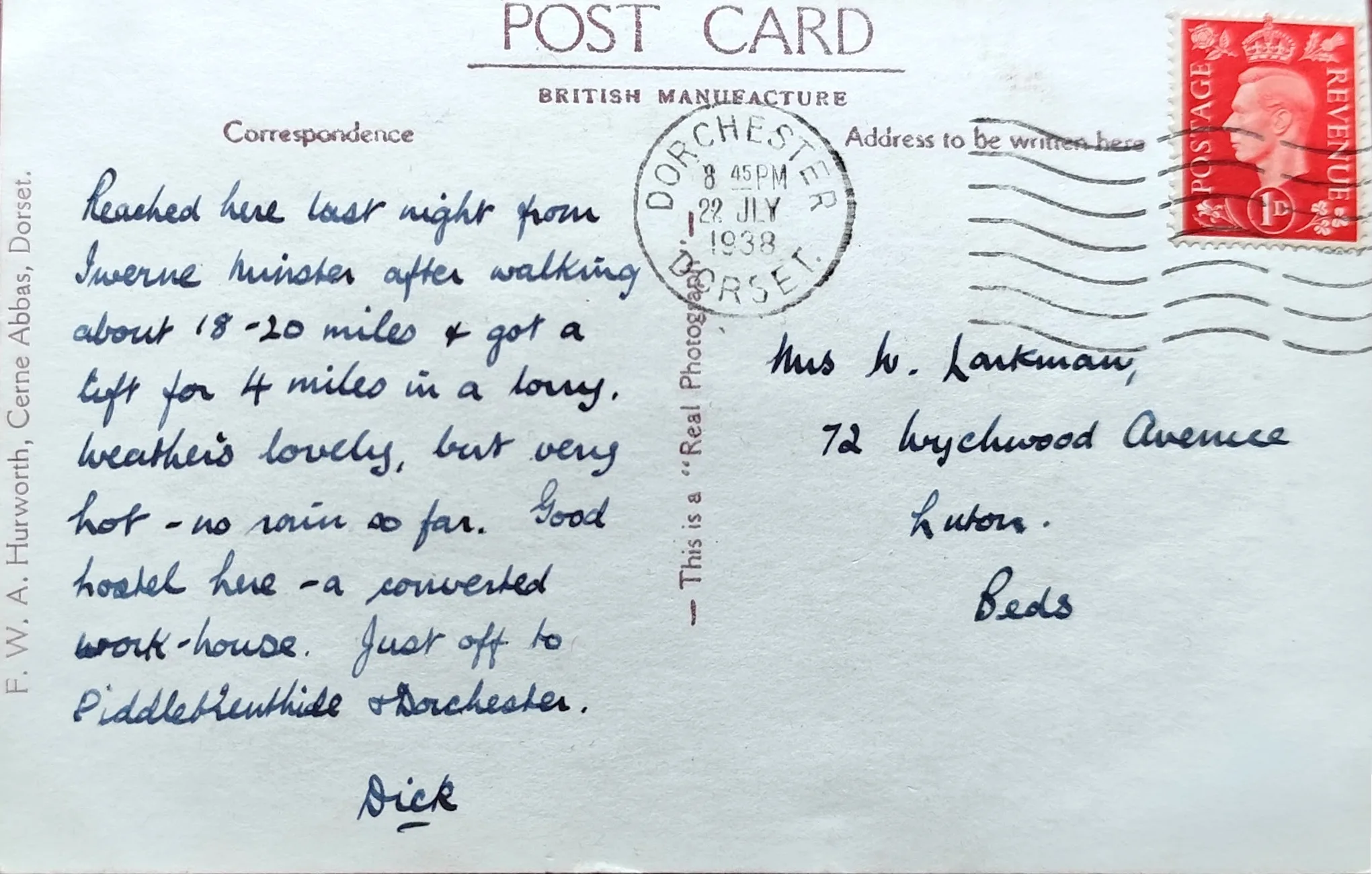
On a 1938 postcard from Cerne Abbas Dick [the sender of the card] is Richard W Larkman (b. 1917), writing to his mother Mabel E Larkman, who of course would be addressed as ‘Mrs W Larkman’ since her husband’s name was William. It was easy to find the household in the 1939 register online. From press announcements, Dick (Richard W. Larkman) was a Captain in the Royal Army Ordnance Corps – he married in Kings Lynn in 1945. Quite a relief, since the RAOC would’ve been part of the British Expeditionary Force in France and Belgium in May 1940, and their retreat to Dunkirk. Well done Dick. Pam Booth, via Facebook
Want to reply? Read something you feel needs commenting on? Our postbag is open! Please send emails to [email protected]. When writing, please include your full name and address; we will not print this, but do require it.
Welcome to March’s The BV – we’ve got potholes and developers (though it’s moderately tricky to create an issue without them, if I’m honest), Dorset’s most expensive council tax, beautiful skylarks, a frozen Cold War beret, two hangings, potholes again (100-year-old ones this time: look out for that one, it’s such a good read), some great letters, some even greater muffins, George Hosford telling us We Need To Talk About about Roundup, pages of stunning readers’ photography, books, puzzles… oh, and some insider tips for Cheltenham. Seriously. All that for the low-low price of … *checks* absolutely free. Read it. You’ll like it. Or your money back.
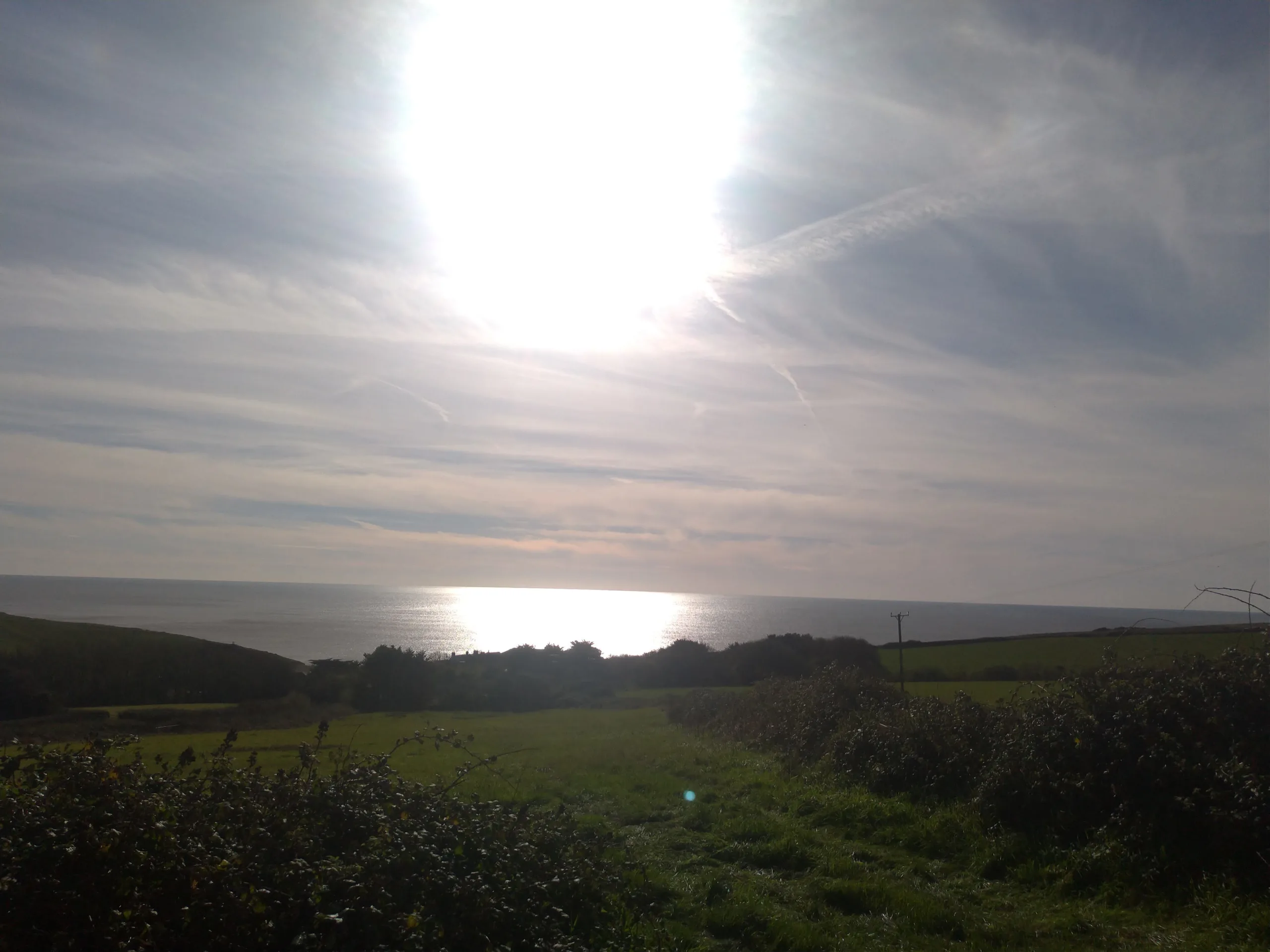
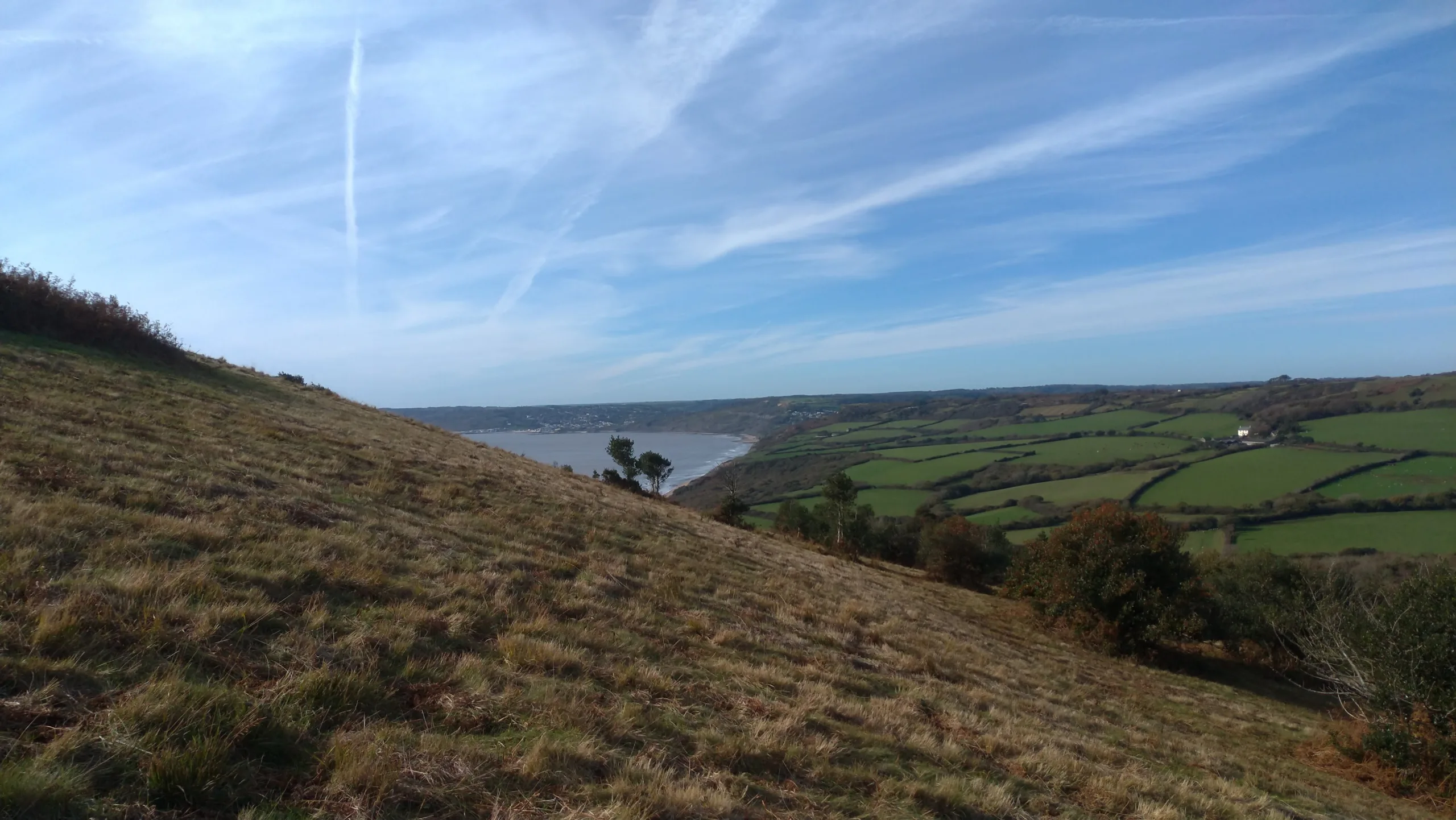
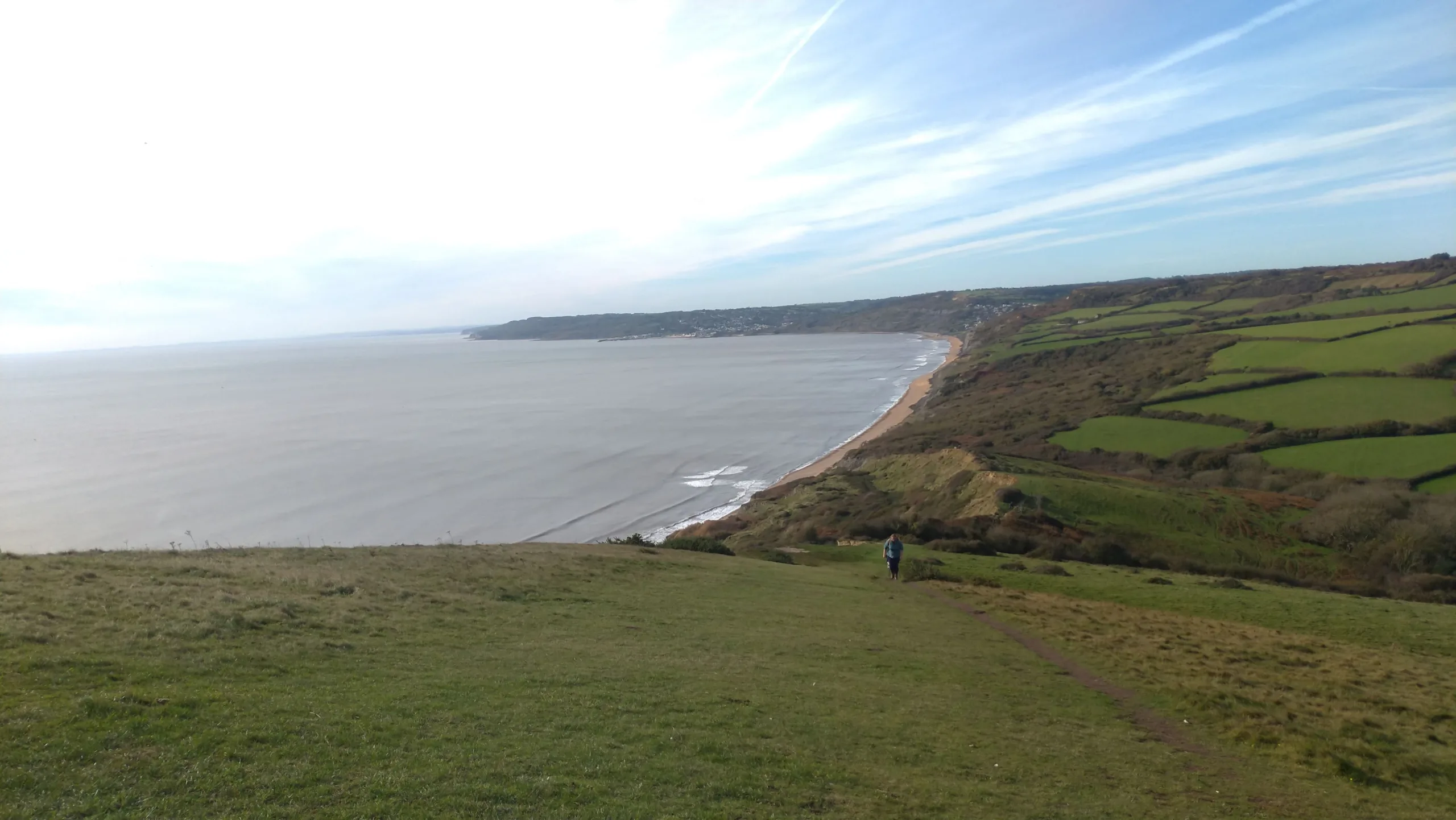
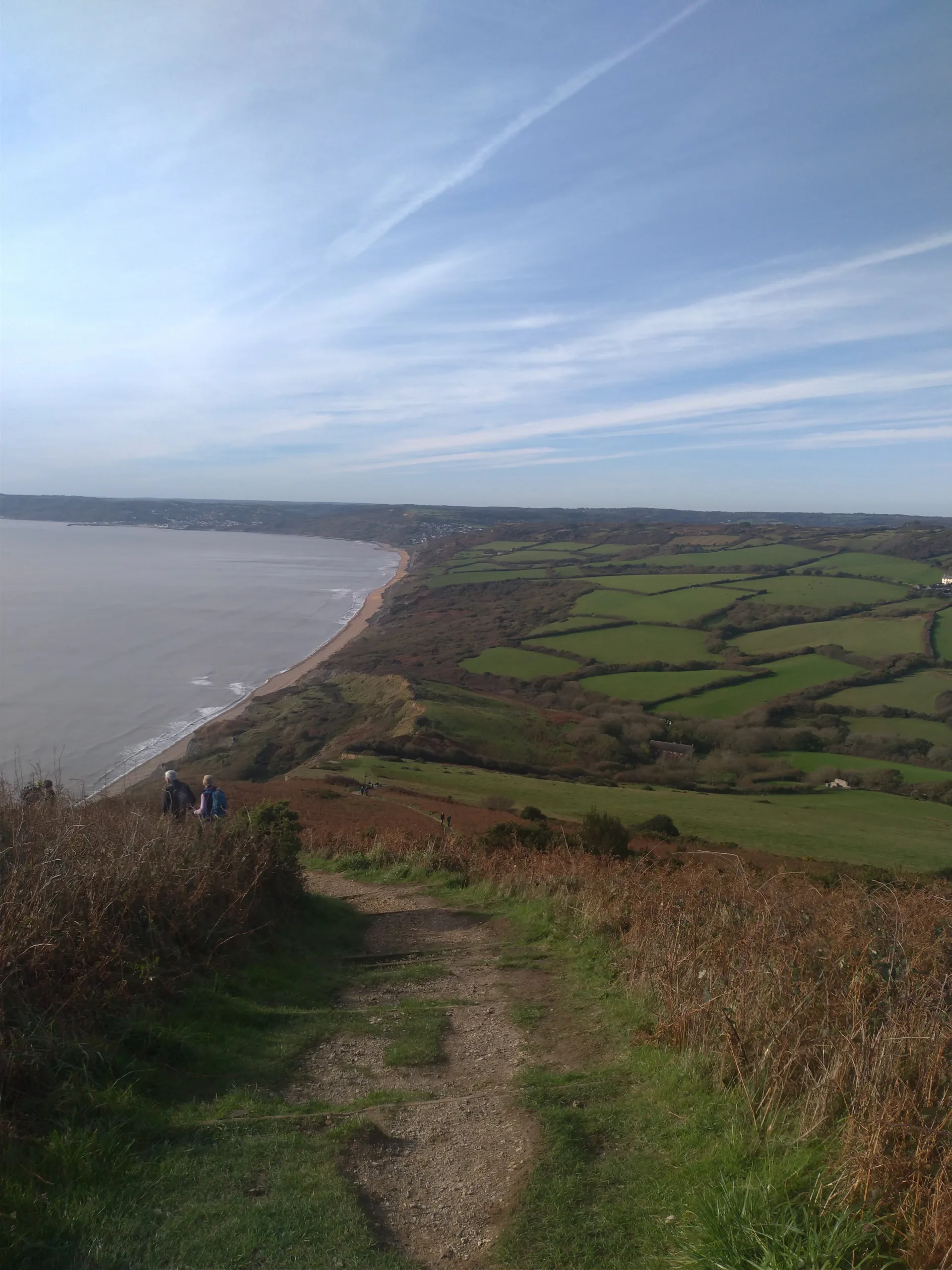
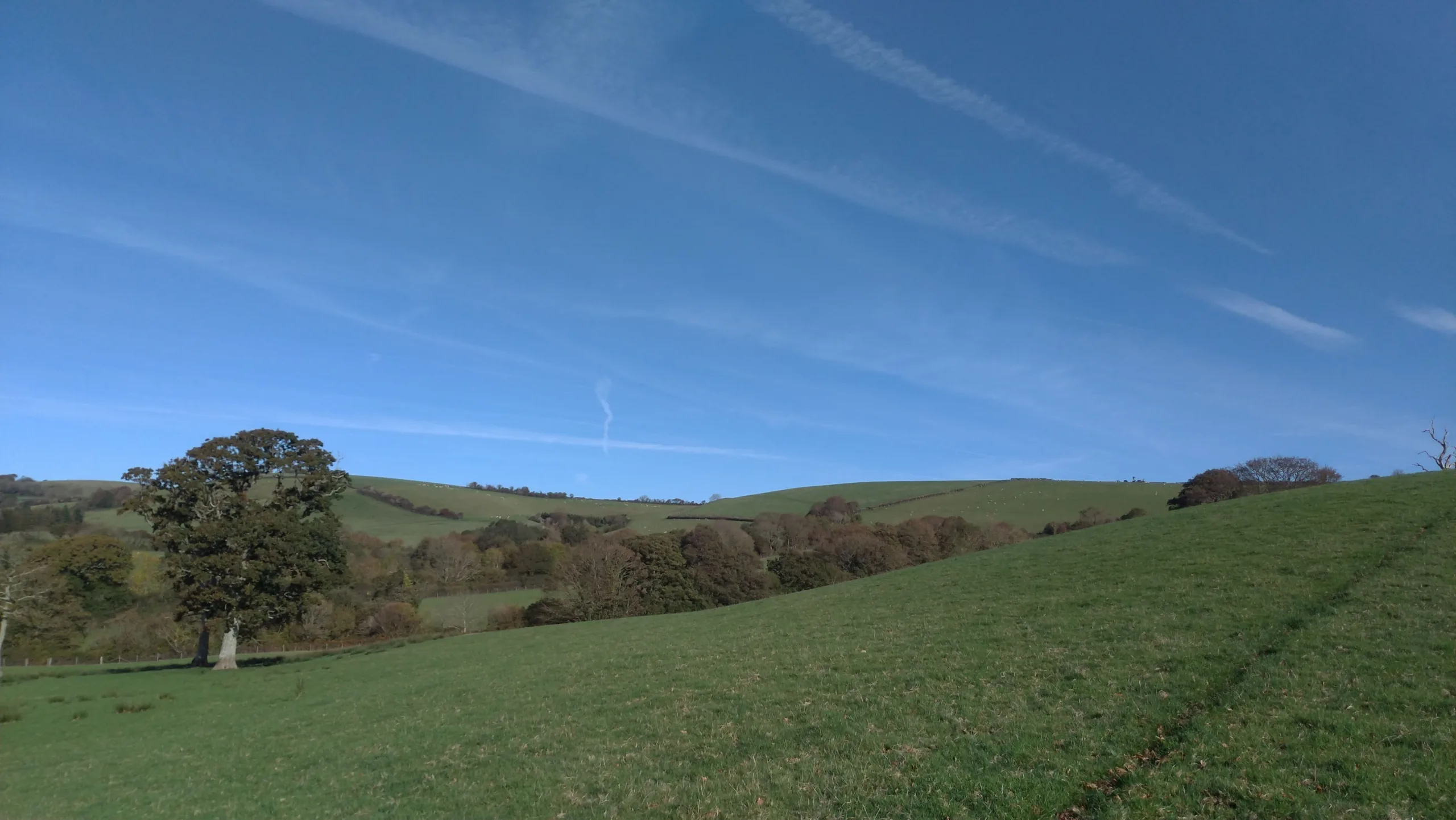
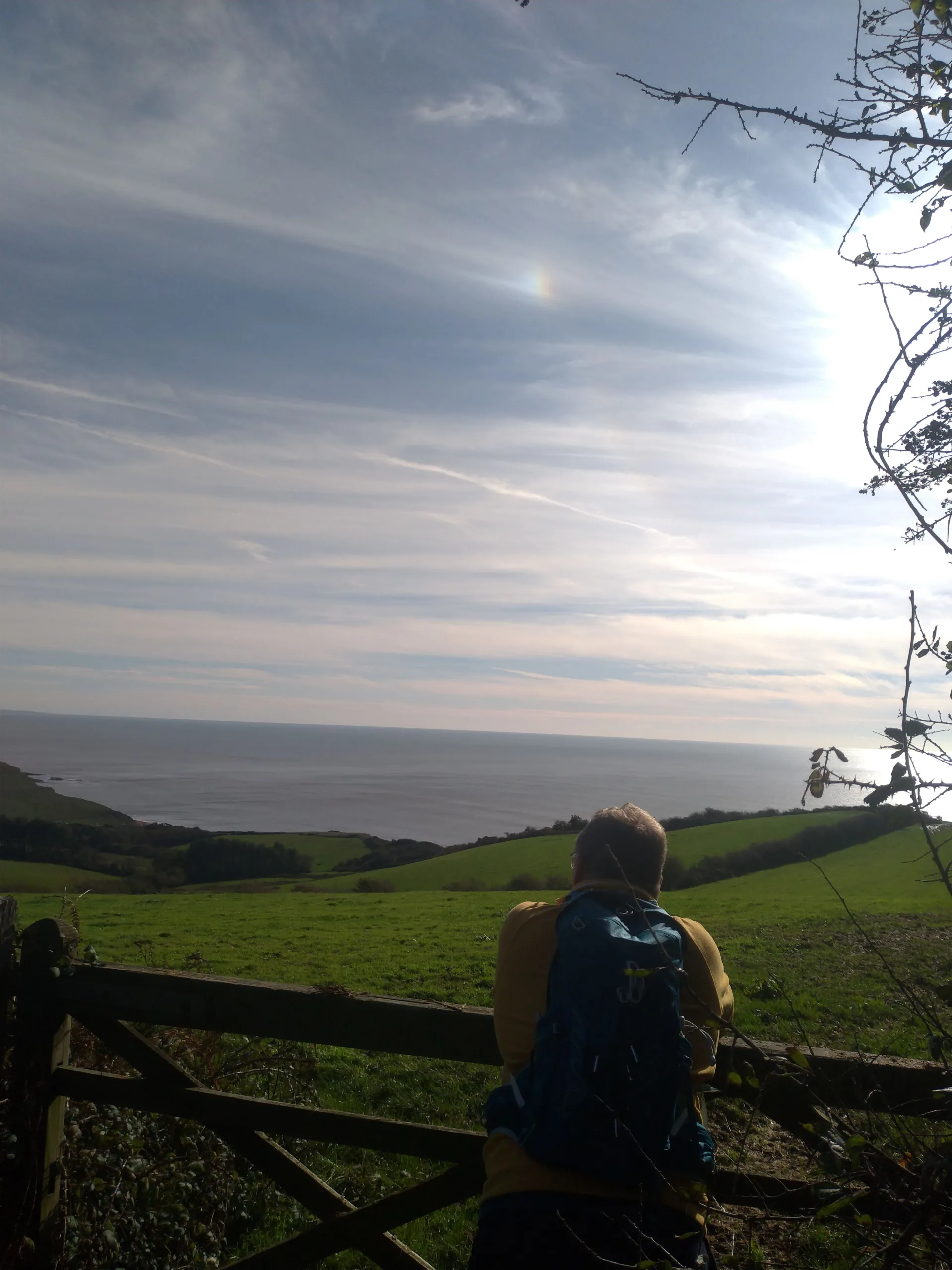
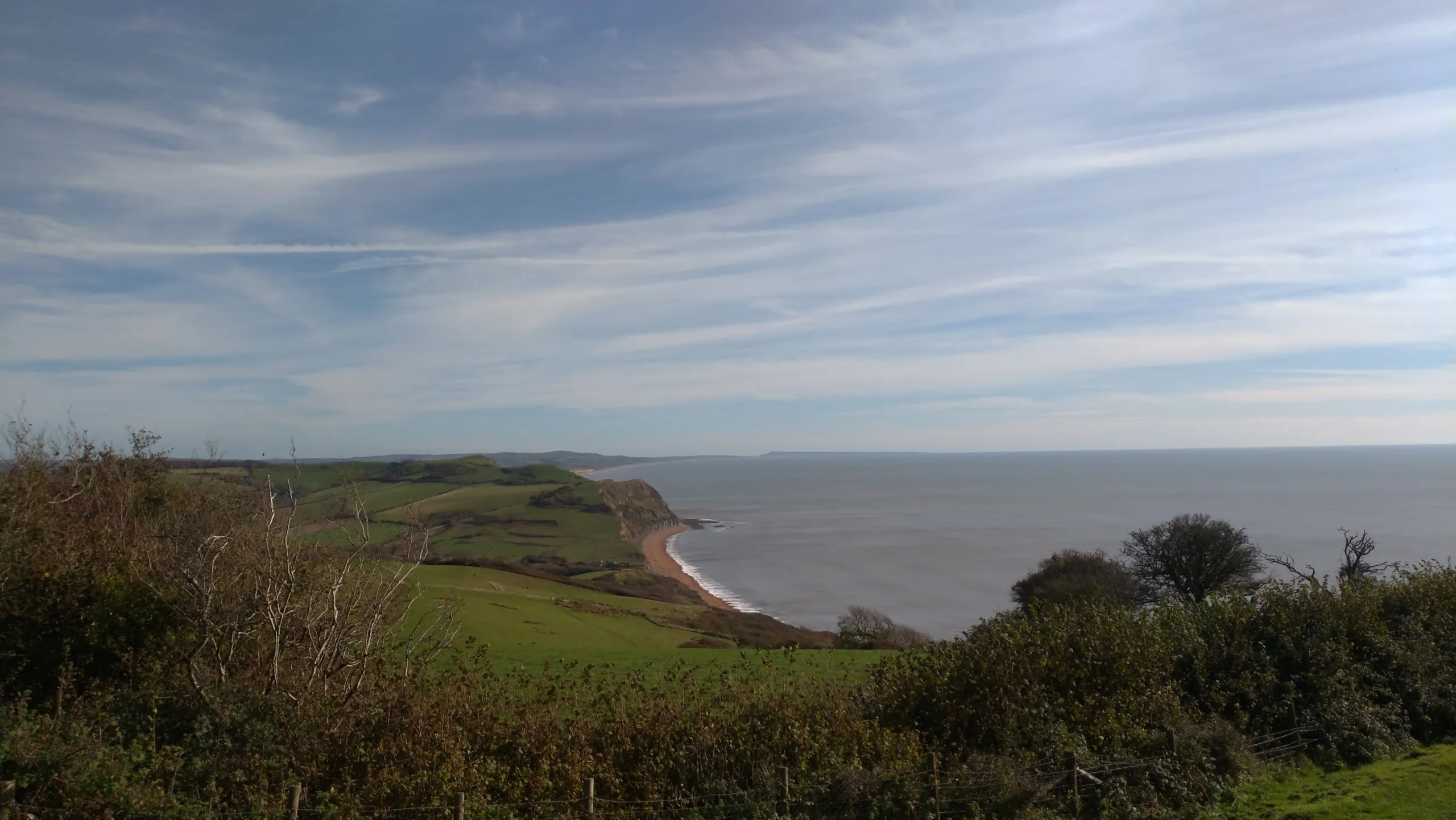
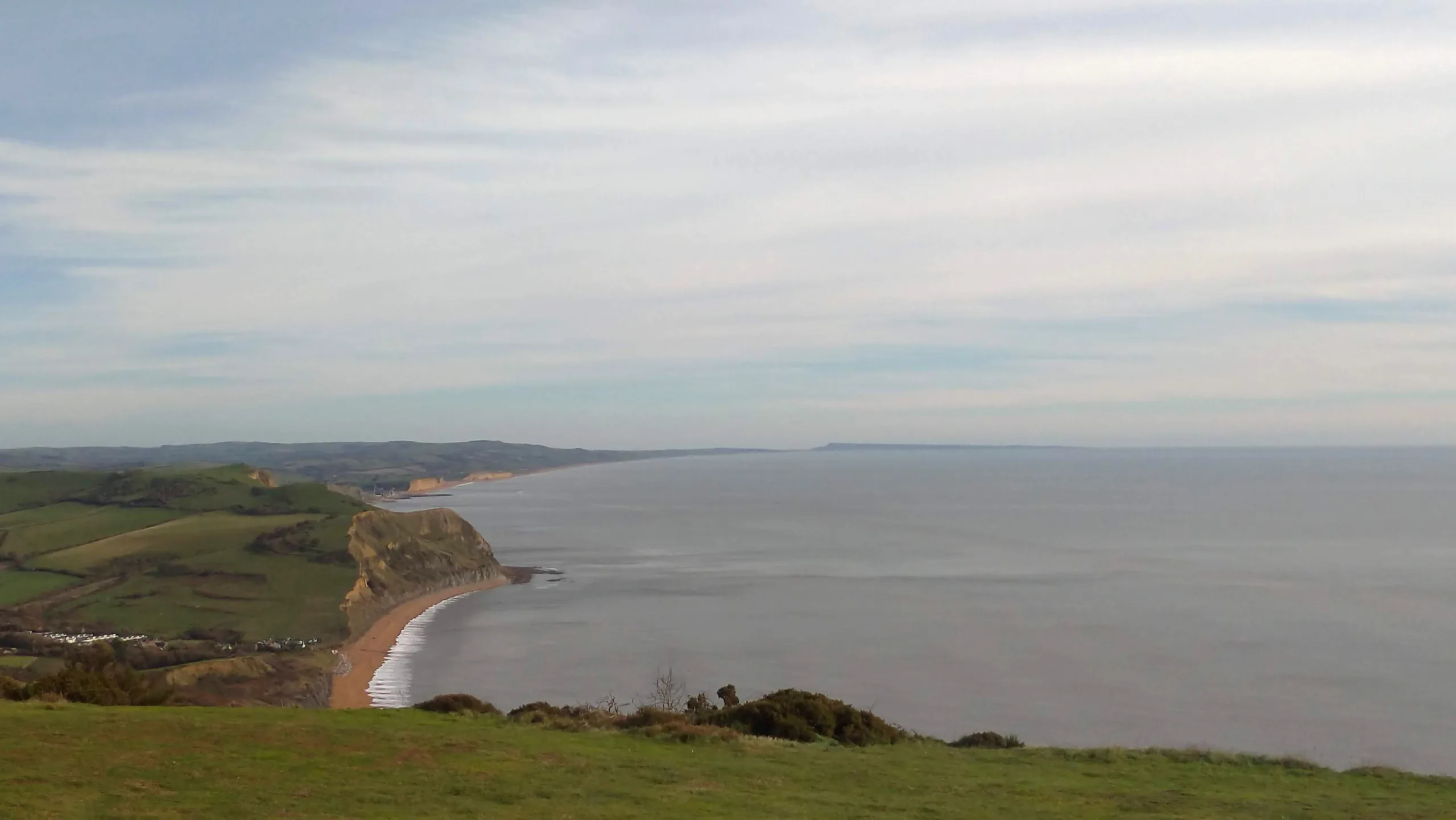
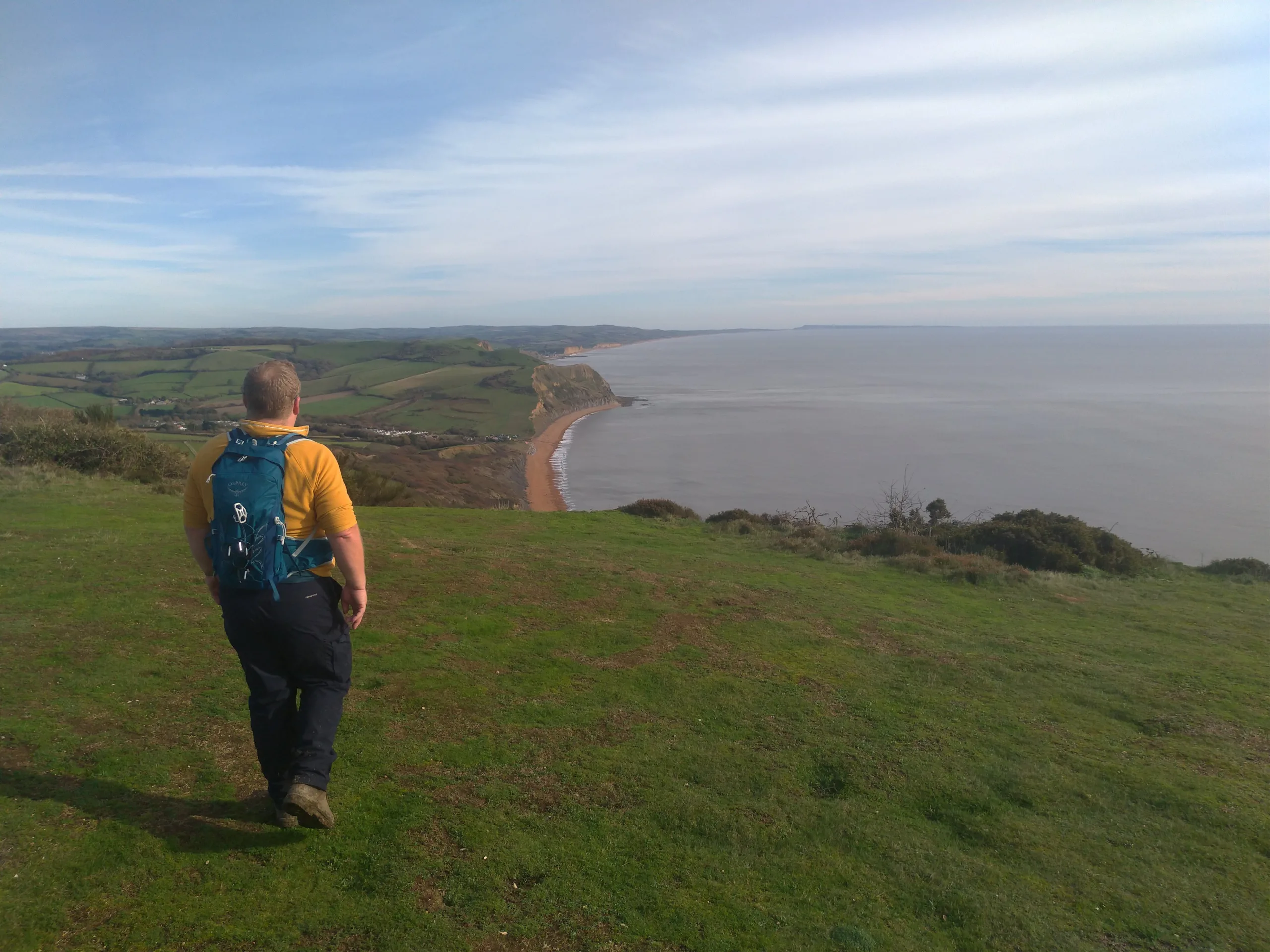
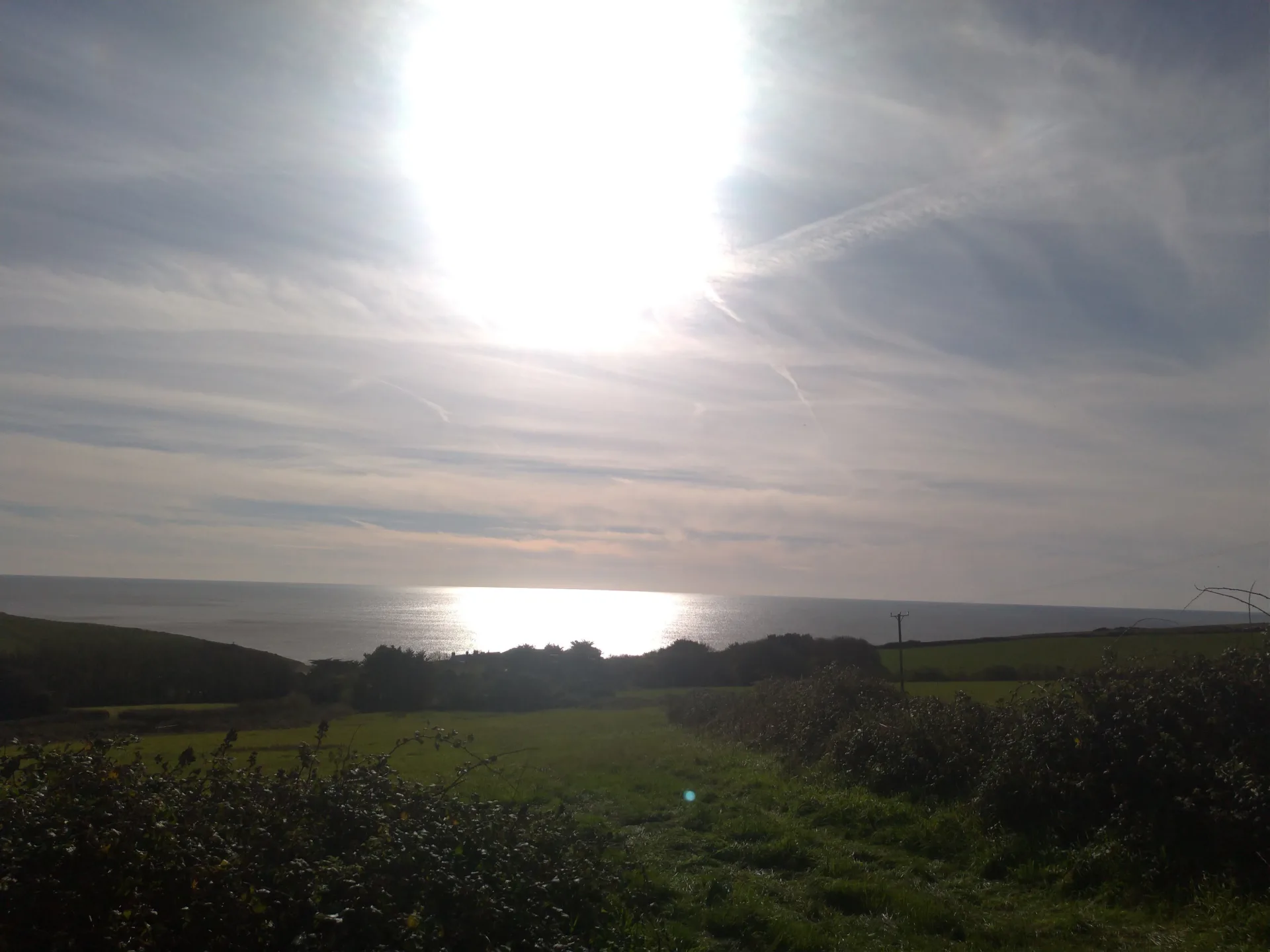
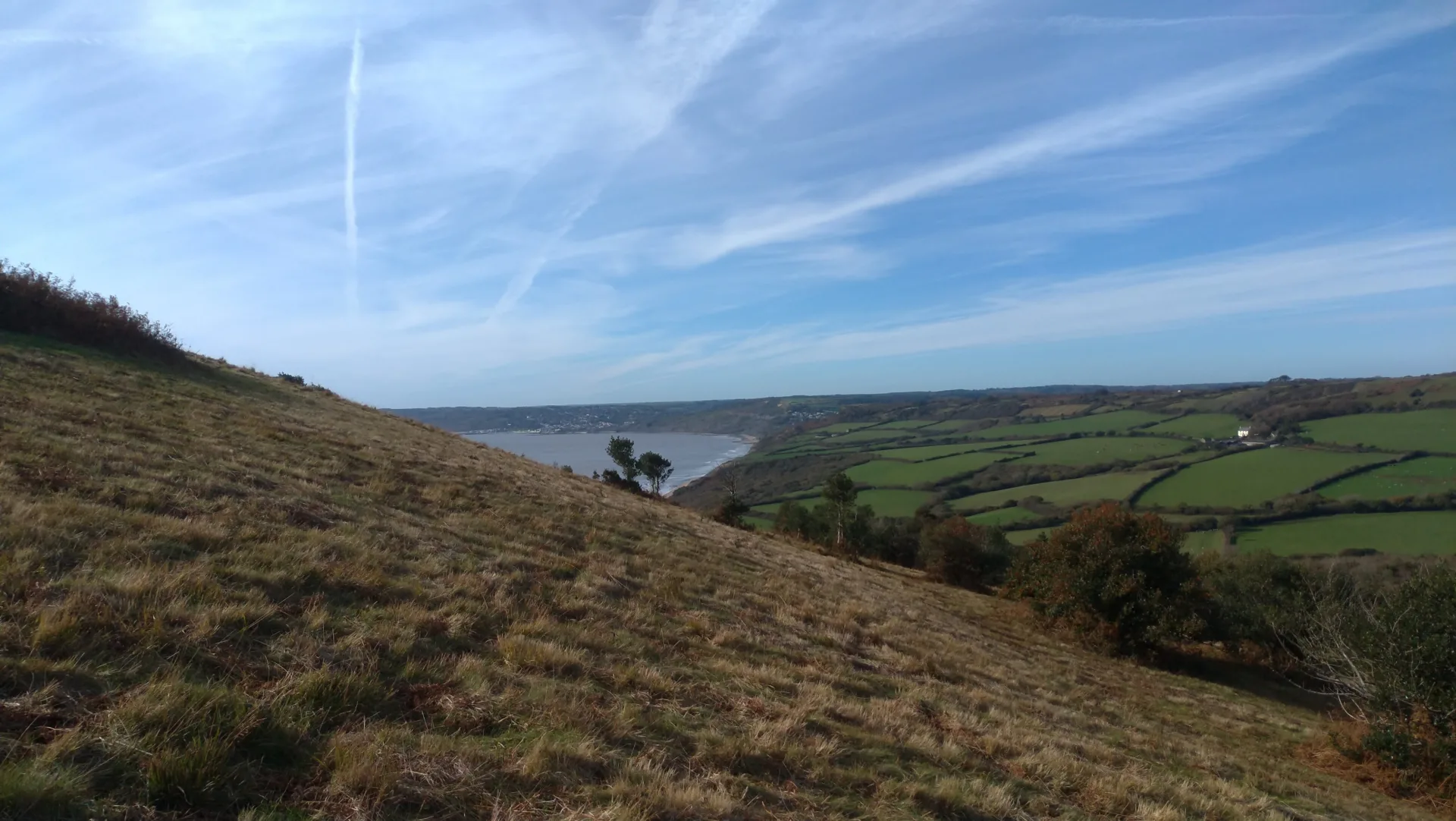
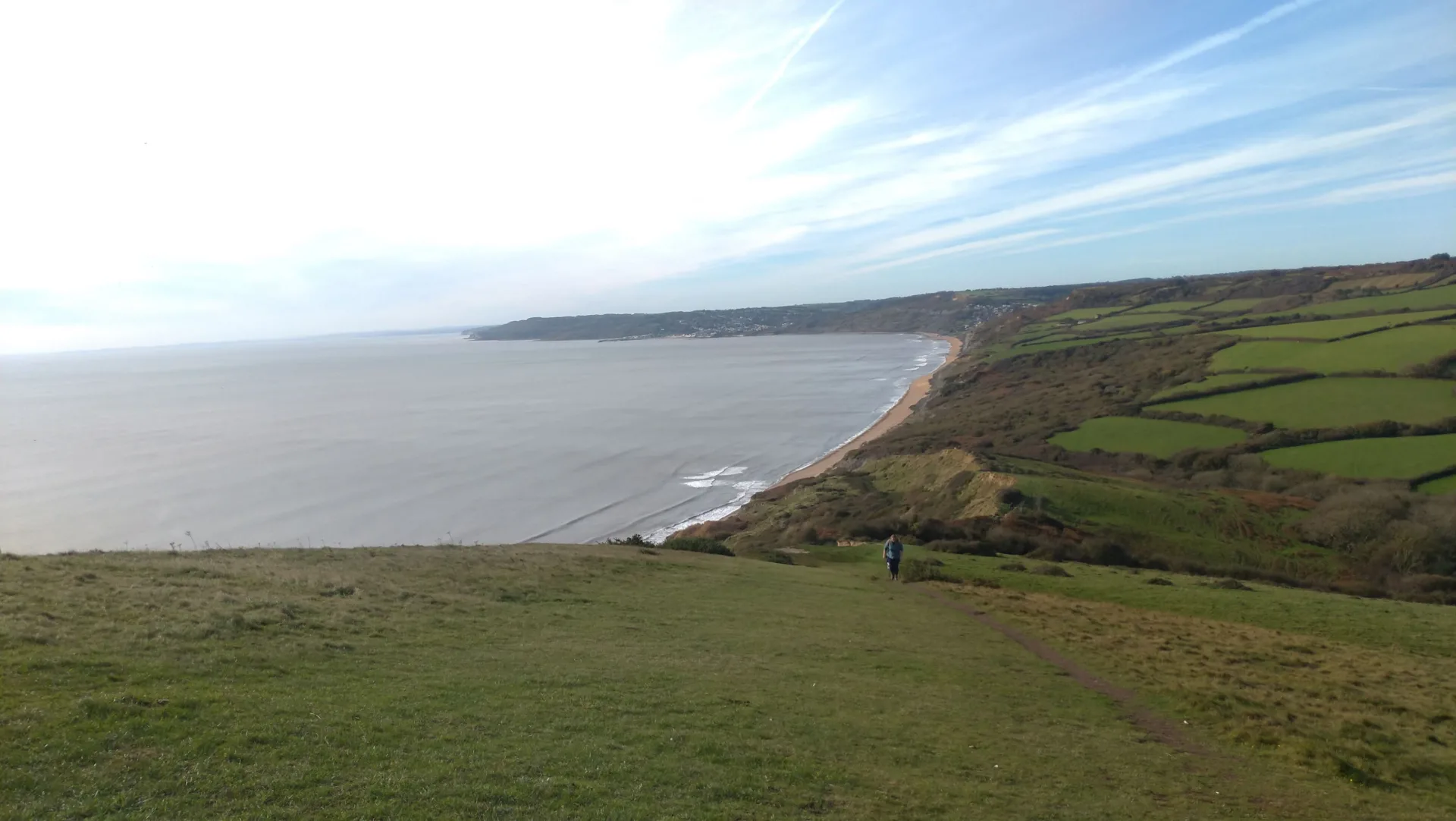
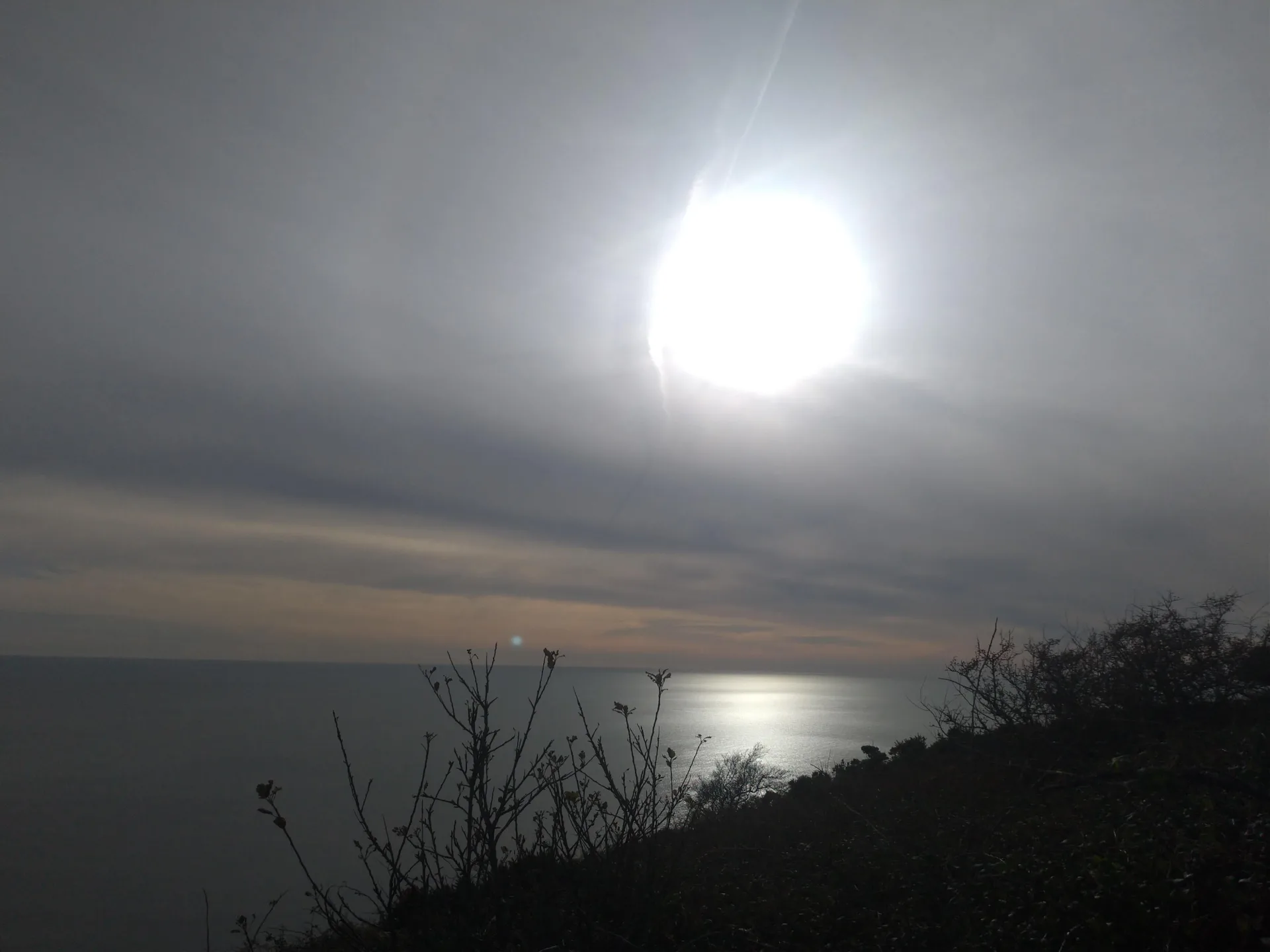
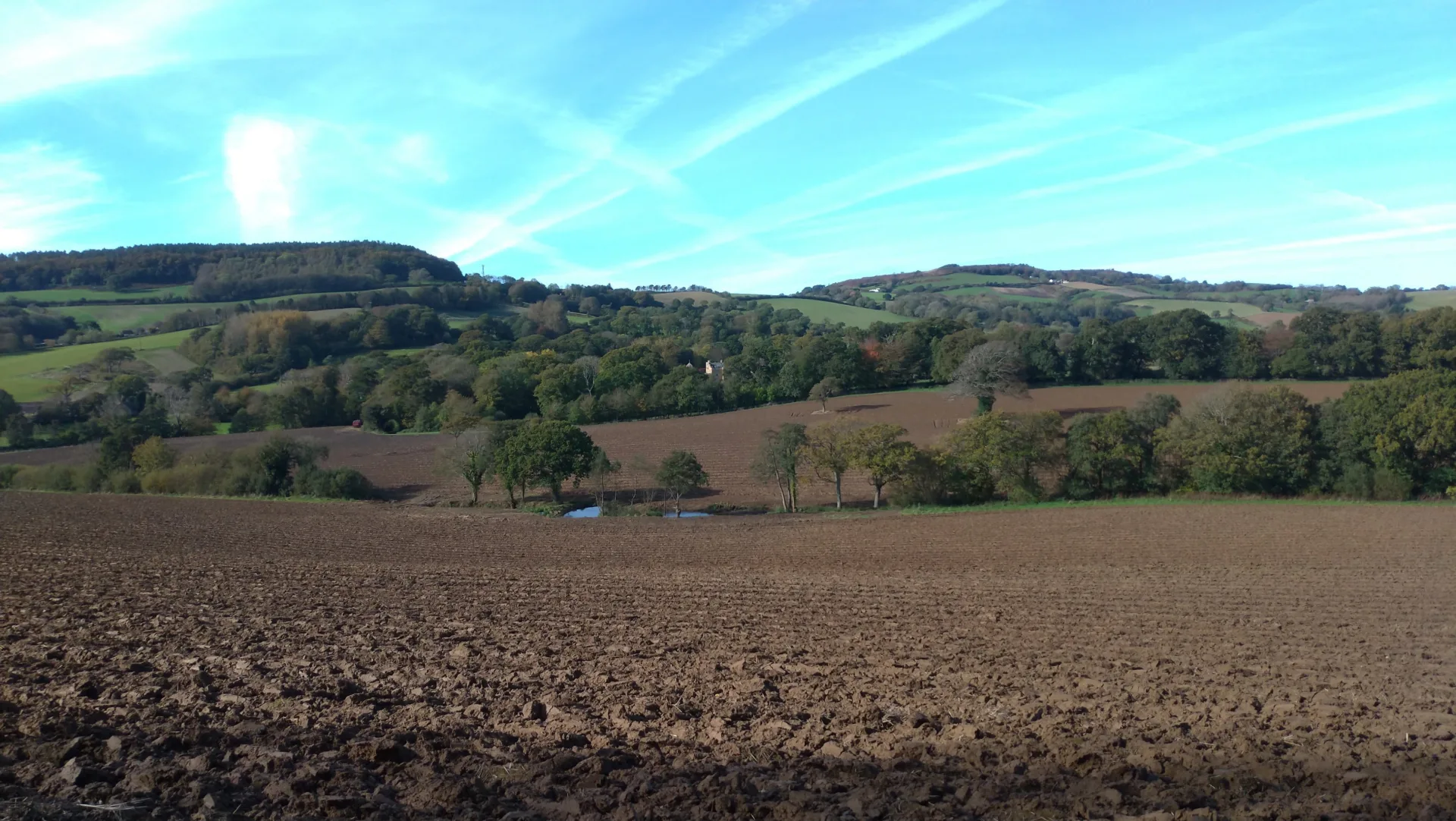
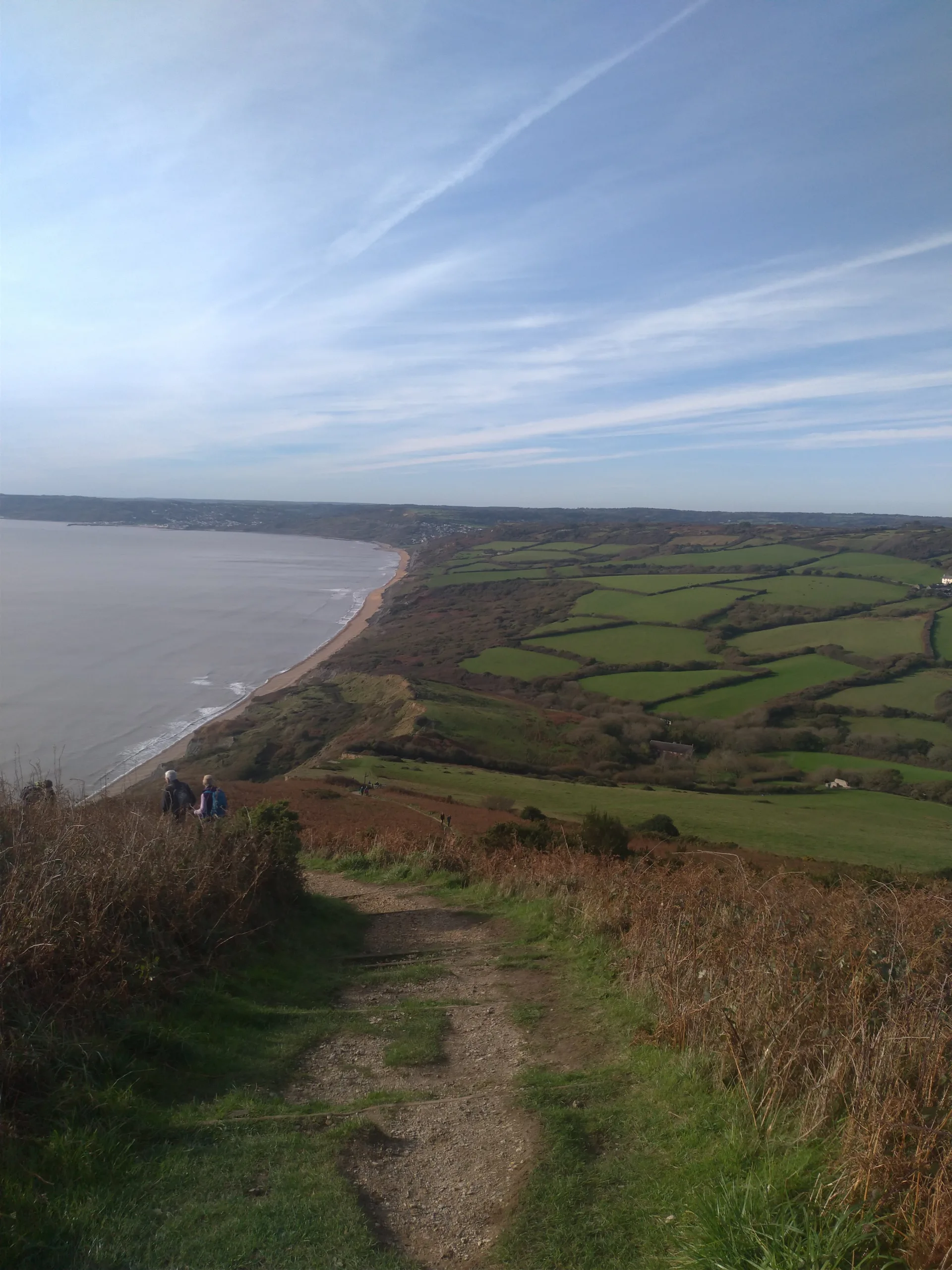
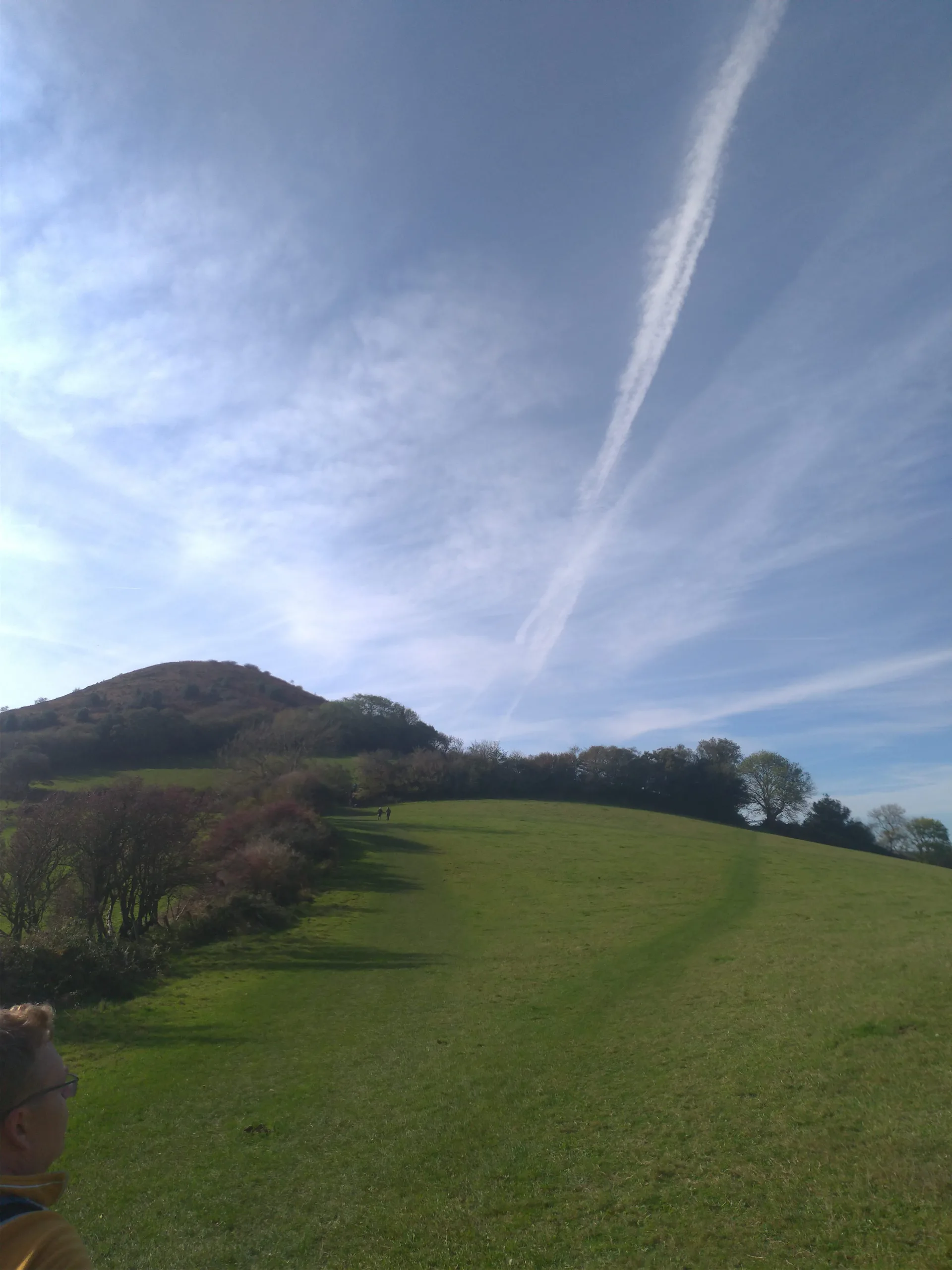
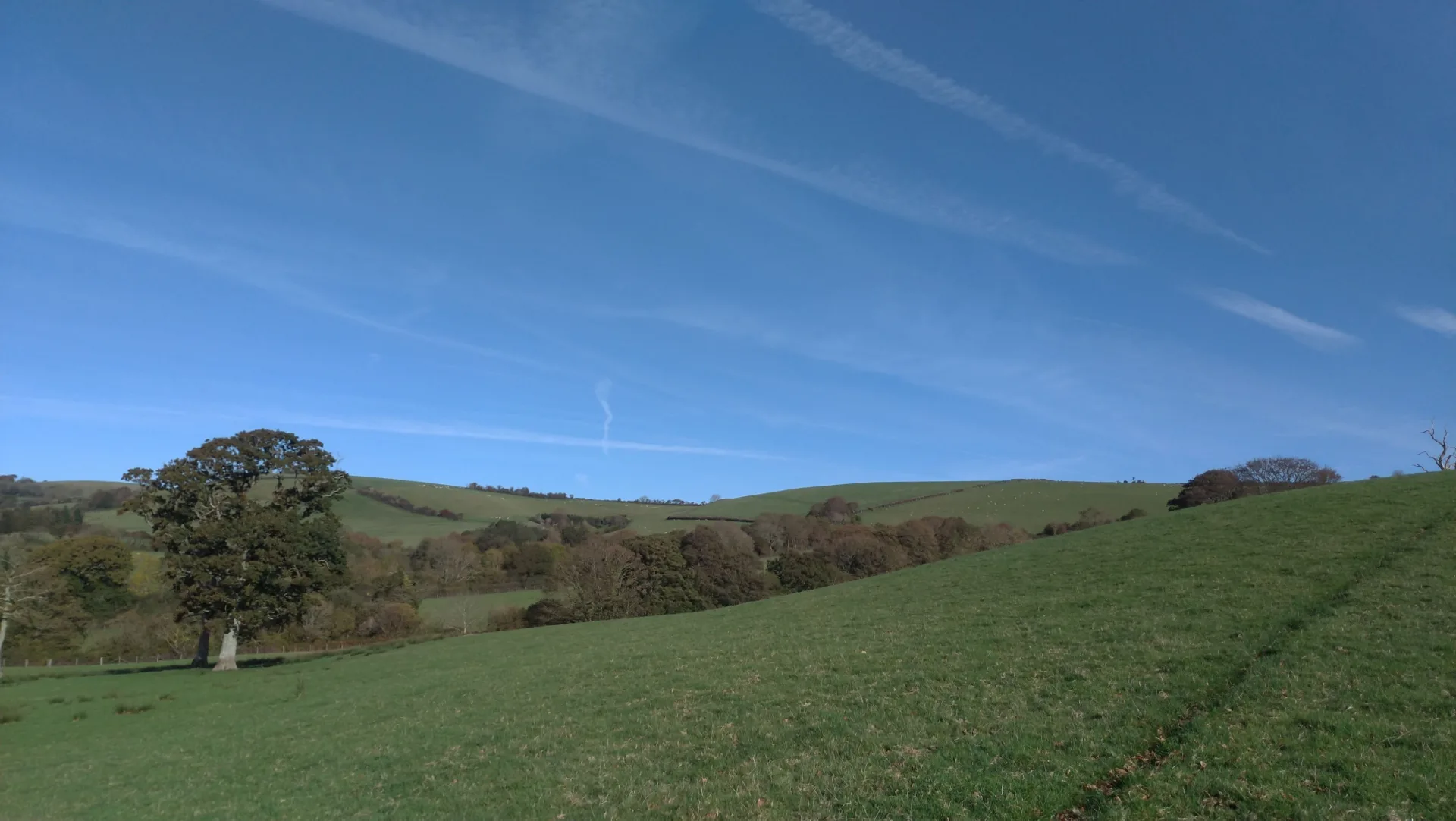
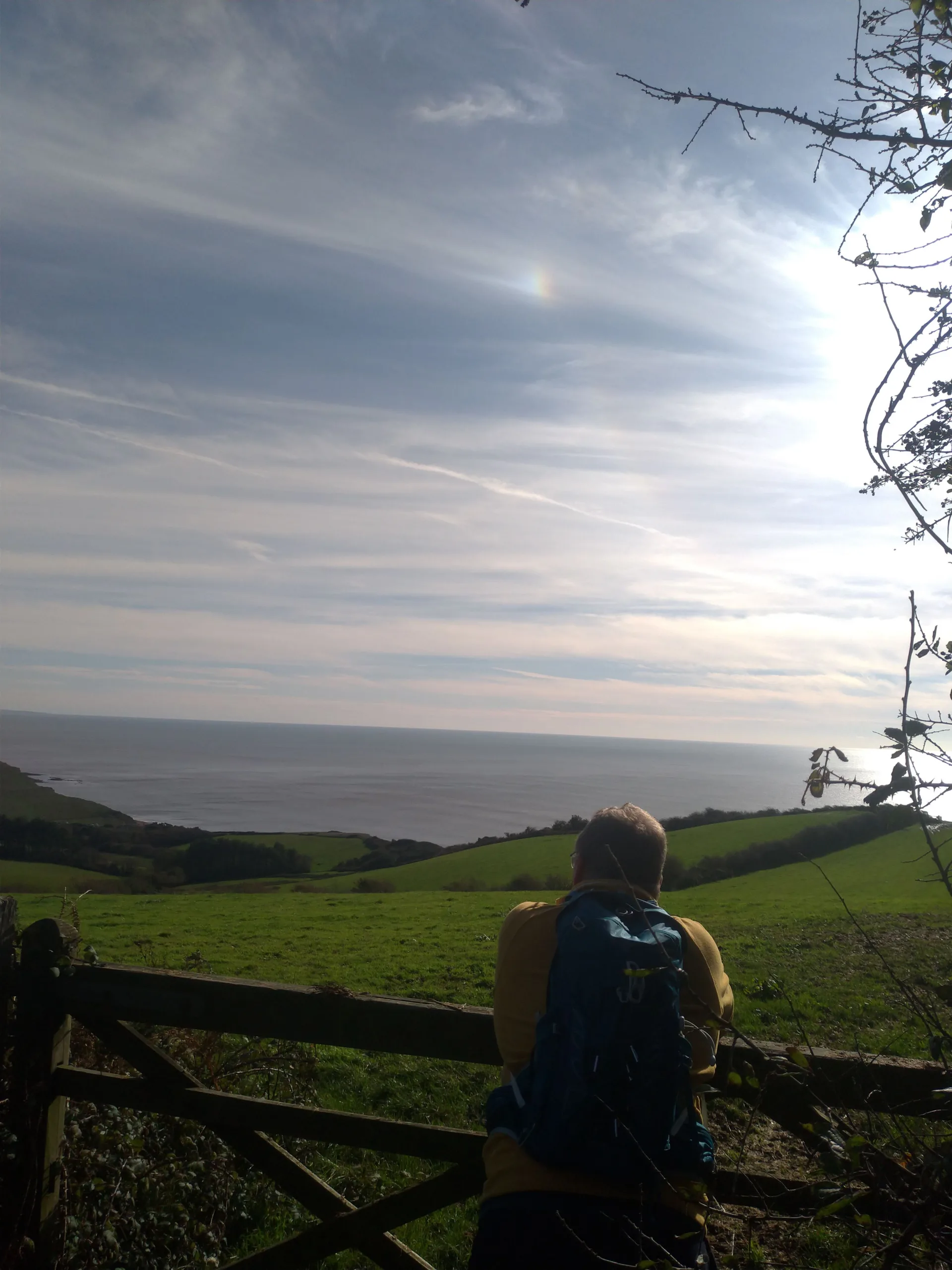
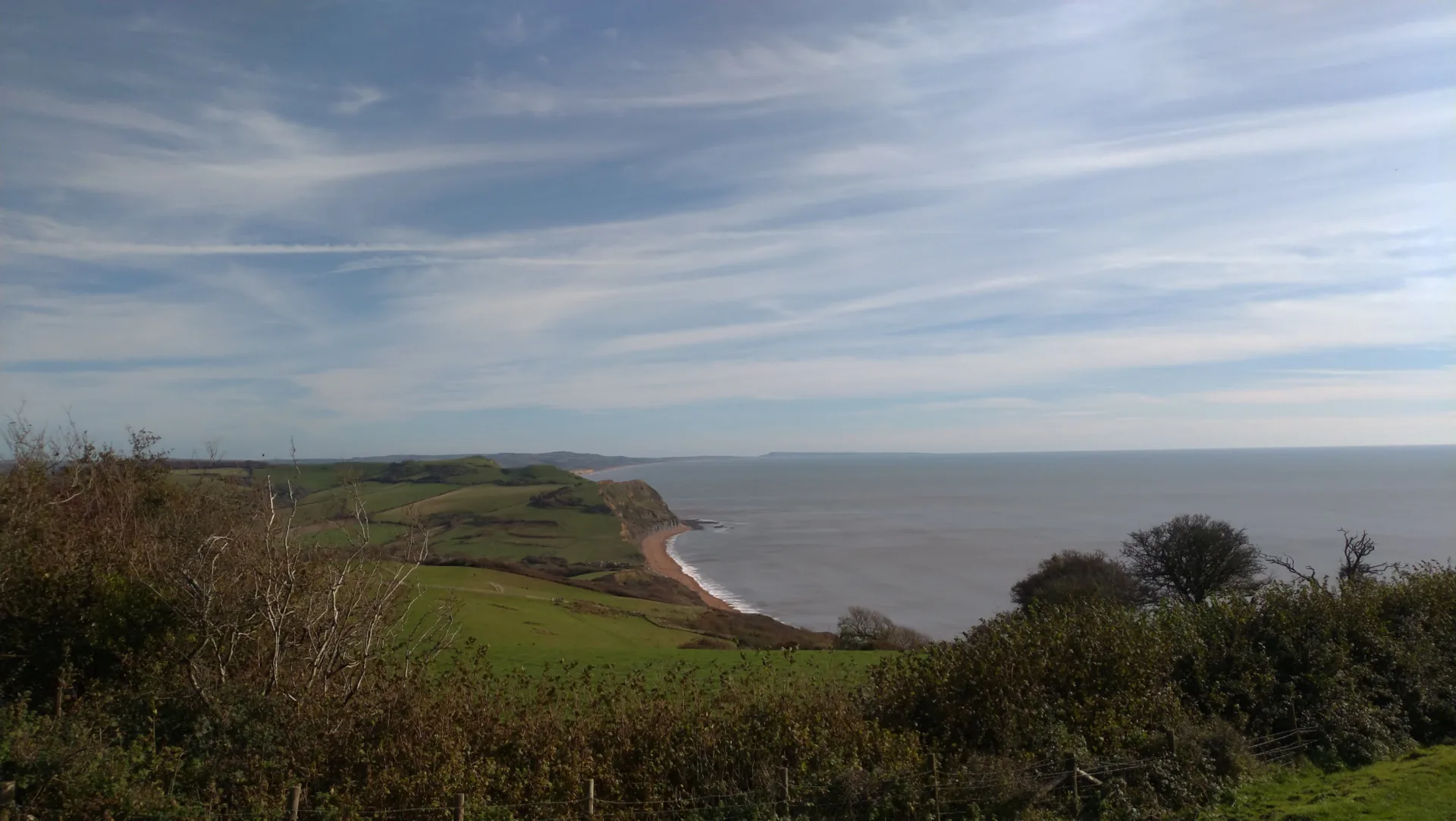
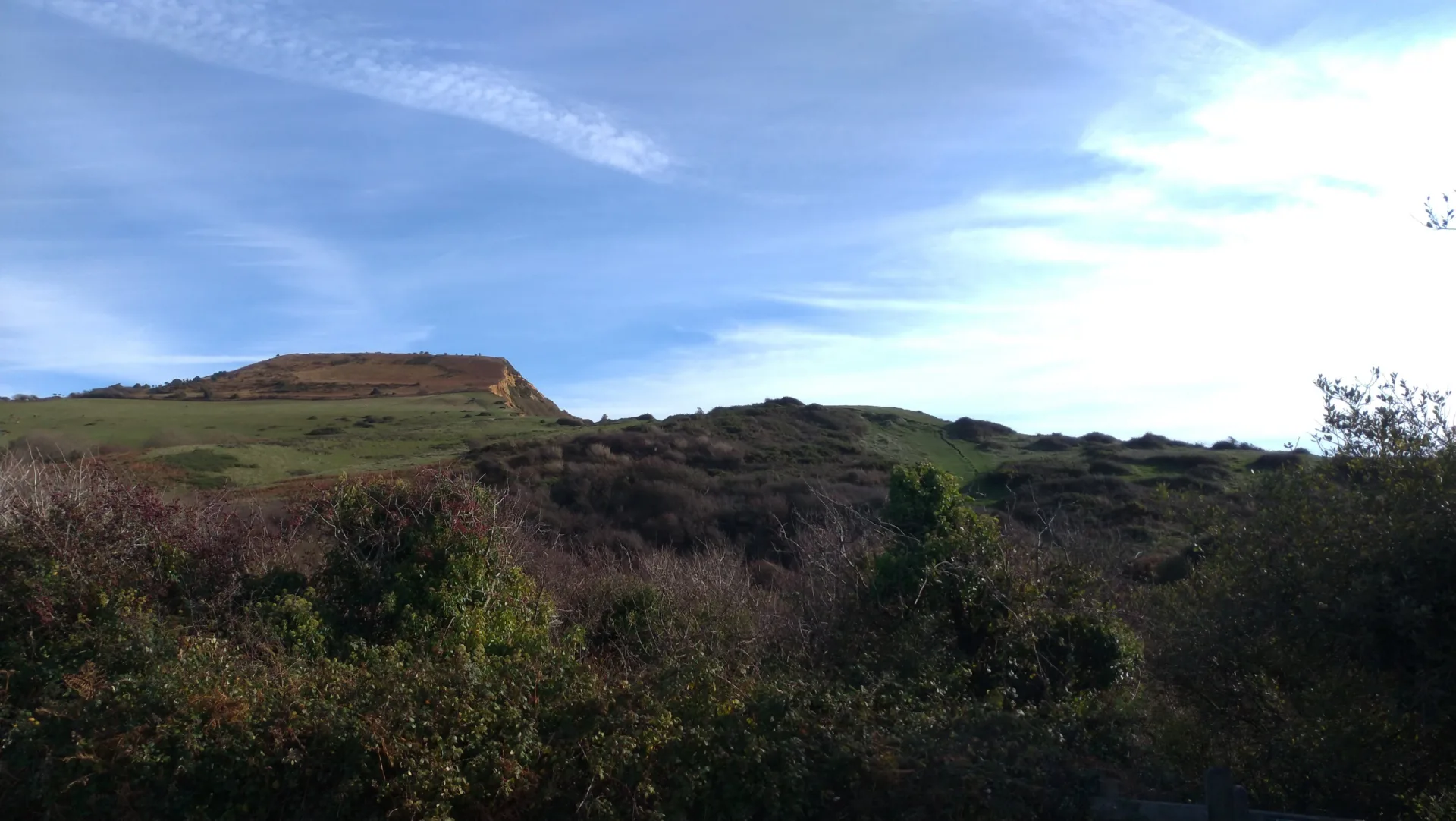
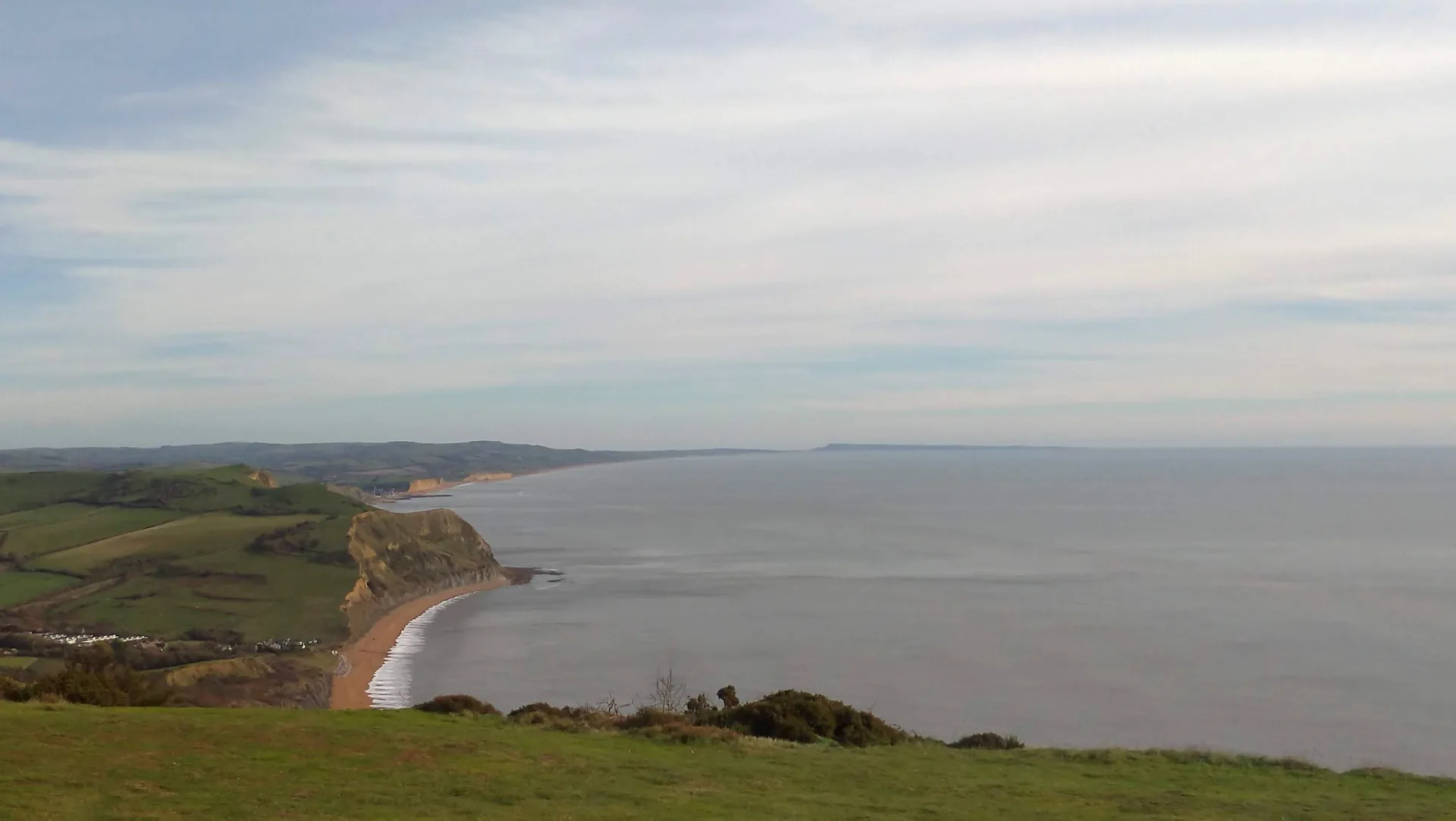
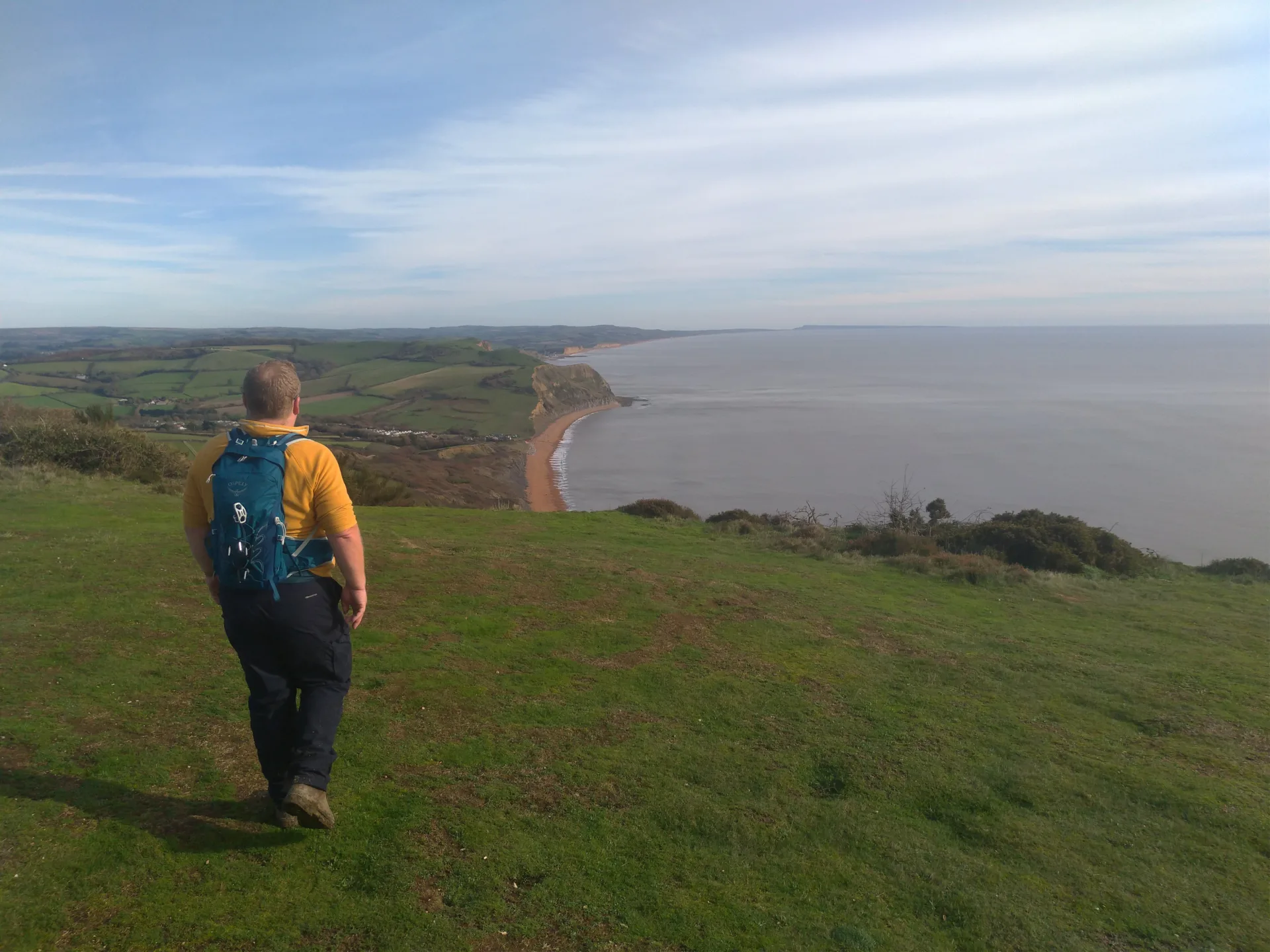
There’s no denying that in parts this is a moderately hard walk: the South West Coastal Path on this part of the Jurassic Coast is a continuous roll of steep ascents and descents. But each is duly rewarded by spectacular coastal views. (For a shorter 4-mile version, simply start in Seatown and use the coastal circular section only)
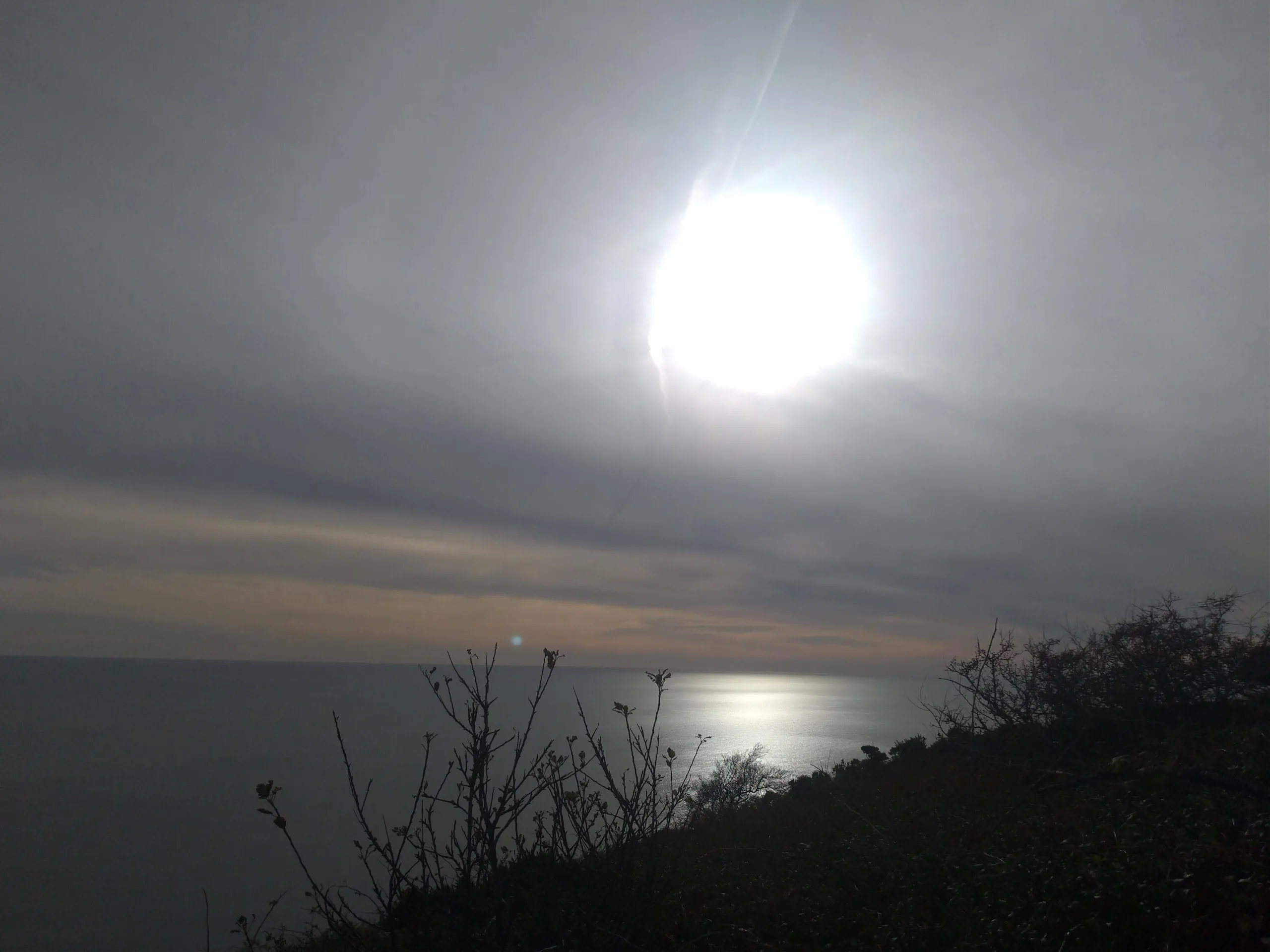
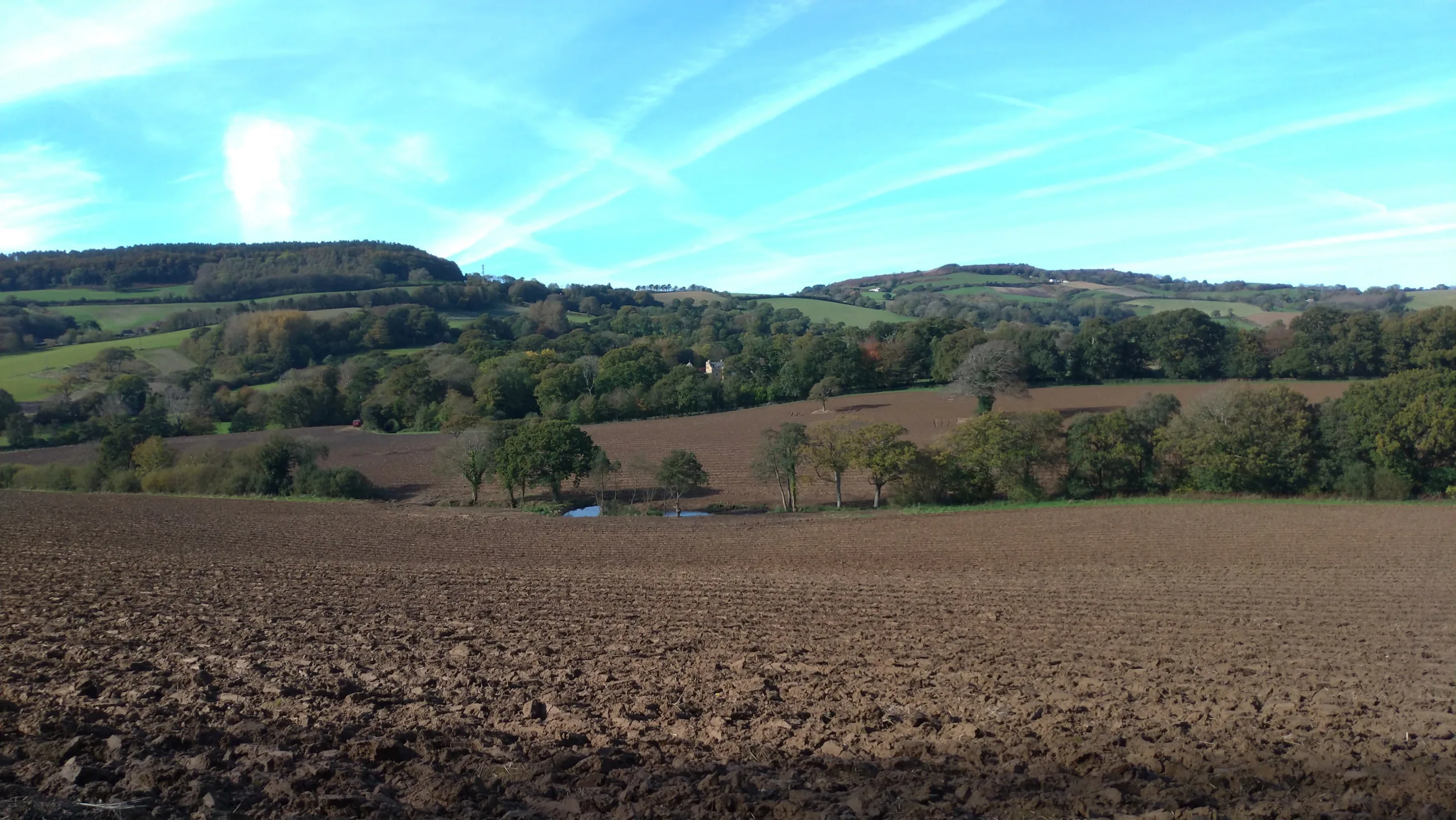
The pictures are a couple of years old, but we last walked this route last autumn (in the rain, hence no pictures!). The first pull is across farmland – it’s pretty flat for this section, and you’re mostly following the ancient tracks that criss-cross the area, but if the weather’s not been perfect, it’s likely to be muddy.
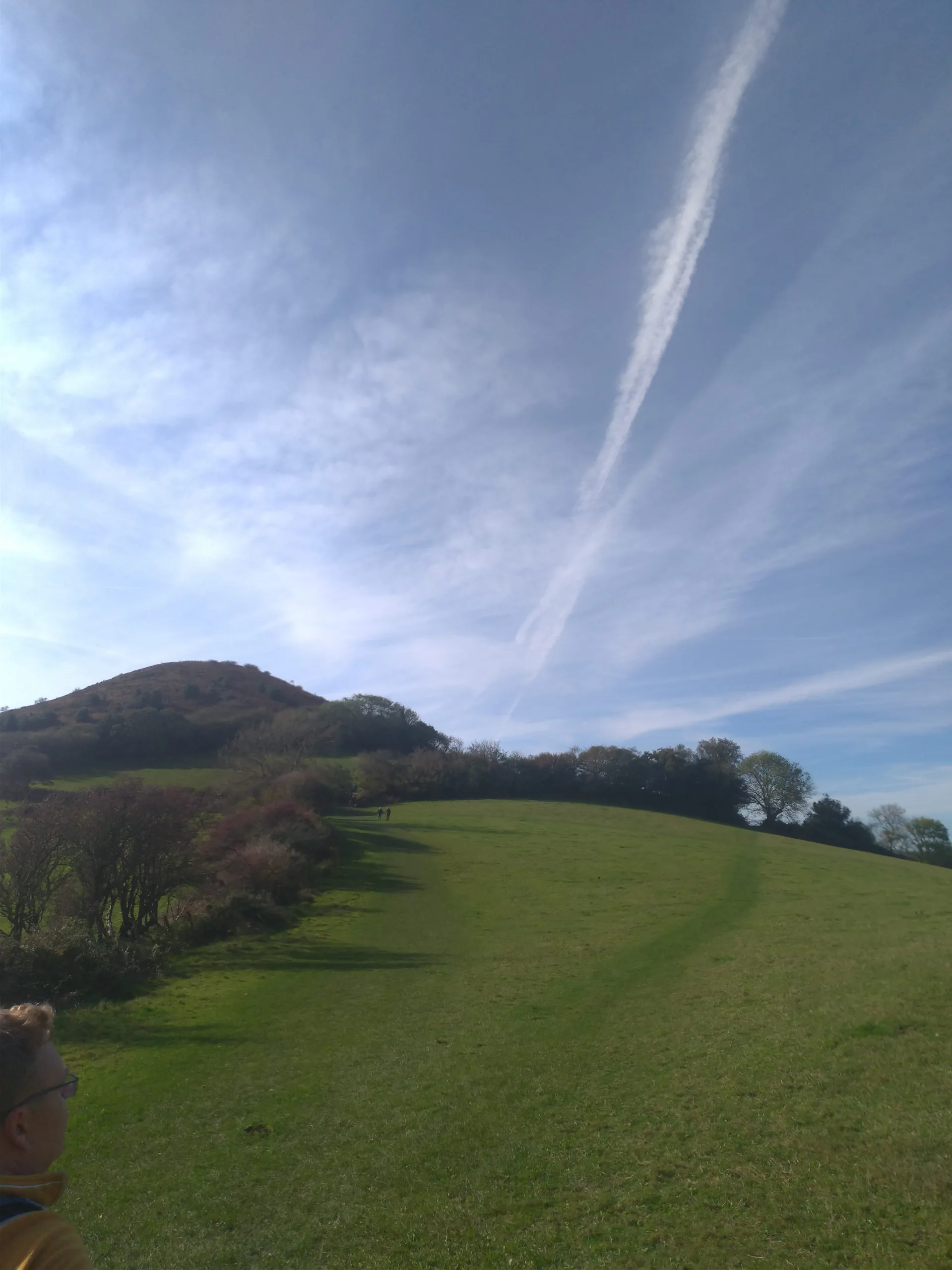
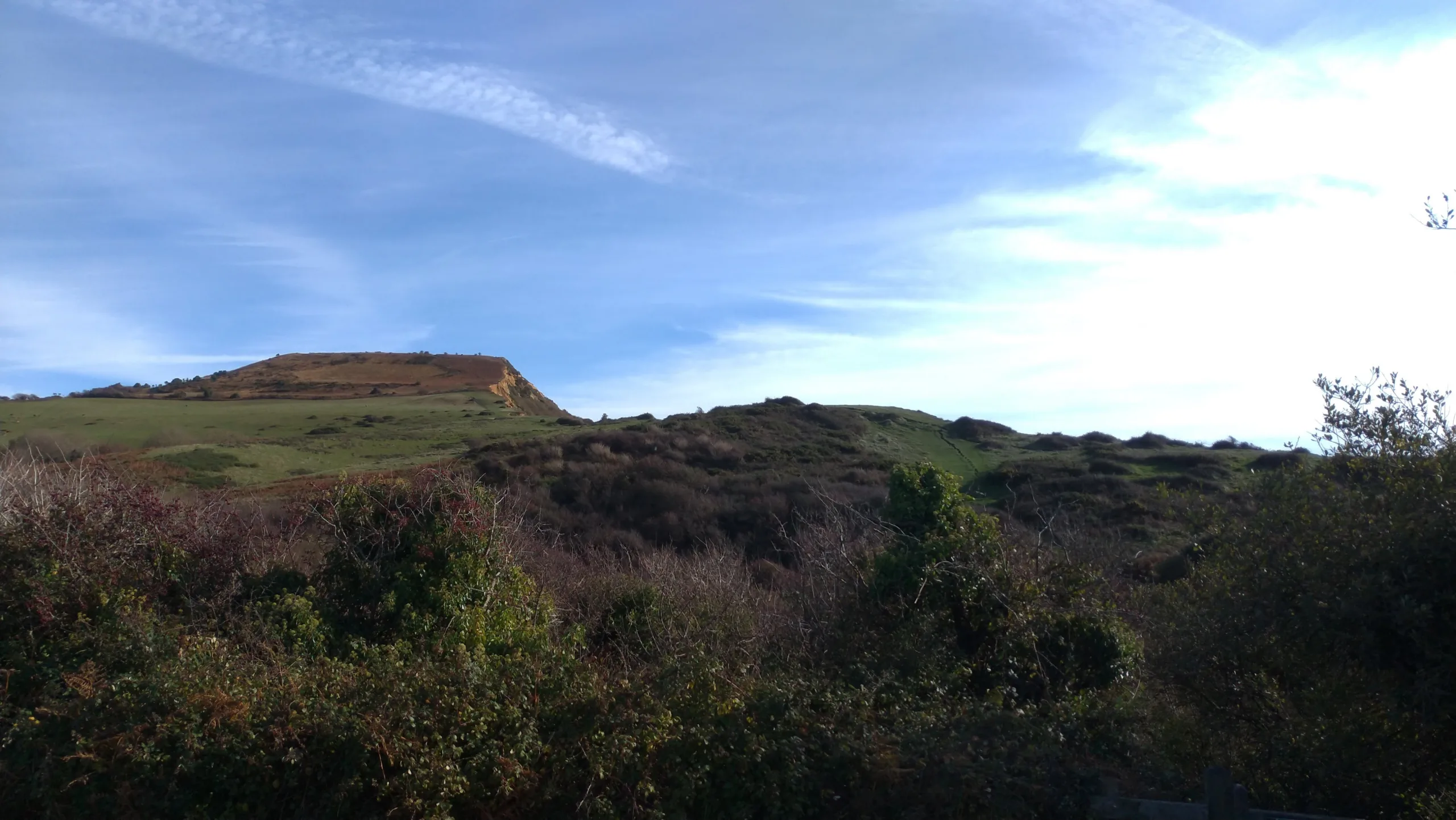
Take time to stop and explore Stanton St Gabriel on the west side of Golden Cap. It’s a derelict settlement and ruined chapel owned by the National Trust. Then it’s time to gird your loins and make for the headland … The slog up Golden Cap is worth every lung busting step – the views are GLORIOUS from the top and once you’ve made it and sat aroudn for a whiel drinking in the SPECTACULAR views, it’s plain sailing down the other side, straight to the door of the beautiful Anchor at Seatown for a well-deserved pint.
Welcome to March’s BV Puzzles page – your free spot for a quick brain workout. Complete the crossword, test your logic with a classic sudoku, or relax with our massively popular seasonal Dorset-themed jigsaw: this month we have a puddle. But it’s a pretty one, right? And hopefully it’s the last bare-branch picture for a while. The leaves are finally starting to show!
Perfect for puzzle fans across Dorset and beyond, our digital puzzles work on mobile, tablet or desktop. Enjoy a quiet moment of challenge with new puzzles published every issue of The BV magazine.
Music at St Greg’s has unveiled its 2026 concert programme, promising a varied series of performances ranging from organ recitals and chamber music to the spectacle of silent film accompanied by live improvisation.
The opening event will see David Bednall, Organist and Choral Director at Clifton Cathedral, provide a live organ score to the classic silent film The Phantom of the Opera. The screening takes place at 7pm on Saturday 7th March, with audiences invited – if they wish – to arrive in suitably dramatic costume. Bednall is widely recognised as one of the leading choral composers of his generation and has held posts at Wells Cathedral, Bristol Cathedral and Gloucester Cathedral, as well as directing several leading choirs. Alongside his work as a composer and conductor, he is also a noted improviser and recitalist who has performed across the UK and Europe, including at Notre-Dame in Paris. The Phantom of the Opera screening marks the start of a season that organisers say aims to showcase the versatility of the church’s organ while also exploring a broader range of musical styles. Later events will include a harp guitar concert, a flute and piano recital, and the return of the popular Last Night of the Organ Proms to close the programme. Tickets for the opening event cost £12 and can be booked by calling 07817 379006 or online at wegottickets.com/event/689597. Further details about the full programme are available via the Music at St Greg’s Facebook page.
The BV community news section is sponsored by Wessex Internet
Rural Remedies: Nurture Through Nature (4-year fixed term contact, Lottery Funded)
Salary Range: £35,000 – £40, 000.
37 Hours per week for 52 weeks of the year, with need for flexibility.
We are looking for an experienced manager to run our lottery funded programme, our aim is to help children aged between 8 – 13 through outdoor learning and animal assisted therapy mostly on our 30-acre care farm near Sherborne Dorset, we are looking for an experienced person who can guide our team to create meaningful change for vulnerable young people.
For further information and an application pack please contact Julie Plumley on 01963 210703 or email: [email protected].
The closing date for all applications is 9pm Friday 13thMarch 2026
We are looking for an enthusiastic and motivated Office Assistant with an eye for detail to join our team at Gillingham and Shaftesbury Agricultural Society for the 2026 event season (mid-June until the end of August).
About Us: The Gillingham and Shaftesbury Agricultural Show is one of the leading agricultural shows in the South West of England, attracting around 21,000 visitors annually. The show celebrates British farming, provides education and entertainment, and offers a business networking platform for the agricultural industry.
The Society also owns a subsidiary, Turnpike Events Limited, which operates commercial and trading facilities on the Turnpike Showground. The showground hosts a variety of events from April to October, including dog shows and caravan rallies.
The Role: We are seeking a highly motivated, proactive individual with excellent communication and time-management skills. You will work in a small, friendly team, supporting the smooth running of our office and assisting with event preparation and coordination. This role requires flexibility and the ability to work calmly under pressure, especially during the busy Show period.
Key Responsibilities:
• Administrative Support: Answer phones, respond to emails, and manage correspondence.
• Clerical Duties: Filing, document management, data entry, photocopying, and other office tasks.
• Scheduling: Manage calendars, schedule appointments, and coordinate meetings for staff and stewards.
• Customer Service: Greet office visitors and assist with enquiries, including selling show tickets.
• Office Organisation: Maintain a tidy and well-presented office environment.
• Event Coordination/Material Preparation: Assist in planning Society events, preparing and distributing materials such as tickets, badges, and exhibitor packs to ensure a smooth on-site experience for attendees, staff, and contractors.
Essential Skills & Qualifications:
• Previous administrative experience
• Excellent written and verbal communication skills
• Ability to manage and prioritise multiple tasks in a fast-paced environment
• Familiarity with Microsoft Office Suite
• Strong attention to detail and accuracy
• Problem-solving skills and ability to provide solutions independently
Desirable Skills:
• Experience dealing with customers or the general public
• Basic knowledge of Adobe Illustrator for minor design updates
Personal Attributes:
• Flexible and willing to assist across a variety of tasks during busy periods
• Professional and friendly when interacting with the public
• Calm under pressure and a proactive team player
Practical Details:
• Location: Office-based at Turnpike Showground, Motcombe, Dorset, SP7 9PL
• Contract: Temporary, mid-June to end of August 2026
• Hours: Approximately 20–25 hours per week, flexible across days to suit the candidate. Availability during show week and on show days (August) is essential.
• Rate of Pay: £15 per hour (PAYE)
How to Apply: Please submit a CV and covering letter to [email protected] with the subject line: Office Assistant – Your Name. In your covering letter, please confirm your availability from mid-June to the end of August, including Show week.
Application Deadline: 30th March 2026 at 5pm Interviews: Week commencing 6th April 2026 Start Date: Mid-June 2026
Equal Opportunities Statement: Gillingham & Shaftesbury Agricultural Society is an equal opportunities employer. We welcome applications from all suitably qualified candidates.
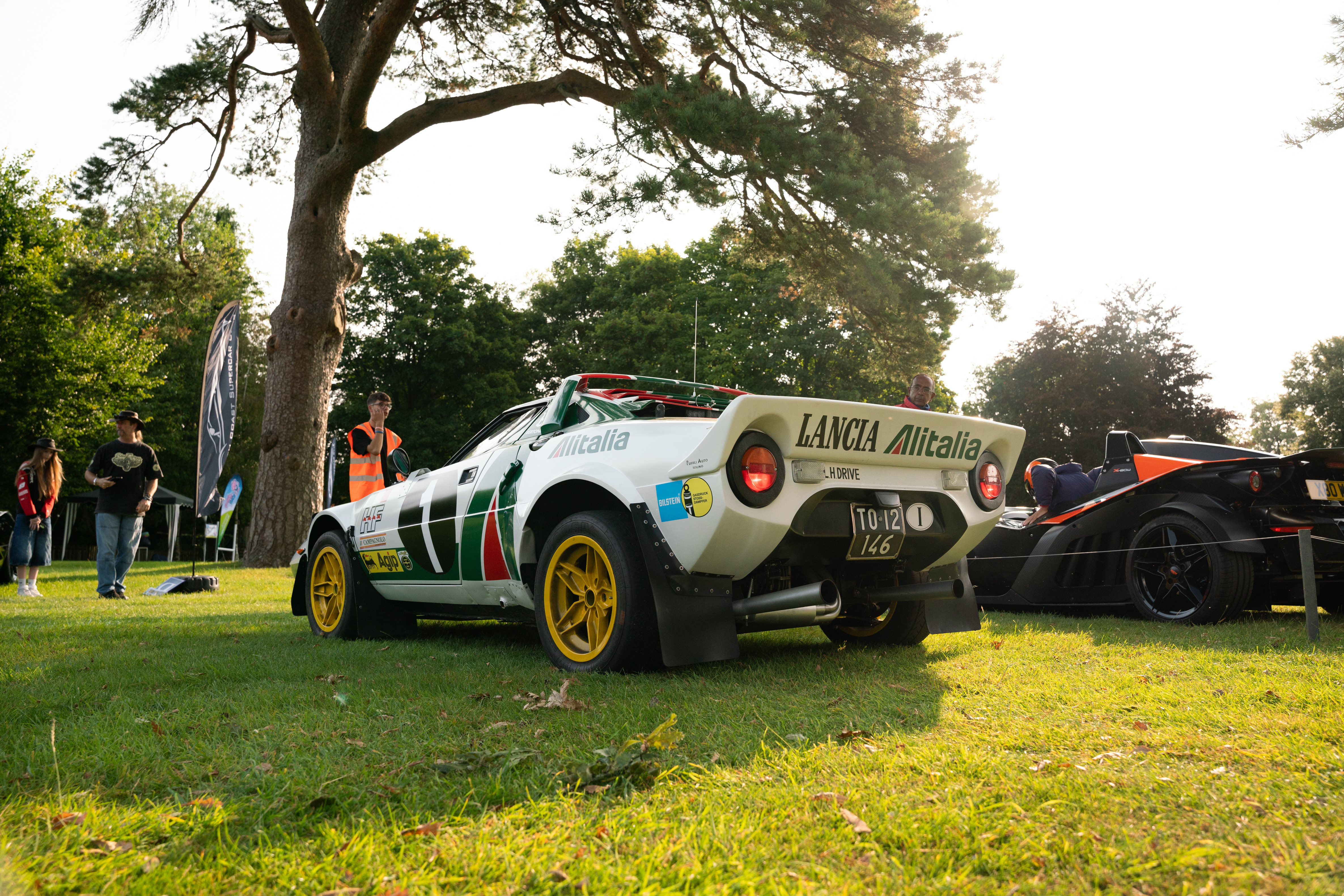
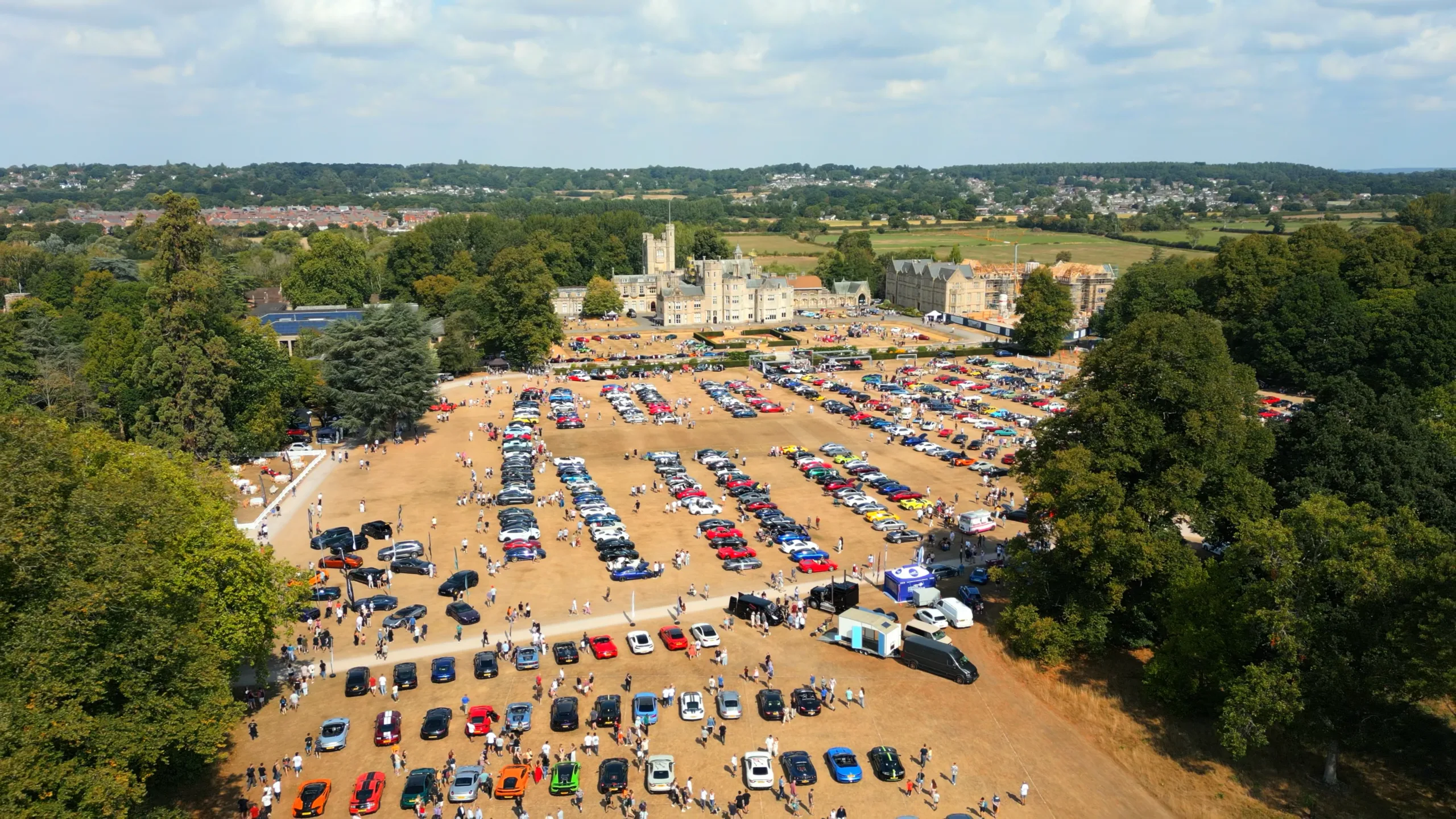
More than 700 display cars and 5,000 visitors turned the lawns of Canford School into one of the South’s most significant automotive gatherings last summer – and Canford Classic & Supercar Sunday is set to return on 23rd August 2026.
In 2025, the headline Sunken Lawn Display brought together a tightly curated line-up of supercars and hypercars in front of Canford’s dramatic architecture, creating one of the most photographed and talked-about areas of the show. Visitors queued for the chance to sit inside a Ferrari F40. Nearby stood an Aston Martin Valour – one of just 110 built worldwide – and the formidable Koenigsegg CCX. It was a rare opportunity to see some of the most extraordinary vehicles in the country.
Organisers say the Sunken Lawn will be back, presenting an even more selective collection in 2026 – expect limited-production icons, significant classics and beautifully preserved automotive works of art.
The supercars and hypercars may deliver theatre, speed and spectacle, but the heart of Canford Classic & Supercar Sunday lies in the classic car displays. Right alongside them sit pre-war models, cherished British sports cars and everyday classics that spark recognition rather than awe. Much of the day is spent overhearing familiar refrains: ‘I had one of those’ or ‘that was my first car.’ It is this mix – the rare and the remembered – that gives the show its balance.
Zander Miller, Managing Director of Aperta Events, said: ‘Last year proved what this event can become. In 2026, we’re refining every detail, especially the Sunken Lawn showcase, to create something even more special. It’s not just about performance: it’s about memories, artistry and bringing people together.’
The event remains proudly family-focused. There are attractions and experiences designed for visitors of all ages, from lifelong enthusiasts to young attendees discovering their passion for cars for the first time, with space to walk the lawns and properly look at the cars, not just glimpse them from behind barriers.
With record attendance in 2025, Super Early Bird tickets (currently 25% discounted) are now on sale, and driver display applications are open. Capacity is expected to fill early.