The Blackmore Vale logo
Home Blog Page 202

Top sportsman, champion seducer | Looking back

0

Village squire Henry Hastings was one of old Dorset’s greatest country sportsmen – but wild animals were not his only quarry, says Roger Guttridge

Henry Hastings

In one respect at least, country sportsman Henry Hastings was a generous man – but it was not in the hunting, shooting and fishing kind of sport that his ‘generosity’ truly excelled.
Judging by the comments of his neighbour, Anthony Ashley-Cooper, first Earl of Shaftesbury, the squire of Woodlands, near Wimborne, merrily shared his DNA far and wide. And it’s pretty certain that many Dorset people carry Henry’s genes to this day – though few of us would know it.
According to Lord Shaftesbury, Dorset’s own ‘Hooray Henry’ spent almost all his time hunting, shooting, hawking and fishing … except for the time during which he ‘borrowed his neighbours’ wives and daughters’.
He had a particular penchant for younger women, apparently preferring those of the ‘lower classes’ who were below the age of 40.
In Shaftesbury’s words, there was no young woman of the status of a yeoman farmer’s wife or lower ‘but it was her own fault if he was not intimately acquainted with her’.
One of Henry’s favourite tactics was to butter up the women’s fathers, husbands and brothers, inviting them to his house and serving them ‘beef, pudding and small beer in great plenty’. Given his standing in the community, it was hard for the menfolk to do anything except turn a blind eye.

Buck, badger, otter, hare
Henry – born in 1551 – was the second son of George Hastings, fourth Earl of Huntingdon. He became lord of the manor of Woodlands through his marriage to Dorothy Willoughby, the second daughter and co-heiress of one Sir Francis Willoughby, who was the builder of Wollaton Hall, Nottinghamshire.
Lord Shaftesbury, the squire of nearby Wimborne St Giles, described him as ‘low, very strong and very active, of a reddish flaxen hair’.
He continued: ‘His clothes were always green cloth and never worth, when new, £5.
‘His house was perfectly of the old fashion, in the midst of a large park well-stocked with deer; and near the house rabbits for his kitchen; many fishponds; great store of wood and timber.’
The scope of Henry’s sporting activities was as limitless as his philandering.
‘He kept all manner of sport hounds that ran buck, fox, hare, otter and badger, and hawks long- and short-winged.
‘He had all sorts of nets for fish. He had a walk in the New Forest and the manor of Christchurch supplied him with red deer, sea and river fish.’

Wanted: housekeeper
Champion seducer and great country sportsman Henry certainly was – but his housekeeping standards left something to be desired.
‘The great hall was strewed with marrow-bones, full of hawks’ perches, hounds, spaniels and terriers,’ said Shaftesbury. ‘The upper side of the hall hung with fox-skins of this and the last year’s killings; a pole-cat intermixed; guns and keepers’ and hunters’ poles in great abundance.’
More dogs could be found in the parlour, where most of the great chairs were usually occupied by litters of cats, who were not to be disturbed. Some of the cats attended their master at dinner and he kept a ‘little white stick that he might defend such meat that he had no mind to part with to them’.
The windows in the large parlour were littered with Hastings’ bows, arrows and other equipment, while the corners of the room were ‘full of the best-chosen hunting or hawking poles’.

The Hunter, by Adriaen Beeldemaker, painted in Henry Hastings’ time 1653. A returning hunter with his dogs and a dead hare tied to his rifle

A century of good times
At one end of the parlour was Henry’s oyster table; well used, as he ate Poole oysters twice a day. At the other end was a desk, on which sat the Bible and the Book of Martyrs, and two tables. On the tables were hawks’ hoods, bells and other paraphernalia and two or three old hats with the crowns pushed in to hold 10 or 12 pheasant eggs.
Nearby was a drinks closet stocked with wine and beer – although the booze was strictly rationed, as Hastings never permitted excessive drinking by himself or his guests.
Lord Shaftesbury added: ‘He was well-natured, but soon angry, calling his servants bastards and cuckoldy knaves, in one of which he often spoke truth, and sometimes in both.
‘He lived to be 100 and never lost his eyesight but always wrote and read without spectacles and got on horseback without help. Until past four score, he rode to the death of a stag as well as any.’
According to the Dictionary of National Biography, Henry just failed to make 100, dying aged 99 in 1650.
His long-suffering first wife died in 1638, 12 years before her husband. Six months later, Hastings settled part of his estate on Anne Langton, of Woodlands, the unmarried daughter of William Langton. They subsequently married – but when Henry died, he was buried alongside Dorothy at the old Horton church.
Their son, Sir George Hastings, joined them there after his death in 1657. There is no mention of Anne in the epitaph.


The unseen culprit: silent reflux

0

Silent reflux is often missed, and could be more common than we think. But lifestyle changes may help, says expert Karen Geary

It may be because my clients tend to be more senior, but I have recently had a flurry of cases of silent reflux in my clinic. Silent reflux has a number of annoying – and seemingly unrelated – symptoms, so I thought I should write more about it. I suspect it is more common than we think.
Silent reflux is the backward flow of stomach acid into the throat and larynx. Unlike typical acid reflux, silent reflux lacks the usual painful symptoms of heartburn or regurgitation.
There are many factors that can contribute to it, and these factors may also interact with one another, – including obesity, diet, pregnancy, sleeping position, chronic stress, medications or an underlying medical condition. However, one often-overlooked factor is low stomach acid – I’ll return to this one.
In healthy individuals, there are four barriers between the gut and the throat and larynx, which together prevent reflux (gastric acid) from escaping upwards. Silent reflux occurs when one of those barriers weakens, meaning that stomach acid may escape the stomach and travel into the upper throat.
Persistent coughing, especially worse at night when lying down or after meals, is a common indication of silent reflux. Some may develop difficulty swallowing or experience a recurrent sore throat, hoarseness or chronic throat clearing. Unexplained asthma-like symptoms such as wheezing, shortness of breath or post-nasal drip may also be linked to silent reflux.
You must consult a GP if you have a persistent cough, asthma, or shortness of breath to rule out potentially more serious health issues. Occasionally silent reflux is missed due to the vagueness of symptoms. It is typically only when a client consults someone like me, often for something apparently unrelated, that the dots get joined.

What causes low acid?
So where does low stomach acid come in? It – and its related symptoms – is just one possible connection to silent reflux when we consider the digestive process and gut-related symptoms. When we have sufficient levels of stomach acid, it activates digestive enzymes, allowing the breakdown of food. However, in cases of low stomach acid, fewer enzymes are produced, impairing food breakdown.
Several factors may contribute to low stomach acid. Ageing is a common cause – stomach acid levels tend to decrease with age. Chronic stress and a fast-paced lifestyle can also hinder acid production, as does a poor diet. Another factor is the use of certain medications like proton pump inhibitors (PPIs) and antacids, which suppress stomach acid production over time. Infections, such as Helicobacter pylori, can also disrupt acid levels.
Over time, low stomach acid may fail to activate the proper closure of the lower oesophageal sphincter (LES), one of those four protective barriers, making it easier for stomach acid to reflux upward and leading to symptoms of irritation.

What can be done?
A personalised nutritional approach, together with carefully selected supplements, may support silent reflux, alongside a long-term approach to keeping the gut in optimum condition. Some self-help support includes:
Reducing or eliminating caffeine and/or alcohol
Eliminating carbonated drinks
Losing weight
Not eating large meals before bedtime
Stopping smoking
Reducing the amount of very fatty meals
Always consult a professional before taking any supplements.

References: https://www.ncbi.nlm.nih.gov/books/NBK519548/

Time for change, time for the grown-ups

0
Mike Chapman Lib Dems

In Ukraine the people are fighting for their nation – for a future free from the disgusting influence of the criminal clique in Moscow. Thank you, Ukrainians, for showing us that democracy is worth fighting for.
Dorset is doing its bit in support – more than 400 Ukrainian families have joined our West Country ranks and are starting to make their own contribution.
Meanwhile, we had a great Lib Dem outcome in the Somerton and Frome by-election. What pleased me the most was the evident faith put in the strength and capability of our local candidate, Sarah Dyke. She is a genuine local – of our land and our rural ethos, and will make a difference “up in the Smoke”. More power to her elbow, I say.
I spent the day “telling” outside a couple of polling stations, much of the time alongside my Conservative equivalent. It wasn’t long into the morning before we all knew what was happening, just from the various comments of people en passant. My oppo wasn’t surprised or downcast. There was, however, a fatalism about the situation and a wish that the last 18 months in the Tory party hadn’t happened. Our discussions ranged from illegal migration (France’s fault) to climate change (China’s fault). These may be the popular sentiments but, of course, they lay the blame on the effect, not the cause. The real causes lie in complex geo-politics, and in the West’s combination of consumerism and post-industrial mindset. It is sad to hear of the likely rolling back of what Johnson labelled “Green crap” as a result of the Uxbridge and South Ruislip by-election. It is typical of our short-termist, keep-power-at-any-cost politics that the knee-jerk reaction from the governing party is to appeal to the pound in your pocket today and stick it to the next generation … Tory to a tee!
Time to move on from government for the populists, by the populists, egged on by the populist press. On to something a bit more serious.
So, first up, how about proportional representation as a means to get the whole country engaged in the process of government? Today’s winner-takes-all system results in the disengagement of about two-thirds of the population, because they are being governed by people they did not vote for.
“What about the virtues of Strong Government?” I hear you cry. What virtues? The stonking majority of 2019 has created a monster now controlled by its right wing. No wonder it just goes round in circles!
Next stop for us is Mid-Bedfordshire – home to the dreadful Dorries, a powerful minister under Johnson and once with the future of the BBC in her gift. More than time for change: it is time for the grown-ups. Time for Sarah Dyke and her like.
Mike Chapman
North Dorset LibDems

What a day we’ve had at the Gillingham & Shaftesbury Show!

0

The tantrum-prone 2023 weather gods were kind, and the sun actually shone on Turnpike Showground.

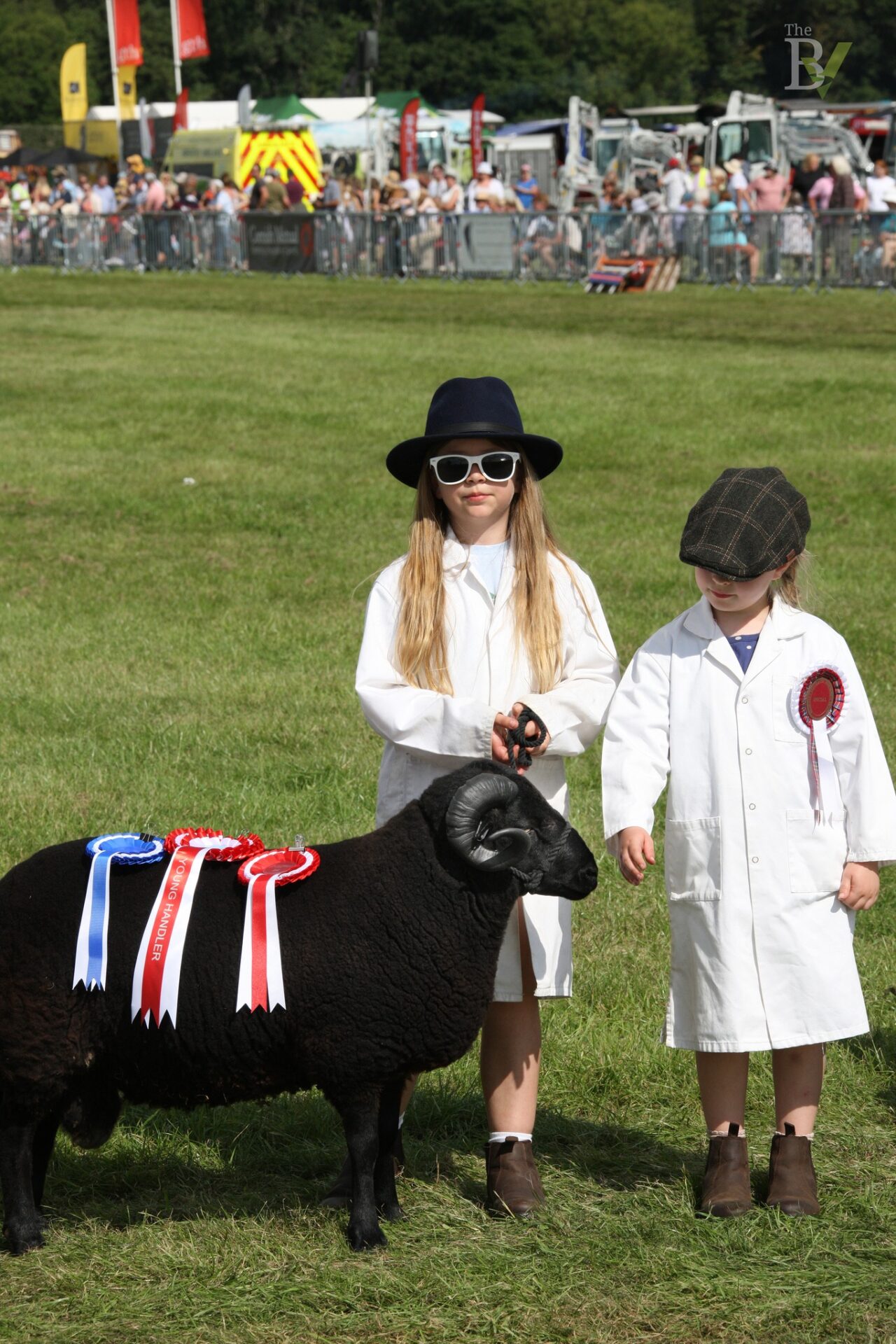
Image Courtenay Hitchcock BV Magzine August 2023

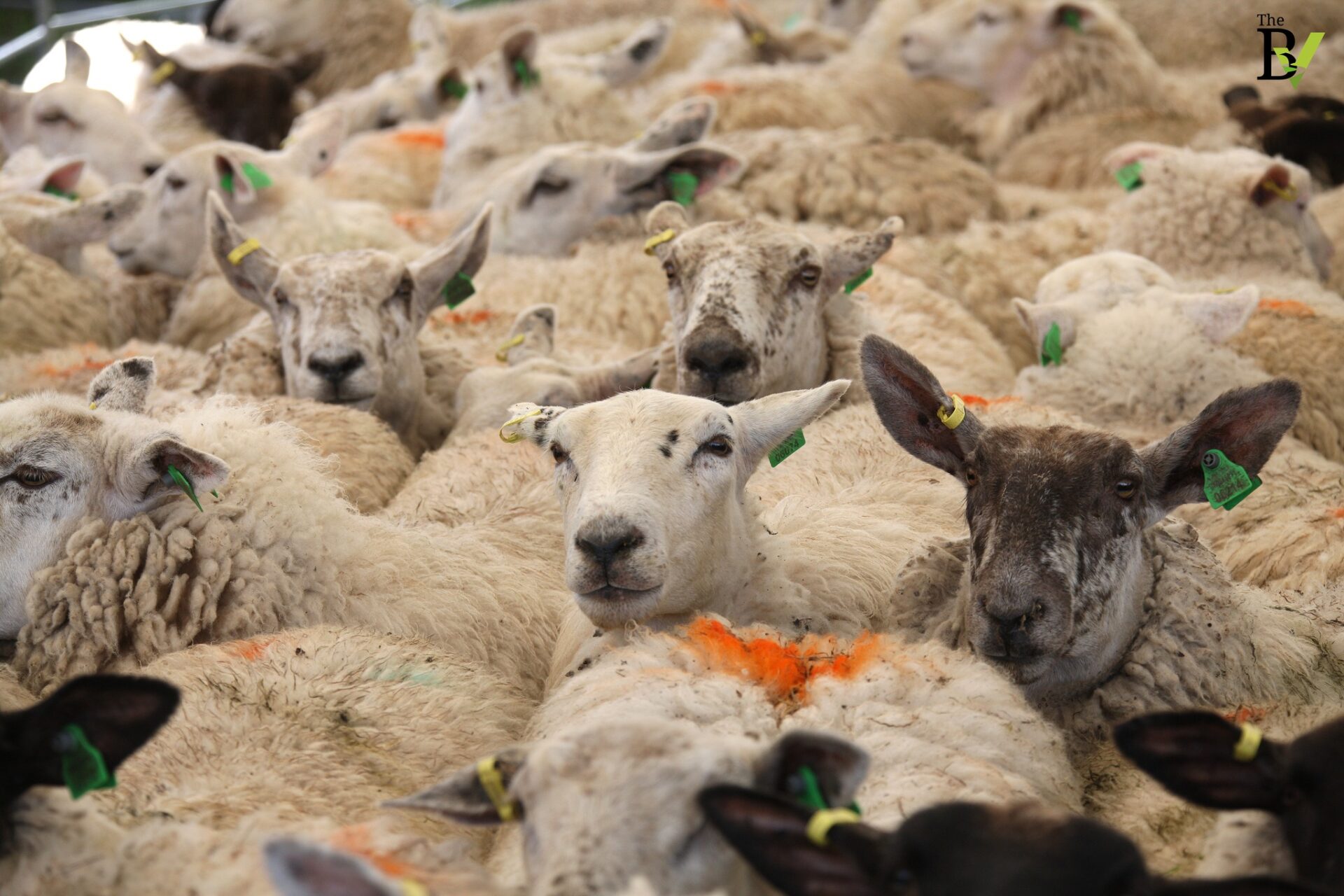
From early morning the cattle and sheep lines were busy, the showing areas constantly moving as the important work of finding show champions got underway.

The car parks swiftly filled as visitors flooded into the ground – and they certainly weren’t disappointed! The Shetland Pony Racing was a delight, the Jamie Squibb Freestyle Motocross was addictive (and so so high 😬), the Lightning Bolts Army Parachute display team, the Grand Parade … it was tricky to pull away from the big attractions in the Gritchie Brewing Co Main Ring!


But there was so much else to see and do.

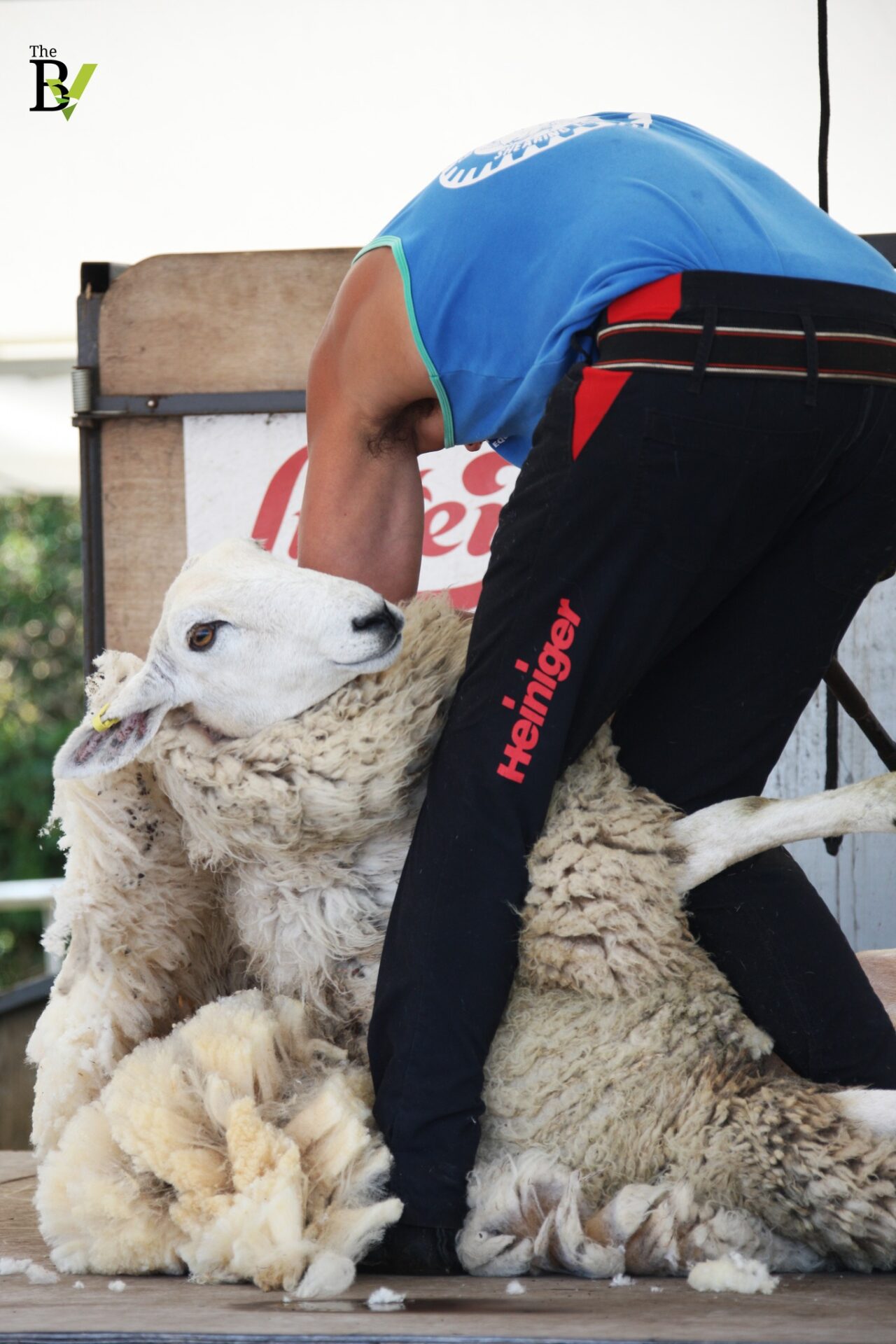
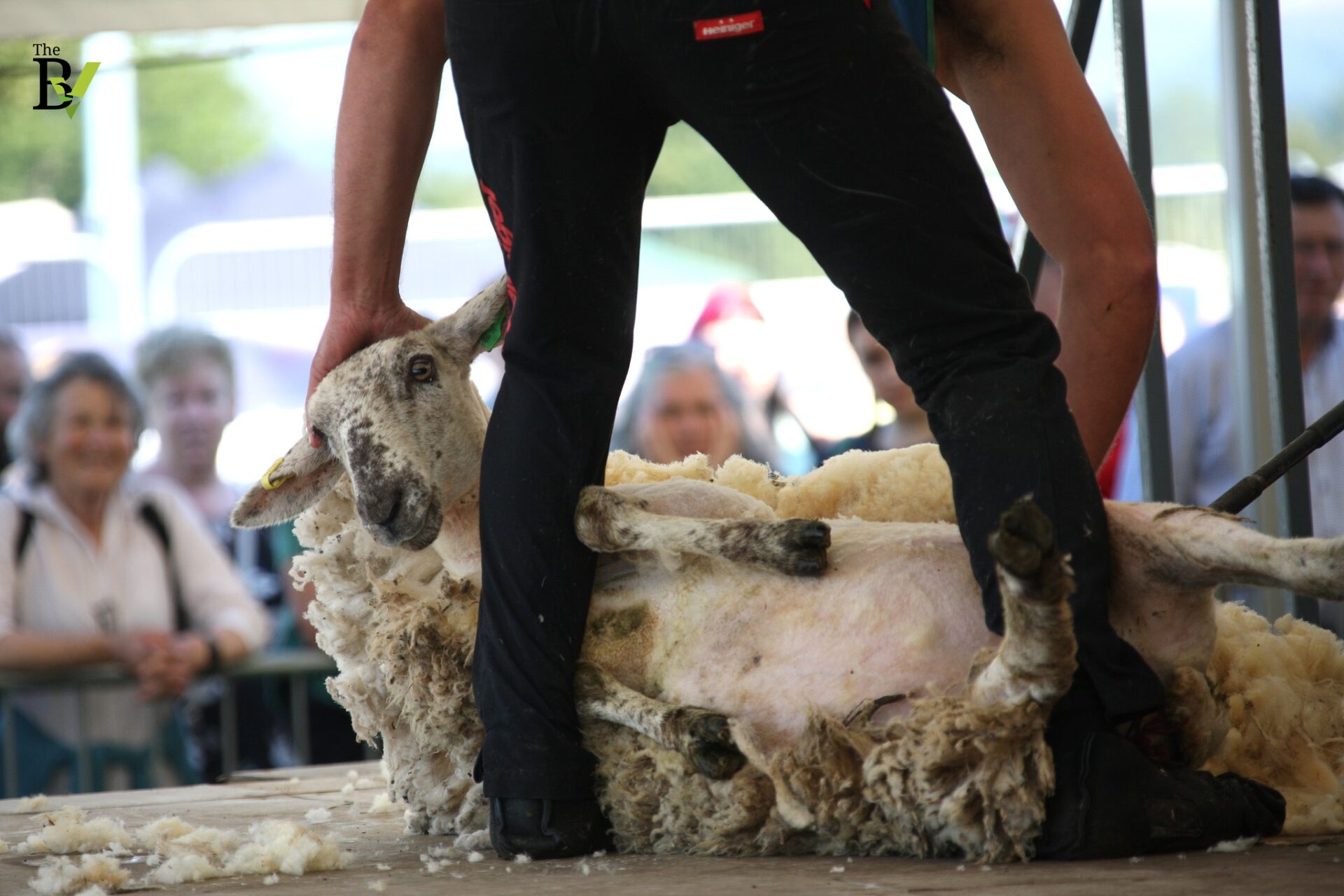
In the Wool Village the first ever G&S Sheep Shearing Compeititon was an absolute hit – brilliantly entertaining, with the huge crowd it drew laughing and ooh-ing (and gasping at the unexpected jumping sheep!) while managing to learn a few things about sheep and wool too.

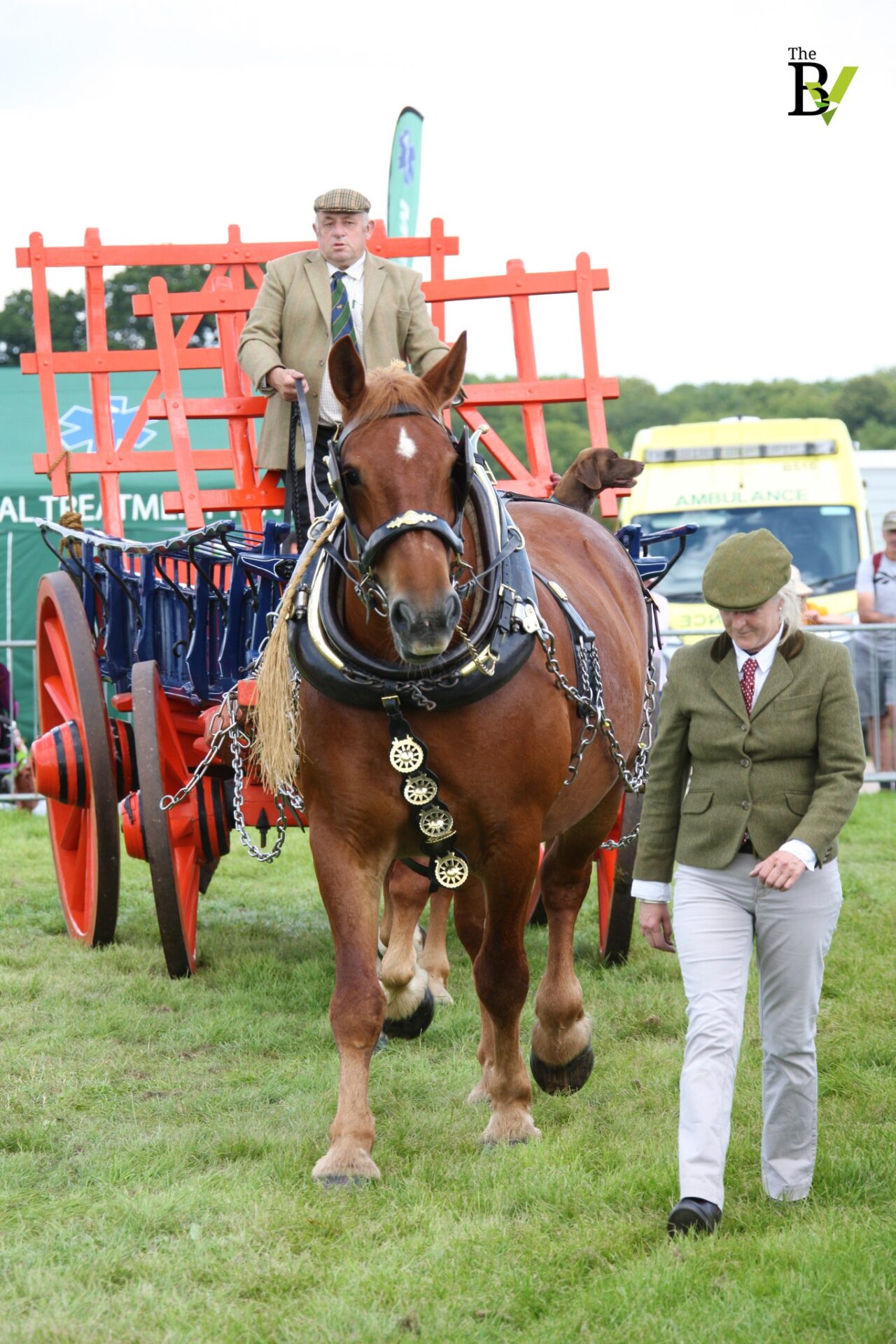
Up the other end of the showground, the Turnpike Ring had a whole different set of acts; the falconry display and Jonathan Marshall’s Spirit of Freedom show, the terrier racing… Then there was the dog agility and ferret racing. The heavy horses. Live music. A funfair. So. Much. Food. There were aisles and aisles of trade stands to get round (garden furniture, clothing, high street brands and local producers – it was a country high street located in a field!).

SO MUCH to do and see!

It’s a wonderful show; and a lot of that is thanks to the fact that it never forgets that for more than 160 years it has been an agricultural show: with farming strongly at its heart, it’s a brilliant day out for everyone, whether you’re a farmer or not!

A few images from the 2023 Gillingham & Shaftesbury Show:

Reviving town centres: the heartbeat of community, even in the digital age

0

Does every town need a town centre? Despite changes in retail habits, town centres continue to play an essential role, argues MP Simon Hoare

Simon Hoare MP
Simon Hoare MP

Many years ago I attended a lecture given at the Royal Town Planning Institute. While it was not a sell-out affair (I doubt attendance at such an event is on anyone’s Bucket List) the topic was an interesting one: does every town need a town centre?
It was not a rhetorical question and the lecturer felt that the question was answerable in the negative. He felt that Internet shopping, coupled with increased access to personal modes of transport, meant that retail and local services could be focussed on one or two towns with quite a large geographical area.
I did not, and do not, agree.
Every town is different. It has evolved over varying timespans and for various reasons. Notwithstanding this, the needs of a town’s inhabitants appear to be pretty universal. We need somewhere to meet and hold community events. We need food, so food retail is important. A pub or two and a few eateries provide space for socialising and entertainment. We need to be groomed and occasionally pampered. A post office or bank provides essential financial and other services. It is true that our retail habits have changed with the advent of the internet – supermarket home delivery means that increasingly the ‘big shop’ is undertaken online. The internet also plays an increasingly important role for banking, TV licence renewals etc, as it will increasingly do for health, too. So our town centres are necessarily evolving to meet the needs of today.

Old street, new look
Doubtless some current commercial properties will be converted, possibly re-converted, to residential use. This is to be welcomed, providing, as it does, sustainable living space and a sense of community and activity in the centres long after the shops have shut. Trying to win the pricing competition is an uphill struggle for small local independent traders, and it is not one they should embark on. Instead, a resolute focus on product knowledge, local supply chain, short food miles and a personal level of service makes the local shopper feel valued and the experience a pleasant one.
Some current commercial units are likely to be converted to provide entertainment, leisure or – to use the real estate phrase ‘dwell time’ – facilities. Our town councils have an important role to play too – ensuring the streets are clean, planters attractive and that there’s the odd bench here and there to attract people to their area.
We are blessed in North Dorset. The principle towns of Blandford Forum, Sturminster Newton, Shaftesbury, Gillingham and Verwood all have unique character and charm.
They also have stand-out town councils and councillors who play a key role.
The restrictions of COVID lockdowns (they seem a lifetime ago, don’t they?) forced people to use their towns – and they liked what they saw and found. As more people work from home, the opportunity to shop locally and on one’s doorstep presents itself, thereby maintaining footfall and supporting local business.
We all have a role to play. Central government needs to provide flexibility within the planning rules and continued support for Business Rates. Dorset Council needs to be fleet of foot on planning and harnessing the energies of local entrepreneurs, benefactors and others to deliver sustainable change, ensuring the longevity of our centres. But above all, if we are to answer the question my lecturer posed in the affirmative – we need to use them or lose them.

Design Technology Technician required by Clayesmore School

0

Clayesmore is a wonderful school in which to work, with excellent facilities and a warm, supportive and happy atmosphere.

An enthusiastic, proactive and practical person is required from September 2023 to provide the skills and expertise to support teaching and learning within the vibrant DT department.

This post is full time, term time only, Monday to Friday

The salary for this role will be £19,300 per annum.

Other benefits include a non-contributory pension scheme, Death in Service benefits, a free lunchtime meal and free membership of the Clayesmore Sports Centre.

For further information and an application form please go to

https://clayesmore.com/work-for-us/

Closing date:8:00am on: Thursday, 31st August 2023

Clayesmore is committed to the safeguarding and promotion of children’s and young people’s welfare and expects all staff and volunteers to share in the commitment.

www.clayesmore.com

Letters, kites and monsters in the pits | BV Podcast

0

In a small switch in format, we’re moving from three to two podcasts a month, allowing for a longer and more involved format for the interviews. Let us know what you think! Just click the ‘play’ button below to listen to the first August episode:

As usual we start the month with the letter from the editor, as well as all the BV’s reader’s letters.

The red kite is a popular conservation success story, and Jenny talks to Dorset Wildlife Trust’s Adam Woolcott about his love of the birds of prey, who – despite their rising population numbers – are still at risk from poisoning.

Simon Hoare MP asks whether every town needs a town centre – he thinks it does.

Mike Chapman of the LibDems says it’s time for a change – and time for the grown ups.

Labour’s Pat Osborne condemns the governments recent decision to grant new oil and gas licences.  

Ken Huggins of the Greens talks about the good, the bad … and the downright ugly.

And in part two of Jenny’s fascinating conversation with the co-director of Bournemouth University’s Duropolis dig, Paul Cheatham, you can hear about the ‘monsters’ found in the pits – and Paul also discusses the mystery surrounding the complete lack of human remains from the Iron Age settlements.

Wessex Internet and Nokia partnership

0

Dorset’s own Wessex Internet is forging ahead with a fresh partnership with Nokia for innovative network technology. The collaboration involves the implementation of state-of-the-art Nokia technology to bolster the robustness and capacity of Wessex’s core network. This initiative aims to guarantee the provision of the swiftest possible broadband speeds to customers for years to come.
Furthermore, by moving to this technology (called XGS-PON), Wessex Internet will need fewer fibres in the ground and fewer cabinets above ground. This approach means Wessex can not only speed up the local roll-out to waiting communities, but also minimise its equipment and energy needs, contributing to environmental sustainability.

Wessex Internet’s network engineering foreman Wayne Turner with Grant Green of Blandford Tools, the first customer to connect to the XGS-PON technology

Work’s already begun
The deployment of the advanced XGS-PON infrastructure has already commenced within Wessex’s network, and customers in Sunrise Business Park, Blandford are the first to enjoy the connection through this new technology.
Hector Gibson Fleming, Wessex Internet’s CEO, expressed his enthusiasm, stating:
‘Our partnership with Nokia is fantastic step forward for Wessex Internet which is already delivering improvements to the capacity and resilience of our network. More importantly, it gives us a clear technology roadmap which is future-proof. This ensures our network will deliver the speeds and reliability that our customers need for decades to come, ensuring that rural communities are not left behind as technology changes.’
Echoing this sentiment, Phil Siveter, UK&I CEO/CSO at Nokia, remarked:
‘We are proud to partner with Wessex Internet to help bring high-quality 10Gbs broadband services to their customers. As demand for Gigabit and symmetrical services grows, next-generation fibre technologies like XGS-PON play a critical role in delivering and supporting the ultra-broadband services customers require today and in the future.’

Peach and pistachio traybake

0

My summer holiday is on the horizon and for some reason, warm sunny weather makes me want to each fresh peaches. Peaches are in season through July and August so this recipe makes the most of their full and juicy flavour at this time of year (From Dorset with Love make a delicious peach jam which never fails to delight my family and friends when they come to stay).
I have used Stork baking margarine for this recipe as I find it helps with the structure of the cake, preventing the fresh peaches from sinking too deeply (this margarine also happens to be dairy free!) – you can absolutely change it for butter if you prefer.

Heather

Ingredients

  • 10oz/285g Stork baking margarine
  • 10oz/285g caster sugar
  • 5 eggs
  • 10oz/285g self raising flour
  • 4 ripe peaches
  • 3.5oz/100g pistachio nuts (shells removed)

Method

  1. Preheat oven to Gas 6/200º/fan 180º.
  2. Grease and line a 22cm x 33cm traybake pan which is 5cm deep.
  3. Roughly chop your pistachio nuts and put to one side.
  4. Take two peaches, cut in half and remove the stone. Slice them (top to bottom) so you have wedges of peach about 0.5cm thick at the widest edge. Peel and de-stone the other two peaches, and chop the flesh into small pieces.
  5. Beat together the caster sugar and margarine. If you have peach syrup, you could add a drizzle here too. Beat until the mixture is light and fluffy.
  6. Add the eggs, one at a time, making sure the mixture is well beaten between each egg. Add a spoonful of the flour if the mixture starts to separate.
  7. Carefully stir in the flour and mix gently until well combined.
  8. Tip in the chopped peaches and stir.
  9. Pour the cake mix into the prepared pan and smooth out the mixture.
  10. Arrange the peach slices on the top of the cake, roughly where you want to cut the cake (so there will be a peach slice on top of each piece). Then sprinkle liberally with the chopped pistachios.
  11. Bake in the oven for 25-30 minutes (less if you know your oven runs hot) until the top is golden brown and the cake is springy to the touch.
  12. Leave to cool, then cut into pieces and enjoy! Top tip – serve with a dollop of clotted cream!
Heather Brown is a food writer, photographer and stylist. A committee member of The Guild of Food Writers, Heather runs Dorset Foodie Feed, as well as working one-to-one with clients.